

Hardspace: Shipbreaker IP Returns to Blackbird — Real Talk on What Comes Next
Game intel
Hardspace: Shipbreaker
Welcome to LYNX, the galaxy’s leading ship-salvaging corporation! Across your career, you’ll have the privilege of paying your debt to us by purchasing salvagi…
Why This Caught My Attention
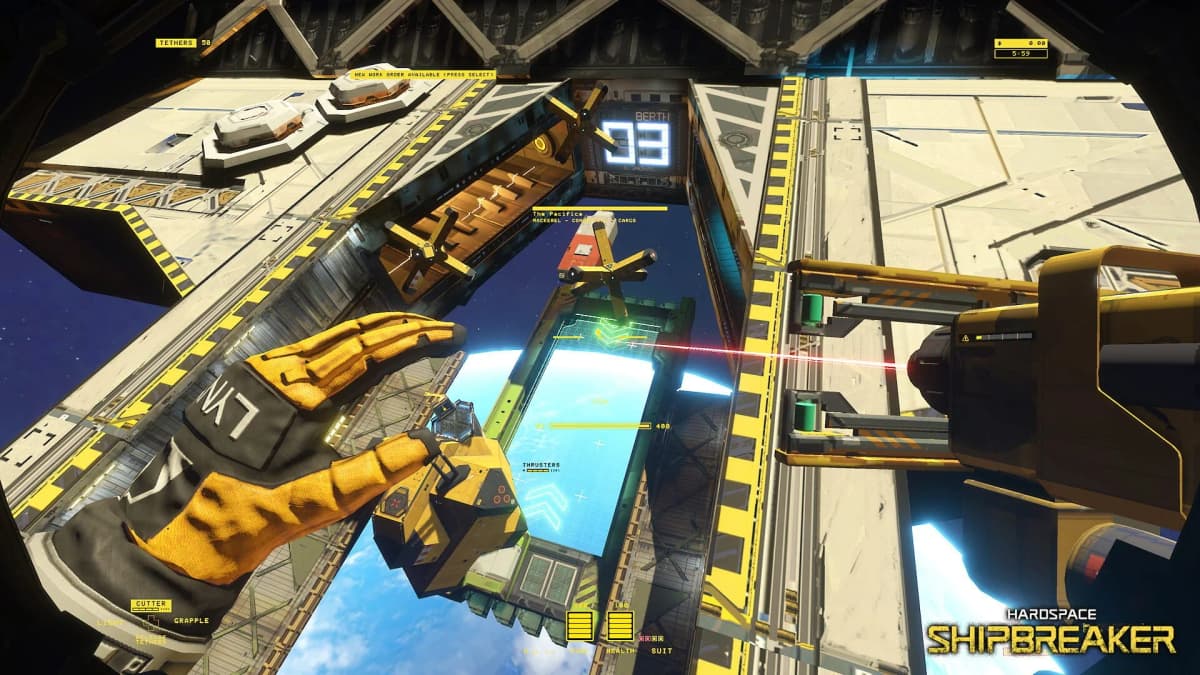
Blackbird Interactive taking back full ownership of Hardspace: Shipbreaker is the kind of behind-the-scenes shift that actually changes games. As someone who’s spent too many late nights peeling reactors out of Geckos and accidentally venting pressurized cabins into the furnace (RIP to those tethers), the idea of the original team steering this universe without a publisher’s hand on the wheel matters. They’re promising “multiple projects” and launching a LYNX Pioneer Program for community input-cool on paper, but the real question is how that translates into better, meatier salvage for players.
Key Takeaways
- Blackbird now fully owns Hardspace: Shipbreaker, meaning they control the roadmap, monetization, and spin-offs.
- “Multiple projects” likely means more than a single sequel-think expansions, standalone experiments, or new modes.
- LYNX Pioneer Program = playtests, feedback loops, and dev diaries; expect NDAs and early slices of content.
- Watch for lessons learned on monetization and live-service elements-players want more salvage, not a battle pass.
Breaking Down the Announcement
Shipbreaker launched in Early Access in 2020 and hit 1.0 in 2022 across PC and later current-gen consoles. It carved out a rare niche: a blue-collar sim wrapped in smart sci-fi, where the “combat” is wrestling with physics, debt, and corporate policy while you laser through hull plating. With the IP back in-house, Blackbird doesn’t have to pitch a sequel’s scope to anyone but themselves—and the players. That usually means quicker decision-making, fewer licensing hoops, and the freedom to greenlight the weird ideas that publishers tend to side-eye (co-op salvage, anyone?).
But “multiple projects” is a loaded phrase. It could be the dream scenario—proper sequel, robust mod tools, and a mode that scratches the endless-play itch—or it could be smaller experiments and narrative side-stories. The studio says it’s doubling down on immersion and worldbuilding, which tracks: Shipbreaker’s best storytelling has always been in the weld lines and workplace memos.
Why This Matters Now
Genre-wise, nobody else really does what Shipbreaker does at this level of tactile, physics-first design. Other sims flirt with realism; Shipbreaker makes you respect pressure differentials and cable routing like your life (and profit margin) depend on it. IP control is important here because it lets Blackbird invest in the heavy-lift features the community has begged for without chasing quarterly beats. Think: deeper ship archetypes that force new puzzle logic, late-game progression that isn’t just “harder contracts,” and systemic upgrades that ripple through every cut you make.
There’s also the reputation check. Blackbird’s recent releases showed they can deliver ambitious systems but sometimes stumble on launch-era monetization and messaging. If Hardspace is the flagship they personally own, this is the chance to reset expectations: content-first, no FOMO, respect the player’s time. If the Pioneer Program is done right—transparent goals, meaningful feedback loops—it’s a strong signal that they heard the community.
The Gamer’s Perspective: What We Want (and What to Watch For)
- Co-op salvage: The fantasy of running a coordinated two- or four-person tear-down—one stabilizes the reactor, one manages atmosphere, one handles tether logistics—has lived rent-free in the community for years. It’s hard to engineer, but if any studio can make zero-G co-op readable and safe(ish), it’s this one.
- Mod tools and a ship workshop: Community-built hulls and hazard layouts would extend the game’s lifespan by years. Even curated mod support or a blueprint editor would do wonders.
- Deeper late-game: Specialization trees, corporate rivalries, and high-stakes contracts that change station operations, not just payout numbers.
- VR as a side project, not a main pillar: It’s a tempting fit, but only if it doesn’t siphon resources from core features.
- Monetization sanity: Sell expansions or meaty DLC; avoid nickel-and-dime cosmetics or seasonal chores. Let the work be the reward.
Caution flags? “Multiple projects” can sometimes mean a spread-thin team. I’d rather see one killer sequel with a clear pillars list—co-op, modding, ship variety, endgame—than three half-measures. Also, console parity matters. The current-gen versions are solid, but if the next wave pushes physics complexity, keep performance and controls tight across platforms.
Want to Level Up Your Gaming?
Get access to exclusive strategies, hidden tips, and pro-level insights that we don't share publicly.
Ultimate Gaming Strategy Guide + Weekly Pro Tips
Inside the LYNX Pioneer Program
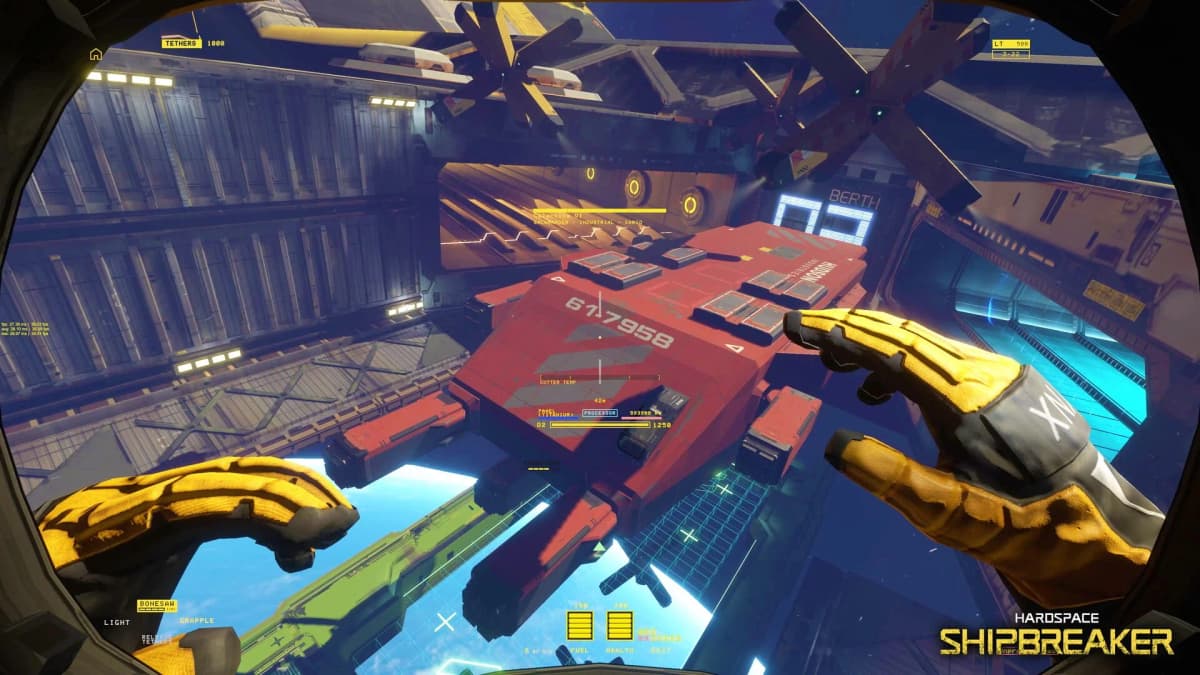
The new community program sounds like structured playtesting plus behind-the-scenes updates. Manage your expectations: these programs are usually under NDA, scoped to specific systems, and slow by design. That’s fine—Shipbreaker thrives on iteration. The best outcome is targeted tests (say, a new ship class or hazard type), quick turnaround on feedback, and dev blogs that explain design trade-offs in plain language. If they start surfacing community-built challenge layouts or time-trial ladders through Pioneer, even better.
Looking Ahead
Timelines weren’t shared, so don’t expect a sequel tomorrow. Shipping substantial systemic content takes time, especially if co-op or mod tools are on the table. The smart bet is a steady drumbeat: community tests, a content drop or standalone side project to re-energize the player base, then a full-fat follow-up when it’s ready. If Blackbird uses its regained control to double down on what made Shipbreaker special—precision, pressure, and that intoxicating loop of risk versus reward—we’re in for a good run.
TL;DR
Blackbird now owns Hardspace: Shipbreaker outright and is spinning up multiple projects plus a community Pioneer Program. That’s promising, but the win condition is simple: more systemic depth, smart co-op, real mod support, and sensible monetization. Keep your cutter sharp and your tethers tidy—the yard’s about to get busy.