
HARMA’s Dark Fantasy Deckbuilder: Artifact Strategy
Game intel
HARMA
Harma began with the belief of humans overcoming hardships. We have created an immensely challenging strategic card game that befits this theme. If you are som…
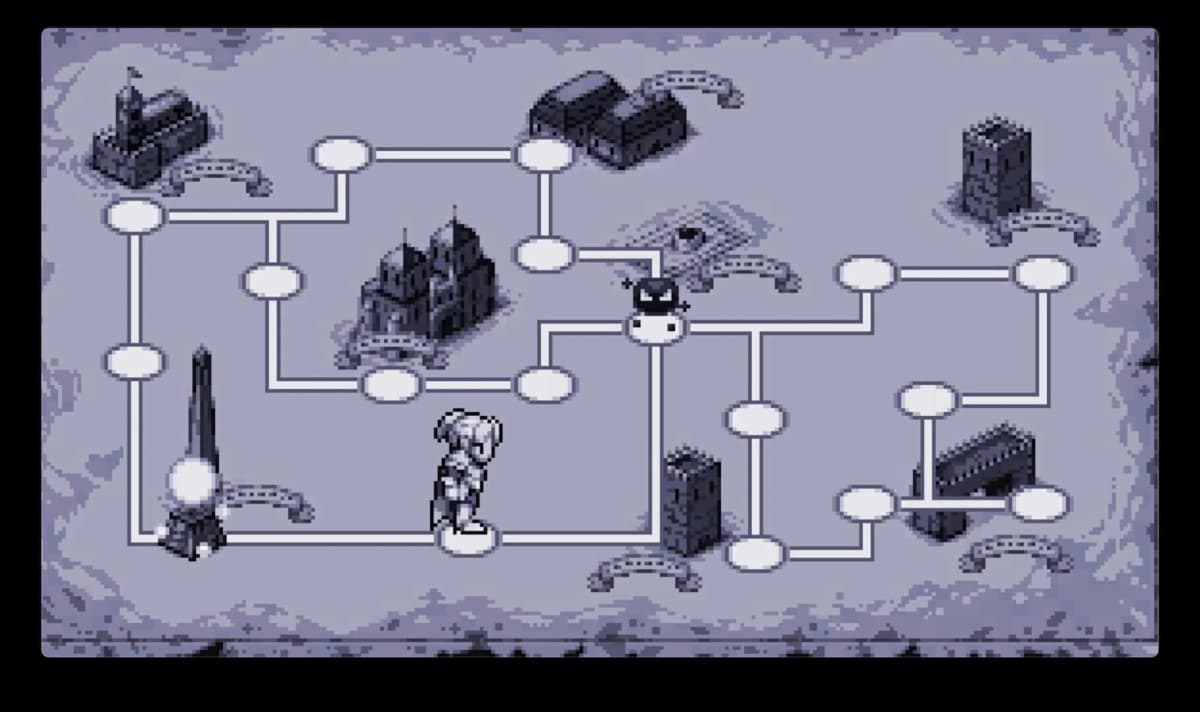
It takes a lot to stand out in the sea of roguelike deckbuilders. That’s why HARMA’s recent announcement caught my eye: a dark fantasy tale intertwined with an artifact-powered combat system that promises tactical depth beyond basic card synergies. Slated for late 2025 from Korean studio INDIRECT SHINE, HARMA aims to balance narrative weight and mechanical innovation—a tricky feat for any indie.
Artifact System: Risk vs. Control
At the core of HARMA is its artifact mechanic. Each encounter triggers one of three equipped artifacts at random, modifying card effects or unlocking new abilities. Players can also spend a “Focus” resource to force-activate a chosen artifact, turning luck into a strategic tool. This tug-of-war between RNG and deliberate planning could refresh run-to-run variety—provided tuning ensures neither extreme dominates. Balancing randomness and player agency will be key; too much unpredictability risks frustration, while overpowered control might undercut replayability.
Dark Narrative and Branching Choices
INDIRECT SHINE leans hard into a world of fallen knights, burned kingdoms, and personal vendettas. The promise of four epic acts and branching dialogue suggests more than pass-through flavor text, but execution remains to be seen. Inexperienced narrative design can fall back on clichés—something to watch as HARMA develops. Will character arcs and decision points leave a lasting impact, or merely decorate the card battles?
Visuals and Presentation
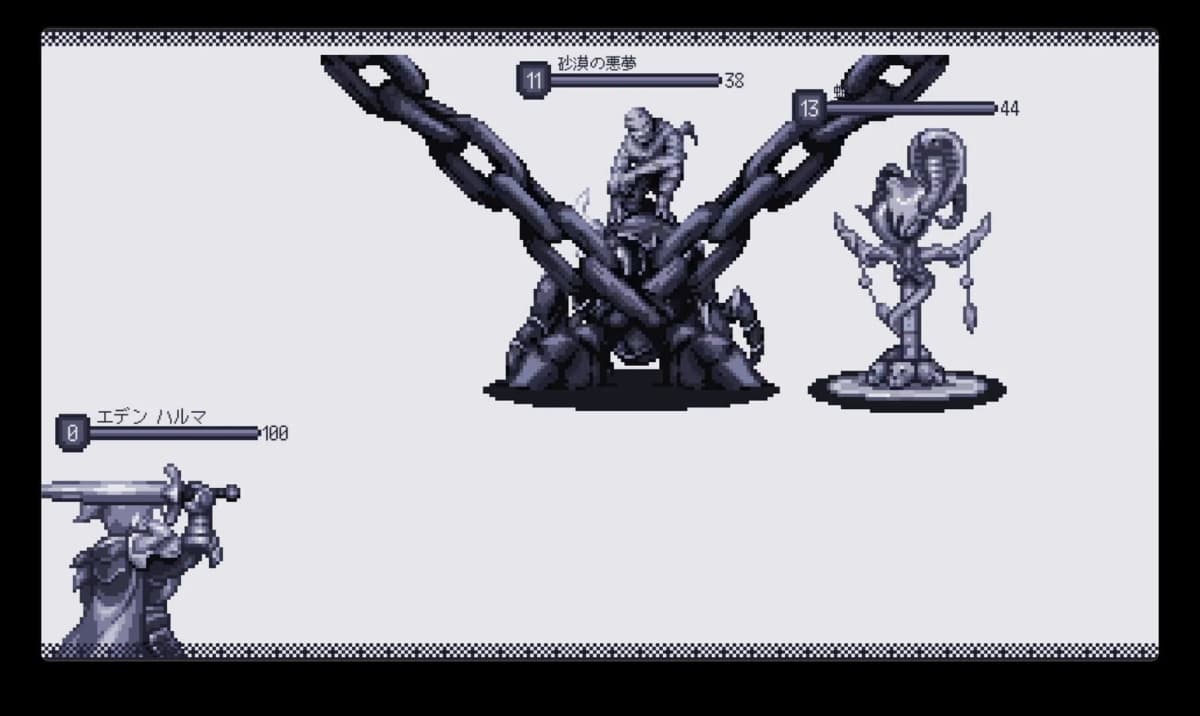
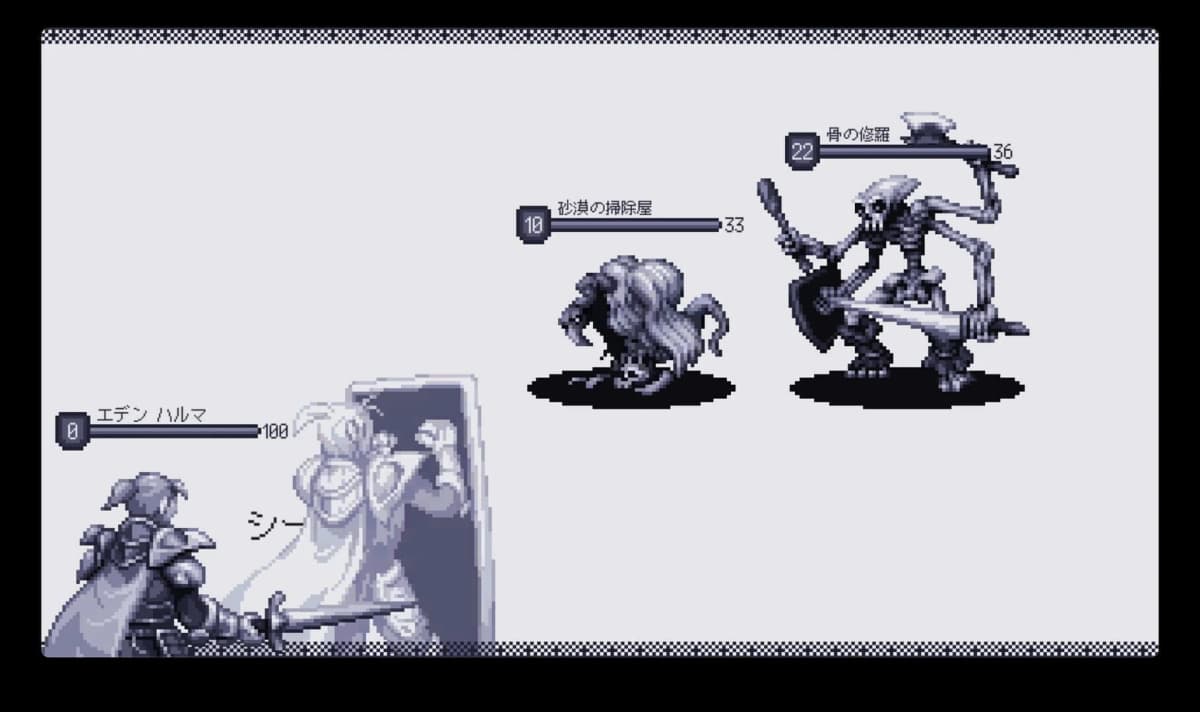
Pixel art remains a popular choice for indie deckbuilders, and HARMA’s trailer shows detailed sprites, animated backgrounds, and cinematic cutscenes. This blend of retro aesthetics with modern storytelling could set it apart. However, style must support substance: polished visuals only go so far if the game loops lack depth. Monitoring how art and UX integrate—particularly in combat feedback and card readability—will influence first impressions.
Want to Level Up Your Gaming?
Get access to exclusive strategies, hidden tips, and pro-level insights that we don't share publicly.
Ultimate Gaming Strategy Guide + Weekly Pro Tips
Potential Challenges and Critique
- Card and Artifact Variety: Over 300 cards and numerous artifacts are announced, but diversity in design rather than stat tweaks is crucial for meaningful choices.
- Endgame Engagement: The Dimensional Rift “endless mode” promises high-skill expression, yet risks devolving into grind if modifiers lack innovation.
- Developer Experience: INDIRECT SHINE’s pan-Asian team has indie cred, but undertaking ambitious narrative structure and complex mechanics is resource-intensive.
What’s Next?
With few hands-on opportunities available, concrete assessments must wait for playable demos or developer diaries. Key areas for future coverage include detailed breakdowns of artifact effects, deckbuilding synergies, and narrative branching outcomes. Until then, HARMA remains a compelling concept, one that could reshape expectations—or fall short if ambition outpaces polish.