
I am usually lenient with rough edges in a farming game until those rough edges start interrupting the routine. That is the line Harvest Moon: One World keeps bumping into, because the whole appeal is repetition that feels soothing: planting, traveling, gathering, checking animals, then doing it again. For platform choice, the practical answer is simple. PC is the safest performance pick if you have access to it. PS4 and Xbox One appear to be the safer console middle ground from the public record. The version most often singled out for technical problems is Harvest Moon: One World on Switch, and that gap matters more here than it would in a short action game.
This is also one of those cases where the platform conversation is more useful than a raw review score. A mixed review can still hide a version that is perfectly serviceable on one machine and frustrating on another. If you are deciding where to buy it, or whether to double-dip after a disappointing first try, the biggest things to know are where the game is available, how much hard evidence exists for each platform, and which settings are worth touching before you settle in.
Table of Contents (8)
Where Harvest Moon: One World is available
Harvest Moon: One World launched on Nintendo Switch, PlayStation 4, and Xbox One. It later became available on PC through Steam. That means there are four realistic ways to play it today, but not all four versions have the same amount of public performance reporting behind them.
- Nintendo Switch: the most discussed version, and also the one with the clearest technical complaints.
- PlayStation 4: available at launch, with less public noise around major technical faults in the material available.
- Xbox One: also available at launch, again with less detailed public reporting than Switch.
- PC: later Steam release, notable for modest listed system requirements.
That last point matters. When a game lands on PC with relatively low hardware requirements, it changes how you should read complaints about the console versions. It suggests the game is not inherently a heavy, hardware-crushing project. If one version still struggles, the issue is more likely tied to optimization or implementation than to sheer technical ambition.
Switch performance is the main caution flag
The clearest performance picture belongs to Harvest Moon: One World Switch, and it is not flattering. Review coverage consistently describes the Switch release as targeting 30 frames per second. A 30 fps cap by itself is not a problem for this kind of game. Plenty of slower-paced sims feel fine at 30 when frame pacing is stable, menus respond cleanly, and world streaming stays invisible. The trouble is that the criticism around this version goes beyond the cap.
The repeated complaints are performance instability and audiovisual issues: choppy frame delivery, terrain blackouts, and even garbled music in at least one review. Those details are important because they point to more than simple “lower specs.” Choppy delivery means the game can feel uneven even when the average frame-rate target sounds acceptable on paper. Terrain blackouts suggest loading or streaming problems. Garbled music is especially damaging in a farming sim, because audio repetition is part of the comfort loop and becomes impossible to ignore when it breaks.
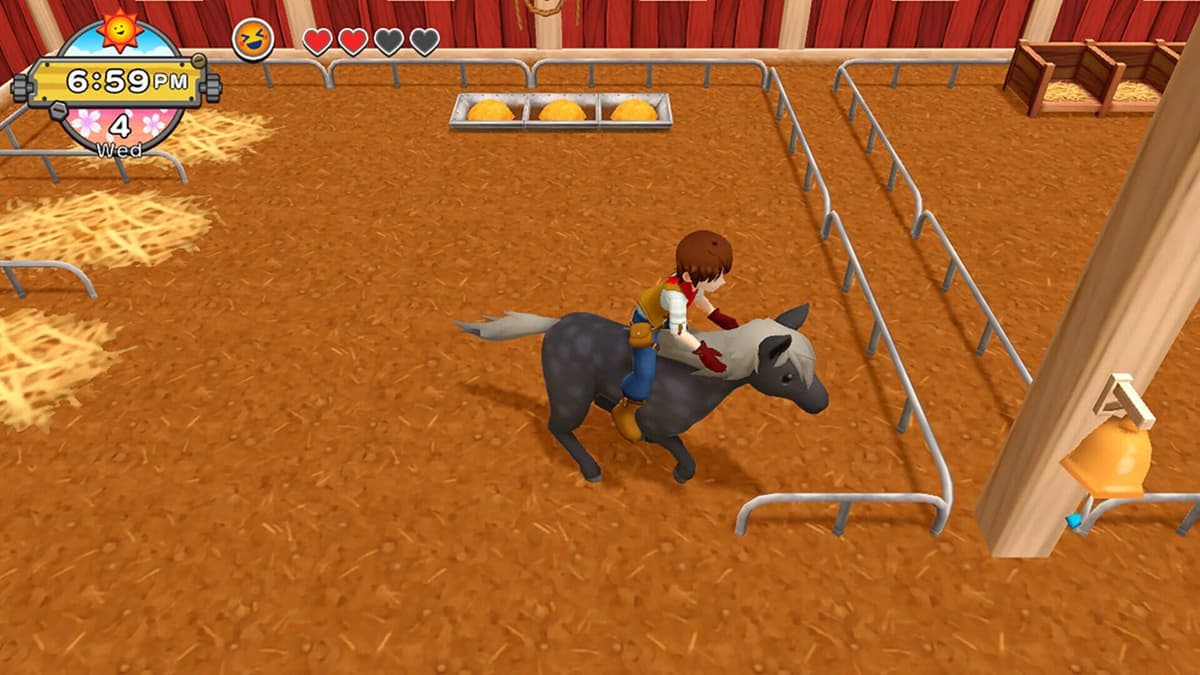
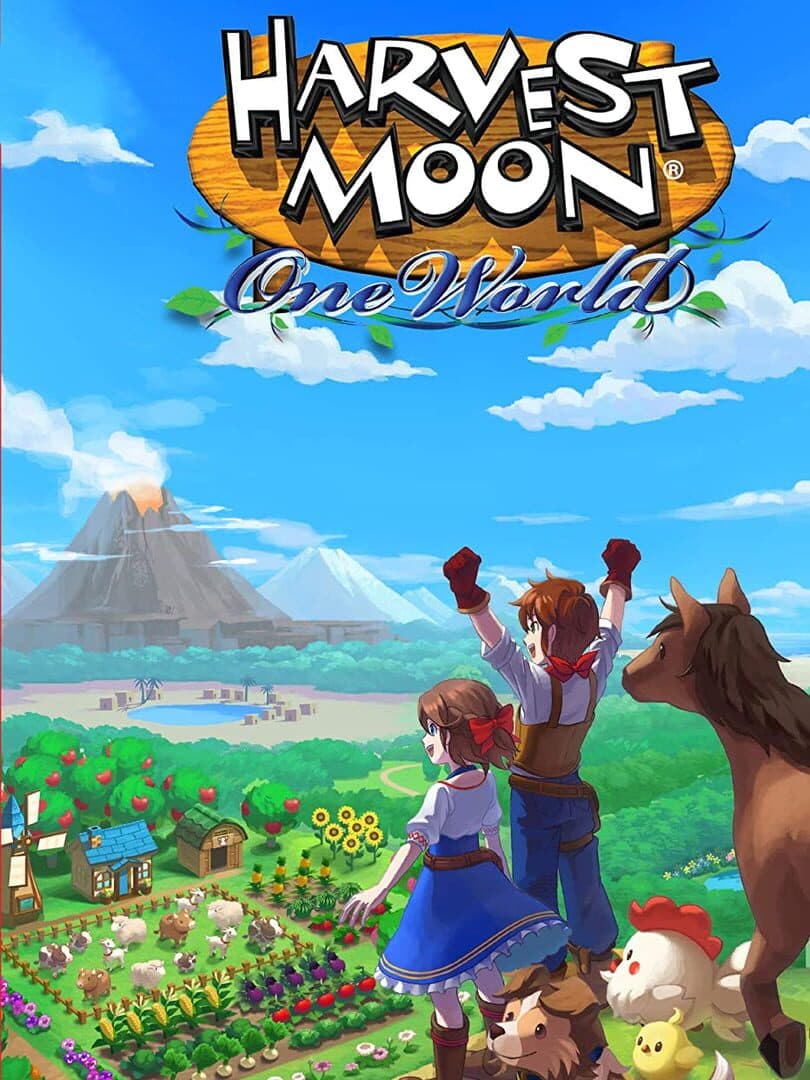
Another reason the Switch criticism stands out is that reviewers did not frame it as a technically ambitious game pushing the platform too hard. The broader tone was closer to underwhelmed than impressed. In other words, the platform seems to be exposing optimization weaknesses rather than heroically carrying an oversized game. Public sentiment on Switch skews mixed to negative, with at least one outlet rating it 2.5 out of 5 and others calling the overall package average or disappointing.
- Good news: the game is playable and does hit the intended 30 fps target often enough for reviewers to identify that cap.
- Bad news: stability appears to be the real problem, not the target itself.
- Bottom line: choose Switch for portability only if portability is your top priority and you can tolerate rough presentation.
One more practical note: there is no strong public evidence in the available record that a later patch completely transformed the Switch version. That means the launch-era reputation is still the safest reference point. If you are hoping for a quiet miracle patch that erased the stutter and glitches, there is not enough evidence to treat that as the default assumption.
PS4 and Xbox One look steadier, but the public record is thinner
Harvest Moon: One World PS4 and Xbox One are in a different position. They were part of the original platform lineup, but the available material does not provide the same level of detailed performance breakdown that the Switch version received. That creates an important kind of uncertainty. It does not automatically mean these versions are flawless. It does mean the public evidence is less crowded with reports of severe technical roughness.
For a buyer trying to make the least risky console choice, that distinction is useful. If one version is getting repeated, specific complaints about stutter, visual blackouts, and audio corruption while the others are not attracting the same pattern, the safer assumption is that PS4 and Xbox One are more stable overall. That is not the same as a verified benchmark result, and it should not be presented like one. It is simply the most grounded reading of the available reporting.
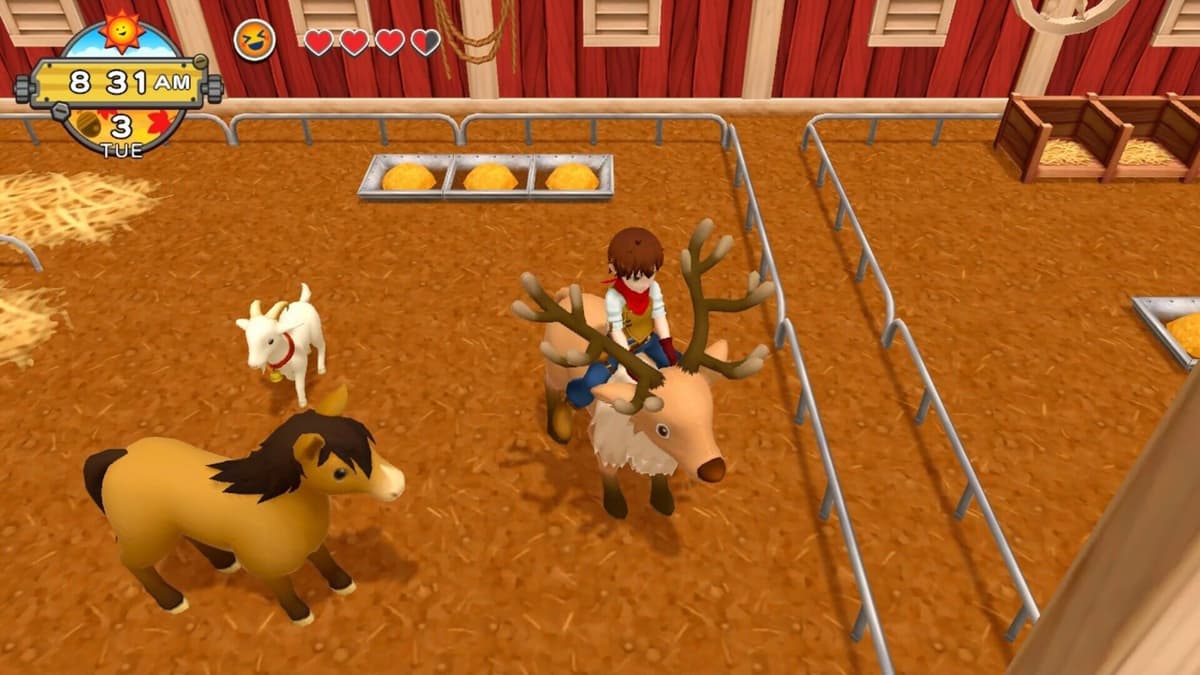
Between PS4 and Xbox One, there is no strong evidence in the material here to declare a clear winner. Treat them as broadly similar console alternatives unless a store discount, controller preference, or existing library makes one more convenient for you. If you want couch play without stepping into the Switch version’s documented technical baggage, these are the platforms that make the most sense.
PC is the most practical choice if you care about smoothness
The PC version changes the conversation because its listed requirements are modest. The Steam page shows support for relatively low-end hardware, including an Intel i5-8265U, 8 GB of RAM, and Intel UHD Graphics 620. That does not prove a flawless experience on every laptop, but it strongly suggests Harvest Moon: One World was designed to run on accessible hardware rather than on demanding enthusiast rigs.
That low requirement also makes the Switch issues more notable. If the game is comfortable targeting integrated-graphics-class PC hardware, then the Switch version’s public problems likely come down to platform-specific optimization and streaming behavior rather than impossible rendering demands. In plain terms, PC gives this game the best chance to escape the roughness attached to the portable version.
PC also gives you the one advantage the console versions largely do not: room to tune the experience. Even if the options menu is not packed with advanced toggles, being on PC usually means control over display mode, resolution, and other standard presentation settings if the build exposes them. That flexibility matters more than ultra-high fidelity in a game like this. Stable traversal and clean menu response are worth more than pushing visual output for no real gain.
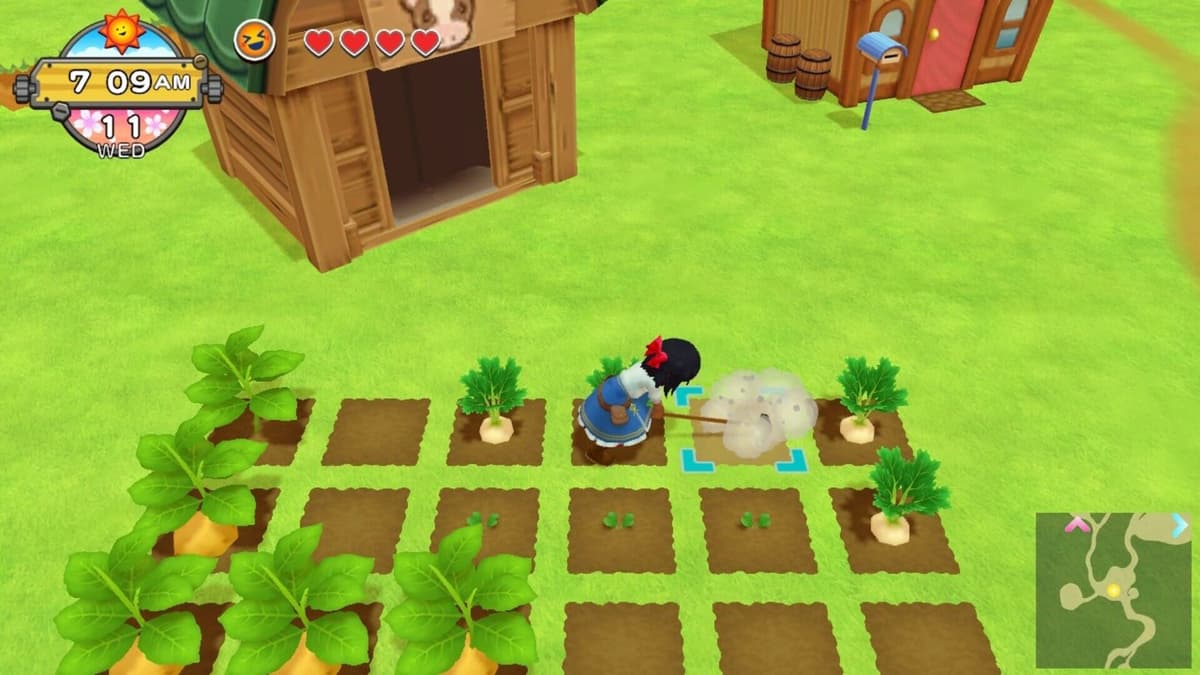
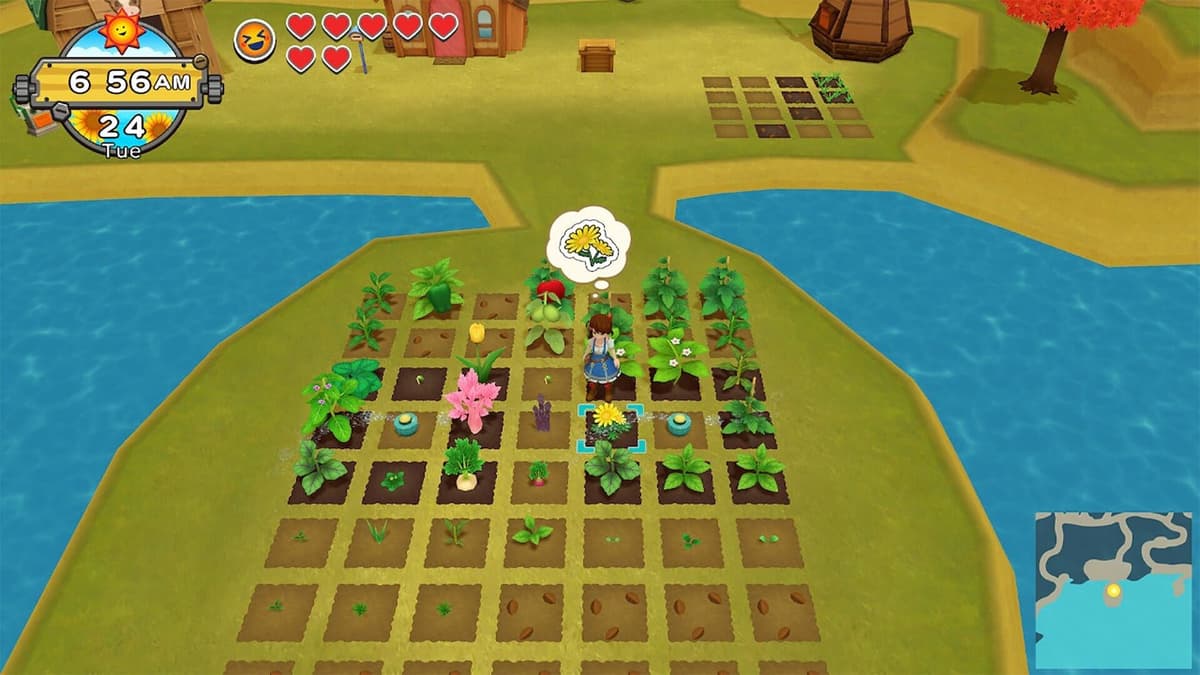
The settings that matter most
The biggest trap with Harvest Moon: One World is expecting menu tweaks to rescue the wrong version. On consoles, platform choice matters more than settings. On PC, settings can help, but the goal should be consistency rather than squeezing every last pixel.
Console priorities
- Install the latest update. There is no strong evidence of a transformative patch, but you still want the most current version before judging performance.
- Keep expectations aligned with a 30 fps-style experience. This is especially important on Switch, where the target appears capped rather than built around higher frame-rates.
- Treat glitches as version issues, not settings issues. If you hit choppy traversal, terrain streaming oddities, or audio distortion on Switch, there is no well-documented graphics mode that fixes the root problem.
PC priorities
- Start conservative with display settings. If the game offers standard display options, begin at your native 1080p-class resolution and favor stable performance over experimentation.
- Use a stable frame limit if available. In a farming sim, even pacing feels better than an inconsistent higher number.
- Use fullscreen options carefully. If the build offers
Displaysettings such as fullscreen or borderless, test whichever gives you the smoothest frame pacing on your system. - Do not chase unnecessary visual overhead. The listed requirements imply the game does not need high-end hardware, so the smart approach is to keep it clean and stable rather than overly ambitious.
The short version is that settings matter most on PC because you may be able to smooth out minor issues with ordinary display adjustments. On Switch, PS4, and Xbox One, your “setting” is really the platform you buy. That choice will do more for your experience than any menu toggle.
Best version by player type
- Buy PC if you want the safest technical option and the most control over presentation.
- Buy PS4 or Xbox One if you want a straightforward console version and do not need portability.
- Buy Switch only if handheld play is the deciding factor and you can accept the most documented performance complaints.
If you already own the Switch version, the most realistic mindset is to treat it as a compromised but functional way to access the game’s core loop, not as the version that shows it at its best. If you are shopping fresh and have options, there is very little reason to make Switch your first stop unless portability outweighs everything else.
FinalBoss // Gear
Level up your setup
01Best-selling Switch 2 gameson Amazon→02Switch 2 accessorieson Amazon→038BitDo controllerson Amazon→04Discounted game keyson Kinguin→
Affiliate links · As an Amazon Associate, FinalBoss earns from qualifying purchases.
Want to Level Up Your Gaming?
Get access to exclusive strategies, hidden tips, and pro-level insights that we don't share publicly.
Ultimate Guide Strategy Guide + Weekly Pro Tips