
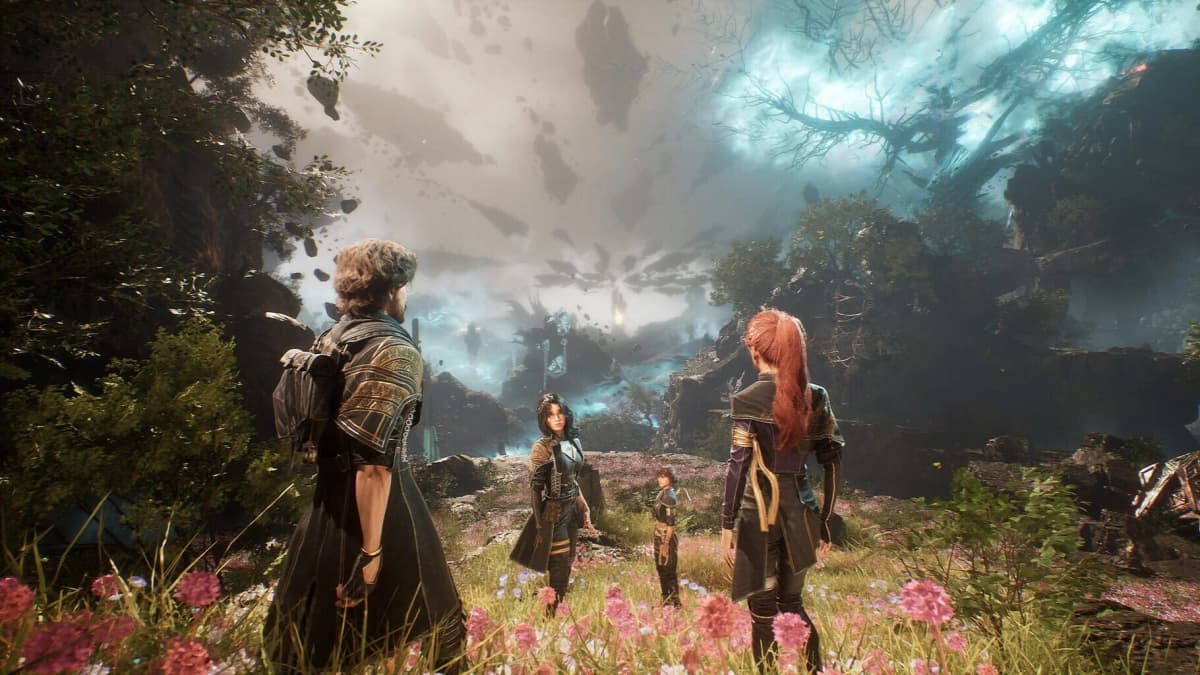
This caught my attention because Sandfall’s surprise hit Clair Obscur: Expedition 33 has prompted a lot of confident shorthand – “AA is the future” – and Josef Fares is pushing back with a reminder that big-budget blockbusters still matter to players and the health of the industry.
Table of Contents (4)
Split Fiction boss Josef Fares: Don’t write off AAA after AA breakout wins
Key takeaways
- Fares warns against letting CLAIR-style AA success become a template publishers copy wholesale – the industry needs budget and studio diversity.
- AAA’s larger budgets don’t automatically mean risk-averse output; studios like Naughty Dog, Rockstar and Nintendo show big budgets can still push boundaries.
- Not every AA game hits — Expedition 33 is notable precisely because so many lower-budget titles failed to connect in 2025.
- Hazelight will keep co‑op at its core but isn’t ruling out single‑player experiments done with the studio’s distinctive design sensibility.
{{INFO_TABLE_START}}
Publisher|{publisher}
Release Date|{release_date}
Category|{category}
Platform|{platform}
{{INFO_TABLE_END}}
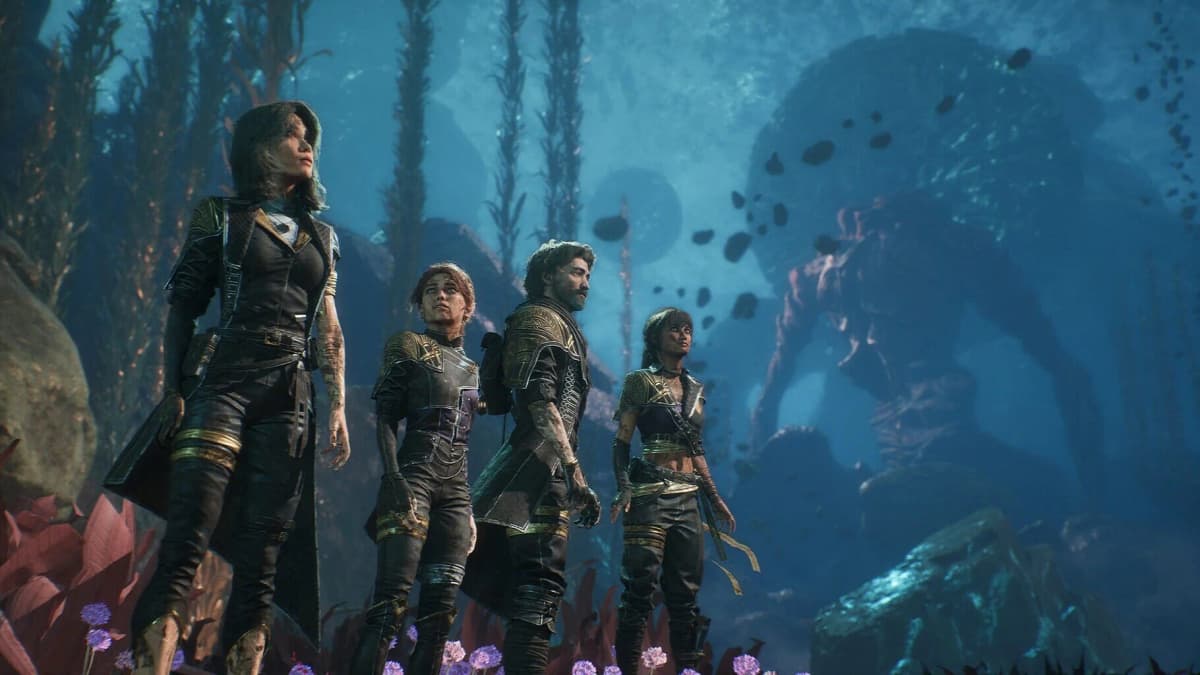
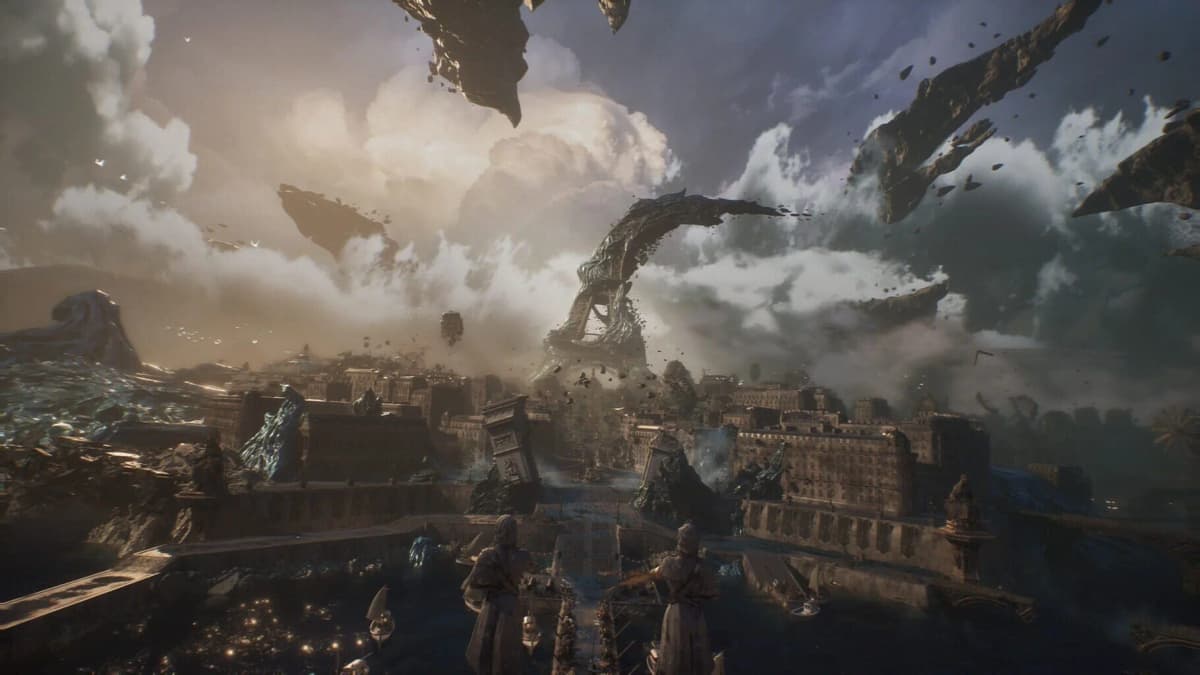
Sandfall’s Clair Obscur: Expedition 33 — a reportedly sub-$10 million RPG that broke out in 2025 — has become shorthand for a “do more with less” argument: smaller teams, modest budgets, and bold design can break through without blockbuster costs. That story is tempting for publishers watching margins, but Fares’ counterpoint is simple and important: variety in scope keeps the medium healthy.
Fares stresses two simultaneous truths: yes, there’s space for smartly made AA and indie titles; and yes, there’s an appetite for the spectacle and systemic depth only large AAA budgets can realistically deliver. “You can’t do GTA for $10 million,” he says — a blunt reminder that some experiences intrinsically require scale.
He also pushes back on the narrative that higher budgets inevitably sterilize creativity. It’s a nuanced point: very large budgets do raise the stakes and encourage caution, but history includes counterexamples. Naughty Dog’s narrative risks, Rockstar’s sprawling ambition, and Nintendo’s willingness to reinvent showcase that AAA studios can still experiment when leadership and culture allow it. The risk tolerance often depends on the team and publisher, not just the dollar figure.
Fares is also refreshingly pragmatic about the hype cycle. For every Expedition 33 there were many AA releases in 2025 that struggled to find an audience. Copying a success story without understanding what made that success possible — creative vision, marketing timing, design novelty — is a recipe for churn. Publishers looking to shave budgets across the board would be foolish to assume a repeatable formula exists.
The conversation ties into wider debates inside AAA: Alexandre Amancio and others have argued that simply “throwing people at” AAA development is broken. Fares’ stance complements that critique but takes a different route: reform and smart management of AAA, not its wholesale abandonment. He wants smaller teams where appropriate, but also to preserve studios and budgets capable of making sweeping, systemic games.
For Hazelight, the tension is practical. Their budgets have grown (Split Fiction reportedly had roughly double the budget of It Takes Two), but the studio still sits in what many consider AA territory. Fares’ promise is consistent: co‑op is core Hazelight DNA, but experimentation — including a unique take on single‑player — remains on the table.
What this means for players and the industry
If publishers tip too far toward low-cost, lower-risk projects because of a few breakout hits, we risk losing the kinds of scale-driven experiences that define genres: sprawling open worlds, massive simulations, and cinematic systems that demand investment. Conversely, insisting on AAA for its own sake is also a trap — efficient teams and smaller budgets can and do deliver innovation.
The healthiest roadmap is mixed: allow AA and indie teams to thrive while keeping room for studios with the ambition and support to build blockbusters. That’s the balance Fares is asking for — and as a player who enjoys both tight, experimental designs and blockbuster spectacles, I agree.
TL;DR
Clair Obscur’s AA success is real and valuable, but Josef Fares warns against treating it as a universal template. The industry needs diversity in studio size and budgets: preserve AAA capacity for experiences that require scale, keep supporting AA and indie innovation, and don’t confuse one breakout hit with an industry-wide roadmap. Hazelight will stick to co‑op DNA while remaining open to fresh single‑player experiments done its way.
FinalBoss // Gear
Level up your setup
01Top-rated gaming headsetson Amazon→02High-refresh gaming monitorson Amazon→03Gaming chairson Amazon→04Discounted game keyson Kinguin→Affiliate links · As an Amazon Associate, FinalBoss earns from qualifying purchases.