
Table of Contents (7)
Baldur’s Gate 3 on HBO is a trophy and a trap – and Larian’s leaders know which it could become
A prestige TV sequel to Baldur’s Gate 3 sounds like a win on paper: HBO prestige, Craig Mazin’s name, and an audience that still treats Larian’s RPG like a cultural event. The uncomfortable follow-up is simpler: you can turn a beloved game into television, but you can’t translate every player’s story. Larian’s leadership split publicly captures that tension – the studio’s CEO is tentatively hopeful while its publishing director is openly protective of the writing team HBO didn’t hire.
- Swen Vincke
- Michael Douse
- Why it matters: Baldur’s Gate 3’s branching narratives are the feature, not the bug; a linear TV sequel risks alienating the players whose choices made the game meaningful.
- Context: The game’s cultural footprint remains huge — it turns up in store roundups and even in headlines about Elon Musk delaying an AI update to make his chatbot answer Baldur’s Gate questions better.
Why Mazin calms nerves — and why that still isn’t enough
Craig Mazin’s résumé matters. He shepherded Chernobyl and co-created the TV version of The Last of Us, winning praise for handling complex adaptation work. Swen Vincke has pointed to Mazin’s fandom for Dungeons & Dragons and Baldur’s Gate 3 as a reason to be optimistic; Mazin has reportedly reached out to Larian to discuss the project. That’s not nothing — a showrunner who understands the source material is better than one who doesn’t.
But there’s a structural problem Mazin can’t paper over with earnestness: Baldur’s Gate 3 is not a single-author novel. It’s a lattice of player-driven choices, dozens of major endings and character arcs that shift depending on decisions made over dozens of hours. Translating that into a single TV continuity requires picking a canon, collapsing choice into inevitability, or inventing a narrative mechanism that justifies a single “true” sequel. Any route risks alienating big swathes of the game’s players.
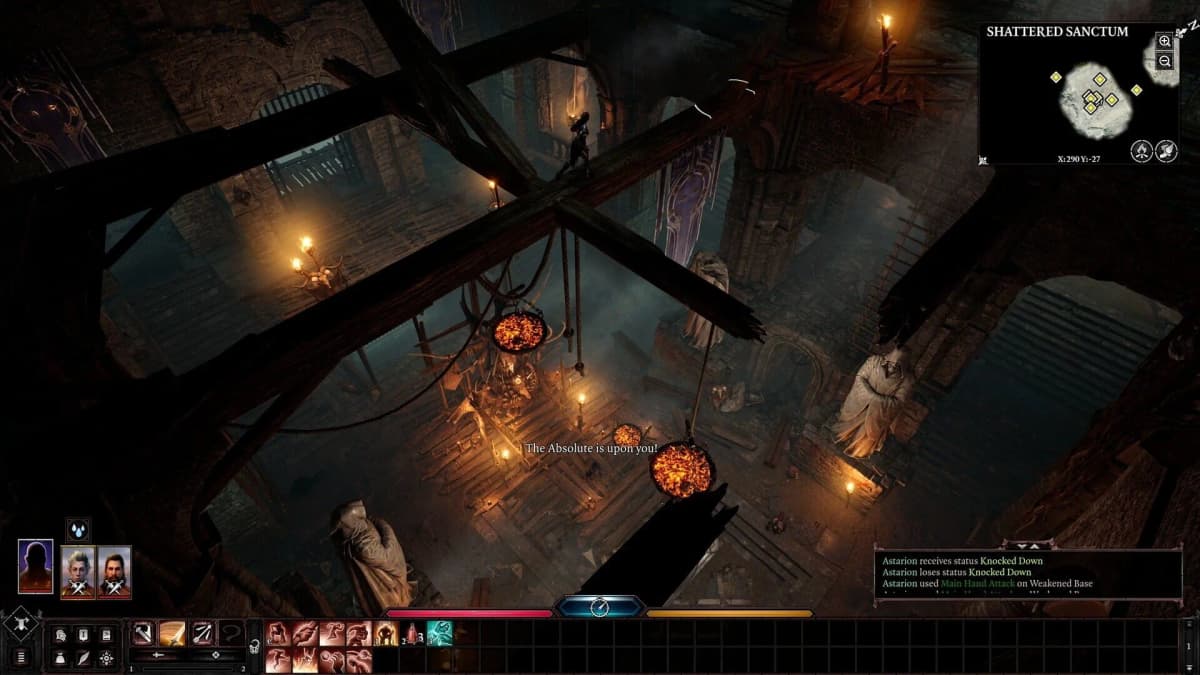
The writers HBO left on the sidelines
Michael Douse’s reaction matters less as internal drama and more as an authenticity alarm. He’s publicly celebrated the Larian writers’ grind — years of iterative character work and branching scripting — and his social posts have mocked the idea of excluding those creators. That isn’t just pride talking: the game’s narrative texture arises from design choices, tabletop sensibilities, and flexible scripting that TV writers don’t routinely do.
When a studio hands its story to outside writers, mistakes aren’t just tonal — they’re structural. A headline-making example is how adaptations often simplify player agency into a fixed character arc. For a game whose appeal is agency, that’s not a small loss; it’s a change in what the property is.

We should also note why HBO greenlights this in the first place
HBO’s moving on a guaranteed attention magnet. Baldur’s Gate 3 is still on the cultural menu: it shows up in multi-platform deals roundups and even in stories about Elon Musk pausing an AI update because his chatbot didn’t answer BG3 questions well, according to PC Gamer and 3DJuegos reporting. That kind of persistent relevance sells subscriptions and headlines — and TV networks want what games can bring: fandom, conversation, and merch opportunities.
The question nobody’s asking (but should)
What does “sequel” mean here? Will HBO pick a canonical ending and run with it, or build a story that acknowledges branching timelines? Will Larian be credited as creative consultants, or will the studio be relegated to “inspired by” billing while the show follows an outside writer’s single-thread vision? Those details will determine whether the series enlarges the IP or undermines the game’s core promise of player authorship.
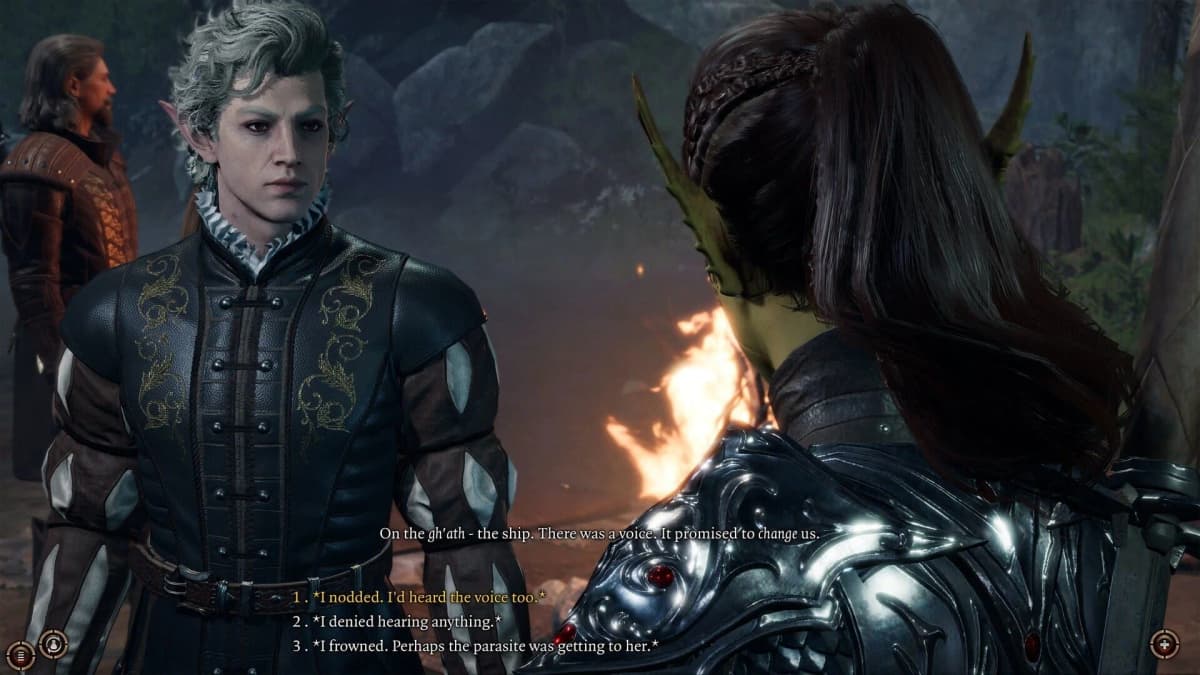
What to watch — specific signals, not vague hopes
- Watch for writing credits on the pilot: any “developed with” or script credits for Larian writers are a good sign.
- Keep an eye on Mazin’s statements about canon — if he announces a single canonical path, expect pushback.
- Look for Larian in production docs or casting notices. A long gap before Larian’s involvement is announced usually means creative distance, not collaboration.
- If the show bills itself as a sequel but avoids player-choice mechanics in promotion, that’s the point where the series stops being a Baldur’s Gate experience and becomes an HBO fantasy with the name attached.
HBO’s choice is commercially sensible. The creative risk is real. Swen Vincke’s cautious optimism is worth noting; Michael Douse’s public protectiveness is the check this kind of project needs. If the showrunner and network want the loyalty of the game’s audience, the smartest, least headline-driven move is obvious: involve the people who wrote the game’s branching soul.
TL;DR
HBO’s Baldur’s Gate 3 sequel has name recognition and a respected showrunner, which explains the move. Larian’s CEO is cautiously optimistic; the studio’s publishing director is openly skeptical about HBO excluding Larian writers. The next sign of whether this will be a faithful expansion or a prestige TV re-skin will be writing credits, early scripts, and how the show handles the game’s central mechanic: player choice.
FinalBoss // Gear
Level up your setup
01Top-rated gaming headsetson Amazon→02High-refresh gaming monitorson Amazon→03Gaming chairson Amazon→04Discounted game keyson Kinguin→Affiliate links · As an Amazon Associate, FinalBoss earns from qualifying purchases.
Want to Level Up Your Gaming?
Get access to exclusive strategies, hidden tips, and pro-level insights that we don't share publicly.
Ultimate Gaming Strategy Guide + Weekly Pro Tips