
This caught my attention because Baldur’s Gate 3 is one of the rare modern RPGs whose narrative complexity – hundreds of hours of player-led character work, branching endings and emergent scenes – feels fundamentally interactive. Turning that into a TV show is a fascinating artistic challenge, not just a licensing exercise.
Table of Contents (4)
Baldur’s Gate 3 on HBO: A High-Profile Adaptation Faces an Uncomfortable Question
- HBO is developing a TV series inspired by Baldur’s Gate 3, directed by Craig Mazin; it will pick up after the game’s events.
- Larian Studios reportedly has minimal involvement; publishing director Michael Douse is openly skeptical TV can match the game’s narrative depth.
- Mazin is a devoted fan (says he’s spent “nearly 1,000 hours” in BG3) and will have story freedom; how he handles branching outcomes and player agency is the key challenge.
- Fans should expect a canonical, linear take that complements the game – not a substitute for the player-driven experience.
{{INFO_TABLE_START}}
Publisher|HBO
Release Date|TBA
Category|TV adaptation
Platform|HBO / HBO Max
{{INFO_TABLE_END}}
News broke that HBO is adapting Baldur’s Gate 3 into a series directed by Craig Mazin (Chernobyl, The Last of Us). Deadline reports Mazin will “have freedom over the direction of the story” and that the show “will pick up where Baldur’s Gate 3 left off.” Larian CEO Swen Vincke framed the game’s endings as “narrative soil” for new adventures, and says Mazin has reached out to consult. But other reporting and comments from Larian staff suggest the studio’s involvement will be limited.
That limited involvement is important context. Michael Douse, Larian’s director of publishing, was blunt: he credited Larian only insofar as “we made it popular enough for it to be referred to as Baldur’s Gate 3,” and expressed real reservations about whether TV can do their writers justice. He praised the studio’s storytellers, saying “I genuinely don’t think anyone can trump our writers,” and added he wouldn’t personally want to help on the show if offered.
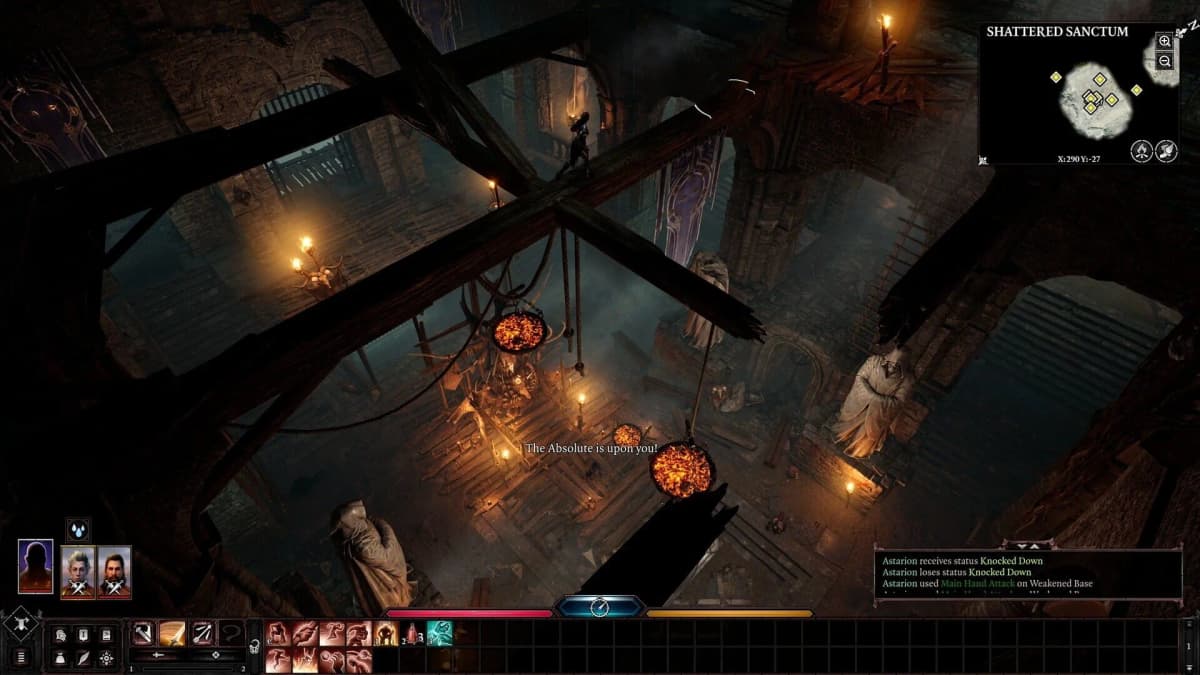
Why this adaptation is harder than it looks
There are two separate but connected risks in adapting BG3: narrative compression and the loss of agency. BG3’s storytelling is expansive because it’s interactive. Characters evolve across dozens of hours based on player choices; outcomes diverge wildly depending on party composition and moral decisions. A TV show has to pick a single through-line. That means either choosing one canonical ending, crafting a new path that sits “after the game,” or collapsing multiple possibilities into a compromise — each choice will anger some portion of the player base.
Craig Mazin’s attachment is a double-edged sword. He’s proven he can shepherd prestige television and adapt games (The Last of Us) into an emotional, widely praised series. He also says he’s a huge fan of BG3 and has spent extensive time in it — the fan perspective matters. But The Last of Us was a linear story built from the ground up for one medium; BG3’s essence is interactivity. Mazin’s creative freedom could produce something brilliant, or simply the best possible linear adaptation of a branching game — a distinction that matters.

What this means for fans and newcomers
For fans: temper excitement with realism. Expect a high-production HBO show that borrows characters, tone and lore from Larian’s BG3 — but not a literal translation of the player experience. If you loved the game for its agency and reactive world, the series can’t replace that. It can, however, deepen the franchise’s cultural footprint and bring certain characters to life in ways TV can excel at: performance, visual worldbuilding and serialized character drama.
For newcomers: this could be a great entry point into the world of Baldur’s Gate and wider D&D fantasy. But viewers should be aware that the show will likely present a single canon and that the game remains the definitive, interactive way to experience those stories.
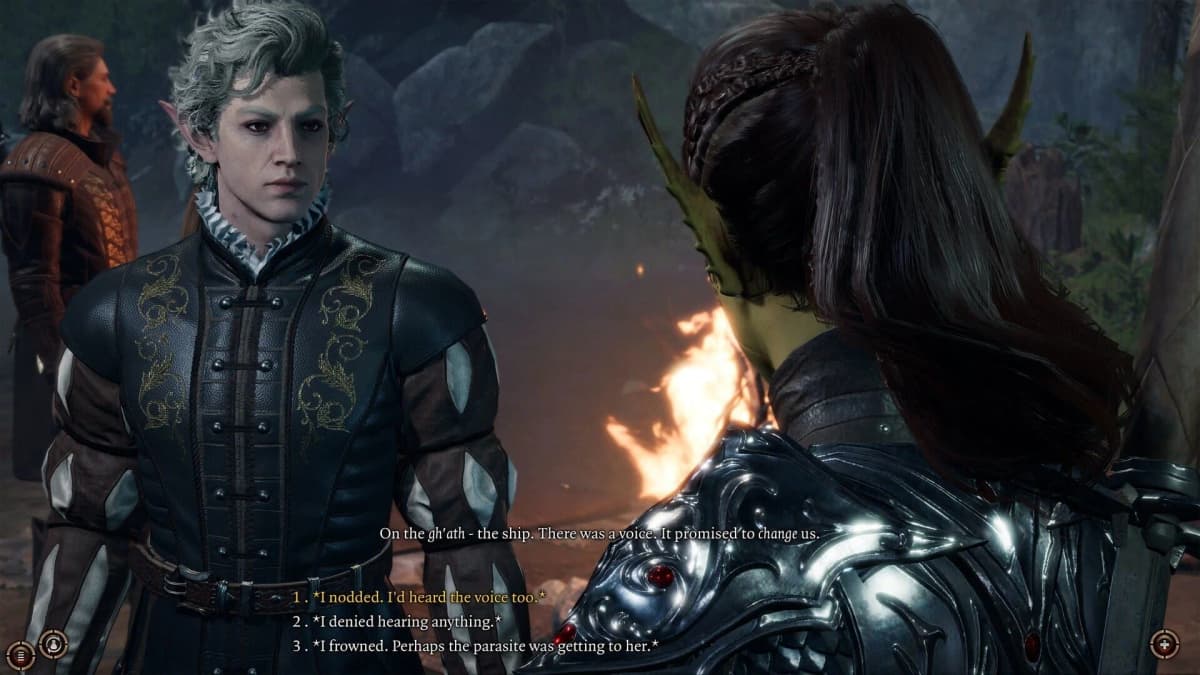
Finally, Larian’s decision to step back aligns with its current focus: Vincke hinted they’re turning attention to their own IPs (Divinity), and Douse’s reluctance to participate signals a studio protective of its creative voice. That’s a healthy instinct; partnerships work best when the original creators have meaningful input. Without it, the adaptation risks becoming a well-made but ultimately separate interpretation.
TL;DR
HBO’s Baldur’s Gate 3 series is real and has a passionate, experienced showrunner in Craig Mazin — but Larian’s involvement looks limited and the studio’s publishing director doubts television can replicate the game’s branching narrative and player-driven depth. Treat the series as an ambitious companion piece, not a replacement for the game.
FinalBoss // Gear
Level up your setup
01Top-rated gaming headsetson Amazon→02High-refresh gaming monitorson Amazon→03Gaming chairson Amazon→04Discounted game keyson Kinguin→Affiliate links · As an Amazon Associate, FinalBoss earns from qualifying purchases.
Want to Level Up Your Gaming?
Get access to exclusive strategies, hidden tips, and pro-level insights that we don't share publicly.
Ultimate Gaming Strategy Guide + Weekly Pro Tips