
Heart Electric mashes hero shooter, extraction, and BR
Game intel
Heart Electric
Stay one step ahead of the shifting balance of power in this 4-team Hero FPS. Heart Electric challenges you to outwit, outplay, and ultimately eliminate three…
Why Heart Electric grabbed my attention
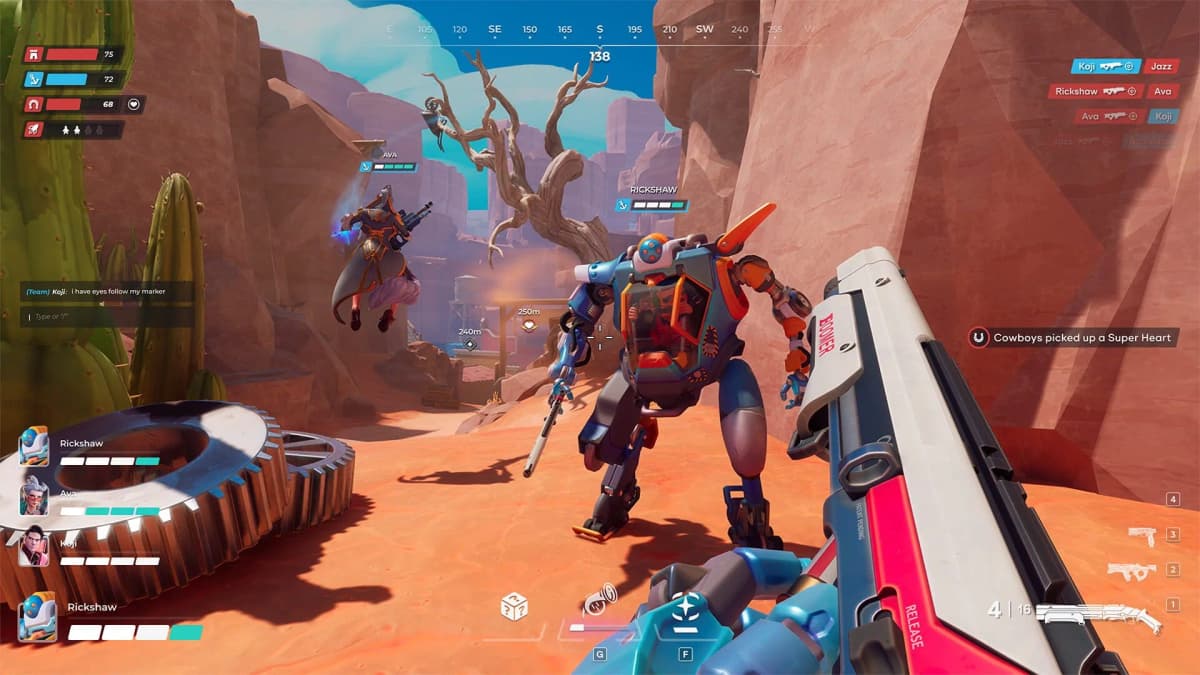
Heart Electric pinged my radar because it’s aiming straight at a gap a lot of us feel: tactical shooters that reward teamwork and smart plays without asking for a two-hour Tarkov marathon or the chaotic churn of a 60-player BR. Built by a crew of ex-Helldivers 2 and Battlefield devs, it’s a bright, high-readability FPS with 4v4v4v4 squads, hero abilities, and a risky “flux” economy that fuels respawns and late-match power spikes. After delaying its original test window to avoid clashing with Arc Raiders (a wise move given the audience overlap), a global playtest runs October 24-26 on PC, with sign-ups live now.
Key takeaways
- 4 teams of 4 enter, but the match flow evolves: hero-shooter opening, extraction-like midgame, BR-style finale.
- “Flux” and heart-hacking introduce a real risk/reward loop for respawns and momentum.
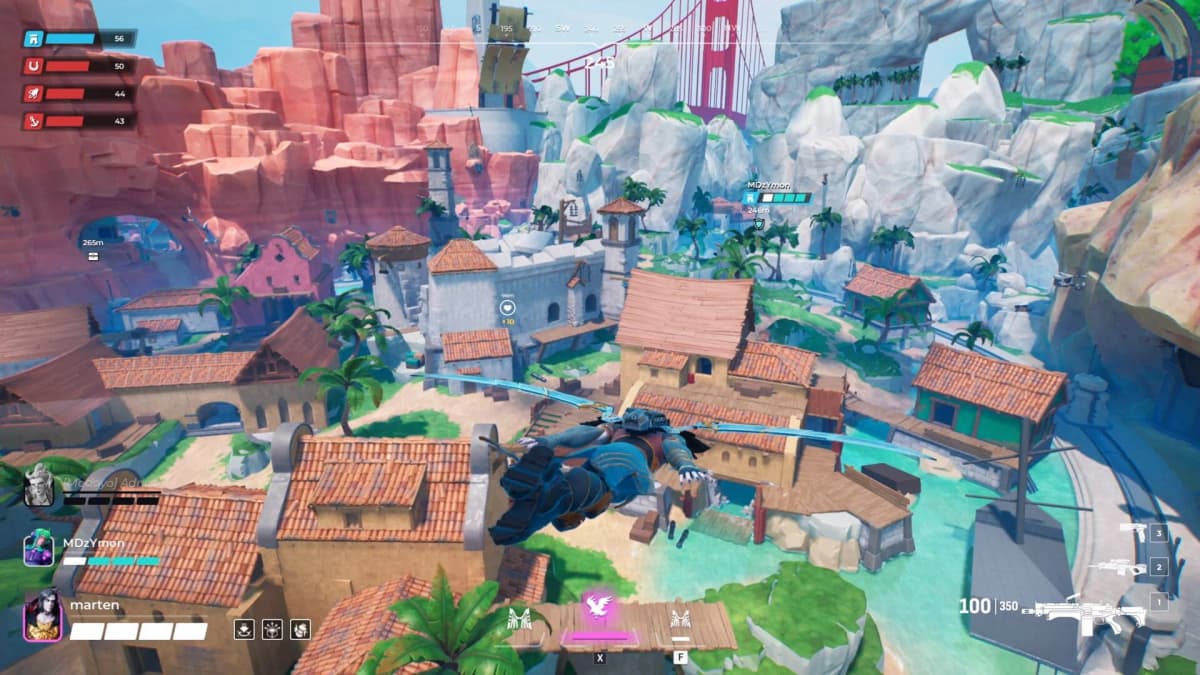
- Bright visuals, readable effects, and hero roles aim to keep chaos tactical, not noisy.
- The big question: can they balance third-partying with objectives and keep time-to-kill fair?
Breaking down the announcement
Heart Electric tries something most studios shy away from: stitching together three subgenres inside a single 16-player match. The opener plays like a classic hero shooter-abilities, fast rotations, and quick skirmishes. Mid-match, it pivots into extraction-adjacent play, where squads contest and “hack hearts” to harvest energy. That energy translates into respawns and, crucially, flux-the match currency that asks you to gamble. Bank it for safety or spend it for tempo? Finally, the map funnels down into a battle-royale-style showdown between the last teams standing. Think objective-driven momentum with an arena climax rather than a 20-minute loot crawl.
On paper, it’s smart design. The early phase spotlights mechanical skill and ability synergy; the middle rewards route planning, info gathering, and risk management; the end forces decisive plays under pressure. If the transitions feel seamless-no dead air between phases, no whiplash in pacing—this could scratch multiple itches in a 12-18 minute session.
Why this matters now
We’re in a weird spot with shooters. Extraction games punish your time if you lose. Battle royales often devolve into third-party fiestas. Hero shooters can become ult-economy spreadsheets. Heart Electric’s pitch is to siphon the best moments from each without the baggage. The Helldivers 2 pedigree gives me hope on the “controlled chaos” front—Arrowhead folks know how to make cooperative pressure feel fun instead of unfair. The Battlefield DNA should help with gunfeel and macro flow, which is critical when four squads are constantly sniffing for openings.
The tone also matters. The art direction is bright and readable, which is basically a quality-of-life feature. Clear silhouettes and effects reduce accidental third-party wipes and ability confusion. If you’ve ever lost a fight because you literally couldn’t see the enemy through particle soup, you know why this is important.
The gamer’s perspective: promise and pitfalls
What I like: the “flux” idea ties your economy to on-map risk. If respawns and late-match utilities ride on flux, every decision matters—do we chase a wounded team for their stash or bank what we have and rotate? That’s the kind of tension that creates stories without forcing grind. I’m also into 4v4v4v4 as a sweet spot: enough squads for flanks and counterplays, but not so many that you’re third-partied every time you commit.
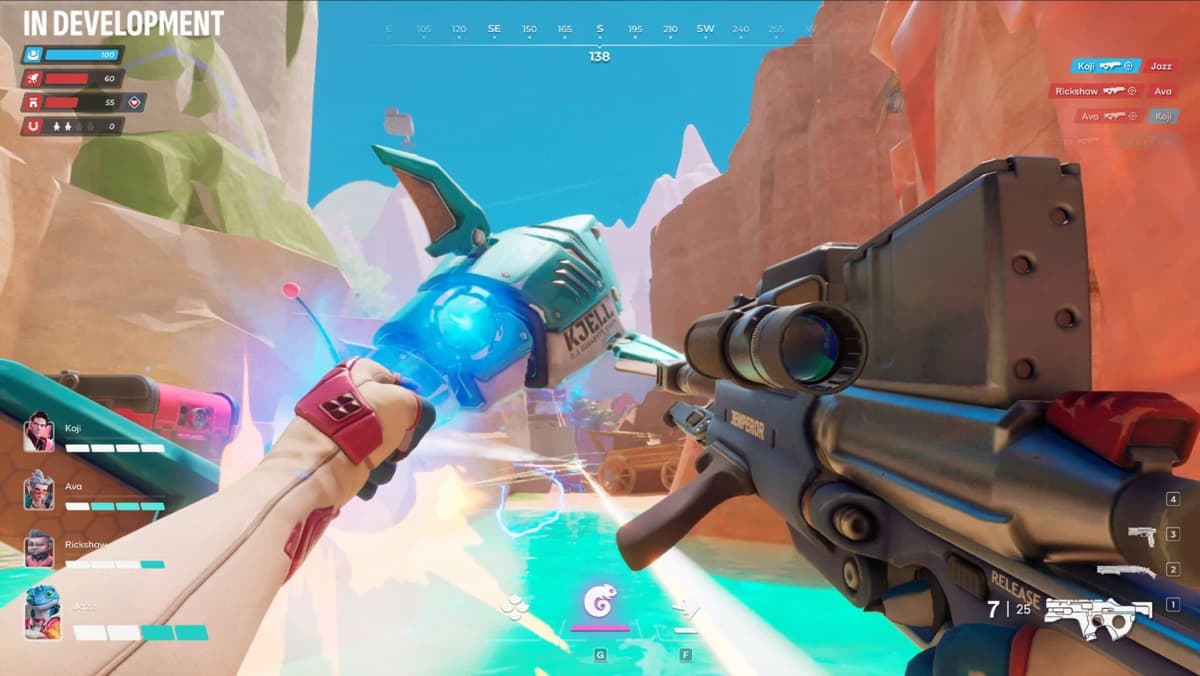
What I’m watching closely: time-to-kill and audio. If TTK is too low, hero abilities won’t matter; too high and it becomes a heal-bot meta. Footstep clarity and vertical audio will make or break fair fights when four squads converge. I also want to see how “heart” objectives broadcast their presence. If you can ambush every hack with zero counterplay, teams will turtle and the midgame dies. Smart broadcast windows or map pings could create contestable moments without pure cheese.
Balance-wise, hero shooters live and die by ability stacking. A single over-tuned stun or displacement can decide every teamfight. The playtest needs wide pick rates and frequent hotfixes. And yes, I’m going to ask the awkward question now rather than later: how is this monetized? A free-to-play model with a cosmetic battle pass is fine, but paid heroes or paywalled loadout options would instantly kneecap the tactical promise.
Want to Level Up Your Gaming?
Get access to exclusive strategies, hidden tips, and pro-level insights that we don't share publicly.
Ultimate Gaming Strategy Guide + Weekly Pro Tips
Hands-on soon: what to test during the playtest
- Objective pacing: Do heart-hack windows create fair contests or easy ambush bait?
- Flux economy: Are respawns and ability spikes too cheap or too punishing to chase?
- Third-party pressure: Can you finish a fight without being instantly dogpiled?
- Hit-reg and performance: 16 players with ability spam needs crisp netcode and readable effects.
- Role identity: Do heroes feel distinct without hard-counter rock-paper-scissors nonsense?
Practical bits: the global playtest runs October 24-26 on PC, with sign-ups open now. Controller support and console plans aren’t confirmed yet, so expect a mouse-and-keyboard-first feel. The team delayed their earlier test window to avoid Arc Raiders, which tells me they’re paying attention to audience bandwidth—a rare case of smart scheduling in a crowded month.
Looking ahead
If Heart Electric nails its match flow, it could be the go-to “one more round” shooter—tight, readable, and strategic without the time tax. But hybrid designs are notoriously brittle. A wobbly midgame or a lopsided hero meta can collapse the whole house of cards. I’m cautiously optimistic because the studio’s background suggests they understand pressure, pacing, and spectacle. Now they have to prove they can stitch it all into a format that respects player time and skill.
TL;DR
Ex-Helldivers 2 and Battlefield vets are cooking a 4v4v4v4 FPS that blends hero shooter skirmishes, extraction-like heart-hacking, and a BR-style finale—powered by a risky “flux” economy. The October 24–26 playtest will reveal if the balance, audio, and pacing can turn a bold pitch into a must-play tactical loop.