
Heart Electric’s Magnet-Powered Movement Could Shake Up Hero Shooters—If The Netcode Can Keep Up
Game intel
Heart Electric
Stay one step ahead of the shifting balance of power in this 4-team Hero FPS. Heart Electric challenges you to outwit, outplay, and ultimately eliminate three…
Magnet-Powered Mayhem Could Be the Fresh Shot Hero Shooters Need
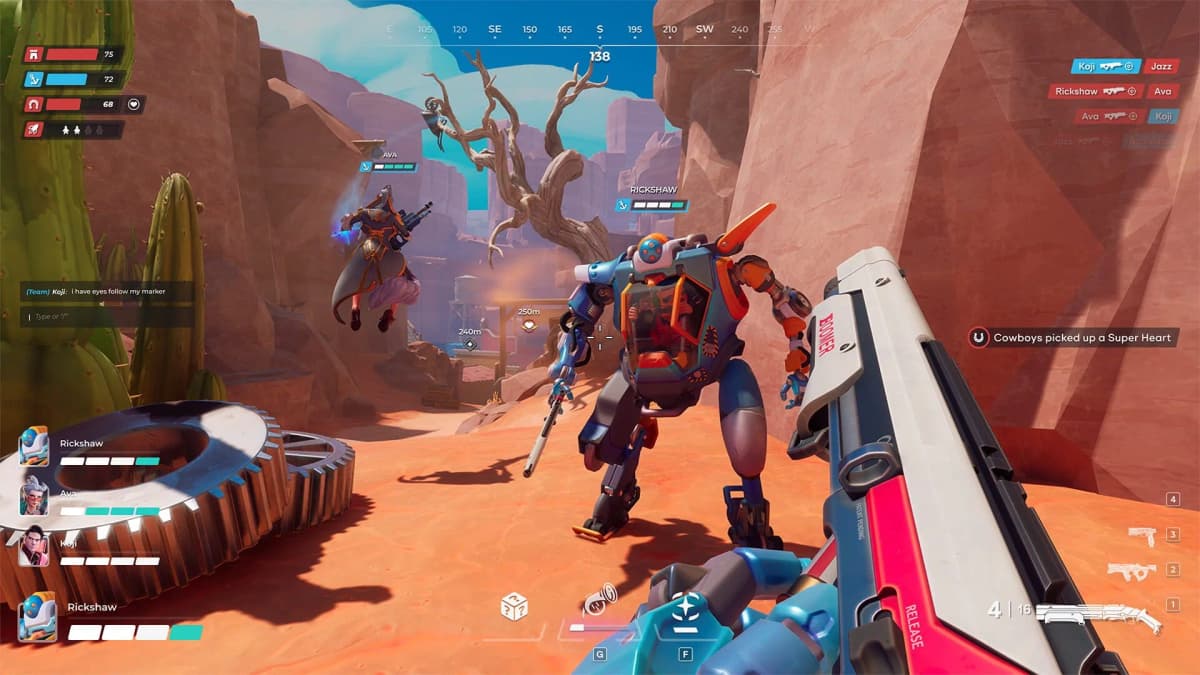
Heart Electric caught my eye for one simple reason: movement defines modern shooters. Titanfall’s wall-running, Tribes’ skiing, The Finals’ vertical chaos-when a game nails traversal, everything else gets more exciting. Modoyo’s “Magnetic Flux” promises exactly that: manipulating metal to slingshot yourself through arenas, fly, and bend fights around your momentum. That’s a bold swing for a debut studio, and it’s the kind of mechanic that can make or break a competitive shooter.
The global PC playtest runs October 24-26 with four teams of three battling to drain each other’s energy across three arenas, multiple heroes, customizable loadouts, and global leaderboards. It’s Unreal Engine 5 under the hood with SnapNet handling the networking. The studio says community feedback pushed them to allow Magnetic Flux mid-air-smart change that screams high skill ceiling, but also raises questions about readability and netcode.
Key Takeaways
- Magnetic Flux is the pitch: true 3D movement, metal manipulation, and mid-air control could set Heart Electric apart.
- Four-team, energy-steal format mixes extraction vibes with a shrinking endgame-third parties will constantly crash your plans.
- UE5 plus SnapNet needs to deliver buttery netcode; high-speed physics and magnets will expose any latency jank instantly.
- Playtest scope looks decent (3 arenas, multiple heroes, loadouts, leaderboards), but long-term success hinges on balance and clarity.
Breaking Down the Announcement
Here’s the bare-bones: the playtest runs Friday to Sunday, October 24-26, on PC. Matches pit four trios against each other to drain opponent energy using “Hearts” that let you steal from bases. Kills force respawns that sap energy, and when it’s down to two teams the dome drops, the arena shrinks, and it’s a sprint to the finish. Multiple heroes bring unique abilities; loadouts are customizable; leaderboards track your standing. The star feature, Magnetic Flux, now works mid-air, letting you chain movement and combat plays instead of being locked to surfaces.
On paper, it’s a spicy blend: multi-team skirmishes like The Finals, a final-circle squeeze echoing battle royale, and a steal-and-escape loop reminiscent of Gambit’s back-and-forth pressure in Destiny 2. The question is whether these parts harmonize or turn into unreadable chaos.
Why This Matters Now
Hero shooters are in a weird spot. Overwatch 2 is still massive but divisive. Newcomers survive only if they deliver an identity that’s instantly felt in your hands. Movement is the fastest way to do that. If Magnetic Flux gives consistent, expressive control—think “I pulled a scrap wall to me mid-flight, reversed polarity to slingshot, then flanked a duo” moments—Heart Electric could carve its niche fast.
The flip side: high-speed, 3D movement multiplies balance challenges. Ability readability, sound cues, and counterplay need to be crystal clear or casual players bounce. If veterans rocket around while everyone else watches killcams, retention tanks. The team’s willingness to tweak Flux based on playtest feedback is promising, though. Iteration is everything in live shooters.
The Tech Hurdle: Netcode and Physics Don’t Forgive
Modoyo cites SnapNet alongside UE5. That’s a hint they know the stakes. When your core mechanic is magnetic grappling and mid-air momentum, bad interpolation turns highlights into rage clips. We’ve all felt it: you’re sure you dodged, server says “actually, no,” and you pop like a grape. Magnets tugging objects and players across the map will magnify any desync. Client-side prediction, hit registration under acceleration, and server authority on physics will make or break this experience.
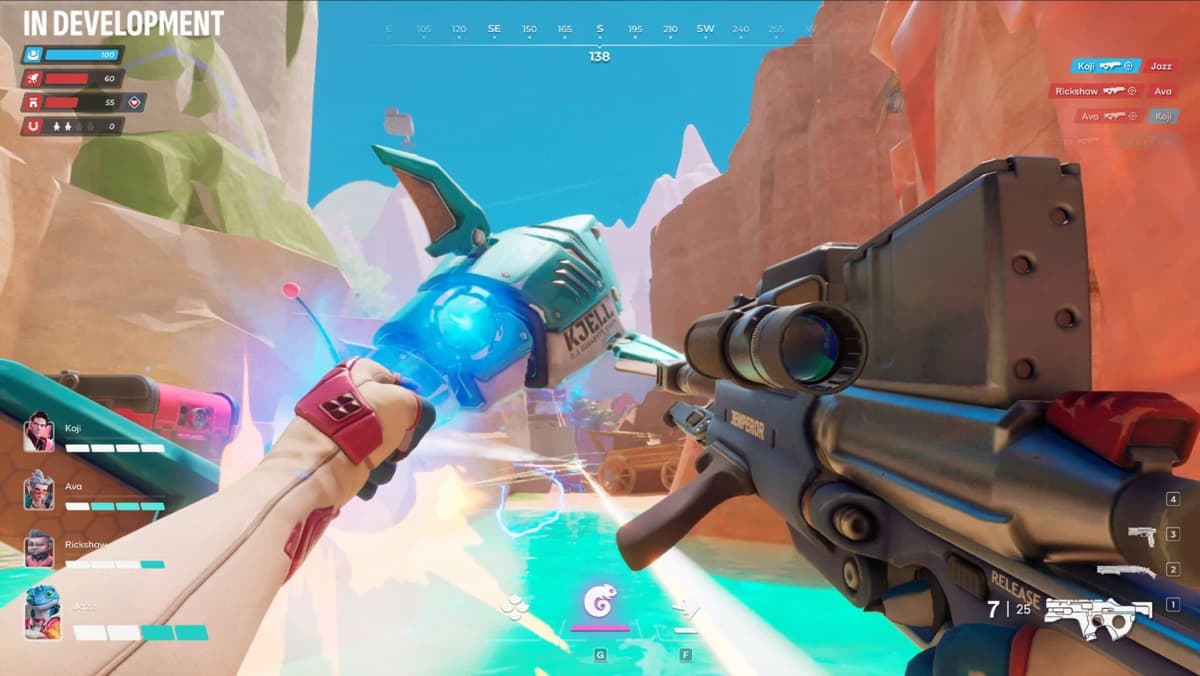
I’ll be paying attention to how Flux feels at mid-to-high ping and whether heavy movement produces whiffed shots or rubber-banding. If the tech holds, the ceiling is sky-high. If not, that ceiling collapses fast.
Mode and Meta: Third Parties All Day
Four teams of three changes the rhythm. You’re never safe. Going for a Heart to siphon energy basically broadcasts “third-party us, please.” That can be great—chaotic, clutch-heavy, highlight-friendly. It can also be frustrating if spawns, sightlines, and objective telegraphs aren’t tuned. The endgame shrink is a smart equalizer, forcing engagements instead of turtling, but TTK and sustain abilities need careful tuning or the last circle becomes a stun-lock soup.
Loadout customization alongside hero abilities is a balancing minefield. If Flux movement combos with a handful of must-pick guns or perks, variety dies. The playtest needs to surface hard data (hello leaderboards) and let players feel counters clearly—magnetic traps and ambushes sound spicy if counters are intuitive.
Studio Context: Big Ideas from a Familiar Shooter Brain
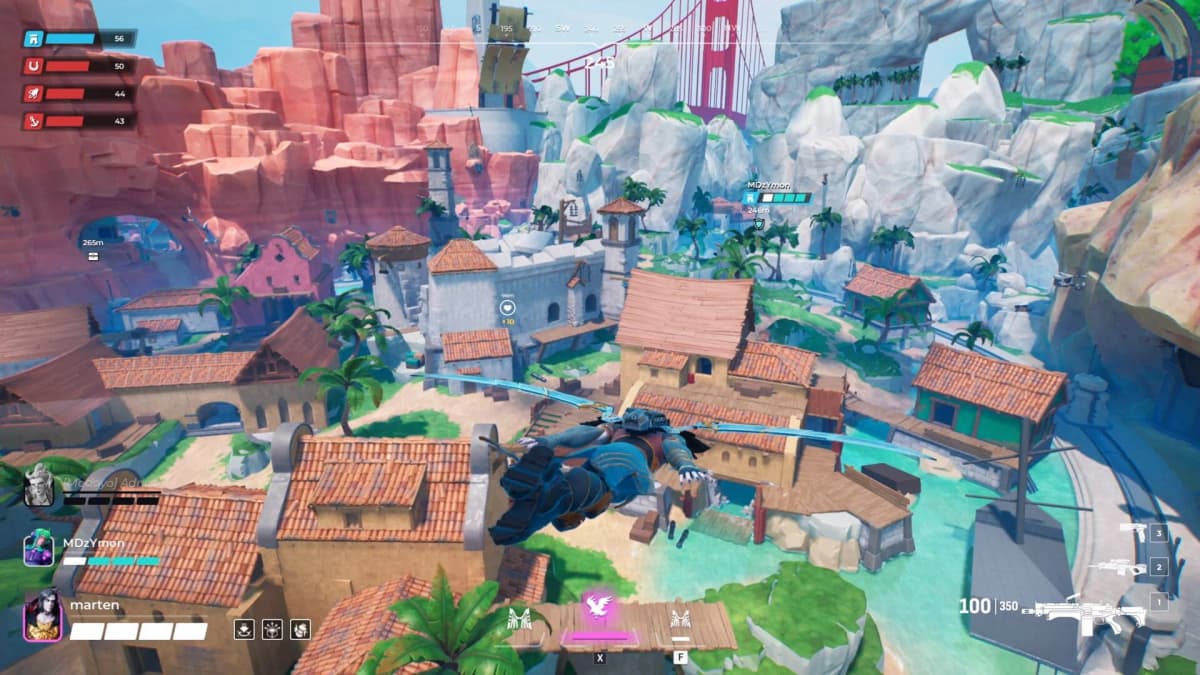
Modoyo is new, but Creative Director Niklas “Figge” Fegraeus is a Battlefield and Star Wars Battlefront veteran—very much part of Sweden’s shooter lineage that gave us DICE, Fatshark, and more recently Embark’s The Finals. That pedigree matters. It also sets expectations: smooth gunfeel, clean UI, strong audio, and sensible matchmaking. Being indie means resources are tighter, but their willingness to change core movement mid-development suggests they’re actually listening—a good sign in a genre that lives and dies by iteration.
What I’ll Be Watching in the Playtest
- Flux feel and readability: Does mid-air control feel deliberate, and can you track opponents without motion sickness?
- Netcode under stress: How do magnets and high-speed fights behave at 60-100ms ping?
- Map metal density: Are there meaningful routes for every role, or do arenas force the same lines?
- TTK vs mobility: Can players actually finish fights, or does perpetual escape dominate?
- Hero/loadout diversity: Multiple viable comps or one “mag-fly shotgun” meta within 24 hours?
- Onboarding: Quick explanation of Flux, traps, and Hearts, or a sink-or-swim mess?
Sign-ups are via the game’s Steam page and social channels. It’s a short weekend test, so expect rough edges—but also the kind of data a studio needs before talking early access or broader launches.
TL;DR
Heart Electric’s Magnetic Flux is a genuinely fresh hook in a crowded genre, and the four-team energy heist mode could produce nonstop third-party chaos. If SnapNet and UE5 deliver silky netcode and the team keeps iterating on readability and balance, this could be the next movement shooter worth grinding. If not, it’ll be another cool trailer that couldn’t survive latency and meta creep.