
Heart Machine Halts Hyper Light Breaker — What This Really Means for Players
Game intel
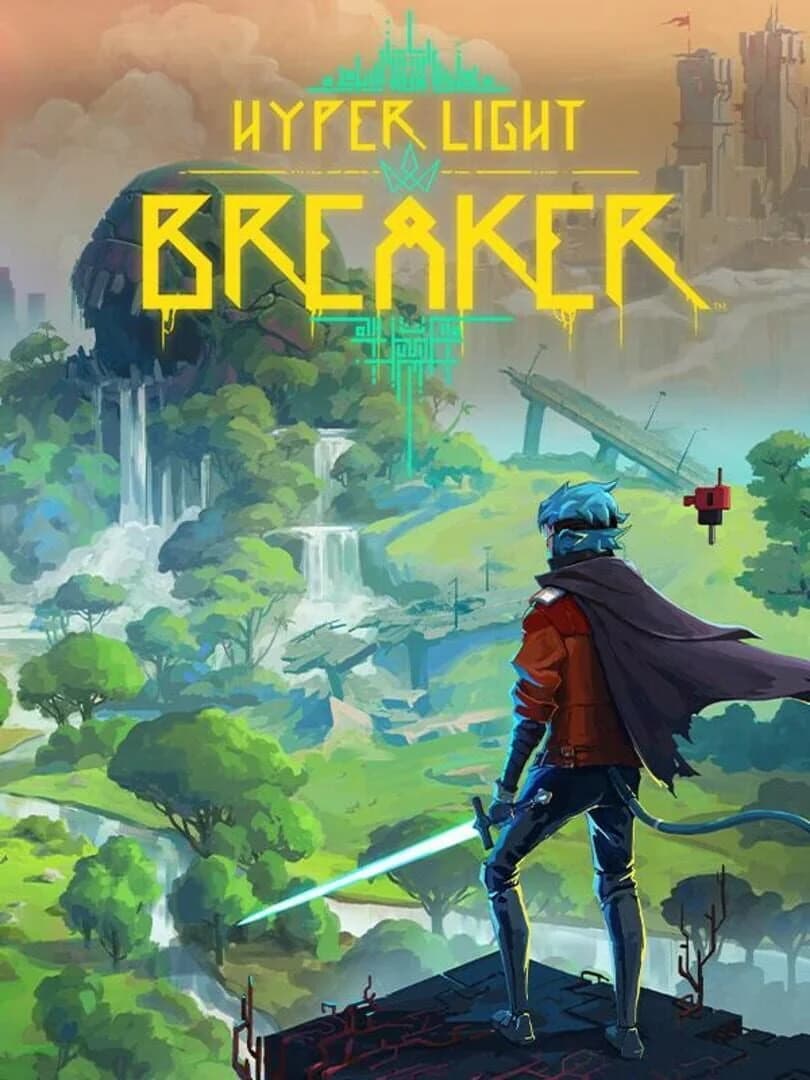
Hyper Light Breaker
Enter the Overgrowth, a new land in the world of Hyper Light. Play alone or with friends to explore massive biomes, defeat brutal monsters, create new builds,…
Why This News Hit Hard
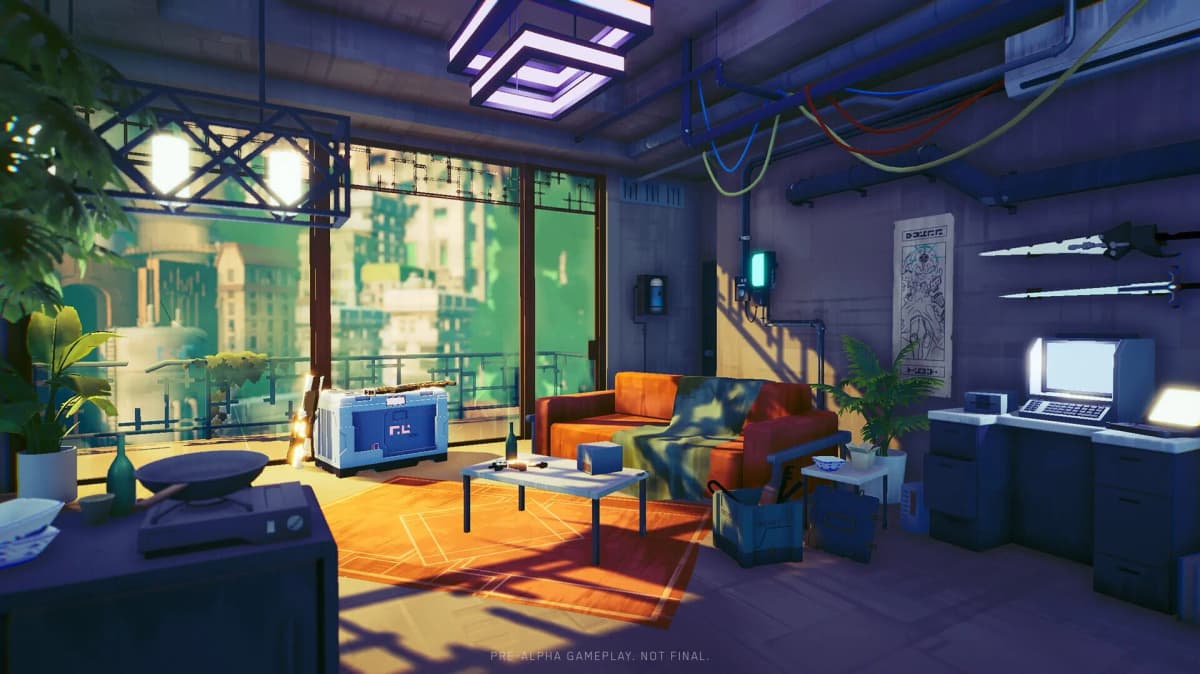
This one stings. Hyper Light Drifter was a defining indie of the 2010s and Solar Ash proved Heart Machine could make movement feel sublime in 3D. Hyper Light Breaker looked like the studio’s boldest swing yet: a 3D open-world, co-op roguelite set in the Hyper Light universe. Hearing the studio has ended development just months after its January Early Access launch-and is laying off staff-feels like a gut punch for fans and a warning sign for anyone who relies on Early Access as a promise rather than a maybe.
Key Takeaways
- Development on Hyper Light Breaker has stopped; don’t expect a 1.0 or major new content.
- Layoffs are tied to shifting funding and industry consolidation-headwinds every indie is feeling.
- Early Access trust takes another hit; paying early is not a guarantee of a finished game.
- Heart Machine’s smaller project, Possessor(s), now sits in a fog of uncertainty.
Breaking Down the Announcement
Heart Machine cites changes in financing and broader corporate consolidation as the drivers behind the decision. None of that is abstract if you’ve followed the last two years of publisher reshuffles, buyouts, and closures. The studio already cut staff late last year, presumably hoping Early Access momentum would stabilize the project. It didn’t. And that’s the painful truth: even a respected indie with a recognizable IP can’t outpace a cold market and rising costs.
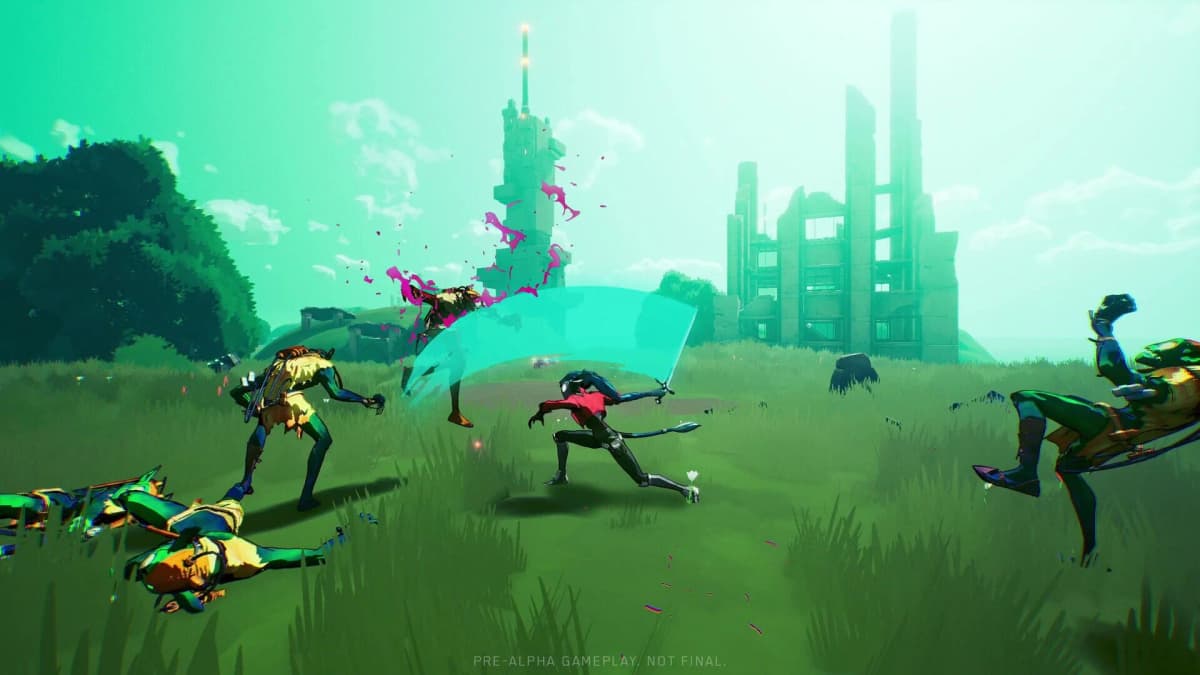
It’s not hard to see why Breaker was a tough bet. It layered an ambitious open-zone structure with procedural roguelite runs and three-player online co-op, plus traversal toys—gliders, hoverboards, wall-running—that all need tuning. That’s expensive to build and even more expensive to polish. Early Access feedback flagged performance hiccups, bugs, and a loop that didn’t fully click for players expecting Drifter’s razor-sharp combat in a new shell. When the runway shortens, you ship or you stop. Heart Machine chose to stop.
Publisher-wise, Arc Games (the rebranded Gearbox Publishing) was on the label, but it’s the bigger market reality that bites here: discoverability costs more, player expectations are higher, and “we’ll fix it in Early Access” isn’t a safety net when the opening weeks underperform.
What Players Need to Know Right Now
- The current build is it. Don’t expect new biomes, bosses, or systems. If there are any patches, treat them as a bonus, not a plan.
- Co-op will work as long as the existing infrastructure stays up, but longevity without active support is always a question mark.
- If you already enjoy the feel—dashing, boarding, winging across the Overgrowth—there’s fun to squeeze out of the current sandbox. Just temper expectations.
- If you were on the fence, wait. Watch how (or if) stability and server availability hold. Early Access should be opt-in, not a leap of faith.
And because someone will ask: don’t expect console versions now. With development halted, that conversation is over. As for refunds, check the platform’s standard policy; the studio calling time doesn’t magically widen those windows.
Want to Level Up Your Gaming?
Get access to exclusive strategies, hidden tips, and pro-level insights that we don't share publicly.
Ultimate Gaming Strategy Guide + Weekly Pro Tips
The Bigger Picture: Early Access Isn’t a Promise
Early Access has produced some bangers—Hades, Vampire Survivors—but it’s also seen plenty of projects sunset quietly. The model works when a studio has runway, a tight core loop, and a clear roadmap it can actually hit. It falls apart when scope balloons or the money dries up. Breaker tried to be a systemic playground and a co-op roguelite in an iconic universe. That’s tantalizing on paper and brutally risky in practice.
For players, the lesson is to treat Early Access like a paid demo that may become a full game. If the “right now” value isn’t worth your cash, wait. For indies, the lesson is scope discipline and upfront clarity. If you’re promising an evolving world, you need the budget and time to back that promise—especially when your community arrives with Drifter-sized expectations.
What About Possessor(s)?
Heart Machine has been teasing Possessor(s), a more modest, stylish action-platformer with a moody sci-fi vibe. On paper, that smaller scope is exactly the kind of project that could survive a leaner environment. But with layoffs and funding shifts in the mix, caution is warranted. Until we see firm dates and hands-on impressions, assume timelines are fluid. I want this one to land—Heart Machine’s art direction and kinetic feel remain special—but hope isn’t a plan.
Practical Advice for Gamers
- If you own Breaker and like the movement, enjoy the sandbox as-is and squad up while you can.
- If you’re curious but cautious, wishlist and wait for community reports on stability over the next few months.
- Support devs where it matters: buy finished games you love, leave thoughtful feedback, and reward scopes that match budgets.
TL;DR
Heart Machine ended Hyper Light Breaker’s development and laid off staff, citing funding changes and industry consolidation. The Early Access build is effectively the final version, with co-op and content limited to what’s there now. It’s a sobering reminder: Early Access is a wager, not a guarantee—spend accordingly and keep expectations grounded.