
Developed by Rogue Factor and published by Nacon, Hell Is Us lands on September 4, 2025 for PlayStation 5, Xbox Series X|S, and PC. After wandering Elden Ring’s vast terrain, the Gamescom demo served up a welcome jolt: a grim, soulslike experience stripped of digital crutches. If you’re tired of waypoints cluttering your screen and maps that feel more like chores than tools, Hell Is Us might be the discovery-driven antidote you never knew you needed.
A Fresh Philosophy: Player Pattering
Abandoning mini-maps and compasses, Rogue Factor dubs its method “Player Pattering.” This design forces you to commit every ruin, shattered archway, and flickering neon sign to memory. Navigation becomes an exercise in observation, patience, and—and dare we say—pride when you finally retrace your steps without glancing at a single UI marker.
- Landmark Navigation: Towering statues, collapsed overpasses, broken monoliths—each landmark doubles as a signpost. The silhouette of a fallen wind turbine on the horizon might be your only guide back to safety.
- Mental Maps: There’s no shame in stopping to glance around. Every ruined café, every scorched courtyard, and every distant flare helps cement an internal atlas of a crumbling Europe.
- Audible Cues: The distant clang of a metal gate, the echo of distant gunfire or a lone siren—all these audio breadcrumbs pull you toward hidden alcoves or warn you of approaching threats.
This isn’t about making navigation a chore—it’s about weaving exploration into the core gameplay loop. Losing your way becomes an opportunity to unearth secrets you’d otherwise miss, and every successful return journey feels like an earned reward.
Crafted Dungeons, Not Recycled Mazes
In many soulslikes, dungeons can blend together in a blur of dark stone and repetitive corridors. Hell Is Us rejects that by creating purpose-built environments where level design and story merge. Each dungeon is a bespoke challenge, marrying environmental puzzles and visceral combat to craft moments you won’t soon forget.
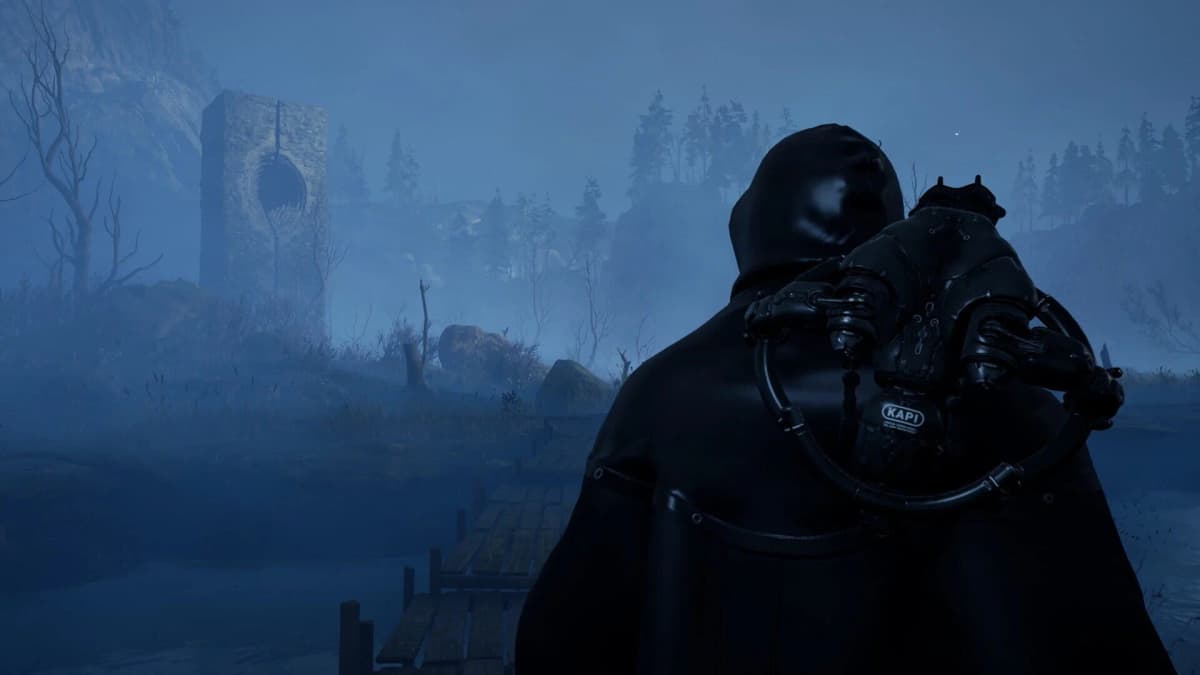
- Integrated Puzzles: Some sections require rerouting power through rusted conduits to open blast doors. Others hinge on timing—flip a valve just as a swinging truss knocks loose debris that clears your path or crushes enemies.
- Tension by Design: Lighting and hazards aren’t afterthoughts. A ruined cathedral might have a single torch flicker out, plunging half the room into darkness where hidden foes can strike. A toppled railing could send splintered wood flying at your feet, forcing quick repositioning.
- Memorable Set Pieces: Picture battling armoured juggernauts across a crumbling suspension bridge while acid rains down below. Or recalibrating pressure plates under fire to unlock a sealed vault mid-combat.
Such encounters reward both curiosity and skill. Wander off the beaten path, and you might discover an optional puzzle that unlocks a secret weapon or reveals a side story hinting at the world’s mysterious downfall.
Story Through Scenery
Creative director Jonathan Jacques-Belletête describes the world as “tight, crafted, deliberate.” Without HUD breadcrumbs, every environmental detail pulls narrative weight. Neon glare flickers across blood-splattered walls. Graffiti scrawls speak of resistance cells and whispered betrayals. Rusted machinery bears the scorch marks of past skirmishes.
Aside from scattered holo-recordings and whispered rumors, the game’s lore seep through environmental storytelling. In one district, broken propaganda posters hint at a failed evacuation. Down a flooded alley, overturned crates mark where desperate survivors stashed supplies. These fragments piece together a sci-fi dystopia teetering on collapse—one that begs exploration and interpretation.

Combat That Feels Earned
While many combat details remain under wraps, the demo made one thing clear: every scrap of stamina matters. Dodging, parrying, and unleashing combos flow together with satisfying weight and consequence. You’ll learn to exploit choke points, bait enemy strikes, and even use environmental hazards—like luring foes toward rusted crushers or exposed wiring.
Rogue Factor hints at customizable loadouts, letting you tailor weapons and gear to your playstyle—whether you favor a heavy-hitting axe, swift dual blades, or ranged disruptors that can juggle foes. Though full specs remain unconfirmed, the promise of on-the-fly weapon transformations suggests a dynamic combat loop where creativity trumps button-mashing.
Why This Matters for the Genre
Studios often chase the grandiosity of sprawling open worlds and near-impossible difficulty spikes. Hell Is Us takes the opposite approach—trimming away UI noise and padding to focus on deliberate design. Should it succeed, we may see a shift toward more thoughtful, discovery-driven soulslikes that trust players to learn, adapt, and explore on their own terms.
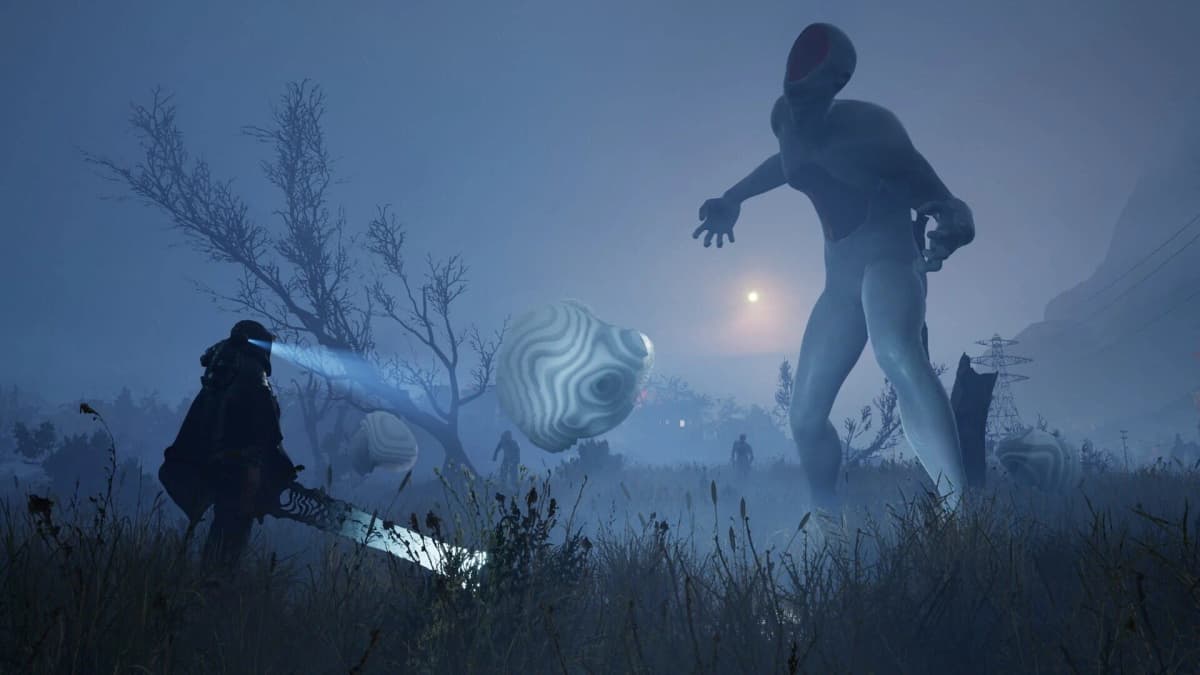
Imagine future titles where instinct replaces waypoint spam, where dungeons don’t just gatekeep loot but tell stories, and where every corner holds a puzzle, a clue, or a cinematic combat twist. That’s the ripple effect Rogue Factor aims to spark.
Release Details
Launch Date: September 4, 2025
Platforms: PlayStation 5, Xbox Series X|S, PC
If you’ve grown numb to waypoint highways and endless map markers, Hell Is Us might just be the breath of fresh—and ominous—air your soulslike obsession has been craving.