
Hell Is Us: The HUD-Free Dungeon Experience You’ll Obsess Over
Game intel
Hell is Us
If war is the closest we get to hell on earth, it's because Earth harbours the worst of demons: humankind. In an isolated country ravaged by infighting, discov…
Hell Is Us: The HUD-Free Dungeon Experience You’ll Obsess Over
From the moment I stepped into the ruins of Hadea without so much as a compass or map, Hell Is Us had me hooked. Developed by Rogue Factor and published by Nacon, this action-adventure drops you into a semi-open world stripped of HUD aids. Releasing September 4, 2025 on PC, PS5, and Xbox Series X/S, it dares you to rely on memory, sound, and environmental cues alone. After clocking several hours in a hands-on preview, here’s why I can’t shake the game’s bold approach to exploration and survival.
Zero HUD, Total Trust in Your Senses
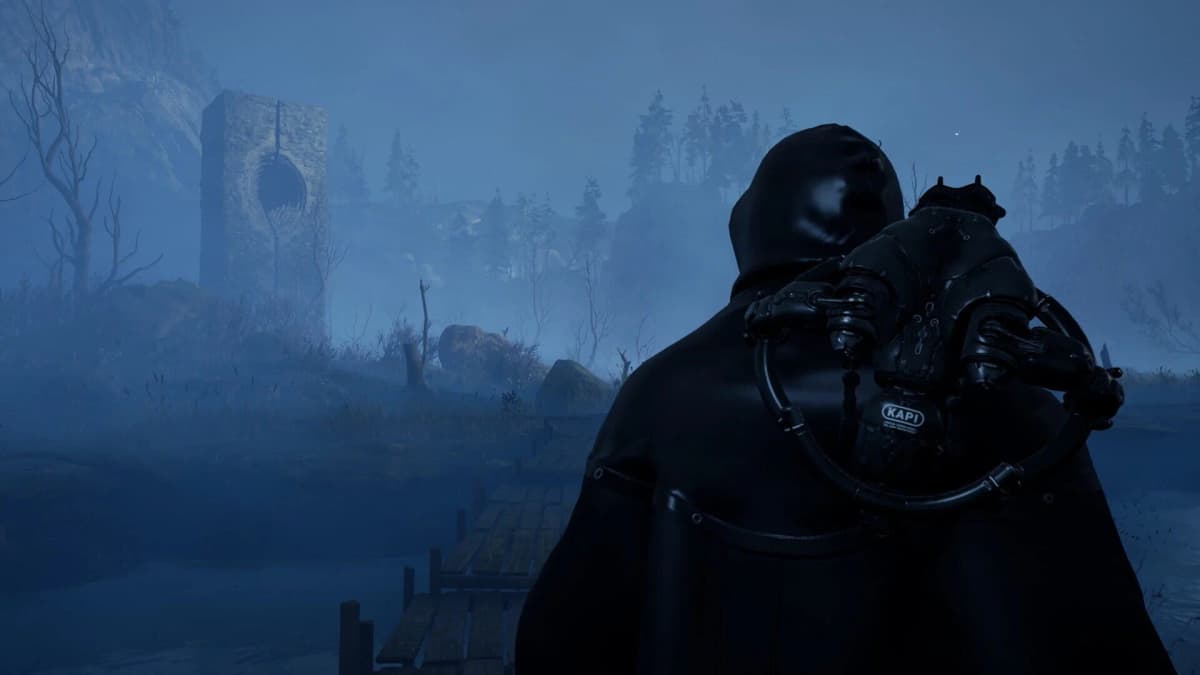
With no mini-map, quest markers, or waypoints outside of combat, every corridor and clearing becomes its own puzzle. You’ll learn to read chipped murals, flickering lanterns, and whispered NPC hints as navigational tools. That crumbled arch at the cliff’s edge? It’s not just set dressing—it might conceal a hidden tunnel. Miss a clue and you’ll backtrack, but rediscovering a locked door or deciphering a half-erased sign feels like a genuine triumph of observation.
A Living, Breathing War Zone
The fictional country of Hadea is more than a backdrop—it’s a character in agony. Bombed villages give way to spectral woods where the howling wind rattles broken shutters like distant footsteps. In one sequence, I crept through a half-collapsed chapel, every fallen pew, shattered stained-glass shard, and etched glyph telling a fragment of Hadea’s tragic past. Dynamic lighting shifts from the violet hush of dusk to the cold, silvery moonlight, turning every shadow into a suspenseful question.
Beyond the visuals, voice actors breathe life into scattered NPCs. Brief encounters with refugees or deserters reveal bits of protagonist Rémi’s origin as an ex-UN Blue Helmet, unearthing a supernatural calamity that tore Hadea apart. Even ambient chatter and distant gunfire feel scripted to deepen the sense of menace hanging over every village and forest clearing.
Brain-Bending, Physics-Fueled Puzzles
Each handcrafted dungeon is a showcase of clever design. In the Ashen Vault, you must position bronze statues so torchlight casts a perfect beam on a concealed glyph. Elsewhere, shifting rusted chains tips a gargantuan falcon statue just enough to slide open a hidden hatch. The realistic physics engine lets you swing wreckage to clear paths or nudge pillars onto pressure plates. Puzzle aficionados will relish the “aha” moments, while casual players can pause to admire the fine craftsmanship.
Relentless Combat That Keeps You Guessing
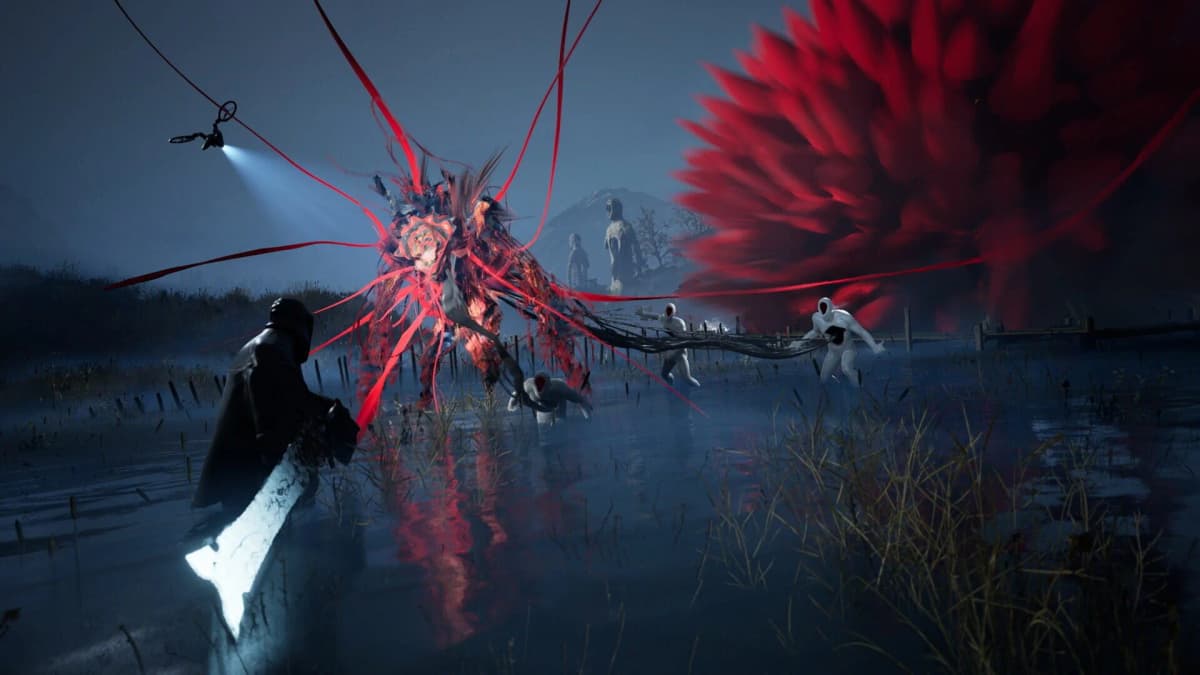
Combat briefly restores an overlay showing health and stamina, then vanishes mid-fight. You must time parries to the clang of steel, read a Hollow Walker’s feint, and dodge when the echo of its claws scrapes stone. Opponents adapt: some lurk in shadows before lunging, others shriek to draw you into traps. A subtle heartbeat audio cue and environmental hazards like collapsing walls can turn a standard skirmish into a high-stakes gamble. It’s the kind of precise, rhythm-based fighting that fans of Sifu and Soulsborne will appreciate.
Want to Level Up Your Gaming?
Get access to exclusive strategies, hidden tips, and pro-level insights that we don't share publicly.
Ultimate Gaming Strategy Guide + Weekly Pro Tips
Semi-Open World Freedom and Hidden Lore
Though dungeons are tightly crafted, the semi-open world loops back on itself in satisfying ways. You’ll explore collapsed watchtowers, abandoned encampments, and secret caverns behind rubble-strewn passes. Scattered journals, cryptic murals, and overheard conversations unravel Rémi’s backstory and the history of Hadea’s civil war. Every side challenge—from assembling makeshift tools in hidden workshops to liberating isolated survivors—deepens your bond with this ravaged land.
Soundscapes and Score
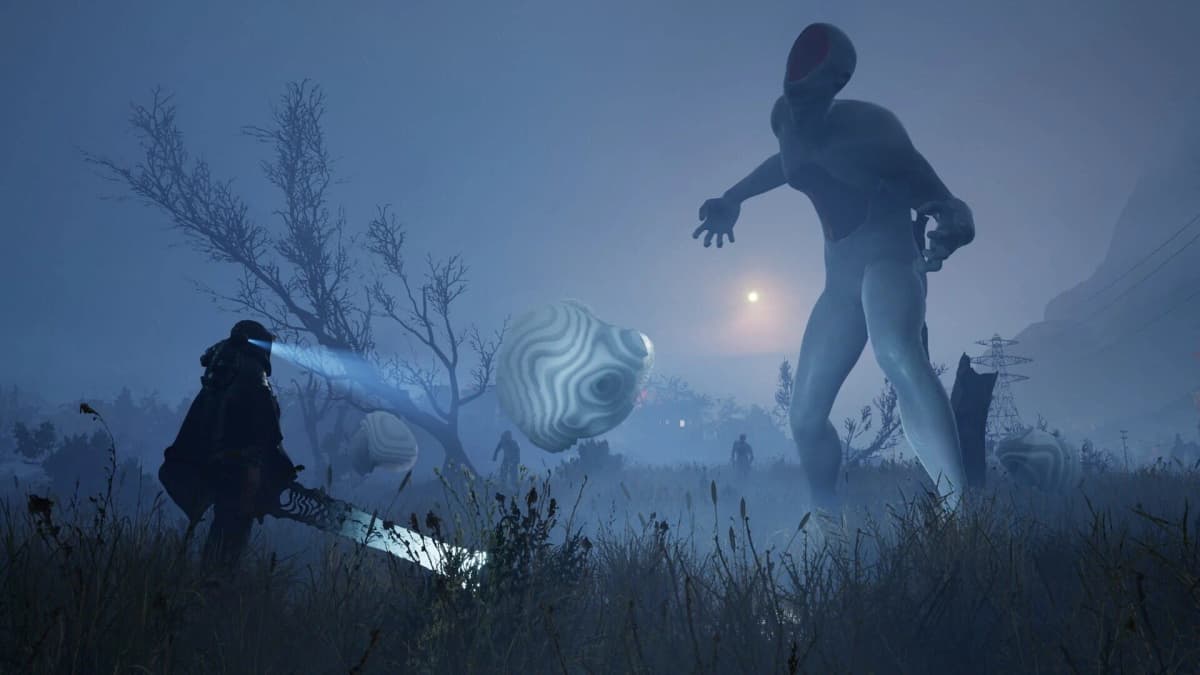
With visuals muted of HUD elements, audio takes center stage. Footsteps on gravel, distant thunder, and the creak of broken doors all become vital cues. Composer details remain under wraps, but the ambient soundtrack swells at just the right moments, heightening tension and emotion. I found myself pausing to listen for the rustle of hollow creatures among the trees—an auditory puzzle as much as a visual one.
Will It Ignite a Dungeon Renaissance?
Hell Is Us strips away modern gaming crutches for a deliberately paced, immersive adventure. Its steep learning curve may frustrate some, but mastering its sensory-first design promises a uniquely rewarding experience. If the clever puzzles, moody atmosphere, and razor-sharp combat hold up through launch, we might just see a renaissance of dungeon-style exploration in 2025. I’m tentatively booking two playthroughs—one for pure survival, another to unearth every hidden secret.
Quick Specs
- Title: Hell Is Us
- Genre: Action-Adventure / Semi-Open World
- Protagonist: Rémi, ex-UN Blue Helmet
- Developer / Publisher: Rogue Factor / Nacon
- Release Date: September 4, 2025
- Platforms: PC, PS5, Xbox Series X/S
- Standout Features: HUD-free exploration, handcrafted dungeons, physics-based puzzles, audio-driven combat, interwoven semi-open world