
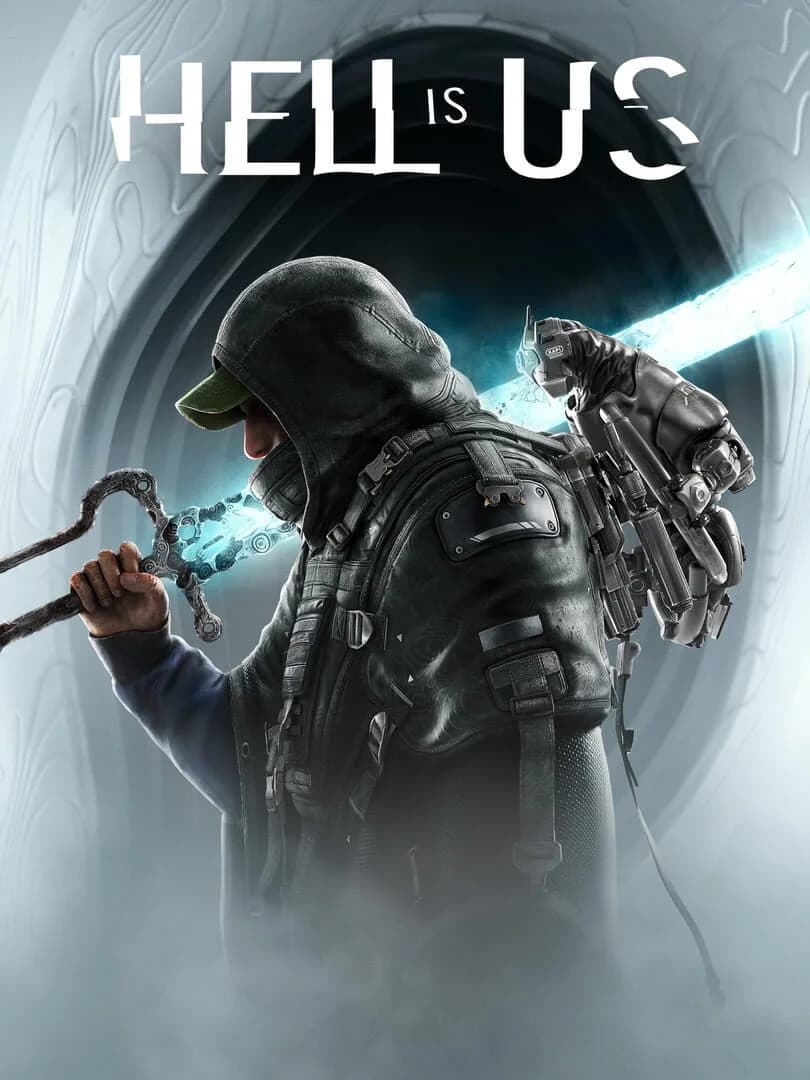
Hell is Us Upends Open-World Expectations With Mapless Exploration and Supernatural Intrigue
I live for weird sci-fi game worlds-the kind that let me wander through the bizarre and unknown, piecing things together as I go. So when I got hands-on with Hell is Us, Rogue Factor’s take on supernatural open-world exploration, it hit all my buttons. This isn’t your typical “follow the blinking marker” adventure. Instead, it trusts you to actually pay attention, get lost, and figure it out for yourself. In an era full of open worlds that practically play themselves, that’s a bold move-and one that could finally scratch the itch for real discovery.
Hell is Us: Why Mapless Exploration Changes Everything
- Mapless design forces genuine exploration: No minimaps or quest markers-just your own wits, a notebook, and a fancy datapad.
- Mystery at every turn: From cryptic alien puzzles to a war-ravaged state, the world feels both hostile and alive.
- Souls-like combat, but not the focus: Fights are challenging and stylish but never overshadow the central curiosity-driven gameplay.
- Immersive interface: Writing your own notes and using in-world tools helps you connect with Remi’s journey and the land of Hadea.
| Feature | Specification |
|---|---|
| Publisher | Nacon |
| Release Date | September 4, 2025 |
| Genres | Action, Adventure, Exploration, Souls-like |
| Platforms | PC (Steam) |
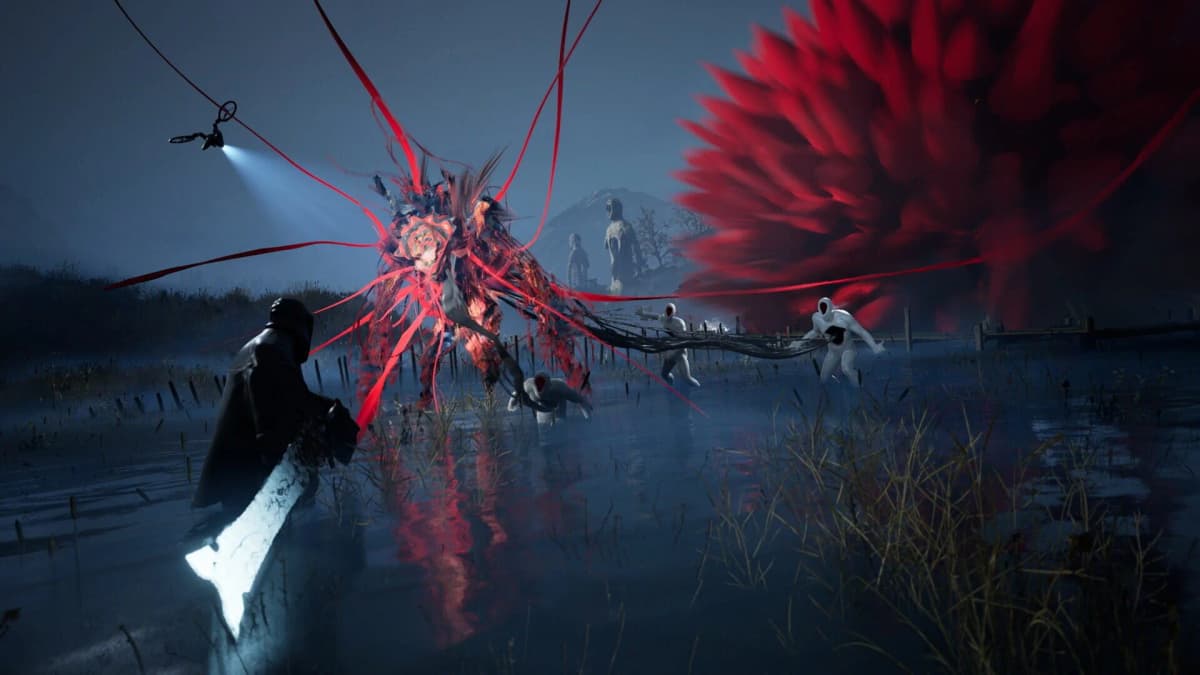
Let’s talk about what makes this game stand out. Hell is Us stars Remi, a man searching for his family in the closed-off, war-torn state of Hadea. Beyond the bullets and barricades, there’s a supernatural force reshaping the land—alien structures, cryptic glyphs, and creatures that wouldn’t look out of place in a Remedy or Kojima game.
But the real twist? Rogue Factor strips away the crutches we’ve come to expect. You won’t find a minimap, glowing breadcrumbs, or even a “go here next” checklist. The developers are upfront: “Our game has no map, no markers indicating where people or things are, where to go next, or who to talk to. We will never tell you precisely what must be done or how to do it.” As someone who usually rebels against hand-holding, this got my attention fast. It’s a throwback to when open-world actually meant “figure it out yourself”—think early Zelda or even Myst, rather than yet another Ubisoft checklist sim.
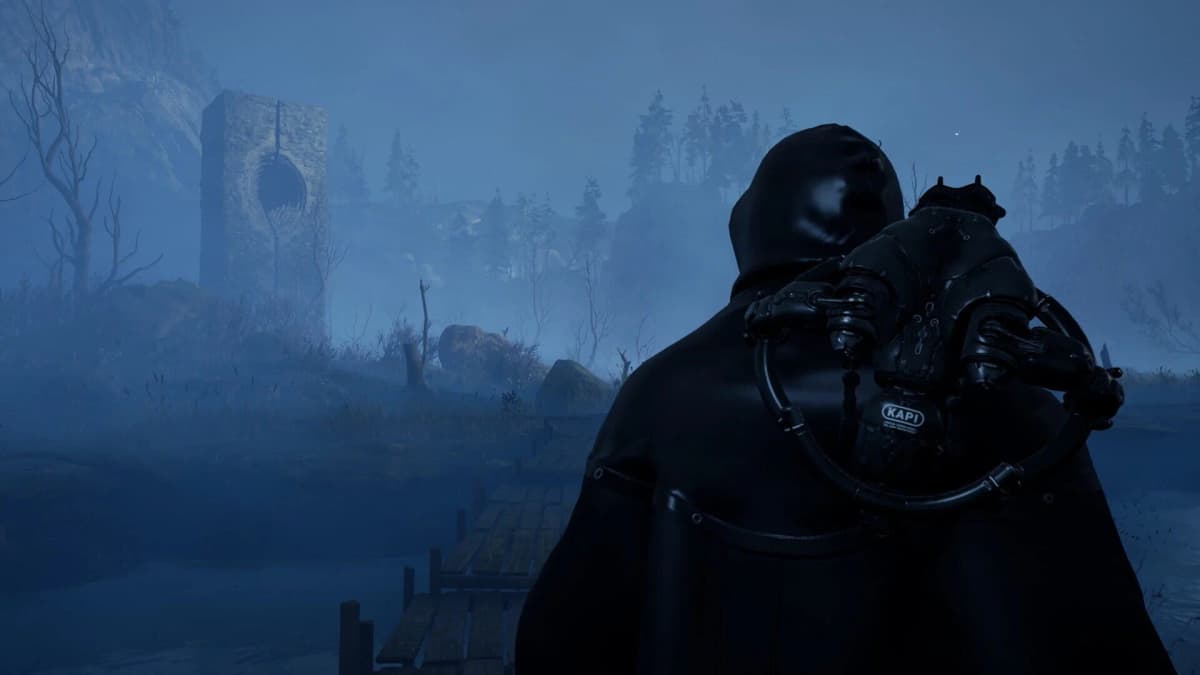
Playing the preview, I’ll admit—I was overwhelmed at first. It’s easy to forget how much modern games spoon-feed us. In Hell is Us, I was jotting down notes, studying physical maps, and listening intently as NPCs described landmarks or sketched arrows for directions. The game’s datapad logs facts and relationships but never draws the conclusions for you. Honestly, it got my heart racing to realize, “Wait, I actually need to use my brain here.” And that’s the point: discovery is earned, not given.
This “mind map” approach reminded me of old-school sleuthing, but with a modern interface. Unlike games where your character writes notes for you, here you’re scribbling solutions and mapping connections yourself. In a world full of games that basically play themselves, Hell is Us trusts you to actually pay attention—and rewards you with a deeply immersive experience if you do.
That doesn’t mean it’s all slow-burn puzzles and poking around. Combat is weighty and familiar to anyone who’s played a recent FromSoft game—think dodges, parries, and brutal melee. But unlike so many Souls-likes, fighting isn’t the main attraction. It’s there to raise the stakes and break up exploration, not dominate it. I appreciate that balance: too many games treat combat like the only way players can feel challenged or engaged.
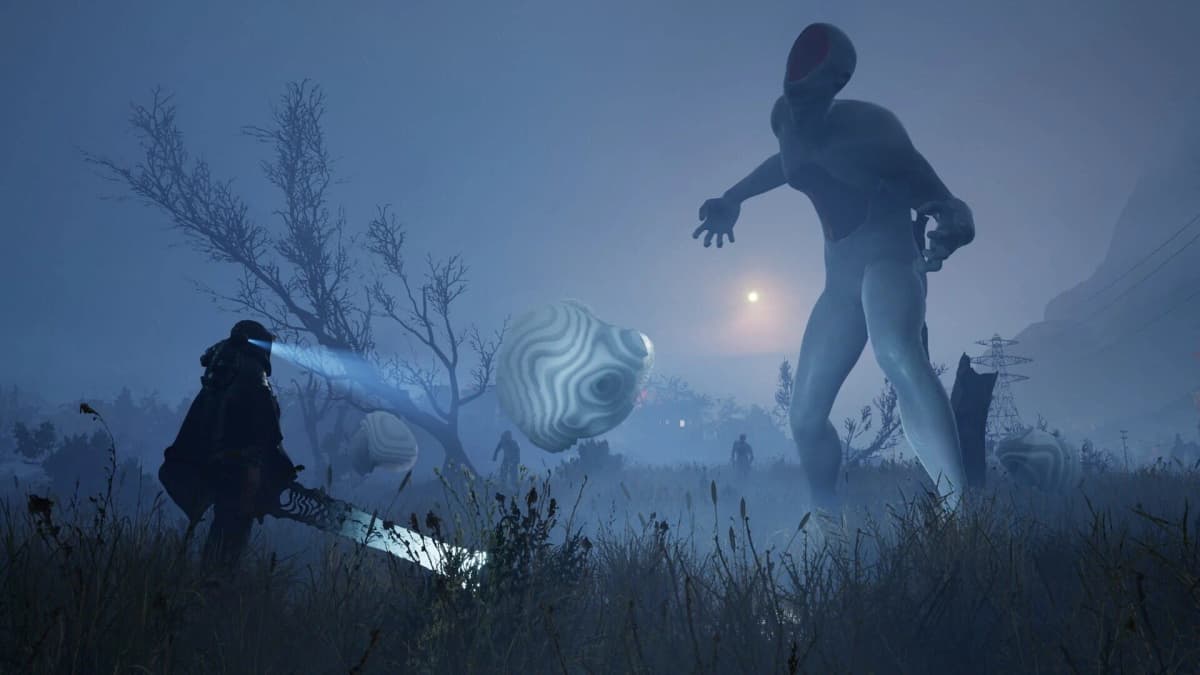
The tactile elements—your notebook, the datapad, and even a drone that zaps enemies and scans mysteries—make Hadea feel tangible. It’s like the devs took the best bits of Myst, Control, and Breath of the Wild’s landmark-driven exploration, then shoved them all into a war-ravaged sandbox crawling with cosmic weirdness.
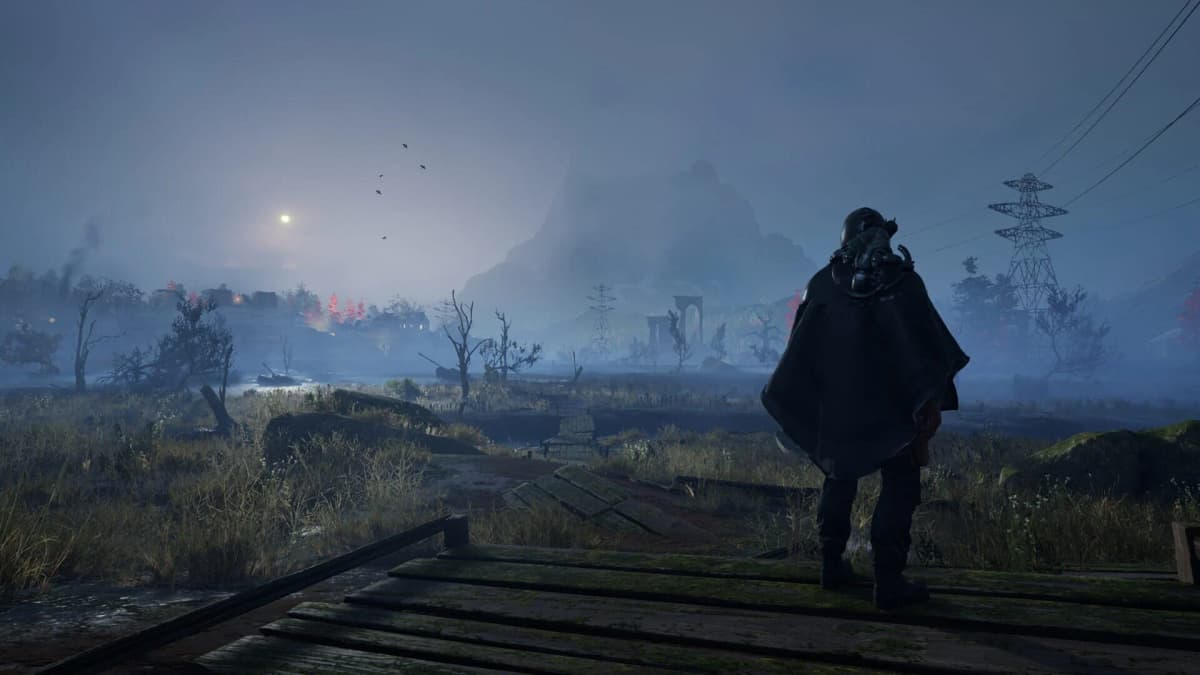
I have to stress: my playtime was limited, and the real test is how well these systems hold up over a full game. It’s one thing to get lost for a few hours; it’s another to keep curiosity alive across a 30-hour campaign. Still, Rogue Factor’s willingness to break open-world conventions is refreshing. If you’re bored of games that drown you in icons and info, Hell is Us might be the antidote you’ve been waiting for.
What This Means If You’re Tired of Open-World Hand-Holding
Hell is Us is shaping up as a game that respects your intelligence and rewards your curiosity. That comes with risk: some players will bounce off the lack of guidance, and there’s always the danger that mapless design might become frustrating if the world isn’t carefully crafted. But if you’re the sort of player who loved wandering Hyrule with the HUD turned off, or still has fond memories of scrawling notes for classic puzzle adventures, keep this one on your radar.
With a demo dropping June 2 and full launch slated for September 4, we won’t have to wait long to see if Rogue Factor can deliver on the promise. I’ll be there day one—pen, notebook, and all.
Want to Level Up Your Gaming?
Get access to exclusive strategies, hidden tips, and pro-level insights that we don't share publicly.
Ultimate Gaming Strategy Guide + Weekly Pro Tips
TL;DR: Is Hell is Us Worth Your Curiosity?
If you’re sick of open-world games that treat you like you can’t read a compass, Hell is Us might just be for you. By ditching maps and markers in favor of honest-to-god exploration, Rogue Factor is betting big on player-driven discovery and atmospheric weirdness. It’s a gamble, but if the rest of the game matches the strong first impression, it could be one of this year’s most memorable adventures.
Source: Nacon via GamesPress