
Table of Contents (6)
Why the Cyberstan update actually matters for Helldivers 2 players
This caught my attention because a live update rarely forces the entire playerbase to make real, painful trade-offs. Arrowhead’s Machinery of Oppression and the live Cyberstan assault have turned Helldivers 2 from a series of drop-in missions into a single, messy, glorious war where lives are a shared resource and failure has consequences.
- Community stakes are real: the new Forces in Reserve system makes lives finite, so the whole galaxy can run out of manpower.
- New toys, harder fights: Bastion Tank, returning Cyborgs and towering Vox Engines change tactics and sightlines.
- Player-driven outcomes: the Cyberstan assault was repelled, showing community decisions shape the Galactic War.
- Live-service growing pains: an exploit briefly paused the event and developers are embracing emergent PvP chaos-even the “sheriffs.”
Breaking down the update: what’s new and why it matters
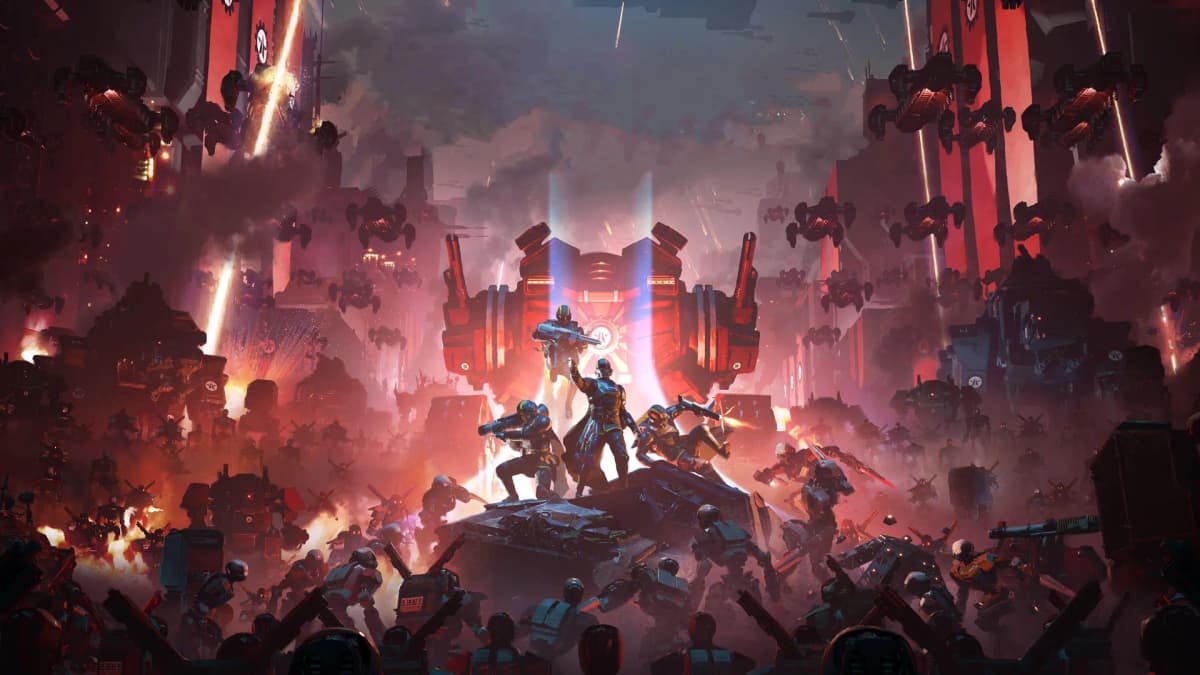
Machinery of Oppression adds substantive toys and threats, and PC Gamer’s roundup is right to call Cyberstan the franchise’s best galactic campaign yet. The Bastion Tank reshapes vehicle play-less “roll in and steamroll,” more coordinated driver-gunner choreography-and the return of Cyborgs plus giant Vox Engines forces squads to choose targets and positions carefully. Vox Engines aren’t just eye candy: they trundle like walking fortresses and punish sloppy teams, which makes mission pacing and logistics matter in a way the base game didn’t always demand.
The Cyberstan assault became a true community campaign
Where this update shines is its social layer. Arrowhead’s Forces in Reserve mechanic bundles every player’s lives into a shared pool and layers in Strategic Imperatives—side objectives that award extra lives but cost other battle support. That trade-off design makes the Galactic War feel like a living tabletop GM session: you can chase extra lives at the cost of stratagems, or throw every resource at the front and hope it’s enough.
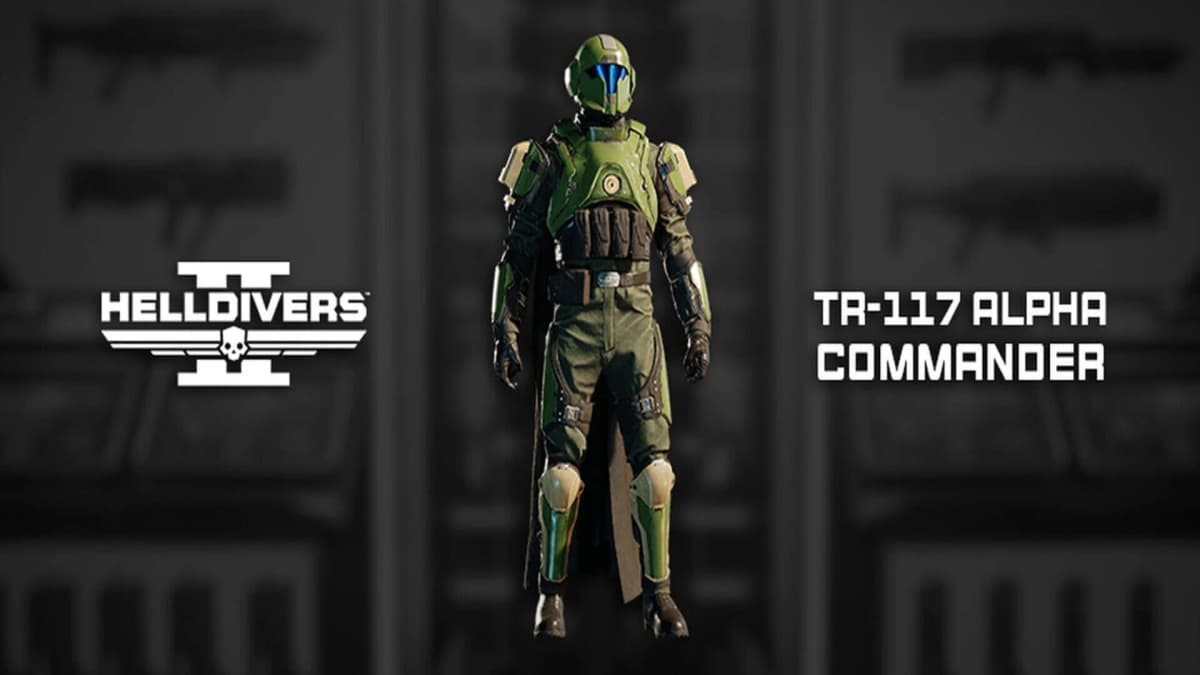
That tension wasn’t theoretical. Multiple reports (Steam News and GamesRadar) confirmed the community launched what players called the game’s “biggest” battle on Cyberstan and lost—the Cyborgs, bolstered by Automaton forces, repelled Super Earth’s assault. High Command’s in-universe communiqués celebrated the damage inflicted on megafactories even as they warned of an “unjust counter-offensive.” Those outcomes aren’t merely flavor text: they alter the Galactic War’s state and force players to adapt.
Drama off the battlefield: exploits, pauses, and emergent policing
Live events bring drama beyond firefights. French outlet JeuxVideo reported Arrowhead temporarily suspended the Galactic War after detecting players exploiting mission mechanics to auto-complete objectives on Cyberstan. The studio patched the exploit, adjusted event stats, and resumed the campaign. That pause was the right move—events with real, global consequences need robust integrity—but it also highlights the complexity of running truly persistent, player-driven war states.
Then there’s the chaos players create themselves. Steam’s community updates noted “sheriff” players—self-appointed PvP police—adding unpredictable moments (sometimes hilariously wrong-targeted). Developers have leaned into those emergent stories, calling them “some of the better moments.” You can love the systems on paper and still watch them devolve into delightful griefing in practice; that’s part of why this update feels alive.
What this means for you as a player
If you care about live-service events that actually feel consequential, Cyberstan is a masterclass. The combination of scarce resources, Strategic Imperatives, harder enemies, and community-driven outcomes makes every deployment feel meaningful. It’s exciting because it rewards coordination, punishes complacency, and gives the community a real hand in writing the game’s history.
That said, expect friction: exploits, griefing, and the FOMO of “be there or miss it” moments are real. Arrowhead’s pause-and-fix shows they’re watching, but running a dynamic Galactic War means balancing fairness with maintaining emergent, chaotic fun.
TL;DR
Machinery of Oppression’s Cyberstan assault turned Helldivers 2 into a genuinely player-run war. New gear and threats raise the skill ceiling, Forces in Reserve make lives a shared resource, and a failed mass assault plus a brief exploit pause show this live campaign actually changes the game state. It’s messy, thrilling, and exactly the kind of live-service experiment I want more studios to try.
FinalBoss // Gear
Level up your setup
01Top-rated gaming headsetson Amazon→02High-refresh gaming monitorson Amazon→03Gaming chairson Amazon→04Discounted game keyson Kinguin→Affiliate links · As an Amazon Associate, FinalBoss earns from qualifying purchases.
Want to Level Up Your Gaming?
Get access to exclusive strategies, hidden tips, and pro-level insights that we don't share publicly.
Ultimate Gaming Strategy Guide + Weekly Pro Tips