
1.5 million Steam wishlists is the kind of number that stops being “nice momentum” and starts becoming a pressure cooker. That’s where Heroes of Might & Magic: Olden Era is now: one of Steam’s most-wanted games, a demo that reportedly peaked at around 24,000 concurrent players, and an Early Access launch set for April 30 on PC. For a dormant strategy brand that has spent years being remembered more fondly than it was actually managed, that matters. It means this is no longer a niche comeback story. It’s a live test of whether old-school turn-based strategy can still break through at scale when the game actually looks like it remembers what people loved in the first place.
Table of Contents (6)
Key takeaways
- The demand is not speculative anymore. Crossing 1.5 million wishlists and cracking Steam’s top tier of most-wishlisted games puts Olden Era in serious company, not just retro-strategy nostalgia territory.
- The 24K demo peak is the more interesting number. Wishlists can be aspirational. Players showing up for a demo in those numbers suggests the audience didn’t just click a button and wander off.
- This revival has one huge advantage: it seems to understand that Heroes of Might & Magic fans wanted a return to form, not a trendy genre pivot dressed up in franchise branding.
- The risk is obvious. Massive wishlist counts create launch-week expectations that Early Access games often struggle to meet, especially in a genre where balance, AI, map design, and faction identity are everything.
This is what happens when a revival actually targets the right audience
Plenty of legacy franchises come back wearing the corpse of the original like a marketing skin. That’s usually where the trouble starts. What caught my attention here is that Olden Era appears to be doing the less fashionable, smarter thing: aiming directly at the people who kept Heroes III alive in their heads for decades and never really forgave the series for drifting.
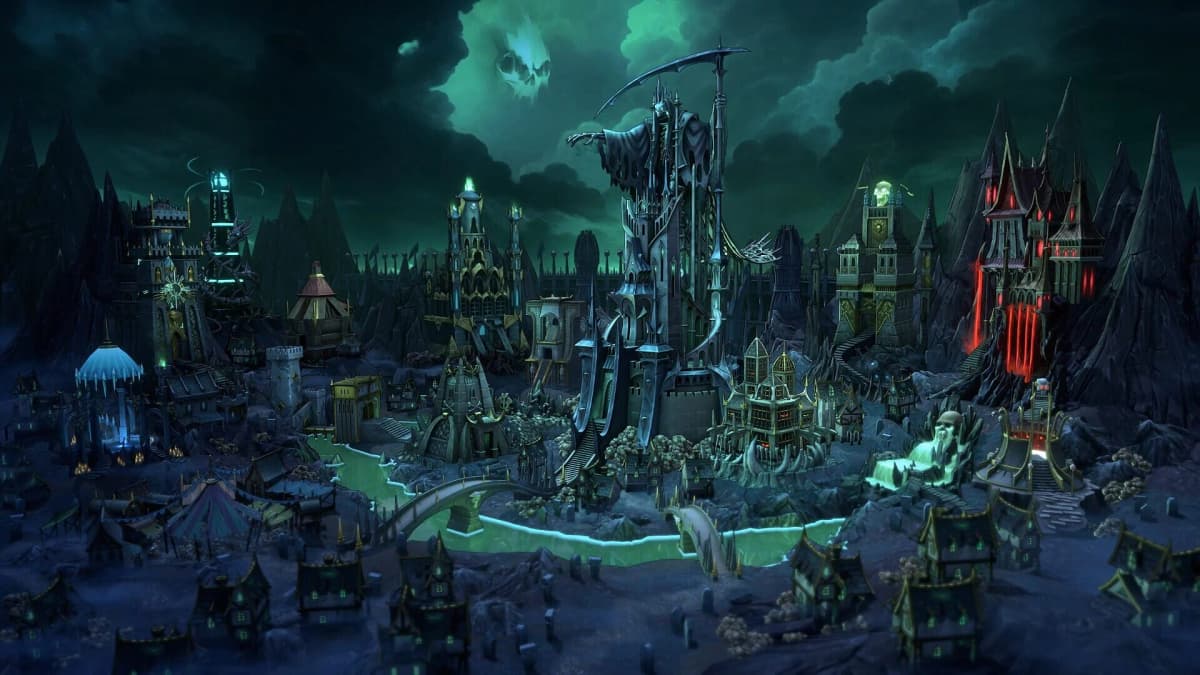
That sounds conservative, and it is. But “conservative” is not a dirty word when you’re resurrecting a strategy series whose appeal was never spectacle first. It was faction identity, map flow, economy tension, turn-by-turn decision making, and the kind of campaign and skirmish design that could eat your weekend without asking permission. According to the currently available details, Olden Era is launching into Early Access with six playable factions, the new continent of Jadame, campaign content, skirmish and random scenarios, multiplayer, and a shareable map editor. That’s not reinventing the wheel. It’s understanding why people liked the wheel.
And yes, there’s a cynical version of this story: nostalgia sells, publishers know it, and “we’re going back to the classics” is one of the easiest pitches in games. Fair. But there’s a difference between cynical nostalgia bait and recognizing a franchise spent years ignoring its clearest strengths. Olden Era looks much closer to the second category.
The demo number matters more than the wishlist headline
The press-release number is 1.5 million wishlists, and that is undeniably huge. Some tracking cited in the broader reporting even places the game higher, around 1.8 million outstanding wishlists or more, which suggests the curve may still be rising fast. But if I’m trying to figure out whether this thing has actual legs, I care just as much about the reported demo peak of roughly 24,000 concurrent players.
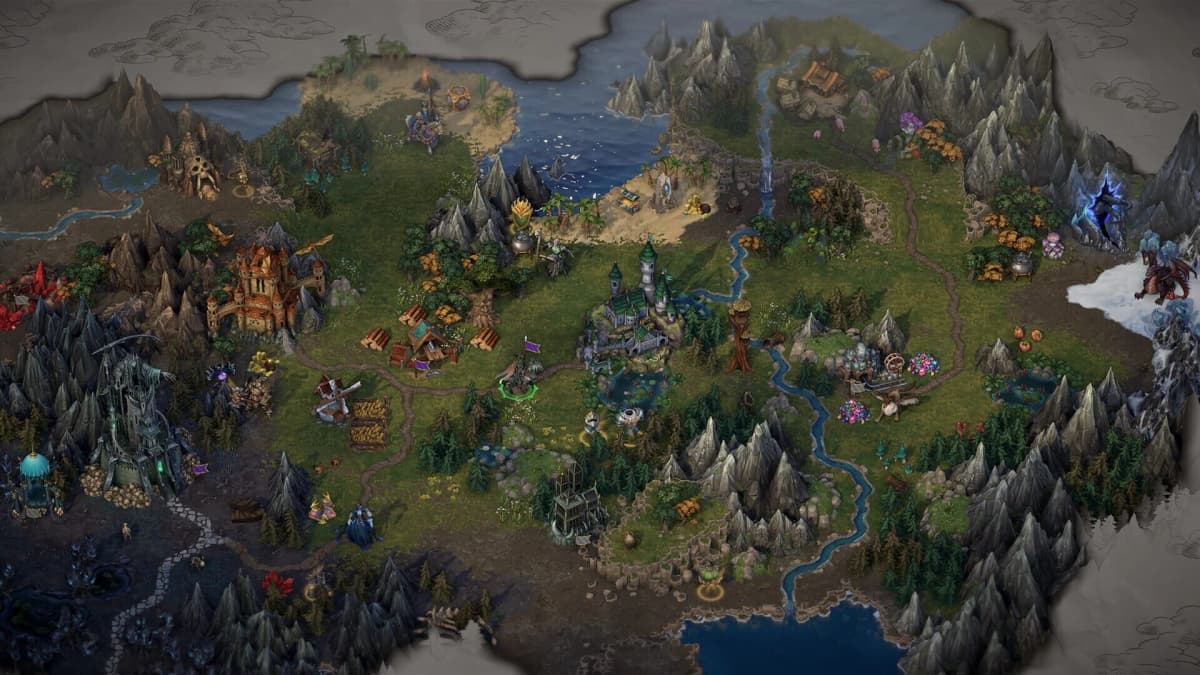
Why? Because wishlists are cheap. They’re useful, absolutely, but they can also be a graveyard of good intentions. Demo concurrency is messier and more honest. It tells you players didn’t just recognize the logo; they downloaded the thing, booted it up, and made time for it. For a turn-based strategy game in 2026, that’s a meaningful signal. Not because the genre is dead – strategy players are stubborn and immortal – but because breaking beyond the core faithful usually requires either exceptional word of mouth or a very clear identity. Olden Era may have both.
The question I’d put to the PR team is simple: how much of that demo audience converted into repeat sessions, not just day-one curiosity? Peak concurrents are nice. Retention is the number that tells you whether players saw a promising throwback or the real thing.
Early Access is the right move, but it removes every excuse
Early Access for a game like this makes sense. Strategy games are balance nightmares, AI is never finished when you wish it were, and map tools plus community feedback can materially improve the package. Hooded Horse has also built a reputation around publishing games for audiences that actually read tooltips for fun, which helps. If there’s a publisher equipped to handle an involved, systems-heavy rollout, it’s them.
But this is also the dangerous part. Once you’ve banked this much goodwill, “it’s Early Access” stops working as a magic shield. The audience will tolerate rough edges. It will not tolerate the wrong rough edges. If faction asymmetry feels thin, if the AI behaves like it learned tactics from a Roomba, or if multiplayer stability turns into a weekly apology tour, that wishlist mountain starts looking less like momentum and more like a very tall place to fall from.
There is also one small but worth-noting wrinkle in the reporting history: some older material pointed to a Q2 2025 window, while more recent and better-supported information says April 30, 2026. At this point, April 30, 2026 is the date with the strongest backing, but the shift is a reminder that getting this one into shape likely took longer than the original plan. Frankly, that may be a good sign. This series does not need a rushed comeback.
What to watch on April 30
- Steam user response in the first 72 hours: not just review score, but what players are repeatedly praising or complaining about.
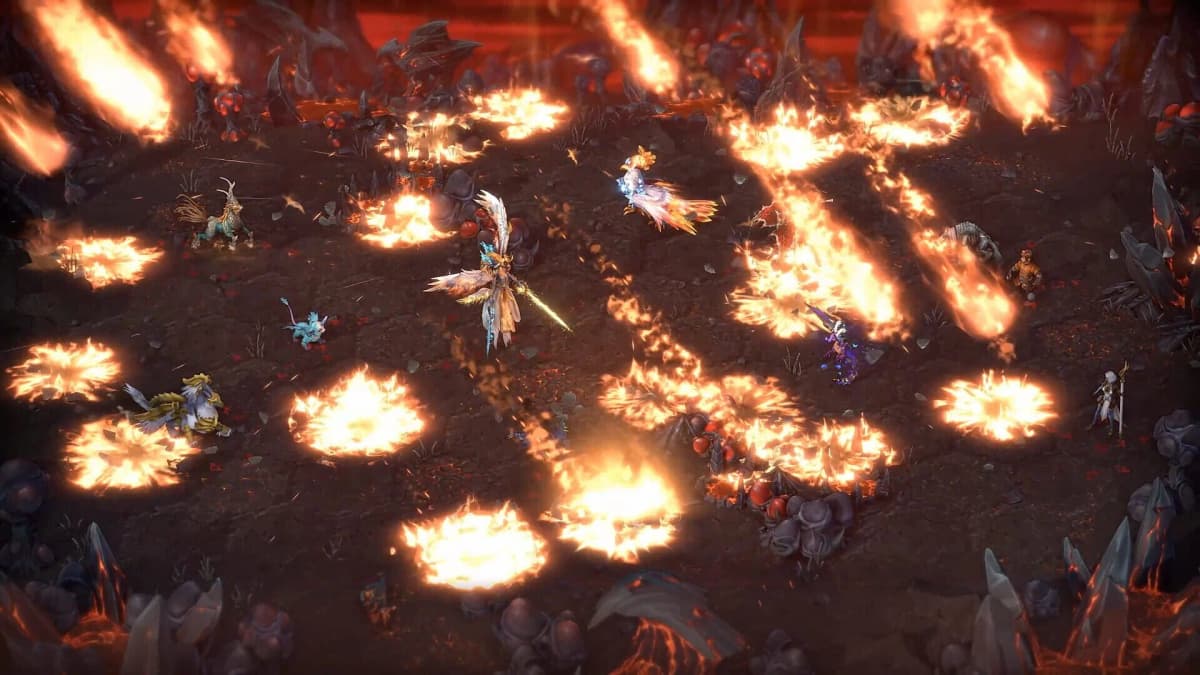
- Performance of the core pillars: AI quality, faction feel, map variety, and how strong the random scenario pipeline is.
- PC Game Pass visibility: Olden Era is slated for PC Game Pass day one, which could widen the funnel well beyond traditional Heroes veterans.
- Post-launch cadence: the first roadmap update will tell you whether the team is shipping with confidence or reacting in real time to obvious gaps.
If those pieces land, the 1.5 million wishlist headline stops being a pre-release curiosity and starts looking like the opening act of a real franchise recovery. If they don’t, this becomes another case study in how loudly the market can cheer for a memory.
TL;DR
Heroes of Might & Magic: Olden Era has passed 1.5 million Steam wishlists, with a demo peak around 24,000 concurrent players and an Early Access launch set for April 30 on PC. The big story is that this is no longer a small nostalgia play; it’s one of the clearest signs that a classic turn-based strategy series can still command mainstream PC attention. The next meaningful test is whether the Early Access build delivers where this genre always lives or dies: AI, balance, faction identity, and replayable maps.
FinalBoss // Gear
Level up your setup
01Graphics cardson Amazon→02Gaming laptopson Amazon→03High-refresh gaming monitorson Amazon→04Discounted game keyson Kinguin→Affiliate links · As an Amazon Associate, FinalBoss earns from qualifying purchases.
Want to Level Up Your Gaming?
Get access to exclusive strategies, hidden tips, and pro-level insights that we don't share publicly.
Ultimate Editor's Pick Strategy Guide + Weekly Pro Tips