
Table of Contents (9)
The night my plastic guitar hit the bin
I remember the exact moment the “rhythm game crash” became real for me. I walked into a second-hand shop and there was a literal pile of plastic guitars – Rock Band, Guitar Hero, off-brand knockoffs – dumped in a bargain bin like yesterday’s junk. Ten bucks for an entire band kit. A few years earlier, those things were the crown jewels of every living room. Now they were landfill with buttons.
Everybody started parroting the same line: “Rhythm games are dead.” Publishers moved on to battle royales and live-service shooters, pretending we’d all collectively grown out of hitting buttons to a beat. And for a while, I believed it too. I boxed up my own guitars, uninstalled DJ Hero, and told myself, “Yeah, guess that era’s over.”
But here’s the thing: I never stopped craving that feeling. The trance of locking into a song, that mix of muscle memory and improvisation you only get when the game’s systems are literally built on rhythm. As someone who also grinds fighting games, I recognise that same high when a combo string hits perfectly. Rhythm isn’t some gimmick; it’s one of the purest forms of mechanical feedback we have.
So when people started talking about a “rhythm game resurgence” in the last few years, centered around Hi‑Fi Rush and Fortnite Festival, I had two reactions. One: hell yes, finally. Two: are you kidding me? Rhythm games didn’t resurface, they’ve been marching forward non-stop while big publishers pretended they didn’t exist.
Rhythm never died – it just stopped fitting the plastic toy business model
After the plastic-instrument bubble burst, the mainstream story was that everyone got bored of rhythm games. That’s nonsense. Players didn’t get bored of timing inputs to music; they got bored of paying triple digits for peripherals and disc-after-disc of the same experience. Meanwhile, on PC, mobile, arcades, and eventually VR, rhythm fans just… kept playing.
Osu! quietly built an ecosystem of absolute monsters clicking tiny circles faster than my brain can parse, regularly sitting at tens of thousands of concurrent players. Vocaloid and anime rhythm games like the Hatsune Miku series racked up millions of downloads. Geometry Dash turned into a level-creation juggernaut with an obscene number of custom stages. None of this ever stopped. It just didn’t come with a plastic drum kit and a Super Bowl commercial, so executives acted like it didn’t count.
Then VR arrived and rhythm absolutely exploded again, this time with actual physicality. Beat Saber became the killer app for headsets, not because Mark Zuckerberg said the word “metaverse” enough times, but because slicing blocks to a beat feels incredible. You’re sweating, you’re dodging, you’re improvising, and your entire body is the controller. Beat Saber regularly pulls five-figure concurrent player peaks on PC alone, and that’s before you even count the massive console and standalone headset audiences.
Rhythm didn’t disappear. It just escaped the tiny box publishers tried to force it into.
From backing track to backbone: when rhythm drives the whole game
What’s genuinely new in this “resurgence” isn’t that rhythm games exist again. It’s that rhythm is no longer content to sit politely in the background. Music isn’t just flavour; it’s the spine of the experience. The games I care about now are the ones saying, “What if the beat is the combat system, the progression system, the narrative pacing – everything?”
Take Unbeatable. On paper, it’s a story about a band of runaway teens clashing with authority. In a different era, that’s just a visual novel with a nice soundtrack and some QTEs sprinkled over cutscenes. Instead, Unbeatable turns almost every major moment into rhythm-driven interaction. Dreams, fights, emotional beats – they all unfold through a stripped-down, two-button rhythm interface and clever variations on timing. You’re not watching a music story; you’re performing it.
Or look at the roguelike side of things. Crypt of the NecroDancer didn’t just add a music minigame to a dungeon crawler; it rewired the entire genre. Movement, attacks, spell casts – everything is quantised to the beat. Miss time and you literally lose turns. That idea spun off into games like BPM: Bullets Per Minute and Metal: Hellsinger, where your accuracy on the rhythm directly controls your damage, your abilities, your score multiplier. You’re not “listening” to the soundtrack; you’re in a call-and-response with it.
Even the weird, artsy corners of indie have taken rhythm and embedded it into other genres. Everhood borrows from bullet hell, RPGs, and surreal adventure games, but its boss fights are laser-light concerts where dodging patterns sync perfectly to tracks. Soundfall takes twin-stick shooting and makes your positioning and fire rate live or die on beat precision. No Straight Roads turns a music-obsessed world into a hack-and-slash campaign about literally rebelling against a rhythm-ruled city.
These games aren’t “games with rhythm bits”. They’re rhythm games disguised as other genres, and they’re stronger for it.
Hi‑Fi Rush and Fortnite Festival: when the suits suddenly “rediscovered” rhythm
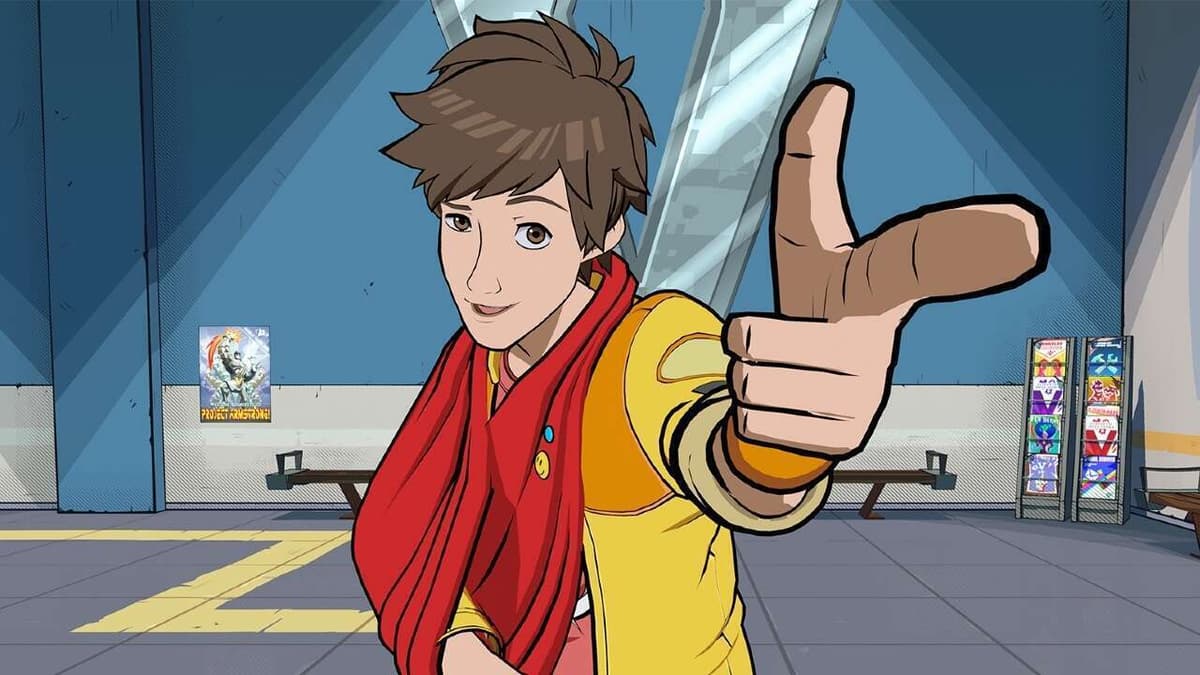
Then Hi‑Fi Rush dropped in 2023 and everyone lost it. Rightfully so, to be fair. Tango Gameworks pivoting from horror to a cartoon-style rhythm action game, shadowdropped on a big stage, with the entire world pulsing to the beat? That was bold in a way AAA rarely dares to be.
Hi‑Fi Rush nails something most big-budget games forget: consistency. The environment animates to the beat. Enemy tells, combo windows, parry timings – all locked to the same musical grid. The game doesn’t punish you for being off-beat as harshly as a pure rhythm title would, but it rewards those who commit to playing on time. As someone who grinds execution-heavy fighters, that design makes my brain light up. You’re basically labbing combos, but the game disguises it with crunchy riffs and Saturday morning cartoon energy.
But the way the industry talked about Hi‑Fi Rush annoyed me. Suddenly, this was the game that “brought rhythm games back.” Brought them back from where, exactly? Beat Saber was already a phenomenon. NecroDancer had already spawned official Zelda crossovers. Mod communities like BeatSaver had already pushed custom track counts into the tens of thousands. Rhythm fans were doing just fine.
What Hi‑Fi Rush actually did was shove rhythm into a space executives still respect: the prestige single-player action slot. It forced the conversation in boardrooms, not in living rooms. Same thing with Fortnite Festival. When Harmonix and Epic turn Fortnite into a full-on festival stage – timed “sets”, huge licensed tracklists, social lobbies where rhythm performance is the whole point – suddenly people with money start claiming “rhythm is back”. No. Rhythm is just finally too loud for them to ignore.
VR, festivals, and why physical rhythm is now a platform seller
If you want to understand why this moment feels different, look at how physical it’s become. Old-school living room rhythm games pretended you were a rock star with plastic. VR rhythm doesn’t need to pretend. In Beat Saber, Pistol Whip, or Synth Riders, your entire body is the note highway. Ducking, sidestepping, reaching wide for off-beat hits – it’s choreography disguised as gameplay.
I’ve watched friends who “don’t play games” lose an hour in Beat Saber without blinking. It’s exercise, it’s performance, it’s score-chasing. Leaderboards keep you coming back, DLC track packs drip-feed fresh excuses to jump back in, and mod communities dump thousands of custom songs into the mix. When a game has more user-made beatmaps than most franchises have players, “fad” stops being a serious word.
On the other end, you’ve got festival-scale stuff like Fortnite Festival. This isn’t just a mode where you mash buttons to a radio hit; it’s Epic trying to turn concerts, rhythm challenges, and social hangouts into a single ongoing event. Rhythm is the glue that keeps those disparate pieces feeling cohesive. The timing window becomes the social tempo – you literally see who’s in sync and who’s not.

That’s the real shift: rhythm mechanics are now being used to sell platforms. VR headsets, live-service hubs, even handhelds with portable rhythm like Switch ports and mobile titles – rhythm isn’t just another genre, it’s a reason to own the hardware.
Why rhythm mashups work so well (and why most games are scared to try)
From a design standpoint, tying everything to the beat is terrifying. Once the game promises, “Yes, the world runs on rhythm,” you lose a lot of wiggle room. Animations, enemy patterns, input windows – they all have to align. As someone who nitpicks frame data in fighters, I know how fragile that kind of precision can be. One sloppy timing pass and the entire thing feels wrong.
The payoff, though, is massive. Rhythm mechanics do three crucial things regular systems struggle with:
- They give players an intuitive clock. You don’t have to stare at cooldown timers; the song tells you when to act.
- They create flow almost automatically. When inputs and music lock together, your hands start moving before your brain fully catches up.
- They make skill expression visible and audible. That perfect run doesn’t just look clean – it sounds clean.
Games like Dead as Disco (that Sifu-adjacent brawler dripping in style) and the upcoming Ratatan (a spiritual successor to Patapon’s rhythm tactics) lean into that. When every dodge, parry, and command sits on a musical grid, even basic movement feels performative. It stops being “press buttons to win” and becomes “nail the groove or get out of the way.”
That’s also why this trend matters beyond the niche. We’ve spent a decade watching games get bloated with systems that don’t talk to each other. Skill trees stapled to crafting stapled to cosmetics. Rhythm mechanics are the opposite of that mess. They force every part of the design to respect the same tempo.
Where I draw the line: rhythm as lazy QTE garnish
Of course, now that rhythm is “hot” again, we’re already seeing the cynical side. The quick cash-in where rhythm is pasted on like UI glitter over a completely standard game. A cutscene plays, the UI flashes, you tap along to the chorus, and then you’re dumped back into the exact same bland combat. That’s not rhythm design; that’s a glorified loading screen.
If a game’s big “rhythm innovation” is a licensed tracklist and a battle pass with musical cosmetics, I check out instantly. I watched the plastic instrument era drown itself in skew numbers and overpriced song packs; I’m not doing that again just because the karaoke booth moved into a free-to-play lobby.
The projects that deserve this new attention are the ones actually letting rhythm call the shots. When I see something like Annapurna’s People of Note, where turn-based RPG encounters are straight-up staged as musical performances, that’s interesting. The moment the dev says, “No, you don’t get to opt out of the music; it is the system,” I’m listening.
How I’m actually playing rhythm in 2026: a quick, no-BS starter guide
This isn’t just theory for me; rhythm is baked into my weekly gaming rotation. If you’re catching this wave now and want in, here’s how I’d genuinely tell a friend to start, depending on what you own.
Got a VR headset? Start with Beat Saber, period. Do three songs a day on whatever difficulty doesn’t murder you. Track your personal bests through in-game leaderboards or friends lists. After a week, move one difficulty up on just a couple of favourite tracks. That’s your 10-minute warm-up ritual. If you want something more intense and stylish, grab Pistol Whip and treat it like a rhythm John Wick sim – focus on syncing shots and dodges rather than raw accuracy.
On PC or console without VR? If you want rhythm plus combat, Hi‑Fi Rush is the obvious pick: a full campaign, generous assists if you’re not naturally rhythmic, and a great on-ramp into timing-focused play. When you’re ready for something stricter, jump to Crypt of the NecroDancer or Metal: Hellsinger and commit to actually following the beat instead of button-mashing. Ten minutes of “no off-beat inputs allowed” drills your timing better than any tutorial.
If you like narrative-heavy stuff, keep an eye on Unbeatable and People of Note. This is where rhythm really shows it can carry storytelling without degenerating into “press X to feel something” prompts.
Playing mostly on mobile or handheld? Geometry Dash is still one of the most brutal, clean expressions of rhythm-platforming out there, and its community-made levels mean you basically never run out of content. On Switch, grab a solid rhythm title and treat it like a commute or couch ritual – short sessions are perfect for building timing. A couple of runs a day is all it takes to feel your internal metronome sharpening.
And yes, if you live in Fortnite already, Fortnite Festival is a decent way to figure out whether you even like this stuff. Just don’t stop there and pretend that’s the entire genre. It’s the festival stage, not the underground club where the real weird experiments live.
Rhythm as the future baseline, not a nostalgic side act
When I look at where rhythm games are in 2026, I don’t see a comeback tour. I see a genre that quietly infiltrated everything else while nobody with a marketing budget was paying attention. VR workout hits, roguelike dungeon crawlers, character action games, social live-service hubs, surreal indies – all marching to a beat that’s no longer optional.
For me, the line is simple: if you’re going to throw music in my face, let it matter. Let it dictate timing, control pacing, shape how I move. I’m done with games where the soundtrack is just wallpaper drowning under gunfire and crafting menus. Once you’ve felt a world where every hit, jump, dodge, and dialogue beat is driven by rhythm, going back to purely “cinematic” background music feels flat.
So no, Hi‑Fi Rush didn’t “save” rhythm games. Fortnite Festival didn’t magically resurrect a dead genre. What they did was prove, in spaces the industry can’t ignore, that rhythm is one of the most powerful design tools we have. The devs experimenting with mashups – from Unbeatable’s band-on-the-run drama to Ratatan’s rhythm tactics – are already playing a different tune.
I just hope the people holding the purse strings don’t try to drag us back to the era of plastic junk and shallow tracklist cash-grabs. Rhythm deserves better than that, and frankly, so do we.
FinalBoss // Gear
Level up your setup
01Top-rated gaming headsetson Amazon→02High-refresh gaming monitorson Amazon→03Gaming chairson Amazon→04Discounted game keyson Kinguin→Affiliate links · As an Amazon Associate, FinalBoss earns from qualifying purchases.
Want to Level Up Your Gaming?
Get access to exclusive strategies, hidden tips, and pro-level insights that we don't share publicly.
Ultimate Gaming Strategy Guide + Weekly Pro Tips