
Table of Contents (7)
Highguard’s fatal move wasn’t a feature – it was the audience it baked into the rules
Highguard didn’t lose because it was underfunded or unlucky. It lost because the design bent hard toward “sweaty” 3v3 competition – a narrow, unforgiving playstyle that demands coordinated teams, perfect movement, and a steep rulebook. That’s the blunt take from former Wildlight senior level designer Alex Graner, who laid out his case on the Quad Damage podcast and in interviews with major outlets after the game’s rapid post‑launch decline and layoffs.
- Key takeaway: Highguard’s shift to intense 3v3 competitive play raised the skill and teamwork bar, alienating casual and solo players (Alex Graner via Quad Damage; reported by Eurogamer, IGN, RPS).
- Spotlight pressure from a Game Awards reveal magnified the problem – players expected an instantly digestible hook and instead got complicated phases and rules.
- Wildlight’s later Raid Rush mode trims complexity, but timing and player churn mean it may not be enough to reverse damage.
Why the 3v3 decision mattered more than you think
Graner — who previously worked on Apex Legends and Battlefield 6 — says the team repeatedly leaned into competitive design during development. That’s not inherently bad, but the specifics matter: 3v3 formats amplify the penalty for bad teammates and reward near-perfect coordination. As he put it, 3v3 “is always the sweatiest version” of any team mode, and it requires a communication level casual players usually don’t bring.
Multiple outlets (Eurogamer, IGN, Rock Paper Shotgun) have run Graner’s account: Highguard’s matches stacked stages — looting, chasing objectives, planting, overtime — on top of movement tech that rewards high-skill inputs. That creates two simultaneous barriers: a hard-to-learn ruleset and a high mechanical ceiling. New players who queue solo or with ad hoc teammates get rolled, feel the game is unfair, and simply stop playing.
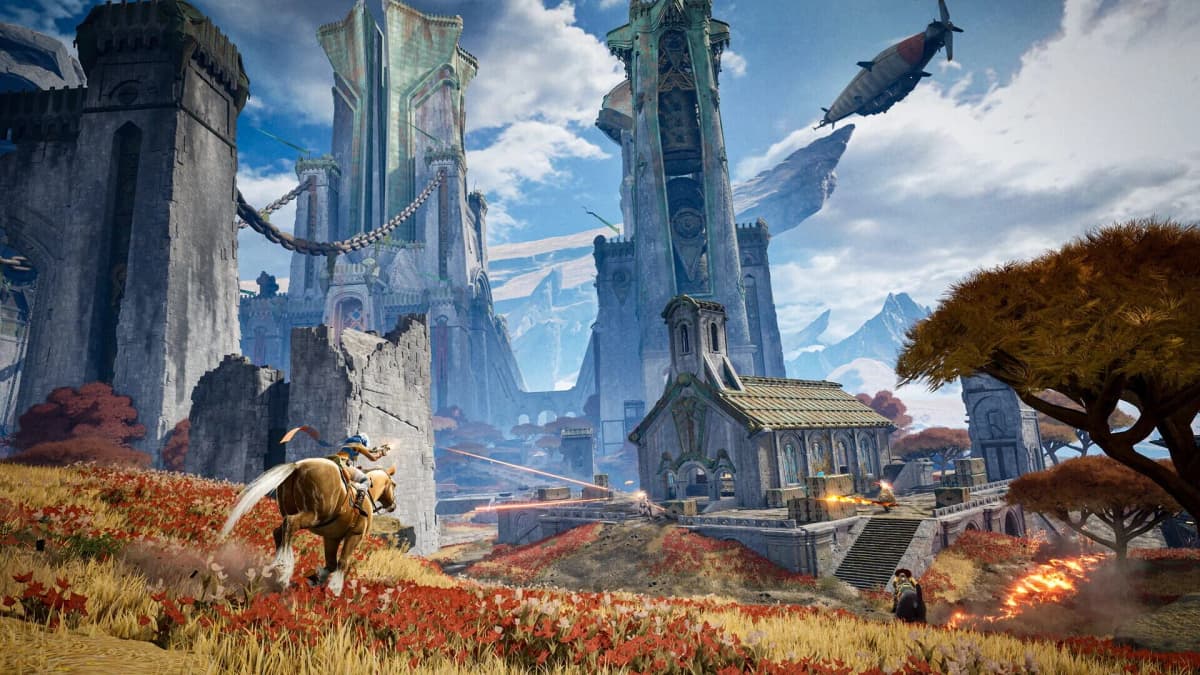
The Game Awards spotlight turned a design flaw into a public wound
Graner also notes the timing made things worse. Highguard’s reveal at The Game Awards put an intense early spotlight on a live‑service shooter that needed time and a stable community to gel. As several pieces point out, the industry narrative matters: a high-profile debut raises expectations for instant accessibility. When players don’t get an obvious hook on game one — unlike a simple “last squad standing” battle royale — the social media verdict hardens quickly. That early churn is brutal for retention metrics and investor confidence; reports suggest Tencent reduced funding pressure and layoffs followed.
Raid Rush and the “fix” everyone hopes will work — but probably won’t
Wildlight’s Raid Rush mode trims the looting phase to shorten matches and reduce complexity — an obvious attempt to lower the entry bar. Steam’s community posts and Steam News flagged Raid Rush as a pragmatic change. But fixes that arrive after launch face two realities: first, disillusioned players who quit rarely come back; second, a game that optimized its core loop for 3v3 sweaty play still rewards the same tight teamwork even in a shorter match.
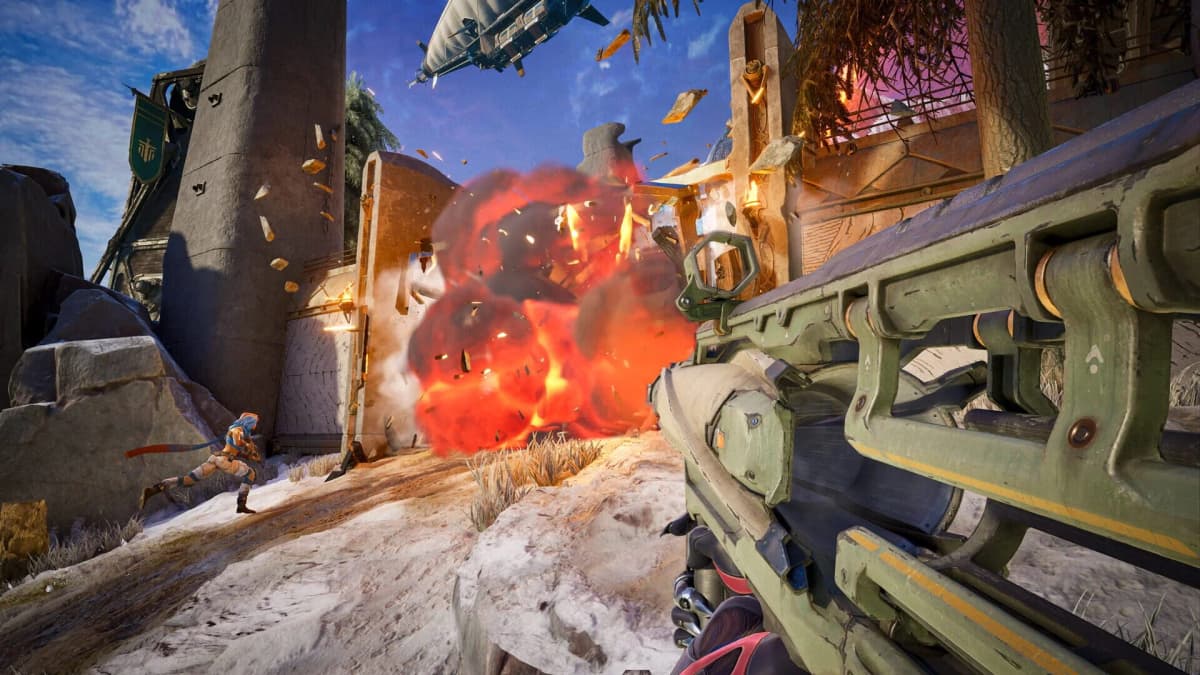
Raid Rush might improve new-player first impressions, which is useful, but it doesn’t erase the structural choice that shaped matchmaking, movement systems, and rewards. In short: a band‑aid on a design decision that determined the game’s identity.
The question Wildlight won’t be asked on panels
If I were sitting across from the PR lead, my question would be blunt: when you chose 3v3 as the default identity for Highguard, did you model retention curves for solo and casual cohorts — and did the numbers ever justify that choice? The awkward truth here is that many live services get a tiny competitive audience right and lose a much larger casual audience badly.
What to watch next
- Steam and platform concurrent player trends over the next 30 days — a persistent downward slope means Raid Rush won’t stick.
- Adoption and feedback on Raid Rush: are new account retention and match completion rates improving week‑over‑week?
- Company moves: any concrete funding updates (Tencent involvement) or rehiring signals after layoffs — those will show whether leadership believes a pivot can work.
- Community sentiment on solo matchmaking and learning tools — are players asking for bots, tutorials, or matchmaking tweaks?
Graner’s account (picked up by Eurogamer, IGN, RPS and others) isn’t the whole story — internal leadership choices, marketing timing, and market competition (Counter‑Strike 2, Apex Legends, etc.) all played parts. But his point is the kind of candid, insider explanation PR teams hate: you can build something brilliant for a small, expert crowd and still fail spectacularly when your business needs broad retention.
TL;DR
Highguard’s collapse wasn’t just bad luck. The studio doubled down on a sweaty 3v3 identity that raised both the skill floor and coordination costs, then launched under a huge spotlight — a combination that pushed casual players away. Raid Rush helps, but unless it measurably improves new‑player retention and platform player counts in the coming weeks, the core design choice will look like the primary misstep.
FinalBoss // Gear
Level up your setup
01Top-rated gaming headsetson Amazon→02High-refresh gaming monitorson Amazon→03Gaming chairson Amazon→04Discounted game keyson Kinguin→Affiliate links · As an Amazon Associate, FinalBoss earns from qualifying purchases.
Want to Level Up Your Gaming?
Get access to exclusive strategies, hidden tips, and pro-level insights that we don't share publicly.
Ultimate Gaming Strategy Guide + Weekly Pro Tips