
Table of Contents (8)
Highguard’s collapse isn’t drama – it’s the textbook risk of overreach
When a live-service shooter peaks near 100,000 concurrent players and falls to triple digits within weeks, the problem isn’t a single bad match – it’s a business that never had the numbers it needed to survive. That’s the short version of what happened to Highguard: a messy pivot toward a hyper‑competitive formula, mixed reviews and low retention convinced Tencent to cut funding. Within days most of Wildlight’s staff were laid off; fewer than 20 developers remain and they’re the ones now scrambling to ship a patch that could decide whether this title limps on or quietly dies.
Key takeaways
- Wildlight pivoted Highguard from a survival/raid concept to a sweaty 3v3/5v5 hero shooter – a move former designers call a misread of the audience (Eurogamer, RPS).
- Peak interest didn’t translate to retention: near-100k peak dropped to ~551 concurrent players later in February, triggering Tencent to withdraw funding and prompting mass layoffs (YongYea summary of reporting).
- Most of the studio was cut in late February; under 20 devs remain to maintain and patch the game while monetization evaporates (Steam News, reporting cited by YongYea).
- The core team announced a new patch for March — that patch is now the most concrete test of whether a skeleton crew can rescue a live service.
Why this collapse isn’t just bad luck
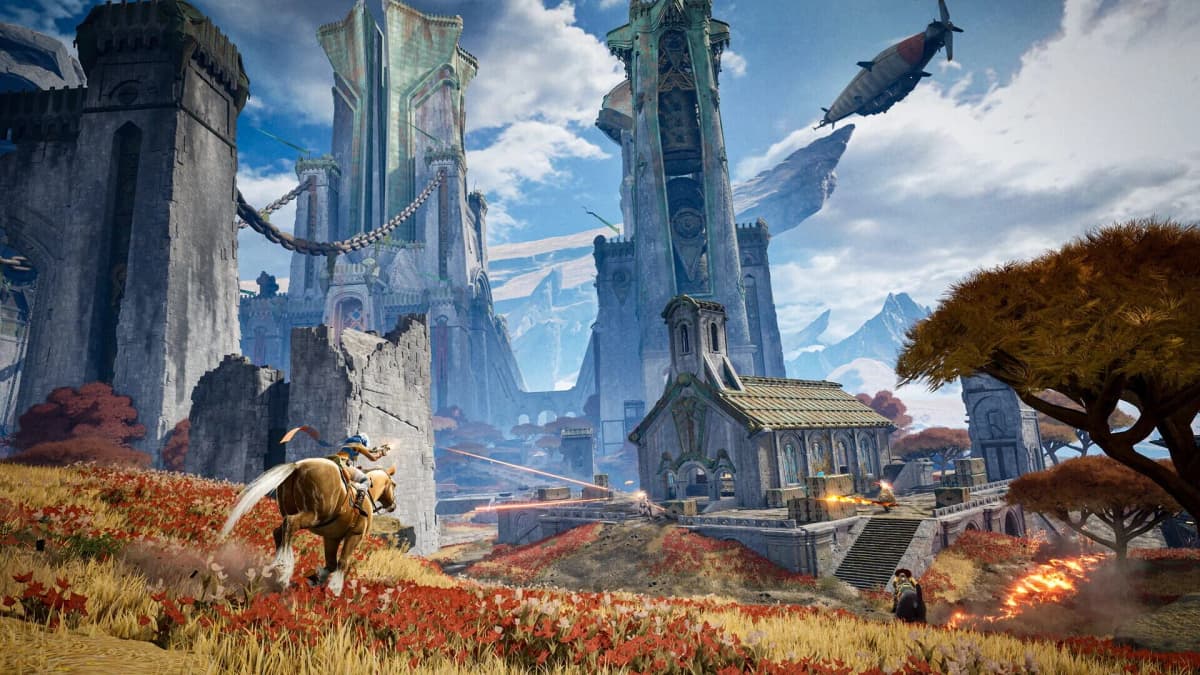
Highguard’s story reads like a cautionary essay in scope and audience mismatch. Multiple outlets and former staff point to a development pivot: what began with survival and raid ideas ended up as a hero shooter that demanded tight teamwork and high-skill movement. Alex Graner, a laid-off senior level designer, called it “leaning too far into the competitive scene” — essentially making Highguard the “sweatiest” version of a 3v3/5v5 team shooter (Eurogamer, RPS).
That design choice raises the skill floor and narrows the audience. In a crowded market with Counter-Strike 2, Apex Legends and other polished shooters, a newcomer needs either a broad hook or an ironclad niche. Highguard managed neither: its initial reveal (and the buzz from Geoff Keighley’s shows) generated a spike of curiosity, but critics and players quickly flagged that matches were unforgiving unless you queued with friends who communicated constantly.
The uncomfortable observation PR hoped you’d miss
Public statements frame the layoffs as a brutal but strategic resizing; behind that is the simpler truth: a live service needs recurring players for recurring revenue, and Highguard lost them fast. Investigative reporting summarized by YongYea and other outlets suggests overconfidence in internal testing and leadership choices that kept the game from finding its rhythm in public. The “all-hands” reality check came two weeks after launch when Tencent — watching the retention and revenue metrics — pulled financial support. That sequence is not an accident; it’s the predictable result of a product that met launch-day hype but not the steady usage required for live ops.
Can fewer than 20 people fix a live service?
Short answer: maybe to bugs, unlikely to revive the economics. A skeleton crew can ship quality-of-life patches and balance changes. They can’t staff round-the-clock live ops, rebuild a tarnished first impression at scale, or pivot the core loop without new investment. Even if the upcoming March patch addresses obvious pain points — simpler rule variants, onboarding tweaks, or less punishing matchmaking — the real test is whether players return and stick around long enough to monetize.
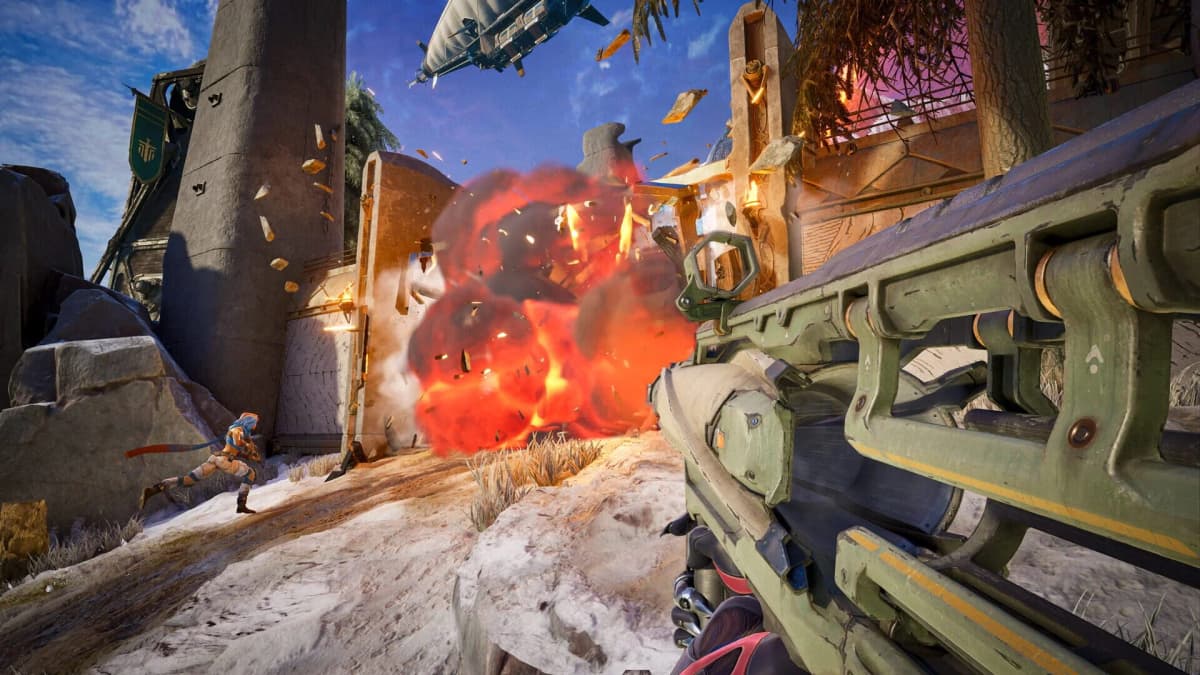
Look at the numbers: a 90%+ drop in active players within days is not remedied by a single patch unless that update offers a meaningful change in game feel or matchmaking. And with Tencent’s backing gone, Wildlight doesn’t have the runway to run long, expensive experiments.
What I would ask Wildlight’s PR if I had two minutes
What’s the concrete retention target your new patch needs to hit to justify keeping live servers going? Name a metric — daily active users, average playtime per user, or a monetization threshold. If you can’t name one, there’s a good chance the studio is improvising around hope.
What to watch next
- Patch release timing and content (Wildlight said a patch is coming in late February/expected March). Examine patch notes for matchmaking/onboarding changes.
- SteamDB/Steam concurrent player trends in the 48-72 hours post-patch. Anything above a few thousand sustained players would be surprising and meaningful.
- Community signals — developer AMAs, Reddit threads or ex‑dev post-mortems at GDC — for honest post-launch introspection from the studio.
If the patch is merely bug cleanup, Highguard becomes a case study: ambitious idea, bad timing, and a product-market fit miss that even a major funder wouldn’t risk. If it’s a smart rework of accessibility and matchmaking that actually brings people back, it will be one of the rarer live-service recoveries — but don’t bet on miracles without fresh investment.
TL;DR
Highguard peaked on hype but cratered on retention after a risky shift into “sweaty” competitive play. Tencent pulled funding and most of Wildlight was laid off; fewer than 20 devs are now trying to save the game. The March patch is the concrete milestone that will tell us if this is a salvageable live service or a textbook implosion.
FinalBoss // Gear
Level up your setup
01Top-rated gaming headsetson Amazon→02High-refresh gaming monitorson Amazon→03Gaming chairson Amazon→04Discounted game keyson Kinguin→Affiliate links · As an Amazon Associate, FinalBoss earns from qualifying purchases.
Want to Level Up Your Gaming?
Get access to exclusive strategies, hidden tips, and pro-level insights that we don't share publicly.
Ultimate Gaming Strategy Guide + Weekly Pro Tips