
This caught my attention because Highguard does something increasingly rare: it purposefully treats a dramatic day-one spike as noise and is trying to build a long-term niche community around a tight 3v3 raid loop. That approach exposes what matters for small-team shooters in 2026.
Highguard’s Launch Strategy: Why Player Counts Don’t Define Success for Small-Team Raid Shooters
- Peak ≠ health: Highguard hit ~97,249 concurrent Steam players on launch day (Jan 26, 2026) then fell to ~18-19K-expected for hyped releases.
- Design fit: 3v3 raid matches need only six players, so lower concurrent totals can still deliver fast queues and good matches.
- Developer focus: Wildlight aims for a passionate core, fast iteration (patches, 6v6 mode teasers), and community-first growth rather than huge concurrent counts.
- Player actions: Join Discord, track SteamDB for queue health, master a couple heroes, and file focused bug reports to shape early patches.
{{INFO_TABLE_START}}
Publisher|Wildlight Entertainment
Release Date|January 26, 2026
Category|3v3 raid shooter / hero shooter
Platform|PC (Steam); console ports planned
{{INFO_TABLE_END}}
Highguard’s launch trajectory is textbook for a niche, highly visible release. Media and streamer attention pushed a Twitch peak in the hundreds of thousands and a Steam concurrent high near 97K. Within 48-72 hours that number normalized to the high-teens of thousands on Steam. That kind of falloff looks alarming in headlines, but the nuance matters: a 3v3 match only needs six active players, so queue health and retention trump raw peak numbers.
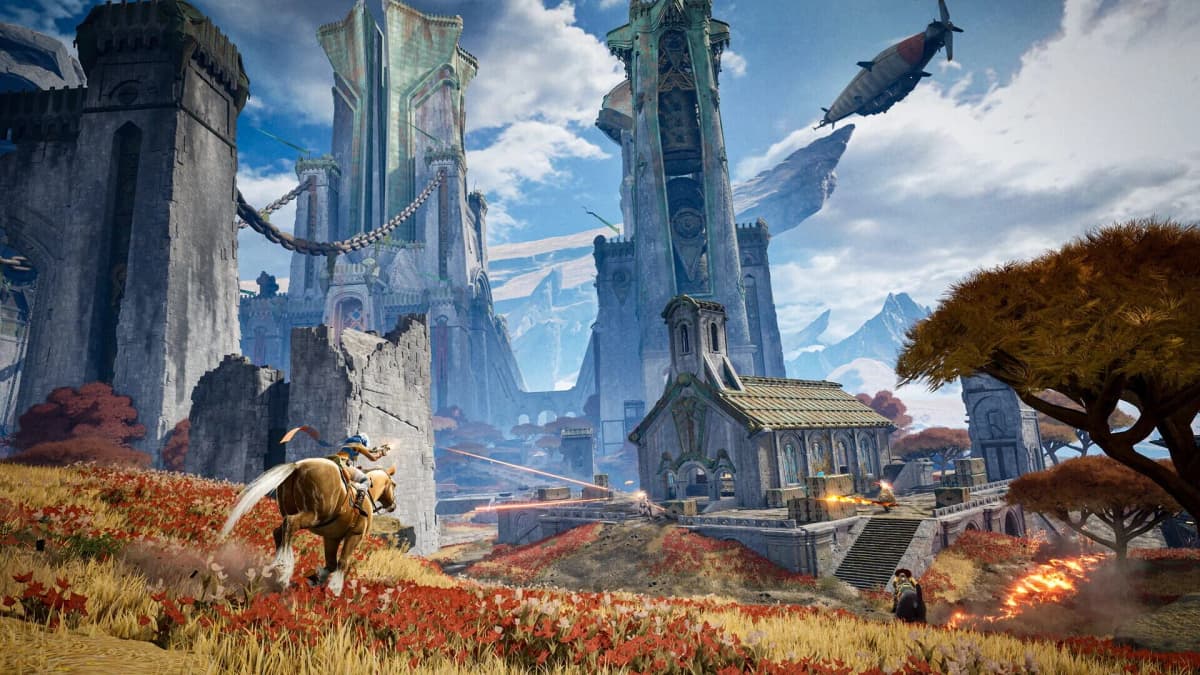
Lead Designer Mohammad Alavi has been blunt: “We don’t need [player counts] to be super huge… A six-player match is not hard to find.” That’s not PR spin – it’s product logic. If matches remain quick and matchmaking keeps skill integrity, a smaller but engaged population is enough to sustain ranked ladders, seasonal balance, and competitive communities.
That said, the transition hasn’t been smooth. Steam’s user reviews skewed negative at launch due to bugs, pacing complaints, and a feeling some systems weren’t clearly communicated. Wildlight has acknowledged marketing and onboarding shortcomings and is prioritizing hotfixes, queue/UX optimizations, and new mode experiments (6v6 was explicitly floated).
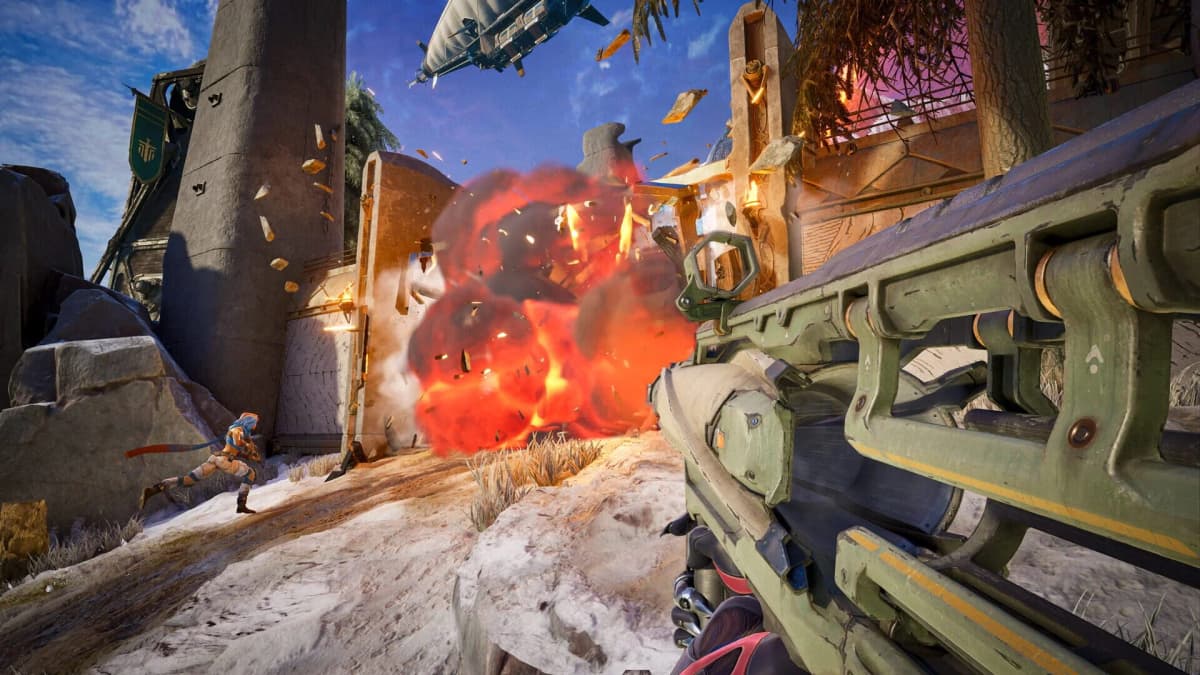
From a gameplay perspective Highguard mixes hero-based kits, large destructible maps, horseback mechanics, and raid objectives. Those design choices amplify the case for a smaller, dedicated base: depth and emergent moments (blowing a wall mid-chase, coordinated breaches) reward practiced teams and content creators more than mass lobbies do.
What players should do now
- Install on Steam (free) and try Core Raid in unranked to learn timing and map flow.
- Master 2-3 heroes-one mobility/roamer and one objective specialist—to stay useful in quick matchmaking.
- Monitor SteamDB and community Discord for peak times and LFG channels so you can queue when populations spike.
- Report precise bugs and UX issues; small teams prioritize actionable feedback.
Community formation will determine Highguard’s next phase. The game benefits from concentrated hubs—Discord LFG, streamer clans, and regional playtimes—because those let six-player matches become reliably good experiences. If Wildlight executes steady patches and adds requested modes, the title can emulate mid-tier live-service wins: modest peak numbers but high retention and healthy monetization through cosmetics.
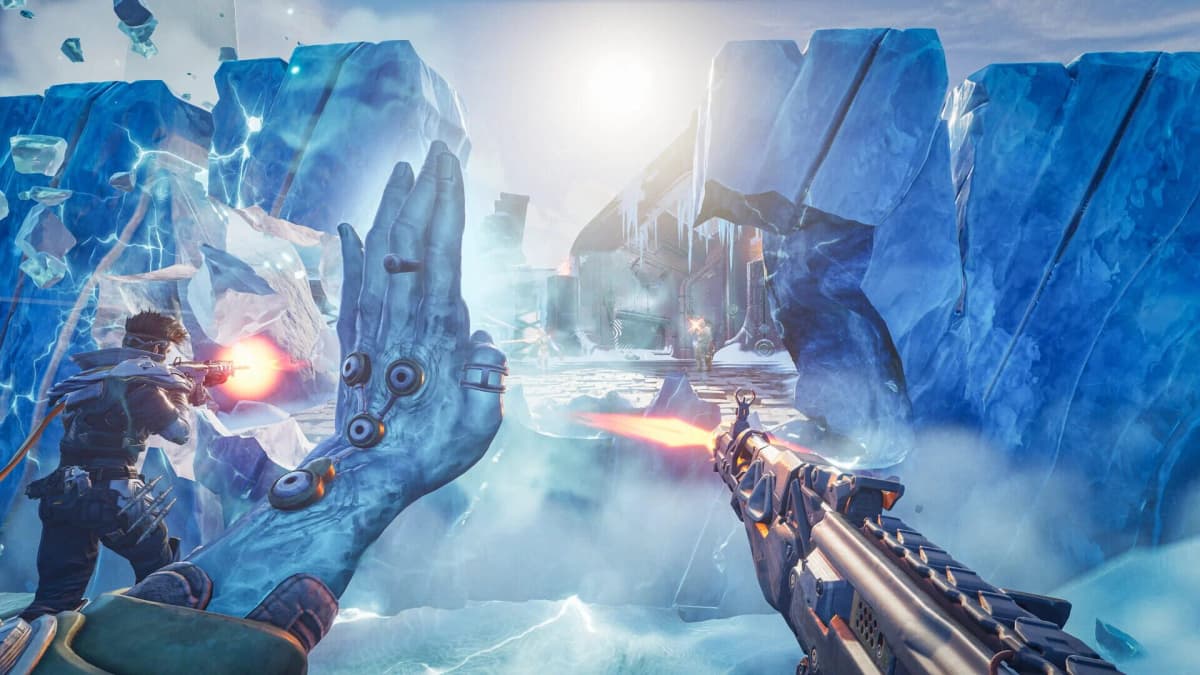
Compare that to high-profile failures that never found a core (Concord, ~697 peak) — Highguard has avoided that cliff by virtue of quick matchmaking and design that rewards small-team coordination. The real test is whether retention stabilizes around tens of thousands cross-platform rather than headline-chasing spikes.
TL;DR — My take
Highguard’s early numbers make for noisy headlines, but the game’s 3v3 raid design means steady, smaller populations can be healthy. Wildlight is focused on iterating with a core community rather than chasing viral permanence. If you want to try it now: play unranked, join Discord, track SteamDB for best queue windows, and help prioritize fixes—your feedback matters a lot more here than on a giant, million-player title.
FinalBoss // Gear
Level up your setup
01Top-rated gaming headsetson Amazon→02High-refresh gaming monitorson Amazon→03Gaming chairson Amazon→04Discounted game keyson Kinguin→Affiliate links · As an Amazon Associate, FinalBoss earns from qualifying purchases.