
Highguard didn’t lose players because it had bad guns or ugly art – it lost them because the team built a game that rewarded perfect coordination and punished anyone who wasn’t already playing at a competitive level. That’s the blunt thesis former Wildlight senior level designer Alex Graner laid out on the Quad Damage podcast, and it’s the clearest explanation yet for why a game that peaked at 100k+ concurrent Steam players cratered into “Mixed” reviews and layoffs within weeks.
- Key takeaway: Designing for the hardcore 3v3 crowd raised Highguard’s skill floor so high casuals couldn’t stick around.
- Spotlight matters: A heavy reveal cycle and press attention magnified early churn instead of fixing it.
- Patch band-aids: Raid Rush and Episode 2 might tweak numbers briefly, but they don’t undo the foundational design choice.
Table of Contents (7)
Designing the “sweatiest” version of a shooter is a strategic gamble
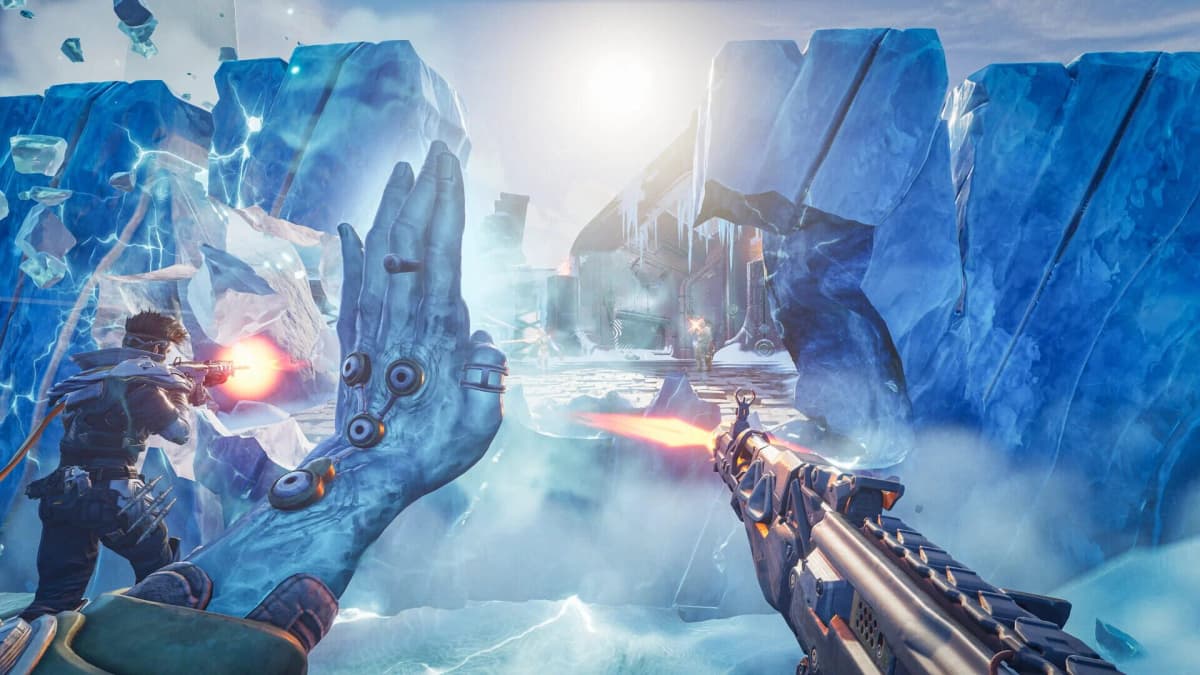
Graner’s point is simple: when Highguard pivoted toward a 3v3, hero-led, high-skill format, it became “the sweatiest version” of the team shooter template – the kind of mode that chews up newcomers because matches demand precise movement, tight comms and synchronized tactics. Eurogamer, PCGamesN and Rock Paper Shotgun all reported the same quote and the same diagnosis after Graner’s appearance. In a market already dominated by Counter-Strike 2, Apex Legends and blockbuster battle royales, that’s not just risky – it’s a misfit.
Why that mattered fast: retention and perception are cruel
Highguard launched as a free-to-play fantasy raid shooter from a team with Respawn alumni and a Tencent-backed funding angle. It opened with a respectable spike — reports say 100k+ concurrent players on Steam — but lost momentum quickly. Steam reviews slipped to “Mixed” (about 55% positive from 12k+ reviews), and community threads pivoted from praise for movement to complaints about empty lobbies, punishing metas, and monetization pressure.
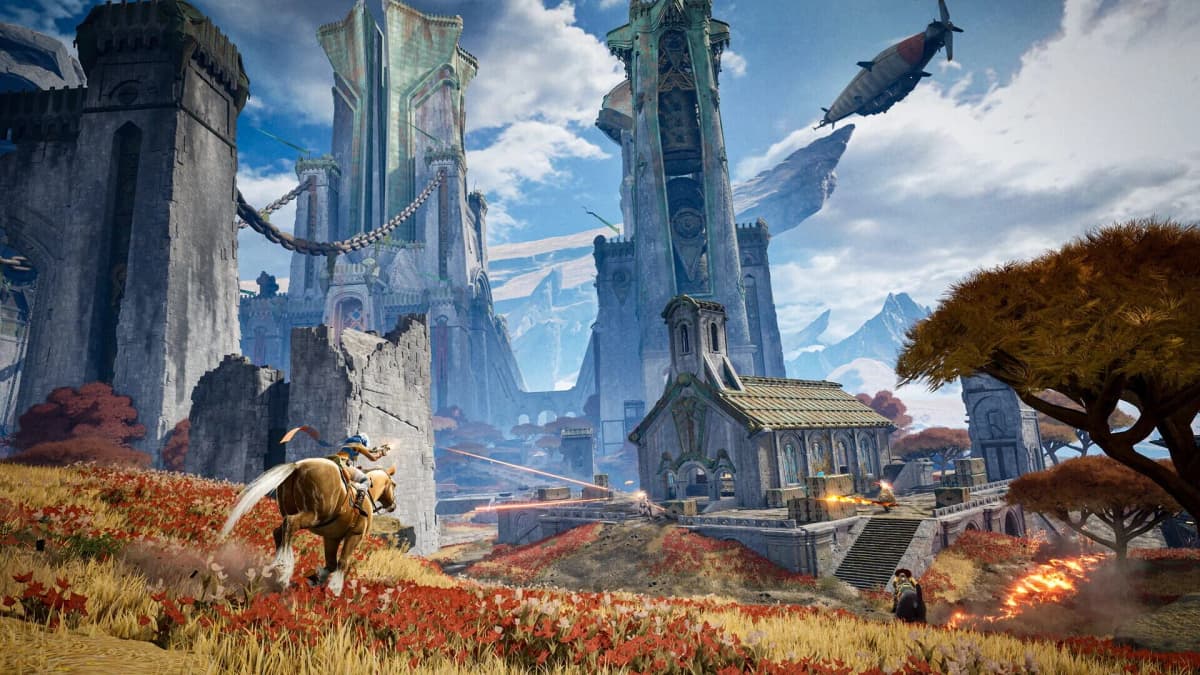
That drop isn’t abstract. Wildlight cut roughly 80% of a ~100-person staff on February 11, leaving fewer than 20 on the project. When a new live service has to survive on a shell team, design overhauls and large-scale course corrections are improbable. Graner and others argue the core problem was a mismatch between the game they shipped and the wider audience they needed to keep it going.
The spotlight made everything worse
Graner also flagged timing: the game carried pressure from a high-profile reveal at The Game Awards. That attention is a double-edged sword. Geoff Keighley-sized spotlights bring eyeballs but also accelerate the moment-to-moment measurement of success. Instead of ironing out retention issues through wider betas, Wildlight kept pre-launch testing relatively quiet. Analysts and former staff quoted in coverage argue a broader open beta could have exposed the churn problem before launch.
Raid Rush and Episode 2: tinkering at the edges
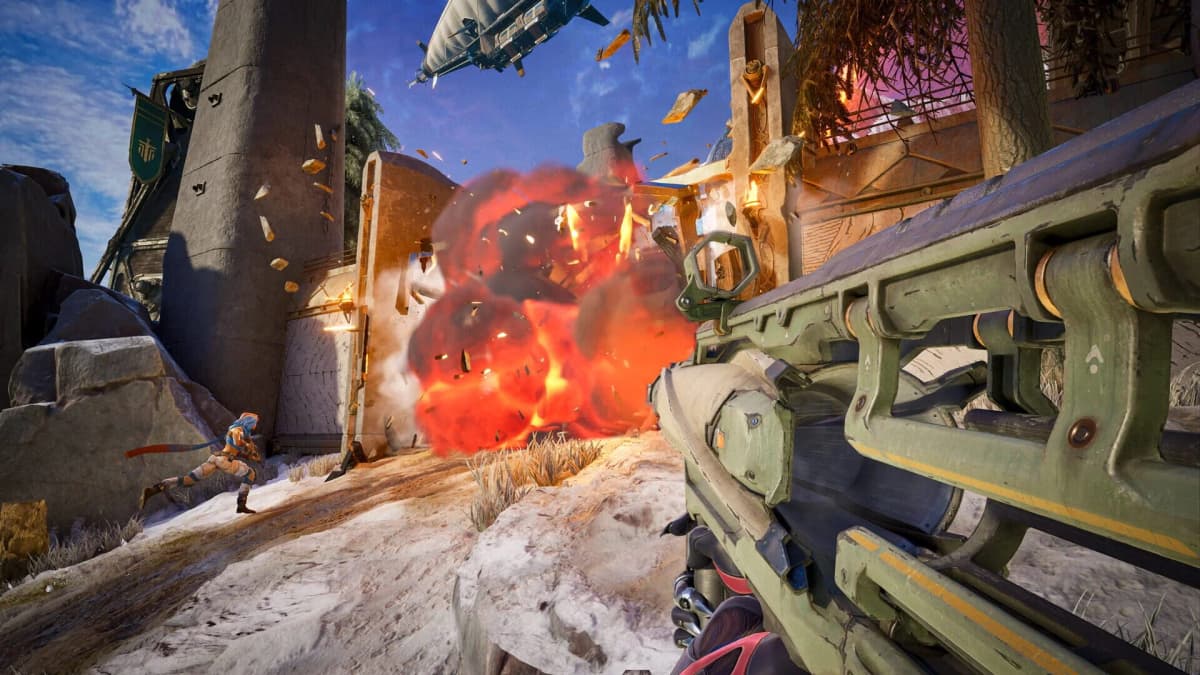
Wildlight’s roadmap promises six “episodes” in 2026, with Episode 2 rolling out ranked mode, a new Warden and mounts, plus new maps and loot types. The studio has already pushed Raid Rush and a few early patches; Steam activity and Discord chatter showed only a brief uptick after those updates. That’s exactly the problem: small-content patches help engagement temporarily, but they don’t widen the funnel if the underlying gameplay rewards an elite few.
The uncomfortable observation Wildlight didn’t want shouted in the forums
Here’s the thing PR teams avoid admitting: you can’t paper over a design that funnels players out of your game by throwing in more characters or modes. If matchmaking, movement tech and complexity create a hostile onboarding curve, the only long-term fixes are reworks that often feel like admitting defeat. The studio’s pre-launch secrecy — despite internal playtests and involvement from Tencent’s TiMi Studio Group — reads now like a missed chance to catch the failure mode early.
What I’d ask Wildlight if I had five minutes
Why not a larger open beta to stress-test retention beyond the core “sweaty” players? And if ranked mode is Episode 2’s headline, isn’t that doubling down on the very audience that the game failed to retain?
What to watch
- Episode 2 rollout (late Feb-Mar 2026): watch concurrent player numbers and Steam review trends within 72 hours of the patch.
- Ranked mode metrics: if queues lengthen or average game time drops, ranked will likely reinforce the same retention problem.
- Any public statement from Wildlight about staffing or studio closure — the current skeleton crew size already constrains fixes.
- Community backlash on Steam/Discord: Graner’s comments have energized threads; sustained negative discourse represses new-player growth.
TL;DR: Highguard’s failure wasn’t a single technical bug or a lack of art — it was a strategic product choice. Building for the “sweatiest” fraction of the shooter audience in an oversaturated live-service market is a legitimate design, but it’s a niche that requires a huge ecosystem (tight matchmaking, spectatorship, esports pipeline) to sustain itself. Wildlight didn’t have that on launch day — and they paid for it in players and payroll.
FinalBoss // Gear
Level up your setup
01Top-rated gaming headsetson Amazon→02High-refresh gaming monitorson Amazon→03Gaming chairson Amazon→04Discounted game keyson Kinguin→Affiliate links · As an Amazon Associate, FinalBoss earns from qualifying purchases.
Want to Level Up Your Gaming?
Get access to exclusive strategies, hidden tips, and pro-level insights that we don't share publicly.
Ultimate Gaming Strategy Guide + Weekly Pro Tips