
This caught my attention because teams from Titanfall and Apex Legends built Highguard – a raid-focused free-to-play shooter – and they’ve chosen restraint over extraction. At launch (Jan 26, 2026) Wildlight shipped a full live-service shooter that deliberately limits monetization to direct cosmetic purchases and removes the usual pressure tactics: no loot boxes, no RNG, no battle pass FOMO and no in-game ads.
Highguard Takes a Refreshing Approach to Monetization – Cosmetic Only, No FOMO
- Direct-buy cosmetics only: no pay-to-win, no RNG loot boxes, and no intrusive ads or popups.
- Three-currency system (Highguard Gold, Warden Credits, Vigil Tokens) balances paid convenience with meaningful free progression.
- Launch giveaway: a free Pit Fighters Warchest with 44 items—players can build a collection without spending.
- Design tradeoffs: excellent short-term player-friendly optics, but long-term success depends on content cadence and tasteful collaborations.
{{INFO_TABLE_START}}
Publisher|Wildlight Entertainment
Release Date|January 26, 2026
Category|Free-to-play PvP raid shooter
Platform|PC (Steam/Epic), Xbox Series X/S, PlayStation 5
{{INFO_TABLE_END}}
Wildlight’s message is consistent: buy only what you want. VP Jason Torfin and director Chad Grenier promised a store built around direct purchases (typical $5-$20 items), no season-based lock-ins that force spending, and artist-led cosmetics rather than “gaudy crossover skins.” That’s not just marketing — the launch UI and store flows emphasize optionality and slow-release content rather than daily flashes and countdown timers.
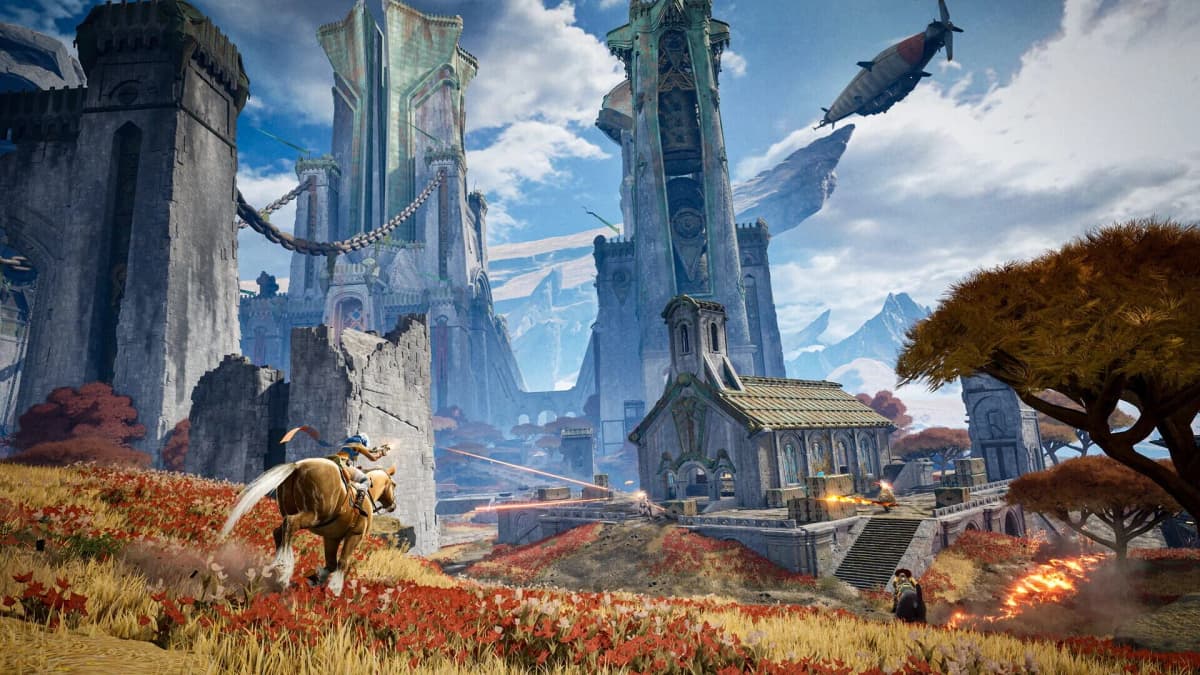
Mechanically, Highguard uses three currencies: Highguard Gold (real-money packs, the only currency you can’t earn in-game), Warden Credits (match/challenge-earned for weekly Trading Post items), and Vigil Tokens (passive token rewards that progress permanent Warchests). Vigil Tokens are the backbone for the free Pit Fighters Warchest (44 items) and are tuned so a typical 15-20 minute raid gives a meaningful chunk toward progression. The payoff is immediate: you can claim a launch Warchest after a single match and feel rewarded as a free player.
Practical player advice: prioritize Vigil Token management — Warchests won’t progress if you hit the token cap, so spend before capping. Use the Trading Post to burn Warden Credits on rotating recolors and charms to avoid overflow. If you value cosmetics but hate grind, expect to pay $10-$20 per standout skin; Wildlight intends to keep individual item prices modest and predictable.
Why this matters for shooter players
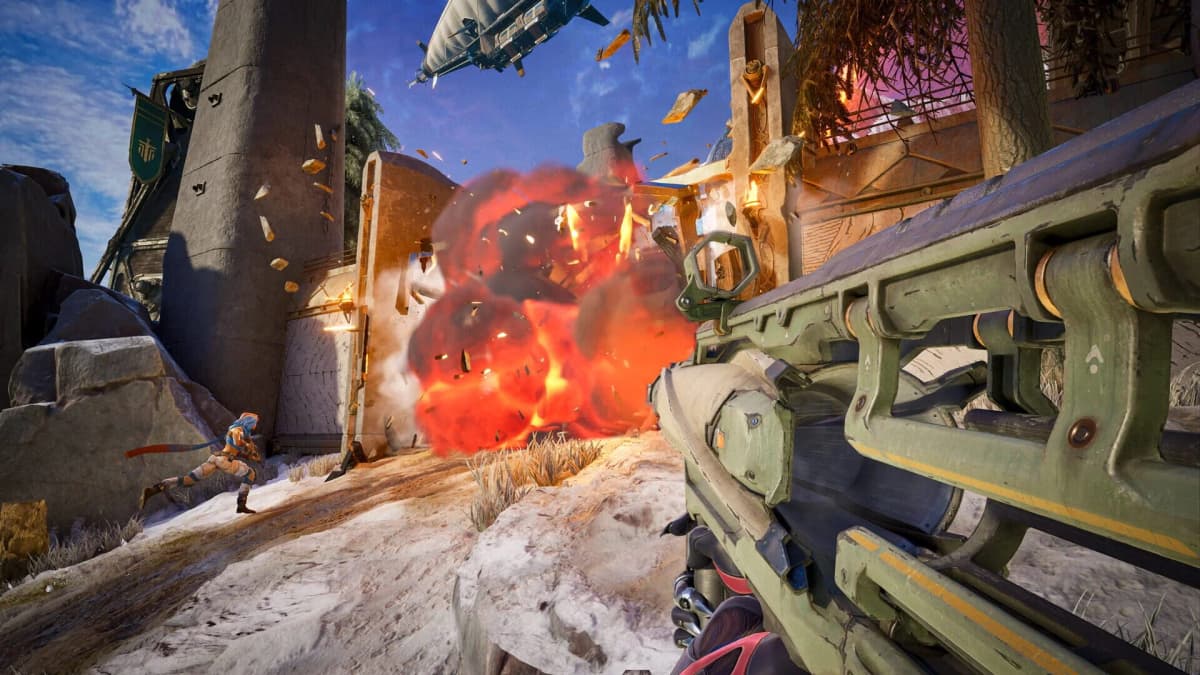
As someone who tracks shooter monetization closely, Highguard’s model is notable because it prioritizes gameplay and community health over short-term spend spikes. Compared to seasonal BP-driven games or RNG-heavy stores, this reduces anxiety in casual players and lowers toxicity around “cosmetic flexes” that also convey power. It’s a considerate approach that should help retention if content cadence is steady.
That said, there are clear risks. Cosmetic-only monetization still needs reasons for players to spend: strong art direction, meaningful animation polish, and timed-but-non-expiring offers. If Wildlight fails to deliver fresh, high-quality drops or leans on paid-only visual advantages that affect clarity in raids, the goodwill will erode. Also, partnerships will be a pressure point — devs say no mismatched crossovers, but licensing deals could tempt deviation.
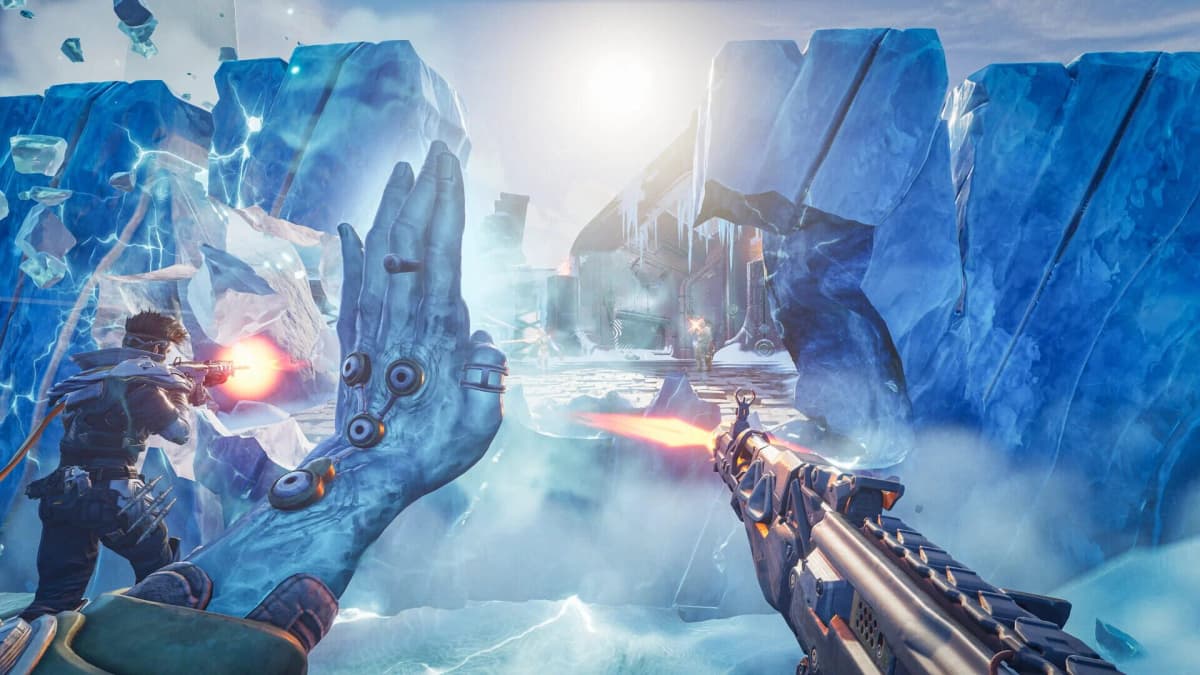
Short-term prediction: expect steady cosmetic drops across Q1–Q2, more Warchest-style permanent tracks, and cautious community-first events. Long-term success depends on keeping prices reasonable, maintaining transparency about earnings rates, and avoiding the urge to reintroduce RNG or gated power plays under new names.
What you should do as a player
- Claim the free Pit Fighters Warchest after your first match — it’s immediate value and builds momentum.
- Manage Vigil Tokens and Warden Credits to avoid hitting caps; spend rather than hoard.
- If you plan to buy, set a modest weekly budget ($10–$20) — top cosmetics are intentionally priced per-item.
- Watch early patches for balance tweaks where cosmetic visuals affect visibility; that’s the only place a “cosmetic” can unintentionally change gameplay.
TL;DR — Highguard’s launch is a welcome corrective in an era of aggressive live-service monetization. It’s not flawless: the model’s credibility will hinge on content quality and a steady, transparent roadmap. But for players who’ve grown tired of battle-pass pressure and loot-box math, Highguard offers a cleaner, more player-friendly path: pay only for what you want, and nothing you equip changes the scoreboard.
FinalBoss // Gear
Level up your setup
01Top-rated gaming headsetson Amazon→02High-refresh gaming monitorson Amazon→03Gaming chairson Amazon→04Discounted game keyson Kinguin→Affiliate links · As an Amazon Associate, FinalBoss earns from qualifying purchases.