
Table of Contents (15)
Highguard’s Steam Launch Was a Trainwreck – And That’s on Valve, Not the Game
I watched Highguard’s Steam launch like a hawk. New PvP shooter, ex-Titanfall talent, shown in the prime “one more thing” slot at The Game Awards – of course I was going to be there on minute one, hovering over the install button. Instead of hype, what I got was a masterclass in how catastrophically broken Steam’s review system is for free-to-play games.
Within minutes – literally minutes – of launch, Highguard was sitting at “Overwhelmingly Negative” (or very close to it) on Steam. Not after a weekend of people trying it and bouncing off. Not after a balance patch that broke everything. Instantly. At a point where nobody on earth had put in anywhere near enough time to form a good-faith judgment.
Then we dug into the data. Among players who had actually played more than five hours of Highguard on day one, 78% left a positive review. Over the game’s first week, that crept up to around 85% positive from the same 5+ hour crowd – “very positive” territory. Yet the public-facing score people actually see on the store page? First “extremely negative,” then “mostly negative,” now awkwardly sitting at “mixed.”
Highguard isn’t some secret masterpiece – at least not yet. But it is absolutely better than Steam makes it look. And that gap between reality and perception is exactly why I’m angry. Not at Wildlight Entertainment. Not even at the people who were mad the game dared to exist without being Titanfall 3. I’m angry at Valve, because Steam’s review system is an archaic mess that lets bad-faith mobs kneecap a game’s launch for free.
Key Takeaways
- Highguard’s Steam rating was tanked by instant review bombing, despite long-session players rating it strongly positive (78–85% positive at 5+ hours).
- Steam’s current review system is structurally hostile to free-to-play games: anyone can install, leave a bad review, and uninstall in minutes at zero cost.
- Review bombing isn’t just annoying – it directly sabotages discoverability and revenue, especially for indies and games with “controversial” representation.
- Valve needs to reform reviews: playtime thresholds or weighting, better bomb detection, and a hard separation between reviews and discoverability scores.
Why I Care So Much About This Mess
I’ve sunk an irresponsible amount of my life into competitive shooters. Titanfall 2 is one of my all-time favorite games. I still drop into Apex Legends when I want that Respawn-flavored adrenaline hit. I’ve lived through the whole cycle: overhyped live-service launches, undercooked betas, miraculous turnarounds a year later, and the graveyard of shooters that never got a second chance because their first impressions were poisoned.
So when a new shooter appears “from the makers of Titanfall 2,” my expectations are high but not unreasonable. I know the odds. I know most new PvP games don’t make it. But Highguard’s gameplay was never really given the chance to succeed or fail on its own terms. Its biggest opponent at launch wasn’t Apex, Valorant, or Call of Duty – it was Steam’s own systems and a brigade of furious people punishing the game for not being a totally different product.
After years of watching smaller teams get obliterated by review bombs – over DLC policies, “woke” content, or just being in the wrong trailer at the wrong awards show – I’m done treating this as background noise. Highguard is just the latest, and most obvious, proof that Valve’s hands-off approach isn’t neutral. It actively distorts the market, and it puts free-to-play indies on a chokehold timer.
The Numbers Don’t Lie – But Steam’s Front Page Does
Let’s sit with those numbers again, because they matter.
- Launch window score: Tanked to “extremely negative” within minutes, before anyone could meaningfully play.
- Day one, 5+ hours played: About 78% of those players left a positive review.
- Week one, 5+ hours played: That positive share rose to around 85% – hovering in “very positive” territory.
- Public-facing rating: Slowly crawls up from “mostly negative” to “mixed,” dragging a cloud of damage behind it.
What does that tell me?
- People who actually spent real time with Highguard mostly liked it.
- The storefront score new players saw wasn’t reflecting engaged player sentiment – it was reflecting drive-by reactions.
- Steam’s review system is trivially easy to weaponize at exactly the moment a game is most vulnerable: launch.
This is the crucial bit: I’m not arguing that every negative review is invalid. Some players genuinely bounced off Highguard. Some people really did hate the gameplay, the art direction, the monetization – fine. That’s normal, and that feedback should exist.
The problem is that the system doesn’t distinguish between:
- Someone with 10 hours played, carefully explaining why the game’s time-to-kill feels off, or the maps don’t support the movement.
- Someone who installed, loaded the main menu, got mad it wasn’t Titanfall 3, hammered out “dead game LMAO” and uninstalled.
To Steam, those two reviews weigh exactly the same. And when a game is free-to-play, the second kind is essentially limitless. There’s no $70 paywall acting as friction against bad-faith attacks. There’s no sunk cost to make someone pause and think, “Is it really worth the effort to buy, review-bomb, then refund?”
Free-to-Play Games Are Sitting Ducks on Steam
Here’s the ugly asymmetry: premium games have a built-in shield. To review bomb them, you have to spend money first. Yes, people sometimes buy purely to leave a bad review and refund later, but that’s extra hassle and risk. For most folks, that level of effort is a hard no.
Free-to-play games like Highguard have none of that protection. The “attack” flow looks like this:
- Click install.
- Launch game once.
- Write a review based on the trailer, your expectations, or your personal grudge.
- Uninstall five minutes later.
Zero dollars. Almost zero time. Maximum impact on the most visible metric the game has on Steam.
And when we talk about impact, we’re not just talking about “hurt feelings” or “internet drama.” Steam reviews feed directly into discoverability. That little “mostly negative” tag next to the logo isn’t just social commentary – it affects how often a game appears in recommendations, how it’s treated by the algorithm, and whether anyone even scrolls down far enough to see the nuanced, long-form reviews from people with 30+ hours in the game.
This is why Highguard matters. It’s not the first to get review-bombed. We’ve seen Paradox titles get slammed over DLC decisions, games dogpiled for being “too woke” (translation: they dared to include non-white or LGBTQ+ characters), and now an indie shooter gets mobbed because it had the audacity to occupy a prestigious trailer slot at The Game Awards.
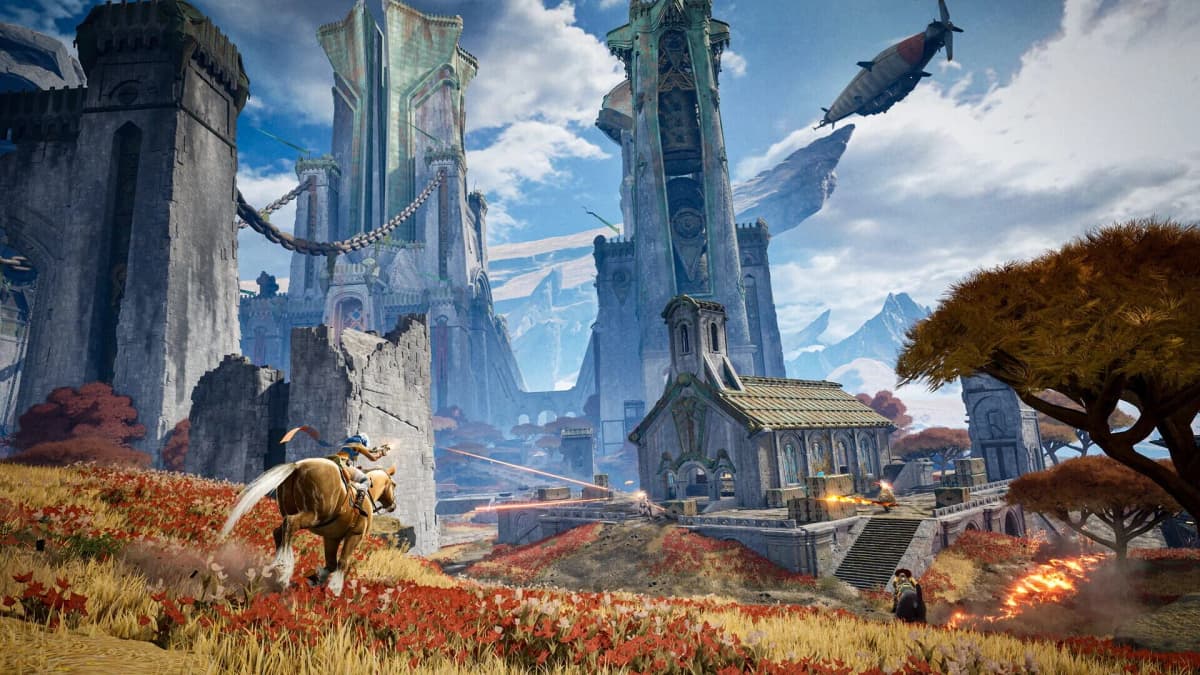
But Highguard’s case is brutally clear-cut: a free-to-play live-service game, built by a new studio, thrown into the grinder of Steam’s review system before it even had a chance to show what it is.
The Curse of “Not Being Titanfall 3”
I get why people were disappointed by that Game Awards reveal. For years, the “one more thing” slot has been reserved for massive, headline-dominating trailers: the new Mass Effect tease, Monster Hunter Wilds, huge first-party swings. When you see “from the makers of Titanfall 2,” your brain fills in the rest: “Oh my god, it’s finally Titanfall 3.”
Then the trailer hits, and it’s… not that. It’s a new thing. A scrappy, slightly awkward-looking new thing. I didn’t love that trailer either. It felt rushed, noisy, and unsure if it wanted to be a Titanfall successor or its own weird sci-fi PvP project. I winced. I made my jokes. But my instinct was to try the game, not burn it to the ground in revenge for daring to not be my dream sequel.
The mob that swarmed Highguard on Steam clearly didn’t feel the same obligation. They took that disappointment – and maybe some resentment toward Geoff Keighley for “wasting” the slot – and fired it straight at the game. Highguard wasn’t being judged on its merits. It was being punished for its marketing context.
And here’s where Steam’s system fails spectacularly: it can’t tell the difference between “this game runs like garbage on my PC” and “I wanted Titanfall 3 instead.” Both end up as the same red thumbs-down, counting equally toward the score that decides whether the game lives or dies.
Steam Has Tools – They’re Just Not Enough
Valve does have some mechanisms to detect “off-topic review activity.” They’ve used them before when a game is getting slammed for reasons totally unrelated to the product itself – a publisher’s political statement, a controversy on social media, that kind of thing. In those cases, they can flag and exclude those reviews from the overall score.
But what happened to Highguard shows the limits of that approach. Launch-day bombs are hard to classify as “off-topic” because people did technically download the game. They opened it. They can always claim some wafer-thin justification: “I don’t like the art style,” “The menu is laggy,” “The trailer was misleading.”
And because Valve refuses to meaningfully weight reviews by engagement or playtime, those five-minute “played” reviews have exactly the same power as the thoughtful breakdown from someone who has sunk an entire week into the game.
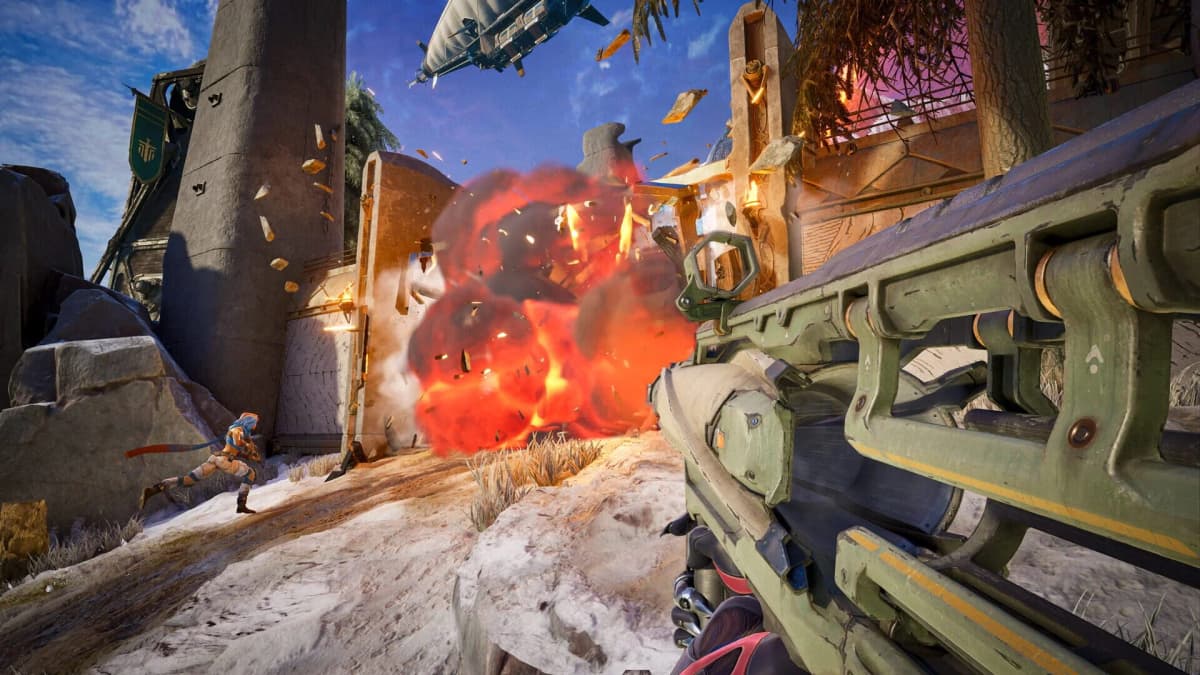
So yes, Valve has some tools. But they’re mostly band-aids for PR disasters, not structural fixes. Highguard needed structural fixes.
What Valve Should Change – Right Now
I’m not advocating for silencing criticism. Players should absolutely be allowed to say, “This game sucks for me” – even if I end up disagreeing. But criticism isn’t the same thing as carte blanche for consequence-free brigading, and that’s effectively what Steam enables today.
Here’s what I think Valve needs to do, especially for free-to-play titles:
1. Weight Reviews by Playtime (Instead of Treating All Reviews as Equal)
A review from someone with 20 hours in a game should not count the same as a review from someone with 6 minutes. This doesn’t mean short-playtime reviews should vanish – people who refund in under two hours might have perfectly valid reasons – but the storefront score should be heavily influenced by players who’ve spent actual time in the game.
- Let everyone review at any time.
- But calculate the big, bold percentage on the store page primarily from players above a certain playtime threshold – maybe 3, 5, or 10 hours.
- Show a separate stat like “Early Impressions (under 2 hours)” for transparency.
That alone would have painted a radically different picture for Highguard from day one.
2. Introduce Soft Playtime Gates for How Reviews Affect Discoverability
I’m not a fan of outright banning people from leaving a review before X hours – that screws over short games and experimental projects. But Valve could absolutely say: “Until you’ve played at least one full match, one mission, or 30–60 minutes, your review still appears publicly but doesn’t heavily affect how the game is ranked and recommended.”
That would protect bite-sized titles by letting devs set appropriate “meaningful play” thresholds, while preventing “menu-only” reviews from dominating the algorithm for larger games.
3. Separate Reviews from Discoverability Completely
This is the nuclear option, and honestly, I’m leaning toward it more and more: decouple user reviews from the discoverability algorithm.
Let reviews stay as a social, community-driven metric – a place for players to talk to each other. But let the recommendation and front-page systems lean on:
- Retention (do people come back after day one?).
- Long-term engagement (how many people hit 5, 10, 20 hours?).
- Churn after updates (do patches fix or worsen engagement?).
Right now, a coordinated Steam group can kneecap that system for free. Tying discoverability to behavioral data instead of raw sentiment would make that much harder.
4. Better, Automatic Launch-Day Bomb Detection
If a game launches and within 30 minutes it has hundreds of negative reviews from players with under 10 minutes played, that should set off alarms automatically. Valve doesn’t need a tribunal – just a basic, transparent rule:
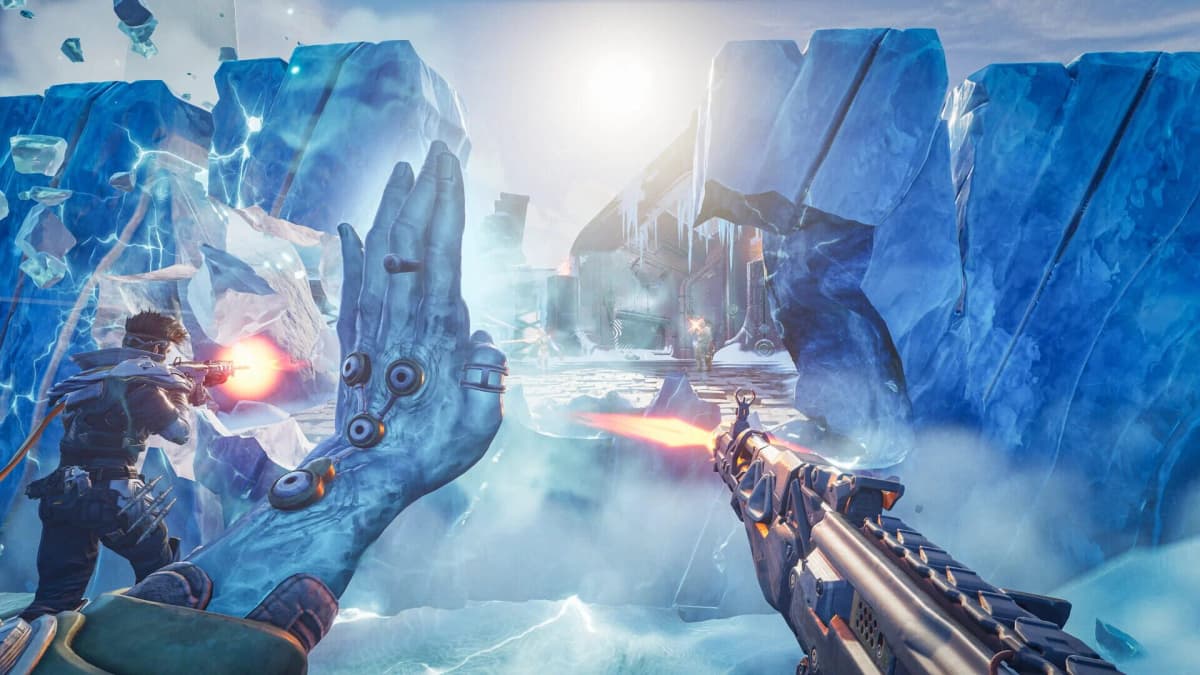
- If the majority of reviews in a short timeframe come from players below a set playtime threshold, flag that period and diminish its effect on the overall score until there’s more data from longer sessions.
Real criticism will still surface. But the first impression new players see won’t be decided entirely by a wave of people who barely loaded the game.
Why This Matters Beyond Highguard
Highguard will probably survive this. It has name recognition via “from the makers of Titanfall 2.” It has a splashy Game Awards moment behind it. It’ll get coverage, streams, and second looks. Over time, it may well climb out of the “mixed” pit as more players actually play it instead of hating it on principle.
The studios I’m really worried about are the ones who don’t have that safety net.
- Indie teams dropping their first free-to-play title.
- Games that dare to foreground queer characters, non-white casts, or politically charged themes.
- Experimental projects that are easy to misread from one clumsy trailer.
For them, a launch-week rating of “mostly negative” isn’t an annoyance – it’s a death sentence. Publishers walk away. Streamers don’t touch it. Players never even see it in their algorithmic feeds. By the time word-of-mouth from real fans could salvage the reputation, the game’s already bled out.
Steam likes to pretend it’s just a neutral platform, but the way it structures reviews has real, economic consequences. Letting a coordinated group of angry people decide a game’s fate in the first 24 hours isn’t “free speech.” It’s abdication of responsibility.
Where I Land on Highguard Itself
I haven’t played enough Highguard to plant a definitive flag on “great” or “mediocre.” From what I have played, it’s certainly not the trainwreck its early Steam rating implied. It feels like a solid, if not yet spectacular, starting point for a live-service shooter – the kind of game that could absolutely grow into something special with time, patches, and community feedback.
And that’s exactly why this whole thing infuriates me. Live-service games need time. They need a steady flow of curious new players giving them a fair shake in the first month or two. Instead, Highguard spent its most critical window wearing a giant “MIXED / MOSTLY NEGATIVE” sign around its neck, thanks to people who never intended to give it a real chance.
I’ll keep playing. I’ll keep watching to see if Wildlight answers the community’s biggest questions and smooths out the rough edges. But I’m also watching Valve now. Because if Highguard’s legacy ends up being “the game that finally forced Steam to update its archaic review systems,” that bland, Titanfall-baiting Game Awards trailer will suddenly look like a bargain.
TL;DR – Steam’s System Is the Real Villain Here
Highguard’s rocky launch didn’t prove the game is terrible. It proved Steam’s review system is catastrophically easy to game, especially against free-to-play titles. A wave of instant, low-playtime negative reviews drowned out the much more positive sentiment from players who actually stuck with the game for hours.
Until Valve starts weighting reviews by playtime, separating social sentiment from discoverability, and automatically throttling obvious launch-day bombs, we’re going to keep seeing this story repeat – and a lot of smaller, braver games than Highguard are going to die quietly because of it.
FinalBoss // Gear
Level up your setup
01Graphics cardson Amazon→02Gaming laptopson Amazon→03High-refresh gaming monitorson Amazon→04Discounted game keyson Kinguin→Affiliate links · As an Amazon Associate, FinalBoss earns from qualifying purchases.