
Table of Contents (5)
This caught my attention because a free-to-play shooter spiking without big marketing is rare – and the fallout looks instructive
Highguard, Wildlight Entertainment’s free-to-play shooter, launched on January 26 for PC, PlayStation 5 and Xbox Series X|S and quickly approached 100,000 concurrent players on Steam. That kind of organic spike is newsworthy in a crowded live-service space – but the story isn’t all steam and roses. Steam ratings have moved from “mostly negative” to what reports describe as overwhelmingly negative, a sign that initial curiosity may be colliding with quality, design, or monetization expectations. Wildlight plans a year-one roadmap starting in February, which will be decisive for whether Highguard keeps players or fades fast.
Key takeaways
- Highguard hit roughly 100K concurrent on Steam at launch despite minimal marketing – a clear sign of strong initial discoverability or viral buzz.
- Steam review sentiment worsened after launch, shifting into overwhelmingly negative territory — early retention and player satisfaction are immediate concerns.
- Wildlight’s February roadmap is crucial: live-ops content, fixes, and monetization transparency will determine long-term success.
- Console performance and cross-platform retention remain unproven; PC spikes alone won’t sustain a free-to-play shooter.
{{INFO_TABLE_START}}
Publisher|Wildlight Entertainment
Release Date|January 26, 2026
Category|Free-to-play shooter
Platform|PC, PlayStation 5, Xbox Series X|S
{{INFO_TABLE_END}}
Main analysis — why this launch matters (and what probably went wrong)
Big launch spikes without big marketing are baked from a few common ingredients: placement on Steam’s discovery feeds, a handful of high-profile streamers or influencers trying the game, or a viral moment that draws viewers. Whatever combination pushed Highguard toward ~100K concurrent is valuable currency for a fledgling live-service. It buys Wildlight time to build features and tune systems — but only if those new players stick around.
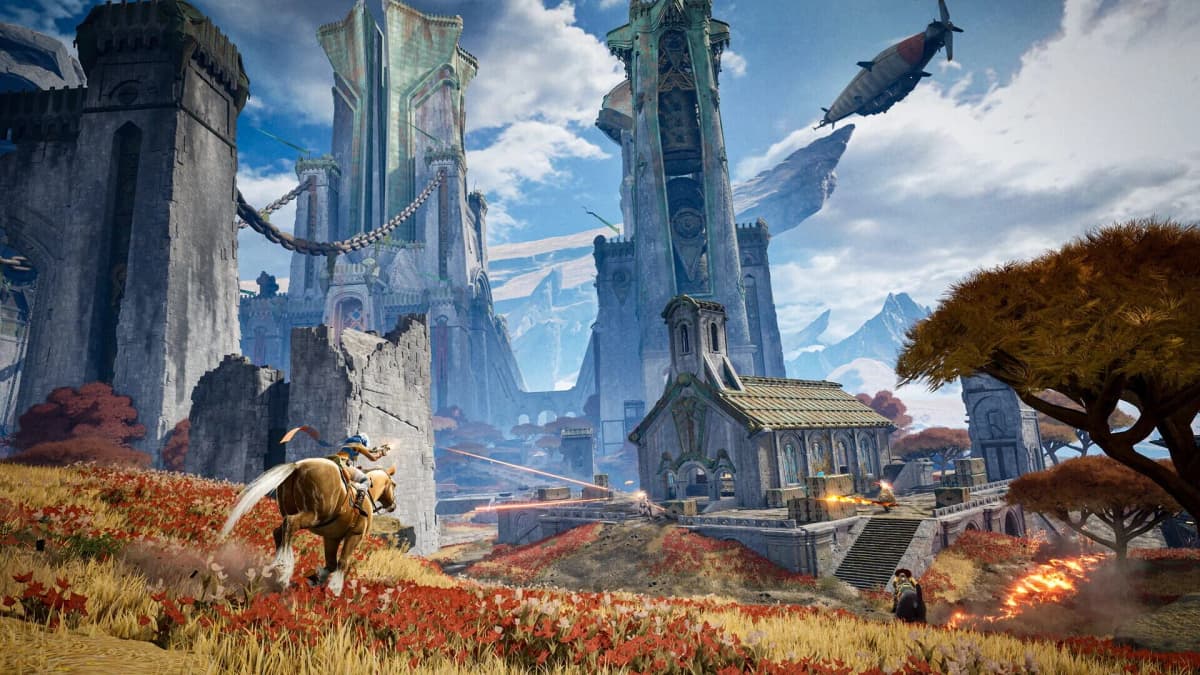
The rapid slide in Steam sentiment is the alarm bell. “Mostly negative” to “overwhelmingly negative” suggests the issue isn’t just a handful of angry players; it looks systemic. Typical drivers for that pattern are technical problems (bugs, crashes, server instability), gameplay balance or matchmaking frustrations, or monetization practices that feel predatory at launch. Another vector is review-bombing tied to a specific controversy, but absent evidence of that here, the safer reading is that a lot of players tried the game, liked some core idea enough to try it, then hit friction that soured the experience.
For free-to-play shooters, the first weeks are everything. Initial concurrency proves interest; retention and conversion prove a business. A roadmap starting in February shows Wildlight understands this timeline — new modes, progression fixes, QoL patches, and transparent monetization updates can stabilize sentiment. But many studios have learned the hard way that a populated server at launch doesn’t guarantee a live, profitable community six months later.
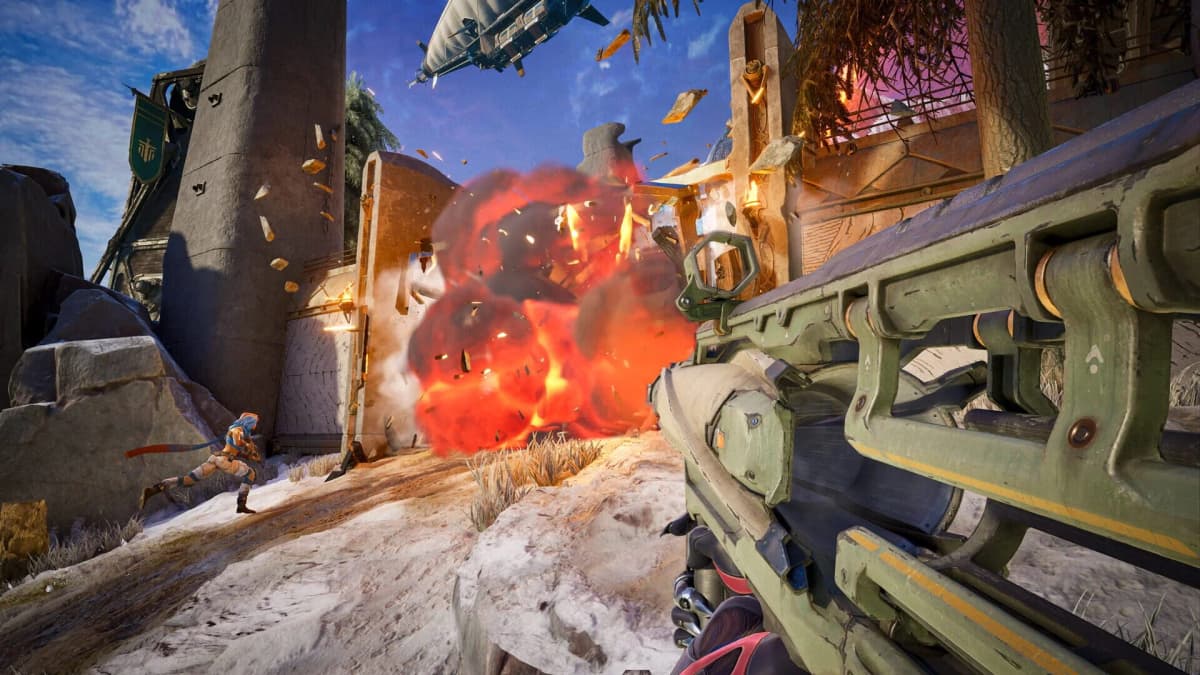
Console launches add another wrinkle. Porting networked shooters to PS5 and Xbox Series X|S without performance regressions is non-trivial. If console users face worse matchmaking, higher input lag, or platform-specific bugs, those players can leave faster than PC players. With no firm public data on console numbers yet, Highguard’s cross-platform health is an open question.
What this means for players, creators, and the market
- Players: If you’re curious, it’s reasonable to try Highguard (it’s free), but treat early impressions cautiously — expect rough edges and fast-paced patching.
- Community builders: Early negative reviews are salvageable if Wildlight prioritizes stability, matchmaking, and clear communication about monetization and progression.
- Industry watchers: Highguard is a reminder that discoverability can still trump marketing spend — but long-term success in F2P shooters depends on retention, not launch-day hype.
From my perspective following the shooter/live-service space, this launch fits a familiar pattern: surprising initial interest, followed by a reality check when core systems meet scale. Wildlight has an opportunity — and a tight window — to translate curiosity into loyalty. How they handle the February roadmap, bug fixes, and transparency around in-game purchases will show whether Highguard becomes a sleeper hit or a cautionary tale.
TL;DR
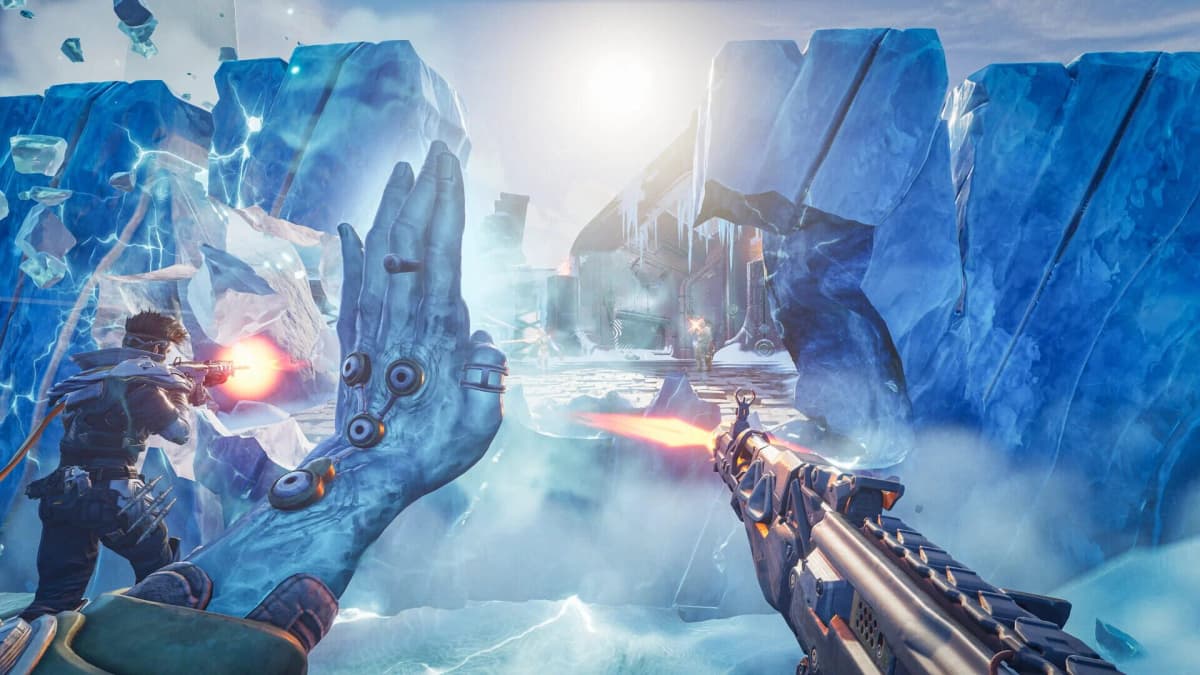
Highguard scored a notable organic spike to ~100K concurrent on Steam at launch, but worsening Steam reviews and unknown console performance put long-term prospects at risk. The February roadmap is make-or-break: fixes, clear monetization, and steady content drops will determine whether that initial crowd sticks around.
FinalBoss // Gear
Level up your setup
01Graphics cardson Amazon→02Gaming laptopson Amazon→03High-refresh gaming monitorson Amazon→04Discounted game keyson Kinguin→Affiliate links · As an Amazon Associate, FinalBoss earns from qualifying purchases.
Want to Level Up Your Gaming?
Get access to exclusive strategies, hidden tips, and pro-level insights that we don't share publicly.
Ultimate Gaming Strategy Guide + Weekly Pro Tips