
Hogwarts Legacy just crossed 40 million sales — why that still matters more than you think
Game intel
Hogwarts Legacy
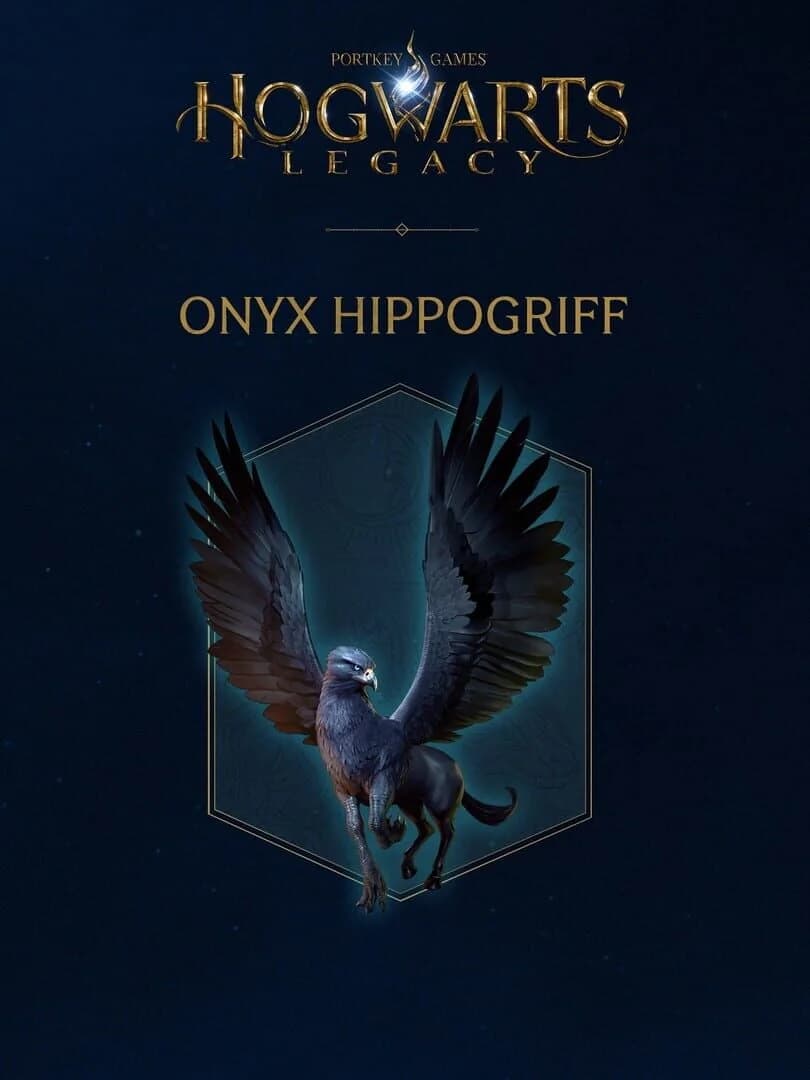
This includes: the Onyx Hippogriff Mount. Hogwarts Legacy is an open-world action RPG set in the world first introduced in the Harry Potter books. Embark on a…
Why this milestone actually changes the game for players
This caught my attention because selling 40 million copies isn’t just a headline-it guarantees Hogwarts Legacy is more than a one-hit wonder for Warner Bros. Games. It puts Avalanche’s 1800s-set RPG into the commercial conversation reserved for modern tentpoles, which immediately shifts how a sequel, DLC, and ongoing support will be handled.
- 40M+ sales turn Hogwarts Legacy into a strategic franchise for WB-expect a sequel and sustained support.
- The game’s success persisted despite ongoing controversy tied to J.K. Rowling, which is notable and messy.
- For players, this could mean bigger budgets, earlier release windows for follow-ups, and more aggressive monetization choices.
Breaking down the announcement: what players should actually care about
Warner Bros. Games confirmed Hogwarts Legacy has topped 40 million copies sold worldwide. That’s a huge number, and while it doesn’t vault the title into the all-time top ten, it places the game firmly among the most successful modern releases. Developer Avalanche Software and the Portkey Games label now have the commercial proof they need to push a sequel from “nice to have” to “priority,” which the publisher has already stated.
Why does that matter to you? Because sales drive corporate decisions. A guaranteed sequel means more developer hiring, bigger budgets, and the sort of roadmap that spices a franchise with DLC, live events, or expansions. It also means WB will protect the IP aggressively-expect more tie-ins, merch, and cross-promotional pushes.
The controversy that didn’t stop the register
Let’s be blunt: Hogwarts Legacy launched under a cloud of controversy tied to J.K. Rowling’s public statements, and that conversation has never fully gone away. That the game still reached this milestone highlights a persistent divide in the community. Some players boycotted; many others separated the game from its creator and voted with their wallets. For developers and publishers, that divide is an operational headache—how do you market, credit, or distance future entries?
Gamers should expect this to shape the sequel’s messaging. Will WB lean into the wizarding IP or pivot to emphasize new characters and creative teams? Will future credits and narrative ownership be handled differently? Those are the real questions players should be watching for.
What this could mean for the sequel and for players
Concrete expectations: a sequel is now likely and will get priority resources. That could be good—more polish, bigger scope, stronger post-launch support. It could also be bad, depending on corporate choices. Bigger budgets can mean safer design decisions, more brand-safe content, and, yes, more ways to monetize (cosmetic shops, battle passes, or timed DLC). Avalanche has proven it can build an open-world wizarding sandbox; the next job is to avoid franchise-itis—turning a creative world into a cash machine.

From a player’s perspective, watch for a few signs in early sequel coverage: hiring pushes at Avalanche (or partner studios), talk of multiplayer or “live” features, and any language around “expanded monetization” or “seasonal content.” Those lines tell you whether WB treats the sequel like a premium narrative RPG or a long-term service product.
Want to Level Up Your Gaming?
Get access to exclusive strategies, hidden tips, and pro-level insights that we don't share publicly.
Ultimate Gaming Strategy Guide + Weekly Pro Tips
Industry context: why WB needed a win
Warner Bros. has been building its gaming portfolio through acquisitions and IP plays for years. Hogwarts Legacy hitting this scale gives the company a flagship they can iterate on—something rare for non-Fortnite-era major hits tied to legacy IP. It also proves that single-player, story-driven, open-world games can still move massive units when paired with a globally recognized universe.

That said, commercial success won’t inoculate the sequel from scrutiny. Players, critics, and communities will read every design choice through the lens of both the original game’s strengths and its controversies. Avalanche’s challenge will be keeping the magic in the gameplay without letting corporate calculus dilute the creative vision.
TL;DR
Hogwarts Legacy selling 40M+ copies repositions it from a surprise hit to a strategic franchise for WB. That’s good news for bigger budgets and a likely sequel—but it raises real questions about how WB and Avalanche will balance creative ambition, community concerns, and monetization. Keep an eye on early hiring, monetization language, and marketing tone for the clearest signs of what comes next.