
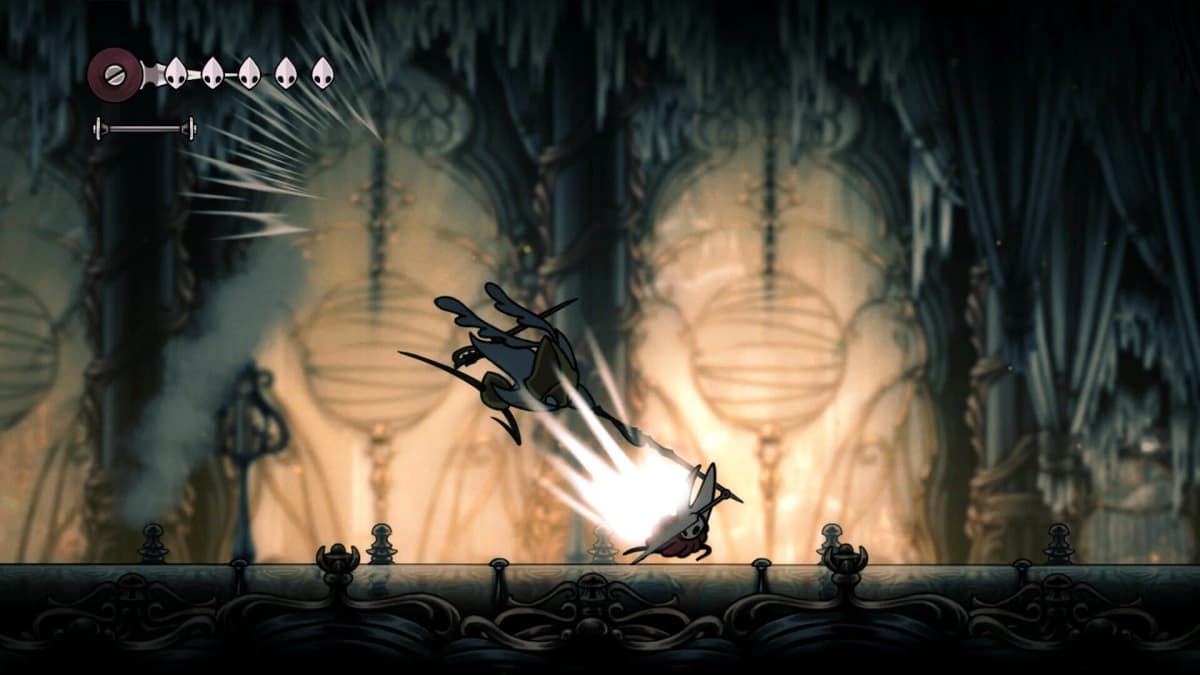
Hollow Knight: Silksong gets sub-90-minute speedruns — but does that mean it’s “not too hard”?
Game intel
Hollow Knight: Silksong
Hollow Knight: Silksong is the epic sequel to Hollow Knight, the epic action-adventure of bugs and heroes. As the lethal hunter Hornet, journey to all-new land…
Speedrunners cracked Silksong in under 90 minutes – here’s why that matters (and why it doesn’t)
Hollow Knight: Silksong has barely been out and we’re already seeing Any% completions clocking in under an hour and a half. That caught my attention for a simple reason: the original Hollow Knight’s speed scene didn’t explode overnight – it snowballed as routing matured and tech evolved. Seeing runners like BlueSR posting a 1:26:20 so quickly (with Onaku earlier around 1:46) tells me two things at once: Silksong’s movement kit is built for speed, and the skill ceiling is sky-high. But does that “prove” the game isn’t too hard? Not quite.
Key takeaways
- Early Any% runs under 90 minutes show massive routing potential, not a lack of difficulty.
- Times are provisional until official leaderboards open October 1 – categories and rules will matter.
- Hornet’s agile toolkit rewards precision; speedrunners exploit it to skip content and melt bosses.
- Expect times to drop fast as skips, tech, and category splits settle — sub-80 is on the table.
Breaking down the early runs
Let’s talk substance. Those sub-90s aren’t casual sightseeing tours; they’re tightly routed bursts of execution. The ingredients look familiar if you followed the first game’s scene: razor-clean movement chains, pogo tech to cross gaps or maintain height, aggressive boss strats that abuse stagger windows, and ruthless pathing that trims anything not mission-critical. The difference is Hornet’s kit — fast dash options, snappy air control, and a resource system that lets skilled players take risks and instantly capitalize on openings. If you’ve watched Hollow Knight runners like Fireb0rn turn chaos into choreography, you know the vibe.
Crucially, we’re still in the primordial soup phase. Early Any% routes often dodge “intended” upgrades, beeline to key gates, and take fights under-leveled to avoid backtracking. Glitch taxonomy also isn’t settled yet. Expect the usual splits: Any%, No Major Glitches (NMG), Glitchless, 100%, and boss-centric categories. What counts as a “major” skip will be debated and then codified when moderators open the leaderboards on October 1. Only then do runs become apples-to-apples.
FinalBoss // Gear
Level up your setup
01Top-rated gaming headsetson Amazon→02High-refresh gaming monitorson Amazon→03Gaming chairson Amazon→04Discounted game keyson Kinguin→Affiliate links · As an Amazon Associate, FinalBoss earns from qualifying purchases.
Does a 90-minute run mean Silksong isn’t hard?
Short answer: no. Speedruns prove mastery is possible, not that difficulty vanishes. If anything, they highlight how demanding the ceiling is. The original Hollow Knight eventually saw Any% tumble to truly wild times, yet most players still bounced off bosses like the Radiance or spent hours mapping their way through Deepnest. Silksong’s debate feels similar: moment-to-moment combat is sharp, punish windows are tight, and learning boss patterns takes real reps. Speedrunners just compress that learning into muscle memory and erase hesitation.
What these runs do tell us is that Team Cherry built a system that rewards knowledge and execution. Hornet’s resource economy lets you trade risk for reward — bind at smart moments, squeeze damage during stagger, and convert momentum into traversal. Players who study patterns, route aggressively, and commit to movement tech will see the “difficulty” curve bend. Players who wander, hoard resources, or hesitate will feel the edges. That’s good design for a metroidvania: approachable if you learn, ruthless if you don’t.
Want to Level Up Your Gaming?
Get access to exclusive strategies, hidden tips, and pro-level insights that we don't share publicly.
Ultimate Gaming Strategy Guide + Weekly Pro Tips
Why Hornet’s movement is a speedrunner’s playground
Silksong heaps value into mobility and tempo. Clean dash chains, tight wall work, and aerial control let runners keep the screen scrolling instead of resetting to safety. Bosses reward aggression — the faster you push cycles, the fewer patterns you see, and the lower the chance of a random snipe. That snowballs: skip a couple non-essential pickups, route clever shortcuts, and suddenly you’ve shaved minutes while keeping your kit lean.

If you’re not a speedrunner, you can still borrow the philosophy. Learn two or three high-value movement interactions and a couple of boss-specific punishes. Treat the map like a series of objectives, not a checklist of distractions. You’ll feel the game snap into focus — not because it’s easy, but because you’re playing to its strengths.
Leaderboards, patches, and where the times go from here
With official leaderboards slated to open on October 1, expect a category explosion and a moderation pass that locks in timing rules, allowed tech, and verification standards. That’s when we’ll see the real race. Historically, week-one strats age fast: someone finds an out-of-bounds, a faster boss opener, or a route that snags a movement upgrade two minutes earlier and the whole meta shifts. Sub-80 feels inevitable once the community dogpiles. Sub-70? That depends on what counts as “major.”
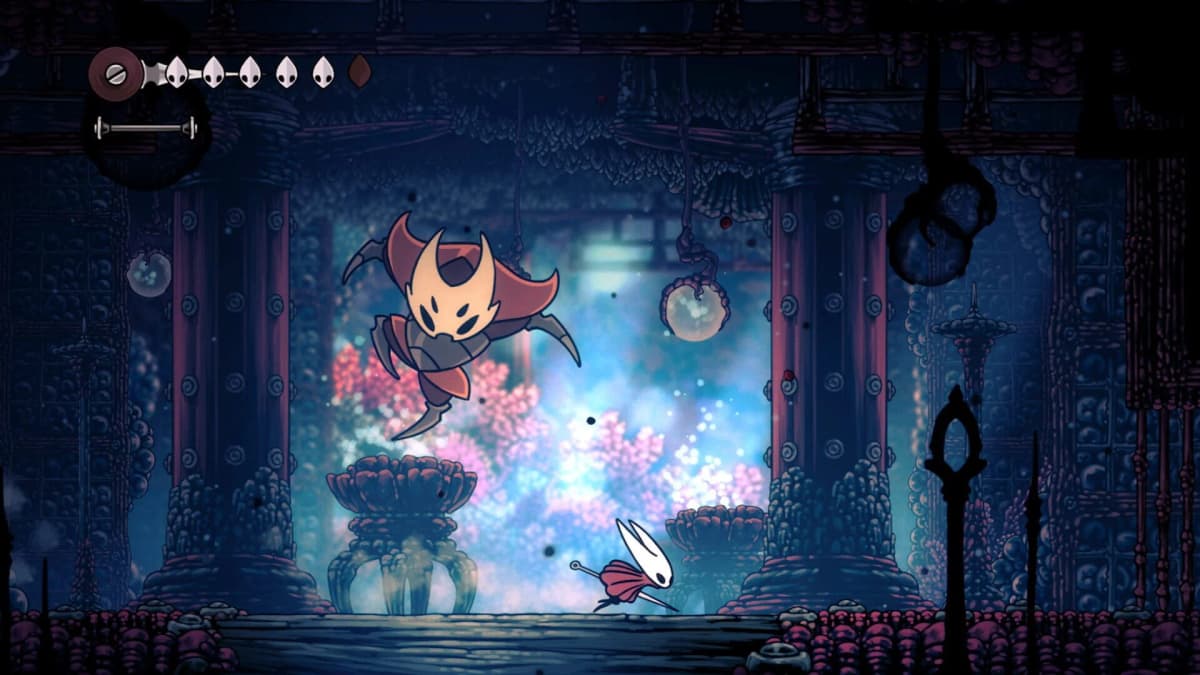
One wildcard is patches. Team Cherry has been careful with balance historically, but if a skip trivializes half the map or a softlock crops up, a hotfix can nuke a category overnight. That tug-of-war between dev intent and runner ingenuity is part of the fun — and the reason categories like NMG exist.
TL;DR
Early sub-90-minute Silksong runs don’t prove the game is “easy” — they prove it’s exquisitely routeable. Hornet’s kit rewards precision, and the community is already turning that into speed. When leaderboards open October 1, expect times to tumble and categories to solidify. For the rest of us, the lesson is simple: learn the systems, respect the bosses, and steal a few speed strats. You’ll feel the difficulty curve bend in your favor.