
Table of Contents (7)
Hooded Horse just put “no f***ing AI assets” in its contracts – and it matters
This caught my attention because publishers usually word things carefully; they don’t swear in contracts. Hooded Horse, the PC/strategy publisher behind Manor Lords, Terra Invicta and Against the Storm, went the other direction: CEO Tim Bender told Kotaku the company has a strict, contract‑level ban on generative AI for any game it publishes. He called gen‑AI art “cancerous” that “infests” projects and said the publisher now recommends developers avoid AI tools entirely during development.
- Key takeaway: This is not a polite guideline. It’s legally enforceable policy-Hooded Horse is telling studios, in writing, no AI art in shipped products.
- Why it matters: Players who care whether visuals were made by humans have a concrete publisher to trust; devs face stricter process rules; other publishers may be forced to clarify their stance.
- Practical impact: Manor Lords, Terra Invicta, Against the Storm and future Hooded Horse titles will be audited against this rule-no placeholder slips, no “we only used it for mockups”.
Breaking down the ban — what Hooded Horse actually wrote and why
Bender’s language is blunt because his operational fear is blunt: studios can and do use generative AI as temporary placeholders or quick concept art, then accidentally ship those assets. He pointed to recent blowups—indie titles and even big franchises where “placeholder” AI slipped into public builds, resulting in refunds, award losses, and PR disasters. Hooded Horse’s solution was the cleanest one: don’t let generative AI into the pipeline at all. The policy reads like a firewall: no generative AI assets in any shipped game, and a recommendation not to use it anywhere in the process because one slip is all it takes.
Why gamers should care — immediate consequences for players
This isn’t corporate posturing. For players it changes what you can reasonably expect from the look and marketing of Hooded Horse titles. If you prefer human‑created art, Hooded Horse is effectively offering a publisher‑level guarantee. That matters because prior incidents have shown discovery of AI art can tank awards, prompt refunds, and sour communities overnight.
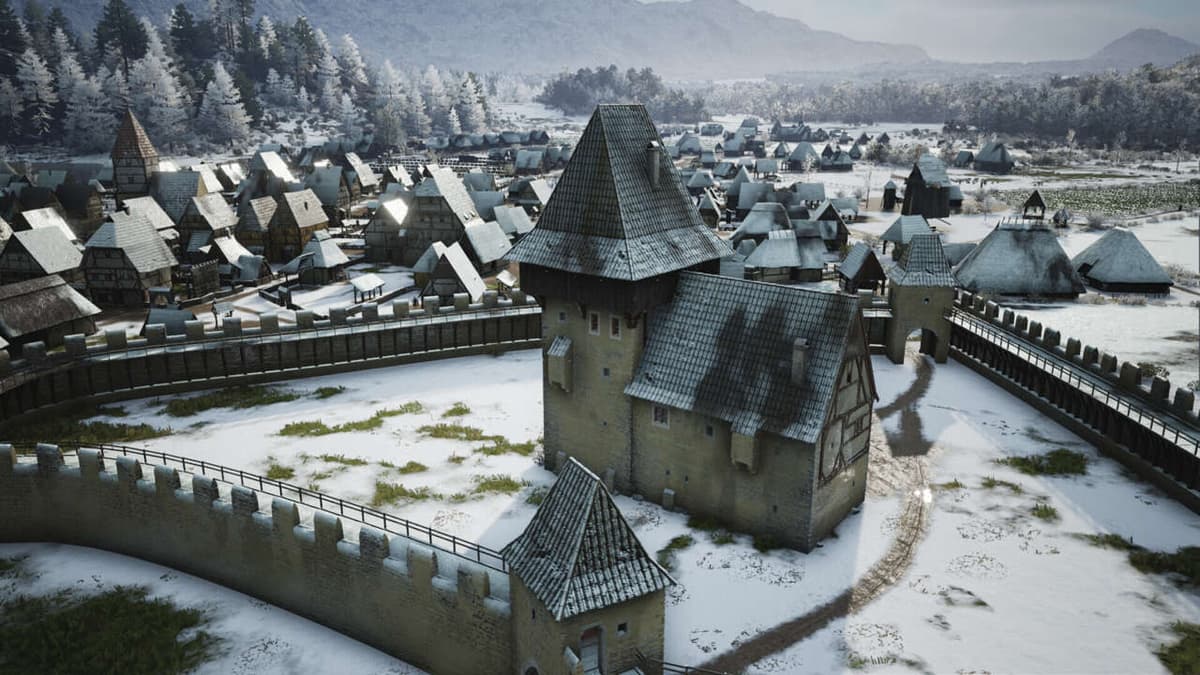
- Cleaner visual identity: Manor Lords’ medieval visuals, Against the Storm’s painterly style and Terra Invicta’s UI will be held to a human‑made standard across releases and DLC.
- Lower risk of post‑launch drama: Players won’t need to dig into credits or datamine updates to confirm whether a texture or poster was AI‑generated.
- Publisher as a filter: If you want to actively avoid AI art, follow Hooded Horse’s catalog as a practical “safe list”.
Context: Hooded Horse versus the rest of the industry
Most big publishers are experimenting with generative tools as productivity boosters—EA and Ubisoft have openly promoted internal AI tools for assets and dialog. Hooded Horse’s model is the opposite: zero tolerance. That doesn’t just reflect an ethical stance; it’s a risk calculus. Bender argues the “responsible middle ground” (AI for concepting but never final assets) is operationally unstable and invites costly mistakes. That argument is persuasive: the path from prototype to release can be messy, and one slipped file can undo months of goodwill.
What this means for Manor Lords and Hooded Horse’s strategy lineup
Manor Lords players should expect continuity: building art, environmental props, portraits, UI icons and DLC key art will be human‑crafted. The same goes for Against the Storm and Terra Invicta. For long‑running support titles, the ban matters: recurring updates won’t suddenly introduce cheap AI fills to cut art costs. For modders, official assets remain human‑made baseline material—community mods can still use whatever tools modders want, but official channels won’t.
My take — good enforcement, blunt rhetoric, and one big unknown
I respect the bluntness. Saying “no f***ing AI assets” in a contract grabs attention and gives players a clear standard to hold the publisher to. Calling generative art “cancerous” is inflammatory, but it communicates frustration developers and publishers feel after dealing with accidental fallout. The unanswered part is enforcement details: how aggressively will Hooded Horse audit assets, and how will smaller partner studios absorb the extra process overhead? That will determine whether this ends up as a meaningful protective policy or an expensive checkbox.
TL;DR
Hooded Horse has legally banned generative AI assets across its publishing slate—no placeholders, no concepting exceptions. For fans of Manor Lords and the publisher’s strategy roster, that’s a clear signal that official art will be human‑made and that Hooded Horse is staking part of its identity on that promise. The real test will be how they enforce it and whether other publishers react by tightening or clarifying their own AI policies.
FinalBoss // Gear
Level up your setup
01Top-rated gaming headsetson Amazon→02High-refresh gaming monitorson Amazon→03Gaming chairson Amazon→04Discounted game keyson Kinguin→Affiliate links · As an Amazon Associate, FinalBoss earns from qualifying purchases.
Want to Level Up Your Gaming?
Get access to exclusive strategies, hidden tips, and pro-level insights that we don't share publicly.
Ultimate Gaming Strategy Guide + Weekly Pro Tips