

Hope in the City’s Sketchbook Detective Hooked Me — But Can It Avoid Mystery Game Pitfalls?
Game intel
Hope in the City
17-year-old Hope Song returns home from school to find her parents missing. Use Hope’s observant eye as an artist to investigate, piece together clues, and unc…
Why Hope in the City Stood Out at Gamescom
Every Gamescom has a handful of demos that make you lean in, and Hope in the City did that for me the moment the sketchbook popped open. Lofty Sky Entertainment’s non-linear mystery puts you in the shoes of 17-year-old Hope Song as she hunts for her missing parents in the city of Shenang. The hook isn’t just moody art and dialogue trees-it’s a “combine your thoughts” sketchbook that generates new insights, dialogue options, and leads. That’s the kind of systems-first idea mystery fans live for.
Lofty Sky has form here. The studio blends narrative and striking 2D presentation-their background in animation showed in Shuyan Saga and their film work-and they’re doubling down with stylized cutscenes made by an award-winning team. But style only matters if the detective work sings. So let’s cut through the sizzle and look at what actually matters for players.
Key Takeaways
- The sketchbook system—combining ideas to unlock clues—could set it apart if it avoids hand-holding or random guesswork.
- Non-linear investigation in a single city is ambitious; the design lives or dies on smart clue gating and player guidance.
- Stylized, animated cutscenes add personality, but the pacing between story beats and sleuthing needs careful balance.
- It’s wishlistable on Steam now; release timing and platform specifics are still under wraps.
The Sketchbook Mechanic Could Be the Secret Sauce
On paper, the sketchbook sits somewhere between Disco Elysium’s Thought Cabinet and Sherlock’s Mind Palace: you’re not just collecting evidence—you’re synthesizing it. The demo showed Hope jotting down observations, then pairing concepts to form new angles. When the system is confident, it surfaces fresh questions or dialogue options; when you reach, it nudges you to refine. That’s the difference between authentic deduction and a glorified checklist.
Two things will make or break this: feedback and flexibility. If the game clearly communicates why a combo works (or doesn’t), players feel clever, not railroaded. And if multiple valid combos can unlock similar outcomes, the investigation stays personal. Think Return of the Obra Dinn’s “aha” moments, not Phoenix Wright’s single-solution bottlenecks. The worst-case scenario is a beautiful notebook that devolves into brute-forcing pairs until something clicks—Lofty Sky needs to design against that.
Non-Linear Mysteries Are Hard—Here’s What to Watch
Shenang is pitched as explorable and non-linear, which sounds great until you’ve backtracked across town three times because one NPC only talks after a specific flag. Good non-linear mysteries quietly choreograph progression: soft gates (needing a new idea, not a key), contextual hints in the environment, and a clear “current leads” view. If Hope’s sketchbook doubles as a living caseboard—pin suspects, tag locations, mark contradictions—that’s a win for usability and immersion.
I’m also hoping for fail-forward design. Missed a minor clue? The story should bend rather than break—branching reactions, altered late-game reveals, or even an epilogue that reflects your gaps. Paradise Killer pulled this off by letting you accuse with what you had; Pentiment respected your path even when you weren’t “right.” If Hope in the City wants to wear the “non-linear” badge honestly, it should resist funneling us into a single canonical truth.
Finally, accessibility matters. Let us toggle hint timing, highlight interactables without turning it into pixel-hunting, and recap conversations. Nothing kills momentum like losing the thread because you took a break for a week. If Lofty Sky nails the ergonomics of investigation, the vibe will take care of itself.
Style Points: Animation, Tone, and Pacing
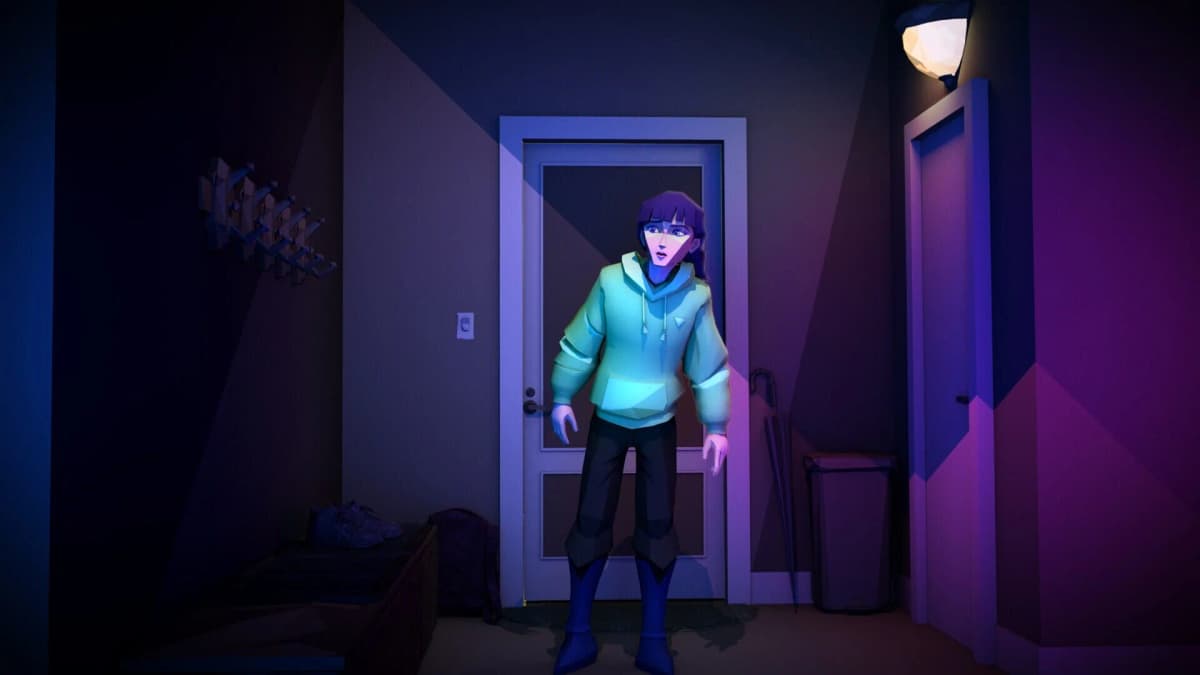
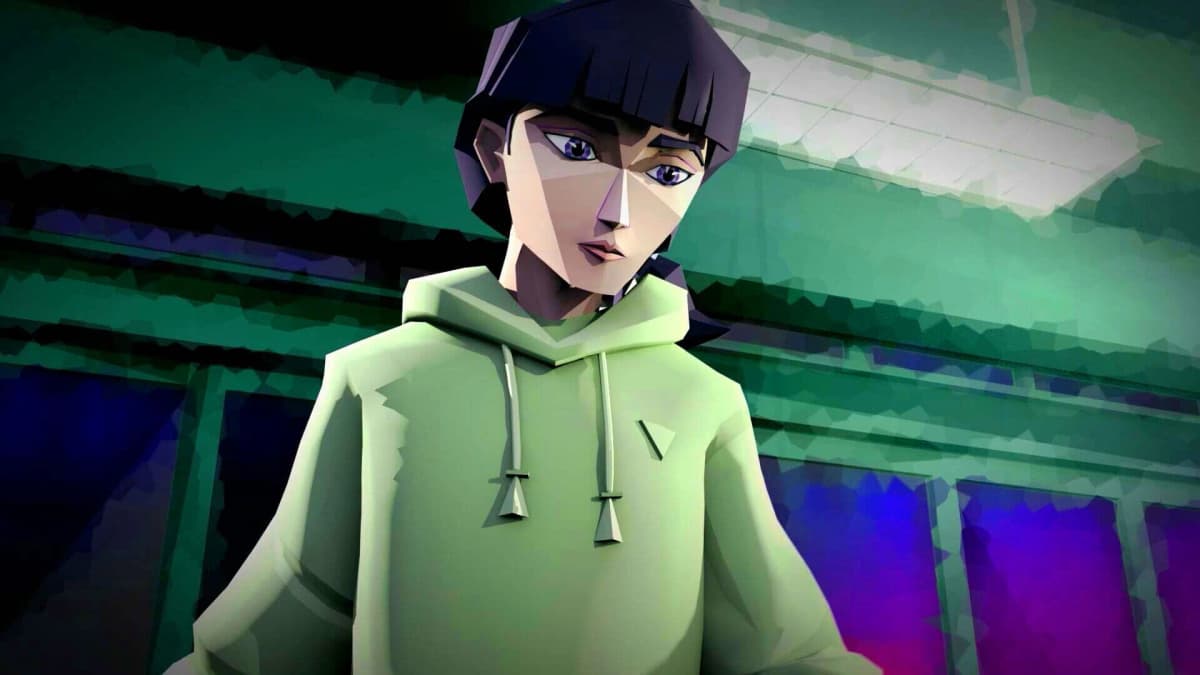
The demo’s animated cutscenes have punch—snappy framing, confident line work, and a color palette that leans noir without drowning in grayscale. The “award-winning animation team” boast actually tracks with Lofty Sky’s pedigree; they know how to storyboard character moments. My only caution: don’t let the cutscenes steal time from the sleuthing. Mystery fans want to drive the story, not watch it drive past. Short, purposeful interludes between chunky stretches of player-driven investigation is the sweet spot.
The setting—Shenang—reads as layered rather than generic. If Lofty Sky draws from real-world cultural textures the way they have in past projects, we could get grounded locations and social dynamics that inform the case, not just decorate it. Let the city push back: closed-door communities, local rumors, and NPCs with their own agendas beyond quest markers.
Want to Level Up Your Gaming?
Get access to exclusive strategies, hidden tips, and pro-level insights that we don't share publicly.
Ultimate Gaming Strategy Guide + Weekly Pro Tips
What Gamers Need to Know
- Platforms: PC, with a Steam page open for wishlists. Consoles are unconfirmed.
- Release: No date yet; shown during the Future Games Show at Gamescom 2025.
- Core loop: Explore Shenang, talk to locals, collect observations, combine ideas in the sketchbook to unlock new leads and dialogue.
- Presentation: Stylized animated cutscenes and an investigation-first structure rather than action.
If you’re a deduction-sicko like me, the promise is obvious: real agency in how you think, not just where you click. If you prefer your mysteries guided and linear, keep an eye on difficulty and hint options—this might skew more freeform than, say, a TellTale episode or a Danganronpa trial.
Looking Ahead
Hope in the City caught my attention because it’s aiming for that rare mix: stylish presentation with a genuinely systemic detective core. I’m excited—cautiously. We’ve seen plenty of narrative mysteries promise “your way, your pace” only to slam on the rails in act two. If Lofty Sky embraces flexible solutions, thoughtful clue gating, and keeps the sketchbook readable and responsive, this could be 2025’s under-the-radar gem for mystery fans.
TL;DR
Hope in the City’s sketchbook deduction is a smart twist that could give players real investigative agency. The non-linear design is ambitious—if Lofty Sky avoids bottlenecks and brute-force busywork, this has serious potential. Wishlist it if you want a stylish, systems-driven mystery; wait for hands-on impressions if you prefer a guided ride.