
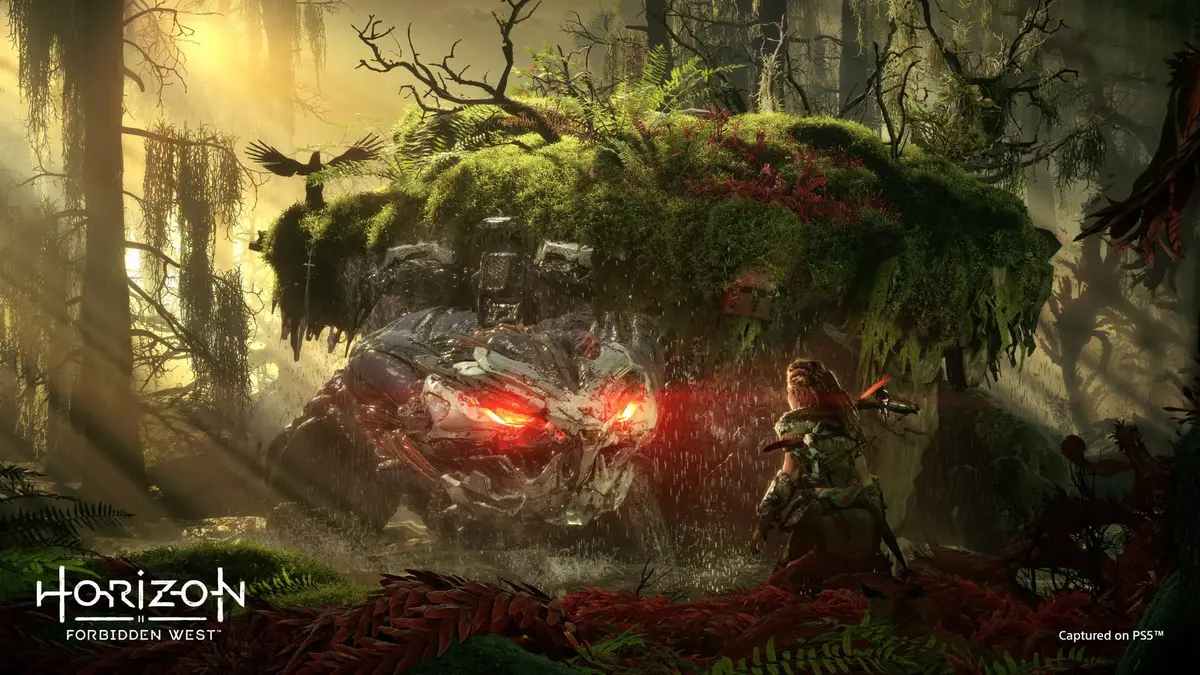
Horizon Forbidden West sold through 8.4 million copies by 16 April 2023. Sony disclosed that number on 9 May 2023, alongside a 32.7 million-unit total for the Horizon franchise. That is a brutally clear message from players: Guerrilla had an audience, a valuable world, and a premium single-player formula that worked.
So Sony’s current retreat from a Horizon live-service project is frustrating for a reason that goes beyond one troubled production. The project was rebooted from June 2026 after poor private-test feedback, then scaled back in August, with live-service elements removed in favor of a smaller co-op multiplayer game with a story mode. That is a major course correction around one of PlayStation’s healthiest modern franchises.
I do not think Hermen Hulst personally broke every project now sitting under the PlayStation Studios umbrella. That would be lazy blame-shopping. But he has led PlayStation Studios since 2019 and now sits at the top of Sony’s Studio Business Group. Portfolio choices, greenlights, staffing priorities, and the point where a bad bet gets stopped all land on leadership. The pattern under his watch has become impossible to dress up as ordinary creative risk.
Sony chased live-service growth, burned through years of development across multiple teams, shut down Concord within weeks of launch, closed Firewalk Studios, and has now pulled a major Horizon project away from the live-service model after players rejected it in private testing. Sony needs to stop treating each correction as an isolated lesson. It has a strategy problem.
Table of Contents (4)
Horizon already proved what players wanted from Guerrilla
Horizon Forbidden West arrived on PS4 and PS5 on 18 February 2022. It was a huge, polished, expensive premium game built around exploration, combat, spectacle, and a world that rewarded players for getting lost in it. The 8.4 million sold-through figure matters because it reflects actual copies purchased by players, not a vague shipment number designed to make a quarterly slide look healthier.
That success does not mean Guerrilla should be trapped making only one type of game forever. Studios need room to experiment. Teams deserve the chance to build co-op games, multiplayer games, smaller games, weird games, and projects that do not resemble their last hit. I want PlayStation’s best studios taking creative swings. A platform holder with Sony’s resources should be able to fund experiments without turning every successful franchise into a delivery mechanism for an executive trend.
The problem is that live-service design asks for more than a recognizable setting and a strong combat loop. It asks players to rearrange their habits around a game. They need a reason to return next week, bring friends, care about progression, tolerate balance changes, and keep choosing that world over the dozen other games demanding the same attention. A giant mechanical-animal sandbox is a wonderful foundation for an adventure. It does not automatically create a lasting social space.
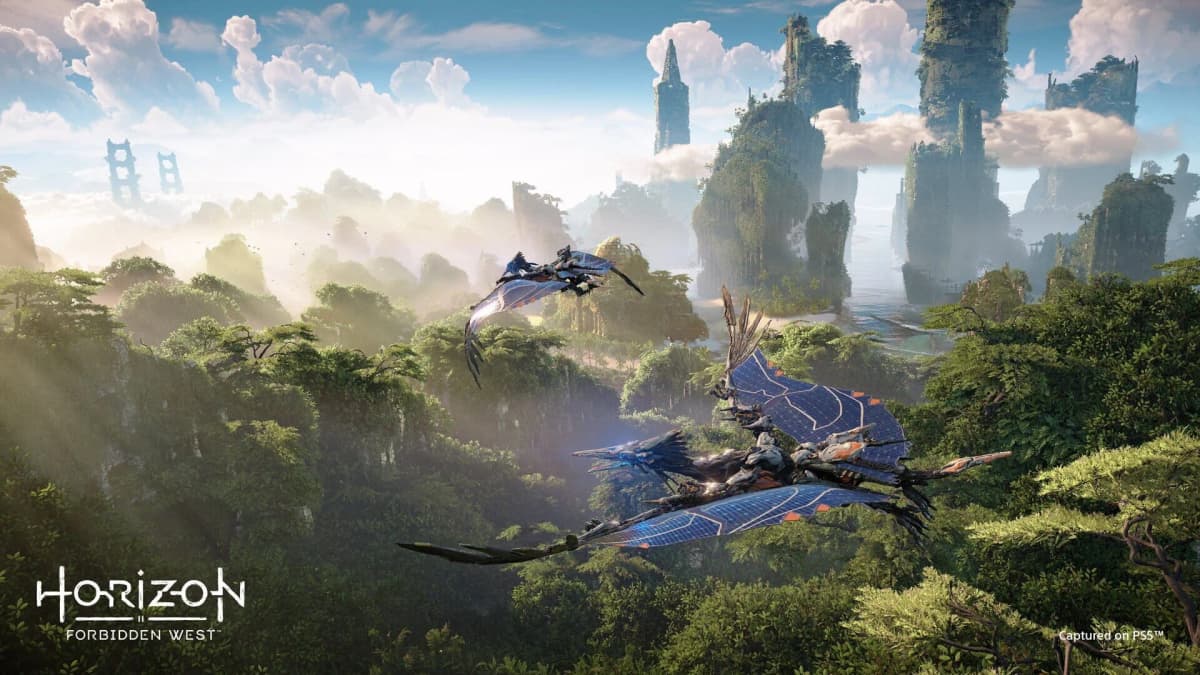
That distinction should have been obvious before a major Horizon project needed a reboot. Private tests exist precisely to expose the gap between “this concept sounds good in a pitch meeting” and “players will build their evenings around this.” The fact that feedback pushed the team toward a more traditional co-op game with a story mode may save the project from becoming another corporate live-service casualty. It also raises an ugly question about how much time had already been committed before anyone allowed the original plan to change.
The current situation becomes even harder to stomach when the true follow-up to Horizon Forbidden West is only being prototyped by a tiny team. Guerrilla’s core sequel can now sit five years or more away while the studio works through the consequences of a live-service detour. Players who bought into a successful single-player series are left waiting longer because Sony wanted the franchise to solve a business problem it never asked for.
Concord was the player-facing failure Sony cannot wave away
Concord launched on 20 August 2024. Roughly two weeks later, Sony pulled it from sale, took it offline, and refunded buyers. On 29 October 2024, Sony permanently sunset the game and closed Firewalk Studios. Hulst said Concord “did not hit our targets” and described the PvP shooter market as competitive and continuously evolving.
That explanation is true enough to be useless. Of course the shooter market is competitive. Sony knew that before it bought Firewalk, before it funded the game, before it marketed the game, and before it launched a premium product into a genre where entrenched communities have no shortage of places to spend their time. “The market was hard” is not a postmortem. It is the first line of the risk assessment that should have existed years earlier.
The real damage was not merely a bad launch. Players lost access to a game they had purchased almost immediately. Developers lost their studio. PlayStation’s audience learned another lesson about Sony’s live-service ambitions: wait, watch, and never assume the company has confidence in the product for the long haul. That is the kind of trust loss executives cannot patch with a slick roadmap graphic.
Hulst later said he wants Sony’s teams to “fail early and cheaply.” Fine. I agree with the principle. Creative industries need failure, because risk-free decision-making produces safe, forgettable games and slowly turns great studios into factories. But Concord failed after a full launch, refunds, a shutdown, and a studio closure. Whatever happened internally, it did not fail early enough from the player’s perspective.
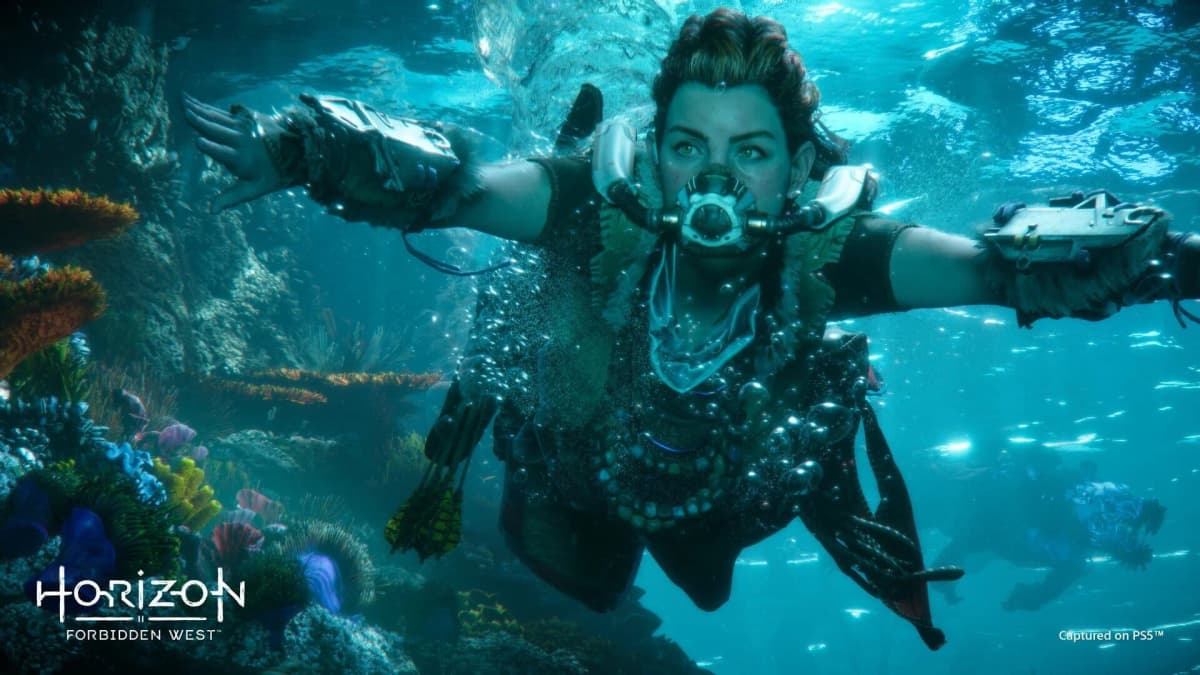
That is why the Horizon reboot should not be treated as a scandal by itself. A painful course correction before launch is better than another public collapse after launch. The scandal is that Sony keeps reaching these points without giving players any confidence that its gates, targets, and portfolio planning have changed.
Hermen Hulst needs rules that survive the next bad pitch
Hulst has also said the raw number of live games is not important, emphasizing a diverse set of player experiences and communities instead. That is the right instinct, but “diversity” becomes empty executive language when the company cannot show that it knows which games deserve to move beyond experimentation. Sony does not need another broad statement about learning. It needs a process with teeth.
- Every live-service project needs a genre-fit gate before full production. A familiar brand, a respected studio, and a strong visual pitch cannot qualify a game by themselves. Sony should require evidence that players understand the repeatable activity, form groups naturally, return after the first session, and respond to progression without being dragged there by franchise loyalty.
- Every project needs fixed stop-loss checkpoints. Pre-production, vertical slice, closed testing, and launch-readiness should each have a defined decision: expand, re-scope, pause, or cancel. Sony does not need to publish proprietary retention targets or revenue forecasts, but it should explain which player-facing goals matter and why a project passed them.
- Premium teams need protected development capacity. Guerrilla should have room to make multiplayer projects, yet the next major Horizon Forbidden West sequel should never be reduced to a tiny prototype cell because a live-service initiative swallowed the studio’s attention. A proven 8.4 million-copy franchise deserves a stable sequel pipeline.
- Roadmaps must describe the product honestly before hype begins. If a project shifts from a persistent live-service game into story-led co-op, say so plainly when it is ready to be shown. Players can accept a creative pivot. They resent being sold an image of endless confidence while the plan changes behind closed doors.
Those rules would make Hulst’s “fail early and cheaply” philosophy measurable. Without them, it is a sentence designed to sound decisive after the expensive part has already happened. Sony’s public record still does not disclose the retention, concurrency, conversion, churn, or test-feedback thresholds that triggered Concord’s shutdown or the 2026 Horizon reboot. I am not demanding a public spreadsheet full of sensitive internal numbers. I am demanding evidence that the company’s leadership has a repeatable discipline beyond waiting for a project to embarrass itself.
Blaming one executive is easy. Letting the system stay broken is worse.
Hulst did not build every feature in Concord, run every private test on the new Horizon project, or make every staffing call at Guerrilla. Development is collective work. So are failures. But senior leadership exists to make the calls individual teams cannot make: which genres are overcrowded, which acquisitions fit the portfolio, which bets deserve more years, and which ones must be cut before players and developers pay the price.
That is the standard Hulst should be judged by. Sony’s live-service strategy has produced a shutdown that lasted roughly two weeks as a public product, a studio closure, and a high-profile Horizon retreat from the very model Sony spent years chasing. The company has caught some failures before release, which is better than repeating Concord. It still has not demonstrated that those interventions happened at the right stage.
Horizon Forbidden West already gave PlayStation the answer. Players will show up for a complete, ambitious Guerrilla game with a clear identity. Sony should protect that strength, let multiplayer ideas earn their scale through real testing, and stop treating beloved franchises as laboratories for a live-service strategy that has yet to prove it deserves the trust being spent on it.
FinalBoss // Gear
Level up your setup
01Top-rated gaming headsetson Amazon→02High-refresh gaming monitorson Amazon→03Gaming chairson Amazon→04Discounted game keyson Kinguin→Affiliate links · As an Amazon Associate, FinalBoss earns from qualifying purchases.
Want to Level Up Your Gaming?
Get access to exclusive strategies, hidden tips, and pro-level insights that we don't share publicly.
Ultimate Gaming Strategy Guide + Weekly Pro Tips