
The useful part up front: Horizon Hunters Gathering is getting a second closed playtest from May 22 to May 25 on PS5 and PC via Steam, with sign-ups handled through the PlayStation Beta Program. That is the headline. The real story is that Guerrilla is no longer just stress-testing the idea of a co-op Horizon spin-off – it is now stress-testing the fixes. The new build adds content, sure, but the more important tells are better onboarding, optional NPC teammates for solo players, and harder endgame-style challenges. That combination usually means a studio learned exactly where the first test was friction-heavy.
If you want in, registration is live through PlayStation.com’s Beta Program for both PS5 and PC players. And yes, the usual beta-program annoyance applies: if the sign-up page acts broken, sign in first. Multiple reports around the announcement flagged that step because apparently even in 2026 we still can’t launch a beta portal without one small bureaucratic ambush.
Table of Contents (5)
This is not “more of the same” – it’s Guerrilla reacting in public
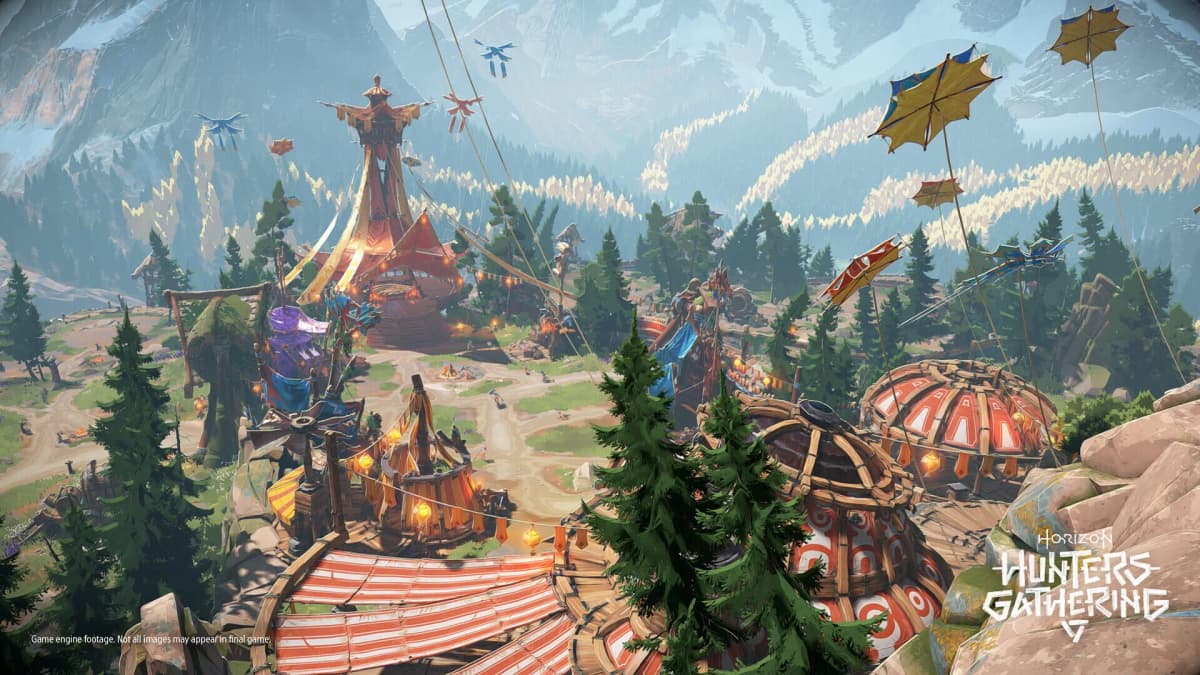
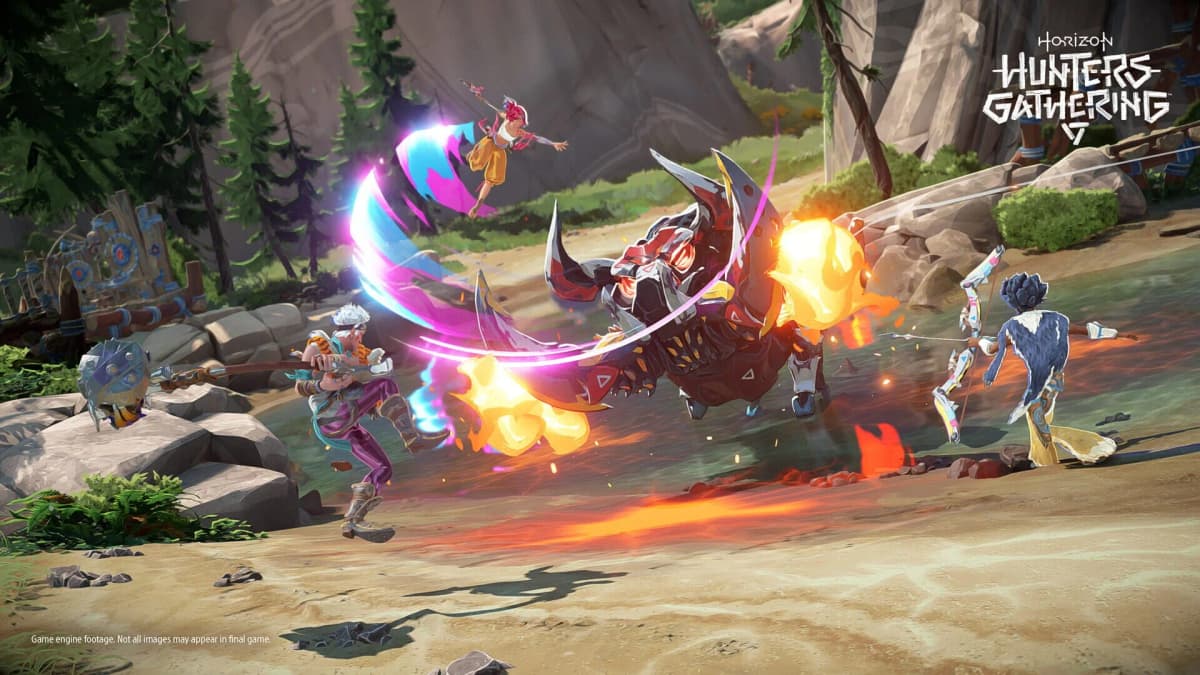
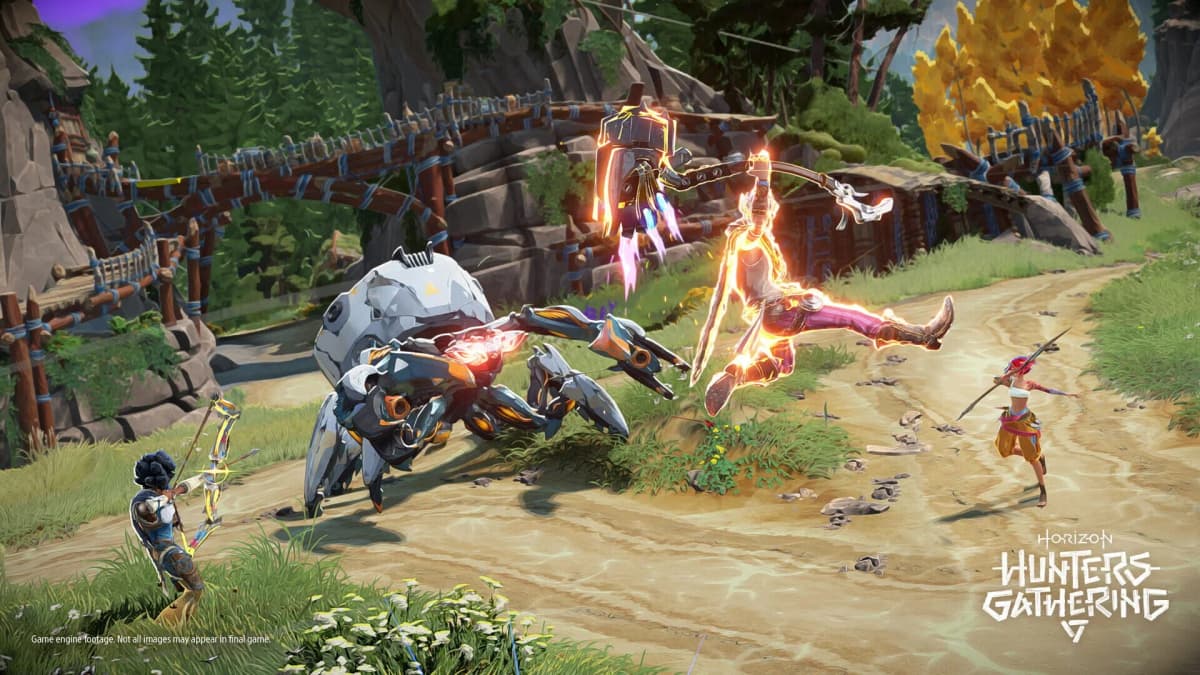
The second test follows an earlier closed playtest held in late February, and the May build is clearly broader. Guerrilla is adding two new Hunters, Ensa and Shadow, alongside returning characters Rem, Sun, and Axle. There is also a playable story episode built around defending Ashwater Valley, a new region called Breakers’ Bounty, tougher versions of both Machine Incursion and Cauldron Descent, and Training Modules designed to ease players into the game’s systems.
That list matters less as marketing bullet points and more as a diagnosis. A studio does not suddenly prioritize onboarding unless early players bounced off mechanics, class roles, progression loops, or all three. It does not add friendly NPC Hunters for solo play unless it knows that relying purely on coordinated three-player groups is risky. And it does not tune up difficulty modes unless the first wave of testers either burned through existing content too quickly or failed to find enough tension in the run structure.
In other words, this second test looks like a very normal, very healthy course correction for a co-op action game. That is good news. It is also a reminder that Horizon Hunters Gathering is trying to thread a nasty needle: broad enough for PlayStation’s audience, deep enough for players who live on co-op loot runs, and distinct enough not to feel like “Monster Hunter, but with Tallnecks in the background.”
The solo-player concession is the detail worth circling
The most revealing addition in this test is probably not the new zone or the new Hunters. It is the optional NPC Hunter support for solo players. That sounds small. It isn’t.
Co-op games love to advertise teamwork and social chaos. Then launch day arrives, half the audience plays alone, matchmaking gets uneven, and the entire balance model starts wobbling. We have seen this enough times that the pattern barely needs naming anymore. If Guerrilla is already building in solo assistance before release, that suggests the team understands a simple truth many multiplayer projects learn too late: “you can technically play alone” and “this is actually enjoyable alone” are not remotely the same promise.
That matters even more here because Horizon Hunters Gathering has been positioned as a three-player co-op action game with class-based hunters and run-driven progression. That structure can sing when a group knows its roles. It can also feel like unpaid shift work when one player disconnects, another ignores mechanics, and the remaining person gets to carry everyone through content balanced for a proper squad. Optional AI partners are not glamorous, but they may be the system that decides whether this thing has an audience outside organized friend groups.
Guerrilla is also quietly proving this is not just Aloy’s leftovers
The other trap hanging over this project has been obvious from the start: can a Horizon spin-off work when it is built around classes, repeatable runs, and co-op structure instead of Aloy carrying the entire dramatic load? This second test is another attempt to answer that with actual playable material rather than lore dressing.
The new Episode centered on saving Ashwater Valley is important for that reason. A lot of action spin-offs assume “there’s a story in there somewhere” is enough. It usually isn’t. If Guerrilla wants this game to avoid feeling like a side project wearing premium franchise skin, it needs to prove the world still has momentum when the format changes. New hunters with distinct identities help. A proper scenario helps more. So does a new region that implies the team is building places meant to support repeat runs, not just one-and-done campaign sightseeing.
There is also a business reality behind this. Sony has spent years looking for multiplayer wins it can actually own, and that track record has been uneven at best. Every first-party co-op game now arrives carrying extra weight because it is no longer just “another experiment.” It is part of a larger attempt to prove PlayStation can expand beyond prestige single-player adventures without stepping on the same rake every quarter.
The missing detail is still the one that matters most
For all the added specifics, there is still no release date. That is not automatically alarming, but it is the right place to keep your skepticism parked. A second test full of new content is encouraging. A second test with stronger onboarding is smarter. Neither tells us how stable the long-term progression is, how generous rewards feel, how aggressive live-service hooks might become, or whether the game has enough variety to survive beyond the first weekend curiosity surge.
The uncomfortable PR question here is simple: what did players in the first test struggle with the most? Guerrilla’s additions strongly imply the answer involves onboarding clarity, solo viability, and challenge tuning, but implication is not the same as a hard postmortem. Until the studio talks more openly about the first test’s pain points, players are left reading the tea leaves from feature lists. Sometimes that works. Sometimes it just means the community is doing the transparency job for free.
There is also the familiar beta-program caveat: a closed test can look cleaner than launch because the audience is curated, the server pressure is narrower, and the economy is still insulated from the kind of player behavior that breaks balance overnight. So yes, this May build is worth watching, but not as final proof. Think of it as a better X-ray, not a clean bill of health.
What to watch during the May 22-25 test
- Whether players come away talking about build variety or just individual characters. If the subclass and perk systems are shallow, the game’s replay pitch gets weak fast.
- How well solo play holds up with NPC Hunters. If that mode feels competent rather than compromised, Guerrilla solved a real problem early.
- Whether tougher Machine Incursion and Cauldron Descent content feels skill-based or simply inflated. Harder numbers are easy. Better encounter design is not.
- How the new Episode lands. If players remember Ashwater Valley instead of just the loot loop, the game has a better shot at establishing its own identity.
- Any sign of when the full release is actually planned. A more confident roadmap after this test would mean the team likes what it is seeing.
The practical takeaway: if you were cold on Horizon Hunters Gathering after the first reveal, this second playtest is the first update that gives a serious reason to check back in. Not because two new Hunters and another region automatically change everything, but because the added systems show Guerrilla is working on the parts that usually kill co-op games early. If you are interested, register now. If you are skeptical, stay skeptical – just watch the May impressions for signs that the game is becoming easier to learn, better to play solo, and deeper than a franchise-branded detour.
FinalBoss // Gear
Level up your setup
01Top-rated gaming headsetson Amazon→02High-refresh gaming monitorson Amazon→03Gaming chairson Amazon→04Discounted game keyson Kinguin→Affiliate links · As an Amazon Associate, FinalBoss earns from qualifying purchases.
Want to Level Up Your Gaming?
Get access to exclusive strategies, hidden tips, and pro-level insights that we don't share publicly.
Ultimate Gaming Strategy Guide + Weekly Pro Tips