
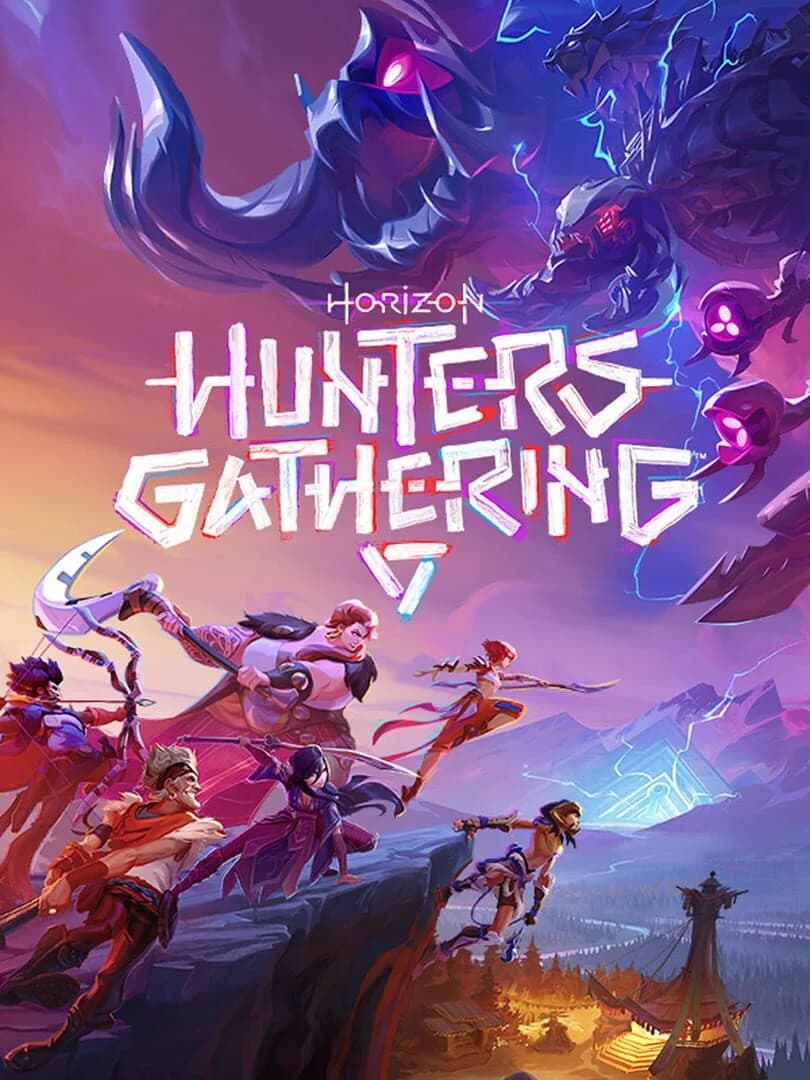
Guerrilla is using this weekend’s closed playtest for Horizon Hunters Gathering to prove something small but crucial: the three-player co‑op loop works at scale. If you get an invite (PlayStation Beta Program only, NA/EU), you’ll be assessing matchmaking, combat pacing, and replay hooks – not a final roster, monetization plan, or launch date.
- Dates & access: Feb 27-Mar 1, limited to PlayStation Beta Program participants in North America and Europe; PS5 and Steam PC slots, strict time windows (EU 19:00-22:00 CET, NA 16:00-19:00 PST).
- What’s playable: three Hunters (Axle, Rem, Sun), Colorado Springs map, two modes (Machine Incursion – Normal/Hard; Cauldron Descent – roguelite multi-stage) and the social Gathering hub with a customizable camp.
- What’s not: no progress carryover, NDA-limited chatter, no public monetization or launch information — this is a mechanics and server test.
Table of Contents (5)
This weekend is being treated like a systems lab, not a marketing moment
Playtests come in flavors: glossy marketing demos meant to build hype, and blunt engineering runs meant to find the cracks. Guerrilla’s invite-only beta is the latter. The three-hour daily windows and NDA, plus the explicit “no carryover” rule, all point to a focus on matchmaking quality, latency, session length, and how three distinct Hunters interact in a live environment.
That’s sensible. Horizon Hunters Gathering is a tactical co‑op roguelite twist on Horizon’s machine-hunting fantasy — a major pivot from Guerrilla’s single-player pedigree. Before you ask about store economy or battle passes, the studio needs to know whether three humans can reliably play the core loop: find each other in the Gathering hub, kit up, descend into a Cauldron or tackle a Machine Incursion, and feel rewarded enough to come back.
Timing is awkward — and telling
The playtest overlaps Bungie’s Marathon “server slam” (Feb 26–Mar 2) — itself a prelaunch stress test ahead of Marathon’s March 5 release. That overlap is amusingly corporate: both titles are under Sony’s umbrella. The practical effect is simple: player attention and potential server capacity are being split across two high-profile tests in the same time window.
If Guerrilla wanted a clean signal on how its systems behave under pressure, picking a quieter weekend would have helped. On the other hand, running during Marathon’s stress test could be deliberate — a way to measure cross-title server resilience and find real-world bottlenecks while traffic is high.
The things Guerrilla wants you to test — and the things they didn’t bring
- Brought: three Hunters (Axle — melee, Rem and Sun — ranged options), wave-based Machine Incursion (Normal/Hard), Hades‑like Cauldron Descent, Gathering hub with vendors and campsite customization, cross-play and cross‑progression between PS5 and Steam.
- Left in the dark: monetization model, full Hunter roster, long-term progression systems, global availability beyond NA/EU, and any firm launch window.
That gap is intentional. You don’t test pricing strategies in a closed tech run. You test whether elemental machine attacks feel responsive, whether team buildcrafting matters, whether a “roguelite” descent is fun at repeat play. Once those answers are solid, Guerrilla will have data to design retention mechanics — and that’s when monetization choices actually matter.
The question Guerrilla didn’t fully answer
If I were interviewing the PR rep I’d ask this bluntly: when you have confidence in core systems, will you show the first monetization and progression outline before a public beta? The NDA and “no carryover” rules keep hands clean and leaks minimal, but they also shield players from seeing how systems and packaging will interact — and that’s the moment most players care about for a live-service title.

What to watch next
- Mar 2–3: NDA windows lapse and private Discord threads may surface tester impressions — leaks or dev summaries will be the first public signals of system health.
- Late March / next playtest: Guerrilla’s next invitation or a public beta signup will reveal whether this was a single-engineering run or the start of a broader rollout.
- Any official post-test developer blog: Guerrilla normally posts a follow-up with telemetry takeaways; that post will show what problems they prioritized fixing.
- Monetization reveal (date unknown): the studio will need to tie retention mechanics to revenue; look for timing relative to broader public tests.
Short version: this is a concentrated test of the meat of a live-service loop. It’s where Guerrilla proves the game’s bones. If the systems fail under load, no amount of marketing will save the product; if they succeed, the next battleground will be how Sony packages it for long-term revenue and lore.
TL;DR: Guerrilla’s closed Horizon Hunters Gathering playtest (Feb 27–Mar 1) is a focused PS5/PC stress test of 3-player co‑op systems, not a reveal of launch timing or monetization. The timing overlaps Bungie’s Marathon server slam, which could either muddy signals or strengthen server stress testing. Watch for tester reports after March 1 and any follow-up dev summary — those will tell you whether this is a solid systems pass or a warning sign.
FinalBoss // Gear
Level up your setup
01Top-rated gaming headsetson Amazon→02High-refresh gaming monitorson Amazon→03Gaming chairson Amazon→04Discounted game keyson Kinguin→Affiliate links · As an Amazon Associate, FinalBoss earns from qualifying purchases.
Want to Level Up Your Gaming?
Get access to exclusive strategies, hidden tips, and pro-level insights that we don't share publicly.
Ultimate Gaming Strategy Guide + Weekly Pro Tips