
Hotel Barcelona quietly added an AI disclosure after launch — here’s why fans are mad
Game intel
Hotel Barcelona
"Hotel Barcelona," where serial killers from all over the United States are said to have gathered. You must defeat them and check out before all the blood is s…
This isn’t the kind of twist Suda51 and Swery fans wanted
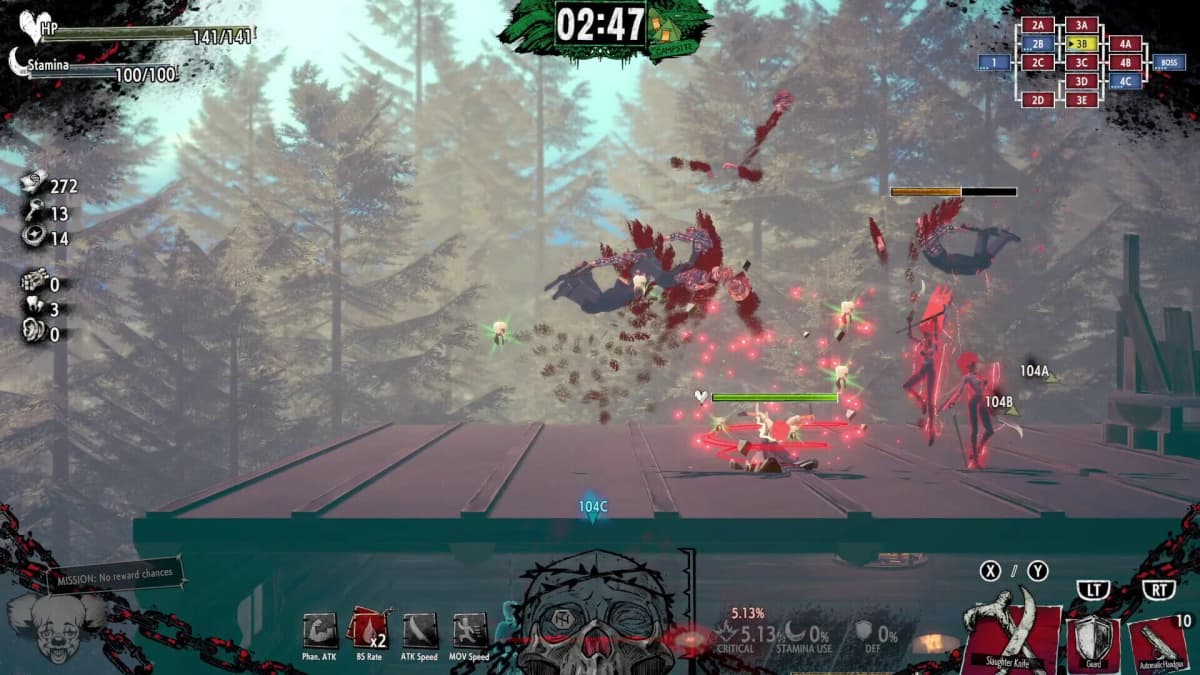
Hotel Barcelona dropping a generative AI disclosure on Steam five days after release lit up my feeds for all the wrong reasons. As someone who’s followed Suda51 since No More Heroes and Swery since Deadly Premonition, I’m here for their brand of chaotic creativity. But learning post-purchase that the game includes AI-generated content? That undercuts a lot of the trust that keeps niche, personality-driven projects afloat.
- Hotel Barcelona added a generative AI disclosure days after launch, not before.
- The Steam page now says AI content will be removed in an upcoming patch.
- Players are angry about transparency and potential refund hurdles.
- Mixed reviews (58 Metacritic; ~55% positive on Steam) complicate the optics.
Breaking down the announcement
Let’s separate heat from light. The game launched to mixed reception, which happens-especially with a maximalist action roguelike that’s trying to be loud and messy by design. But the key issue here isn’t the score; it’s disclosure. Steam requires developers to flag generative AI usage on their store pages. According to community checks via the Wayback Machine, that disclosure wasn’t present around September 30, then appeared about five days after launch with a promise to remove AI-generated content in an upcoming patch.
That promise matters, but so does the timing. Players reasonably expect to know what they’re buying. If a dev uses AI for art, VO placeholders, or background text, that can be a dealbreaker for some buyers on ethical grounds or simply because AI assets often stick out. The frustration here isn’t theoretical-if that disclosure had been live before release, some people wouldn’t have clicked purchase.
Why this stings more for a Suda x Swery project
These two are synonymous with human weirdness-the scrappy charm, the off-kilter dialogue, the bespoke art direction. That’s why longtime fans were hyped. When a project built on auteur personality leans on AI assets (whatever the scope), it clashes with the pitch. It’s like ordering the signature dish from a cult chef and then hearing a chunk of it was outsourced to a vending machine. Even if the final plate tastes fine, the vibe is off.
Players also aren’t reacting in a vacuum. We just watched The Alters catch heat for AI background text that slipped through at launch before the studio called it “placeholder.” Studios are experimenting with tools, sure, but consumers are drawing a hard line on transparency—and the line is moving from “don’t use AI” to “be honest up front.”
Steam policy, refunds, and the practical headache
Here’s where it gets messy for players. Steam’s refund policy typically allows returns within 14 days and under two hours of playtime. A disclosure added five days post-launch puts many people past the two-hour mark, even if they’re still inside 14 days. If you would’ve avoided the game because of AI use, that feels like a trap door: you only learned about the dealbreaker after you’d invested time.
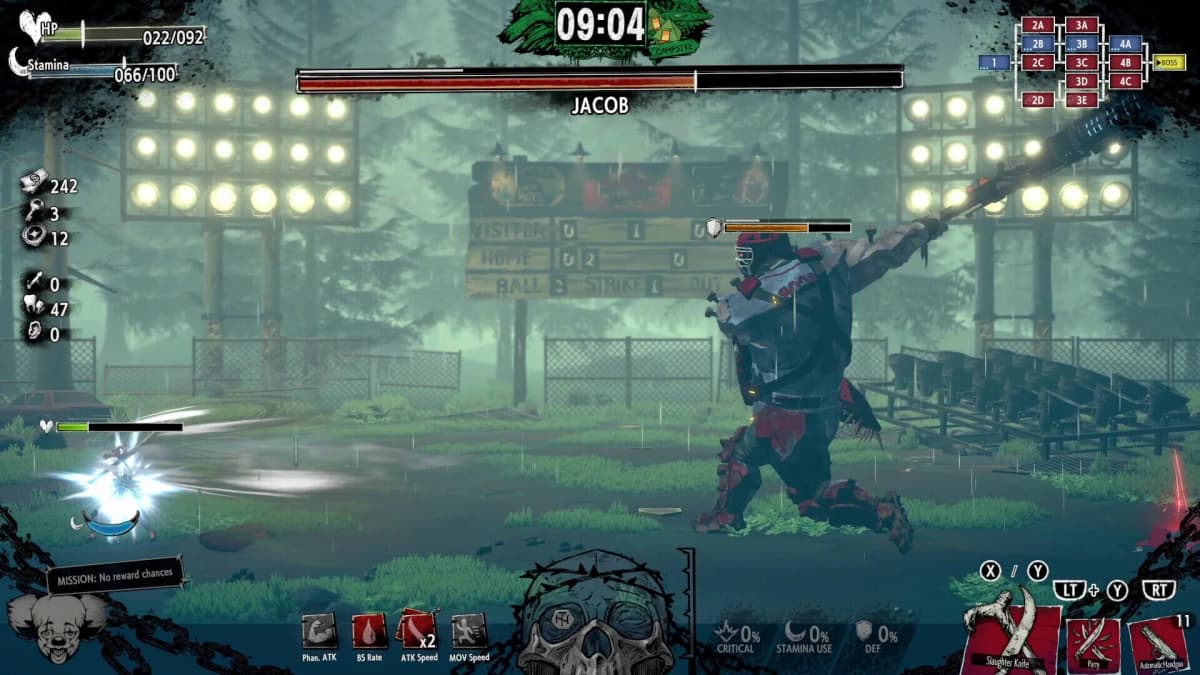
Yes, the store page now says the AI bits are being removed in a future patch—that’s a step. But “we’ll fix it later” doesn’t retroactively restore informed consent. If the team wants to rebuild goodwill, they should go further than a vague note. Spell out exactly which assets were AI-generated, what’s replacing them, and a clear timeline. Pair that with a refund-friendly stance for affected players, even if their playtime exceeds the standard limit.
What gamers need to know right now
- If you’re on the fence because of AI, wait for the promised patch and detailed notes. Don’t rely on vague assurances.
- If you already bought it and feel misled, request a refund now—explain the post-launch disclosure in your ticket. It’s not guaranteed, but context helps.
- Keep expectations in check. With mixed reviews, the game may already be a “your mileage may vary” experience, even after AI assets are replaced.
The real story: trust is the currency
There’s a broader industry pattern here. AI isn’t going away, but it’s running into the brick wall of player expectations. The audience has drawn a line: disclose AI use clearly, before money changes hands. And if your game rides on the creative reputations of beloved auteurs, the bar is even higher. Hotel Barcelona’s late disclosure doesn’t make it evil; it makes it careless in an era where players are watching closely.
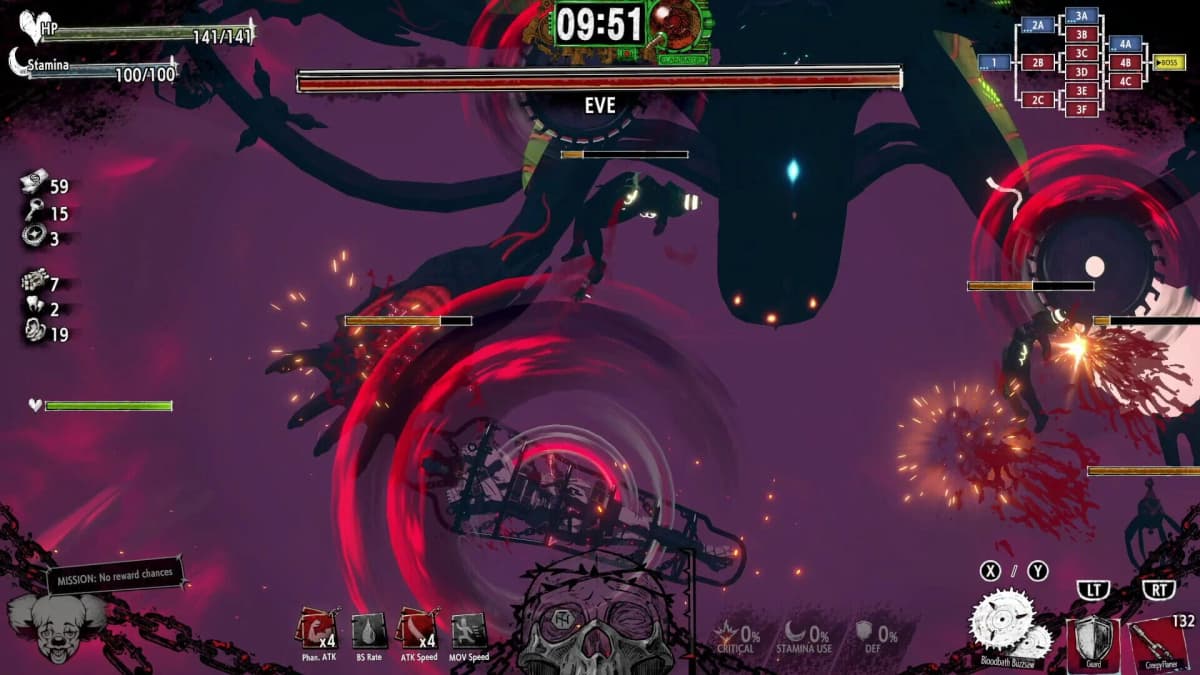
I hope the team follows through quickly and transparently. Suda51 and Swery make games that are best when they feel meticulously, weirdly human. If they deliver a patch that replaces the AI content and a postmortem that explains how this happened, a lot of fans will forgive and move on. But if the plan stays vague, this will be another data point in the growing “don’t trust the store page” trend—and that’s bad for everyone.
TL;DR
Hotel Barcelona added an AI disclosure after launch, and fans are rightly upset about transparency and refunds. The devs say AI assets will be removed in a patch; now they need to prove it with specifics and timelines. Until then, buyer beware—and ask for a refund if this would’ve changed your purchase decision.