
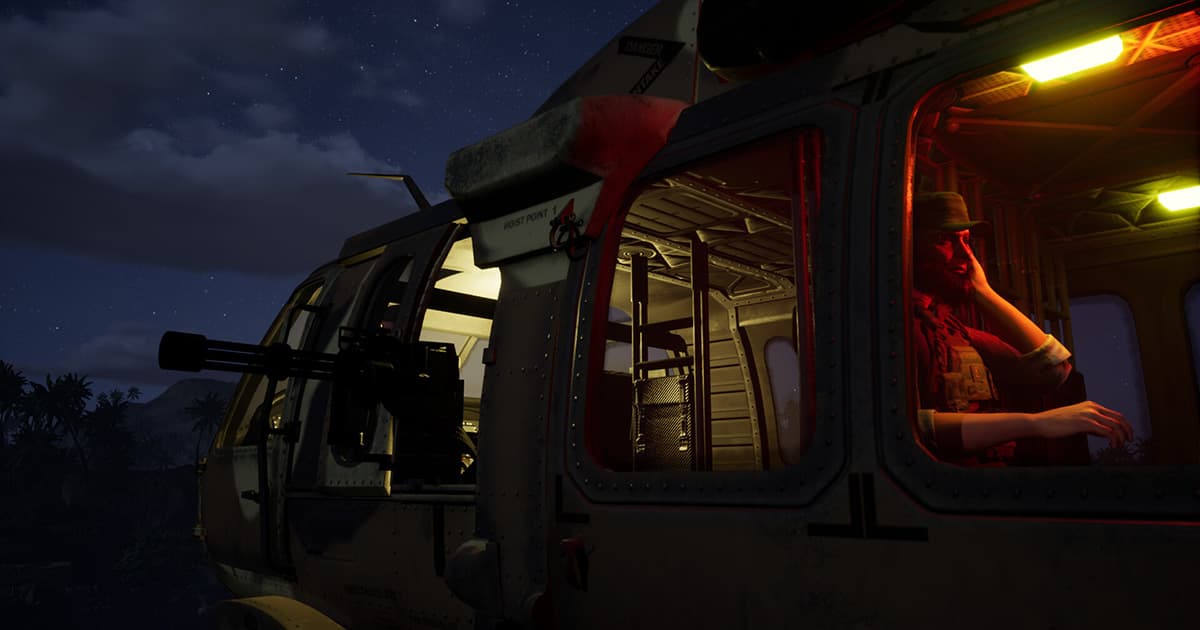
This story caught my attention because it’s the exact kind of publisher-developer feud that ripples straight into players’ hands. Drug Dealer Simulator (DDS) has been a cult clicker for sim-heads since it hit on PC, and I’ve watched that community ride the highs and lows of DDS2’s launch. Now, an April “investigation” by publisher Movie Games into similarities between DDS and the viral Schedule 1 has snowballed into review-bombing, public statements, fines, and a looming court fight over who gets console money for DDS1 and DDS2.
Developer Byterunners says Movie Games has denied it profits from console sales of both games. The publisher says the opposite: Byterunners transferred copyrights, didn’t work on the ports, and isn’t owed a cut-though it claims it still offered one. Somewhere between verbal assurances, shifting production plans, and a contract that named PS4/Xbox One but not PS5/Series X|S, the relationship cratered.
Byterunners’ September 9 statement says console profits were withheld unless it accepted “new production plans.” The studio says it pushed for a settlement on July 30 and filed a formal demand on August 14. At the core, Byterunners argues its work made the IP successful, so it deserves a share of console revenue even if it didn’t do the porting. It also points to alleged verbal agreements about sharing that revenue.
Movie Games counters that the studio explicitly transferred copyrights for DDS1 and DDS2 and didn’t work on the ports-so no cut is owed. The publisher says ports were always intended to be on separate terms, that those terms were never finalized with Byterunners, and that another developer handled PS5/Series X|S versions. It also says it offered a percentage anyway, but that Byterunners demanded significantly more-40%—and took the fight public, which the publisher views as reputational damage.
Then came the hammer: on September 10, Movie Games invoiced Byterunners for approximately 4.5 million PLN (about $1.24 million) in penalties for unresolved bugs and late content updates. By the publisher’s math, that’s roughly 15,000 PLN per issue—an eye-watering way to quantify “get us a patch.” Byterunners says those timelines were initial plans that moved with mutual consent and that delays are normal. Movie Games calls a four-month-late, broken update “far beyond normal.”
This isn’t the first time an indie hit has collided with publisher fine print. Ports are frequently carved out into standalone agreements: a publisher finances and commissions a third-party studio to do certification wrangling, platform-specific optimization, and compliance. When a developer transfers copyright and the contract doesn’t explicitly cover “successor platforms,” revenue on PS5/Series X|S can live in a gray area. Good contracts spell out “all console incarnations, present and future.” Bad ones name PS4 and Xbox One and stop there.
As for “verbal agreements,” they’re vibes, not revenue. In a world of milestone payments and recoup, if it’s not papered, it’s disputable. I’ve seen this movie before: creative partner assumes future platforms will follow the spirit of the deal, publisher sticks to the letter. Throw in social-media theatrics and a rival game gaining traction—Schedule 1 being the match here—and you get review-bombing that helps no one. Players lose clarity, teams get defensive, and the patch cadence slips.
The fines are what raised my eyebrows. Penalty clauses exist to keep projects on track, but deploying them at scale—hundreds of alleged bugs priced like parking tickets—usually signals a relationship already on life support. It may be legally tidy, but it rarely improves the game. It incentivizes ticking boxes, not holistic fixes.
Short term, don’t expect rapid-fire updates. If you’re on PC and happy with DDS2’s current state, you’re fine; if you’re waiting on fixes, watch patch notes closely and temper expectations. Console players should assume support won’t move faster while lawyers draft filings. No one’s said anything about delistings, and that would be a nuclear option, but it’s hard to imagine ambitious feature drops landing while two sides argue over who gets paid for them.
For anyone eyeing a fresh purchase: if you’re sensitive to jank, wait and see. If you’re already deep in the grind and can tolerate rough edges, you’ll probably ride this out. Community managers will become your best source; official statements are going to stay lawyerly for a while.
We’re in a moment where indie studios routinely blow up on PC, then tackle consoles with partner help. The lesson here is brutal but familiar: don’t assume platform successors are covered; don’t rely on oral assurances; and never let an “investigation” PR beat become the spark that sets your community on fire. Byterunners and Movie Games both say they’d prefer direct conversation. Great—do it. Until then, the streets stay loud, and the game sits in the crossfire.
Byterunners says Movie Games is withholding console profits for DDS1/2; Movie Games says the contract doesn’t grant those profits and slapped the studio with ~4.5m PLN in fines over bugs and delays. Expect slower updates and more statements than patches while this drifts toward court.
Get access to exclusive strategies, hidden tips, and pro-level insights that we don't share publicly.
Ultimate Gaming Strategy Guide + Weekly Pro Tips