
How Bong Joon-ho Outwitted Weinstein—A Lesson for Gamers
Game intel
Snowpiercer: Le Transperceneige
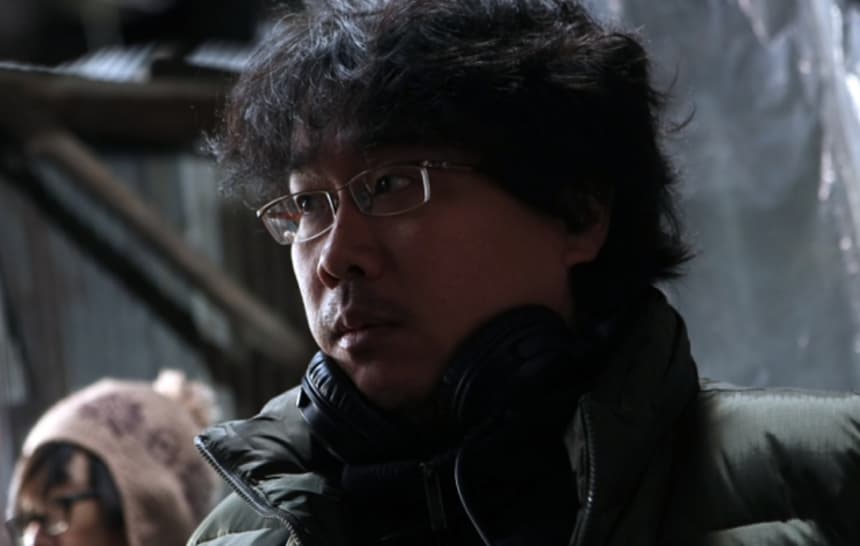
I’ve always admired directors who defend their vision—much like indie devs standing up to big publishers. So when Bong Joon-ho revealed his showdown with Harvey Weinstein over Snowpiercer, it struck a chord. This clash of art versus corporate meddling feels all too familiar to any gamer who cares about creator-driven experiences.
The Fish Scene That Almost Died
Harvey Weinstein demanded roughly 25 minutes of cuts to Snowpiercer, including a surreal “fish scene” where a masked assailant butchers a fish mid-brawl. To Weinstein, it was too bizarre; to Bong, it was vital atmosphere. So the director fibbed, claiming the sequence was a tribute to his fisherman father. The lie worked, and the scene stayed.
When Weinstein’s streamlined edit flopped with test audiences—proving that shoehorning for mass appeal can backfire—Bong refused to relent. In retaliation, Weinstein gave Snowpiercer a minimal U.S. release, limiting its cultural reach at launch.
When Gamers Fight for Their Vision
Gamers know this battle well. We’ve watched publishers slash narrative depth, dilute mechanics or rewrite endings to chase broader markets. It’s the game equivalent of cutting lore-rich quests for extra explosions. Just as Bong outwitted Weinstein, many developers have pushed back—sometimes losing, sometimes winning the fight to keep their creations intact.
Want to Level Up Your Gaming?
Get access to exclusive strategies, hidden tips, and pro-level insights that we don't share publicly.
Ultimate Gaming Strategy Guide + Weekly Pro Tips
Why Creative Freedom Matters
The best games—whether indie roguelikes or bold JRPGs—often owe their legacy to unflinching creative choices. When we support titles that defy convention, we encourage the next generation of weird, challenging, and unforgettable experiences. Protecting that spirit means more standout moments and deeper stories.
TL;DR
Bong Joon-ho bluffed his way past Harvey Weinstein to preserve Snowpiercer’s defining fish scene. For gamers, it’s proof that defending creator-driven vision—no matter how odd—can lead to legendary experiences.