
How The Descent Reshaped Tomb Raider’s 2013 Reboot
Game intel
Tomb Raider
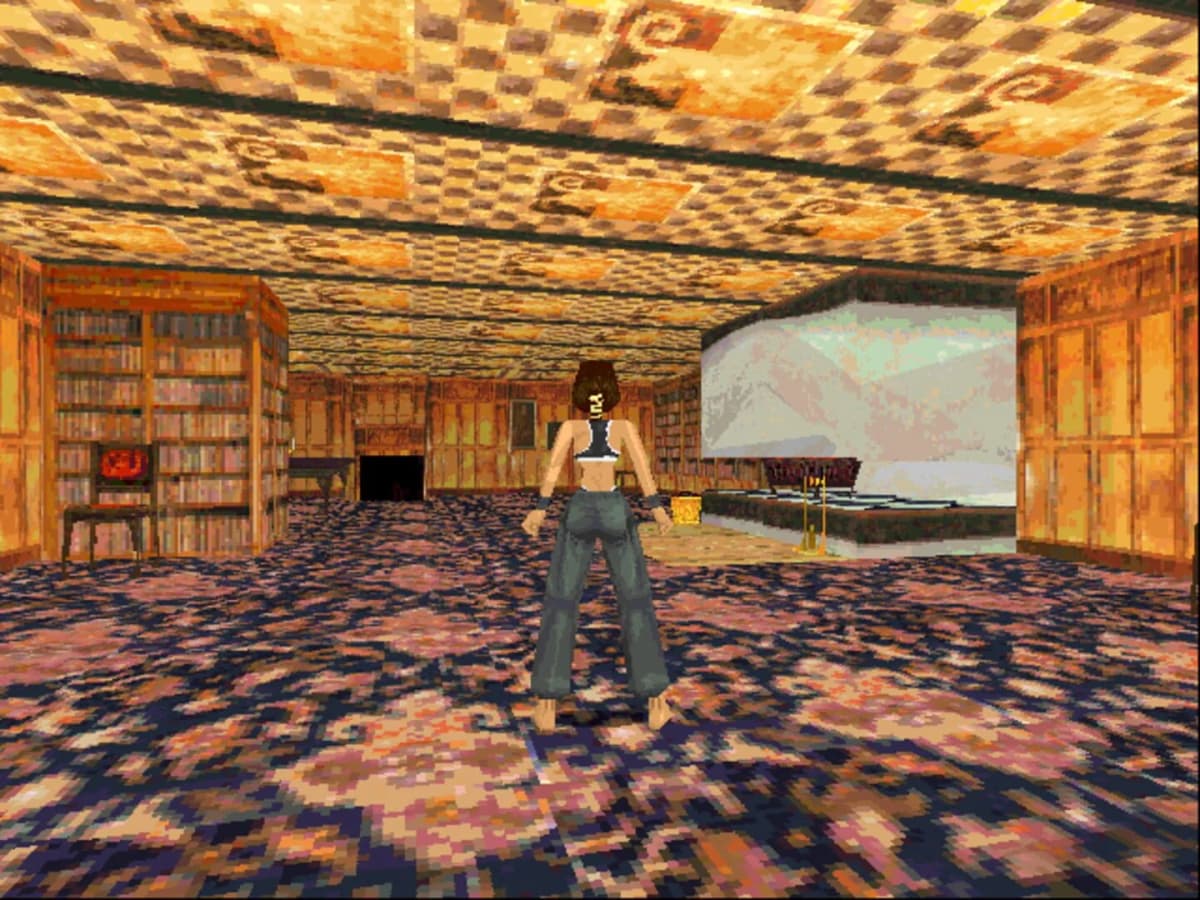
Tomb Raider is a 3D action game developed by Core Design and published by Eidos Interactive. The game follows the exploits of Lara Croft, a British female arch…
How The Descent Reshaped Tomb Raider’s 2013 Reboot
I’ll never forget the first time a creature sprang from The Descent’s darkness and made me leap out of my seat. Neil Marshall’s 2005 horror classic is that rare film which leaves you gasping, convinced you’ve just escaped something alive. So when fans began pointing out striking similarities between The Descent and Crystal Dynamics’ Tomb Raider (2013), I dug deeper—and discovered the parallels are too close to be coincidence.
The Descent’s Jumpscares Underpin Tomb Raider’s Gritty Reboot
Before 2013, Tomb Raider felt stuck in an adventure rut: exotic locales, puzzle chambers and high-octane gunplay had grown familiar. Crystal Dynamics turned to the raw intensity of modern horror to reinvent Lara Croft as a survivor rather than a superhero. From the opening cave collapse to those breath-catching ambushes, the game channels The Descent’s blend of enveloping darkness, strobe-light headlamps and sudden violence.
- Claustrophobic Environments: Both the film and game trap their protagonists in narrow, unlit caverns—every footstep echoes, every rustle suggests something just out of sight.
- Sound Design: The Descent’s heavy breathing and distant scrapes reappear in Tomb Raider’s audio cues, heightening tension when Lara shuffles through debris or patches her wounds.
- Physical Vulnerability: In the reboot, Lara bleeds, limps and scavenges makeshift gear—mirroring the movie’s emphasis on battered, desperate characters fighting to survive.
- Intensity of Set Pieces: From falling boulders to charging enemies, the heartbeat-pounding moments in Tomb Raider echo The Descent’s most notorious scenes.
While Crystal Dynamics hasn’t publicly cited The Descent as a direct blueprint, the game’s “Generally favorable” reception on Metacritic and strong sales performance suggest this horror-driven approach resonated. Critics praised the reboot for its immersive tension and character-driven stakes—qualities that echo Marshall’s film and helped reawaken lapsed fans.
What This Means for AAA Gaming
Tomb Raider’s pivot showed big studios that atmospheric horror can enrich mainstream franchises. We’ve since seen similar tonal shifts in God of War (2018) and recent Resident Evil titles, where emotional depth and fear of the unseen bolster blockbuster spectacle. For players, that sense of vulnerability—never knowing what’s waiting in the next blackened shaft—creates immersion that blockbuster set-pieces alone can’t match.
Future deep dives could analyze developer interviews or player surveys to quantify how film techniques translate into game design. But the clear takeaway remains: borrowing from the visceral impact of movies like The Descent elevated Tomb Raider from a standard action-adventure into a survival-horror milestone.
Want to Level Up Your Gaming?
Get access to exclusive strategies, hidden tips, and pro-level insights that we don't share publicly.
Ultimate Gaming Strategy Guide + Weekly Pro Tips
Key Game Info
| Feature | Specification |
|---|---|
| Publisher | Square Enix |
| Release Date | March 5, 2013 |
| Genres | Action-Adventure, Survival, Horror |
| Platforms | PC, PS3, Xbox 360; later PS4, Xbox One, Stadia, macOS |
TL;DR
The Descent’s relentless atmosphere and jump scares helped shape Tomb Raider’s 2013 reboot, shifting Lara Croft from fearless explorer to vulnerable survivor—and signaling a new, horror-infused direction for AAA franchises.