

Could HoYoverse’s Petit Planet Be the Ultimate Cozy Space-Sim?
Game intel
Petit Planet
Petit Planet is HoYoverse's brand-new cosmic life sim that's free-to-play and cross-platform. Here, you can build your home, live alongside fuzzy neighbors, an…
A Cozy Game From HoYoverse? That’s Actually Interesting
HoYoverse is no stranger to reinventing genres. Genshin Impact redefined open-world mobile exploration, while Honkai: Star Rail brought turn-based RPGs into the streaming spotlight. Now, they’re charting new territory with Petit Planet, a cosmic life-simulation that promises to combine the gentle routines of Animal Crossing with the vast scale of a space opera. On paper, nurturing your own tiny world, befriending fuzzy Neighbors, and hopping between islets across a galaxy sounds delightfully chill. The real intrigue lies in whether HoYoverse’s signature live-service approach will amplify that coziness—or smother it under event chains and time gates.
Key Takeaways
- Core concept: Build, customize, and evolve your own planet while forging bonds with “Neighbors” and linking worlds on a starry map.
- Cozy loops: Planting, fishing, cooking, crafting, plus deep outfit, home, and landscape customization.
- Galaxy social layer: “Starsea Voyages” for cooperative exploration, and the live-hub Galactic Bazaar for events and chat.
- Coziness Test: Closed beta sign-ups are open now on the official site. Confirmed for PC and mobile; console versions are in development.
Breaking Down the Announcement
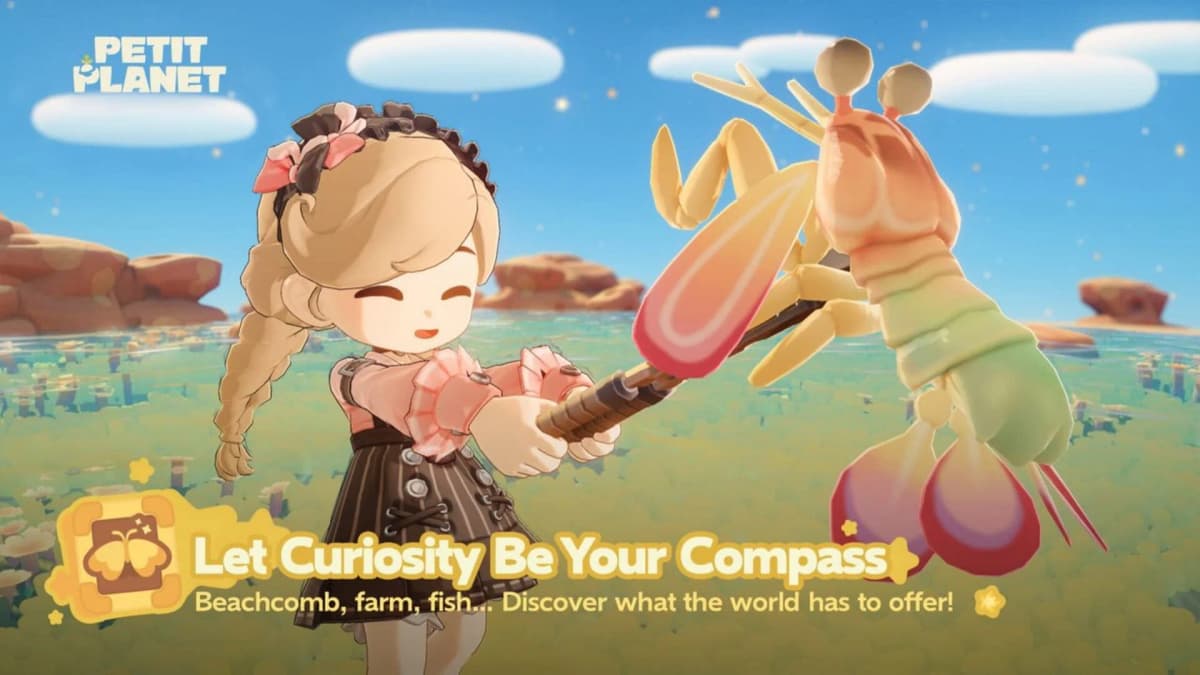
Petit Planet was revealed by HoYoverse on September 25, 2025. It casts you as the steward of a fledgling world, crafting its terrain, growing exotic crops, mining resources, and decorating both interior and exterior spaces. As your planet’s “vitality”—a stat named Luca—increases, landscapes dynamically evolve. HoYoverse describes Luca as the life force that “weaves your dreams beneath the stars,” hinting at truly responsive biomes rather than static backdrops. While specifics remain under wraps, the implication is clear: your playstyle could shape mountain ranges, unlock new flora, or even alter weather patterns over time.
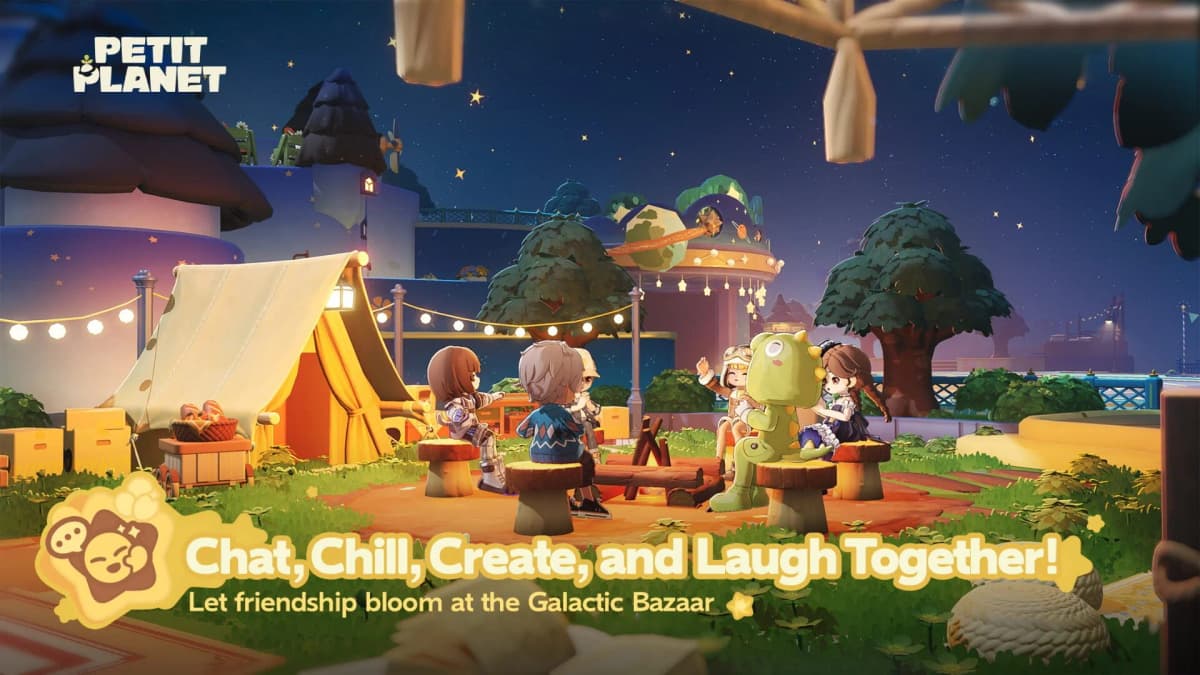
The game’s live-service pedigree shows in two headline systems. First, the Starsea Voyage mechanic lets you pilot a starship to discover uncharted islets brimming with unique resources, mini-quests, and mysterious Neighbors. Second, the Galactic Bazaar serves as a persistent social hub where players can mingle, trade crafted goods, and take part in timed festivals—imagine a low-pressure MMO lounge where your neighbors gather for seasonal fireworks.
Luca: Dynamic World or Scripted Show?
One of the boldest promises of Petit Planet is that Luca isn’t just a number ticking upward; it’s a simulation engine. Compare this to Animal Crossing’s seasonal themes or Stardew Valley’s stat-driven crop growth—Luca aims for a deeper loop where each decision ripples across your planet’s ecosystem. Plant a grove of glowing Stardust Saplings, and you might lure glow-insects that drop rare crafting ingredients. Overfish your coral reefs, and local Neighbors could complain, prompting a conservation mini-event. If executed faithfully, this reactive design would elevate Petit Planet from decorative sandbox to true life-sim, rewarding eco-friendly play and experimentation.
However, scripted progression is easier to build. HoYoverse’s track record with Genshin’s world events shows they can craft rich narratives, but reactive ecosystems are a different beast. In the Coziness Test, we’ll be looking for emergent behavior: do plants spread organically? Does soil quality degrade without crop rotation? Or are changes purely cosmetic, unlocked by checking off quests?
Daily Loops and Mid-Game Momentum
Cozy life-sims often suffer from a mid-game lull: once your home is decorated and your farm automated, the daily grind loses sparkle. HoYoverse tackles this by stacking worlds. Instead of perfecting a single island, you gradually assemble a constellation of pocket planets. Each new world could introduce a bioluminescent forest, a frost-shrouded tundra, or a steam-punk atelier biome, and Neighbors with distinct story arcs—from a scholarly fox botanist to a wandering star-rider cat. This variety keeps discovery humming and prevents the routine from calcifying into a chore.
Consider Story of Seasons’ seasonal festivals and rotating villagers; now multiply that by a dozen planets and sprinkle in surprise holiday events in the Bazaar. If each planet unlocks new recipes—like Nebula Noodles or Crystal-juiced tea—and furniture sets, the game continually feeds your creative impulse without demanding relentless check-ins.
Deep Customization: Housing and Horticulture
Customization in Petit Planet goes beyond outfits and furniture. Drawing on Genshin Impact’s Serenitea Pot—where you could place walls, trees, and even mechanized light shows—HoYoverse aims to give players terrain-shaping tools and free-form object placement. Will there be a grid, or can you mesh pieces seamlessly? Will garden paths flow organically, or will they snap to preset patterns? The answers will define whether building feels like precision artistry or a frustrating puzzle.
Imagine creating a lakeside shrine for a water-spirit Neighbor, complete with custom tile mosaics and floating lanterns. Or designing a desert bazaar market corridor where Neighbors set up stalls at sunset. If Petit Planet nails intuitive controls and robust pathfinding, it could outshine many standalone sandbox builders—especially on mobile, where console-level tools are rare.
Social Space: From Solo Chill to Shared Relaxation
Most cozy games flirt with social features—hello, Animal Crossing’s Nook Miles visits—but stay safely asynchronous. Petit Planet leans into live moments. In the Galactic Bazaar, you might run into a friend’s avatar hosting a cooking demo. During Starsea Voyages, four players could team up to track down a rare skyfish or piece together a planetary artifact. This MMO-lite approach raises key questions: Are there quiet instances for introverts? How are griefers policed? And can you opt out of public hubs if you prefer solitary meditation on your homeworld?
Player safety and comfort matter more in cozy communities than in competitive games. Ideally, HoYoverse will offer instance filters, private planetary invitations, and simple reporting tools to ensure the social layer feels as safe as the solo loop.
Want to Level Up Your Gaming?
Get access to exclusive strategies, hidden tips, and pro-level insights that we don't share publicly.
Ultimate Gaming Strategy Guide + Weekly Pro Tips
Why Petit Planet Matters in Today’s Cozy Boom
Animal Crossing: New Horizons ignited our appetite for low-stress customization; Stardew Valley showed the power of emergent interactions; Palia and Disney Dreamlight Valley nudged us toward more persistent online worlds. Petit Planet arrives with HoYoverse’s superpower: a relentless live-update engine and polished character storytelling. Imagine neighbor arcs that evolve over real-world weeks, pop-up events in the Bazaar that lean on narrative stakes, and galaxy expeditions that remix recipes and biomes mid-season.
If HoYoverse strikes the right balance, Petit Planet could be the cozy equivalent of a flagship MMO, where the relaxation comes from meaningful progression and shared memories rather than endless gating. But if daily quests and time gates dominate, FOMO could turn serenity into stress—a mistake even top live-service teams can make without careful pacing.
What Gamers Need to Know Right Now
- Platforms: Confirmed for PC and iOS/Android mobile. Console versions (likely PlayStation and Switch) are “in development” but unconfirmed.
- Technical wishlist: PC players want ultrawide support, uncapped frame rates, comprehensive key-binding. Mobile players will look for controller compatibility and battery-friendly settings.
- Multiplayer design: Will there be private vs. public planetary instances? How customizable are social settings? Cozy players demand safe, non-intrusive social features.
- Coziness Test details: Sign-ups live on the official Petit Planet site require a brief questionnaire. Expect NDA terms, regional server selection, and feedback surveys. Confirm whether progression will carry over or reset for final release.
Beta Questions on Our Radar
- How dynamic is Luca? Does it simulate ecosystems or follow scripted unlocks?
- Are building tools free-form with terrain sculpting, or limited to templates and grids?
- Do Neighbor relationships branch into genuine story arcs with choices and consequences?
- Can you play fully offline, or is an internet connection mandatory for core features?
- How does the game manage daily-task fatigue without sacrificing live-event excitement?
- Accessibility measures: Will we see text resizing, colorblind modes, input remapping, and travel-motion toggles?
Looking Ahead
Petit Planet holds the promise of a truly shared, living universe where every update adds a fresh constellation of experiences rather than a checklist of chores. If HoYoverse leverages its event-driven design to craft gentle narrative beats and spontaneous social moments, this could be the relaxation hub we’ve been craving since Animal Crossing’s update drought. Conversely, if progression feels too rigid or gated, the game risks alienating the very audience it seeks to comfort.
Our verdict will hinge on the Coziness Test: can the game prove that its social ambitions respect personal pace? Will Luca feel alive, and will the galaxy feel inviting no matter how you choose to play? Early adopters will chart the first star maps; for the rest of us, the beta will be a crystal ball into the future of cozy gaming.
TL;DR
HoYoverse’s Petit Planet aims to merge cozy life-sim loops with a living social galaxy—execution and pacing will determine if it truly relaxes or just races the clock.