
Crytek is deliberately taking away one of the things players lean on most: the map. Starting March 18, the Devil’s Trail event will hide extraction and supply locations at match start, forcing hunters to either find them in-world or earn the right to reveal them. This isn’t a comfort-feature tweak – it’s a design push to turn the final minutes of a match back into active discovery and pursuit, instead of rote sprinting toward an already-lit exit.
Table of Contents (7)
Key takeaways
- Devil’s Trail (Mar 18) hides Supply and Extraction points until discovered in-game or revealed via Scouting Maps in Scout Towers (Crytek/GameStar/Steam News).
- Scout Towers (two spawn per mission) hold interactive Scouting Maps, tarot cards, custom ammo and Traits – they become contested information hubs.
- New tarot cards and a footsteps trait (All Ears) plus expanded passive tracking create longer, more visible trails through the environment.
- This is a live experiment: Crytek is testing whether removing map markers shifts the meta away from “backpack” extraction play toward hunting and ambush tactics.
What Crytek actually changed – and why it matters
Extraction shooters split into two camps: games where filling an inventory is the point, and games where the point is the encounter. Hunt has always been in the latter camp — but over time even Hunt developed habits. Players learned extraction spawn patterns, used bounty-revealed routes, and leaned on visible map markers to plan efficient escapes. Devil’s Trail deliberately pokes that comfort zone.
Concretely: Supply caches and extraction spawns will be invisible at round start. You can reveal them by physically visiting those sites, picking up a bounty token, banishing a boss, or using specific tarot effects (for example, burning The Chariot swaps active extraction points — per GameStar reporting). Alternatively, Scout Towers — new POIs that spawn twice per mission — contain Scouting Maps that will reveal hidden locations when interacted with. That turns extraction into a prize worth contesting, not a checkbox you tick the moment you get the token.
This is about information control, not gimmicks
The addition that worries me least as a flourish and most as a lever is the expanded passive tracking. Crytek is making the world remember your presence: opened crates stay open, doors remain ajar, destroyed barrels leave wreckage, killed animals hang about, and used trait effects leave marks. Combine that with tarot cards like The High Priestess (which reveals enemy direction briefly) and The Pathfinder (which marks used boss clues), and you have a game that rewards observation and pursuit as much as aim.
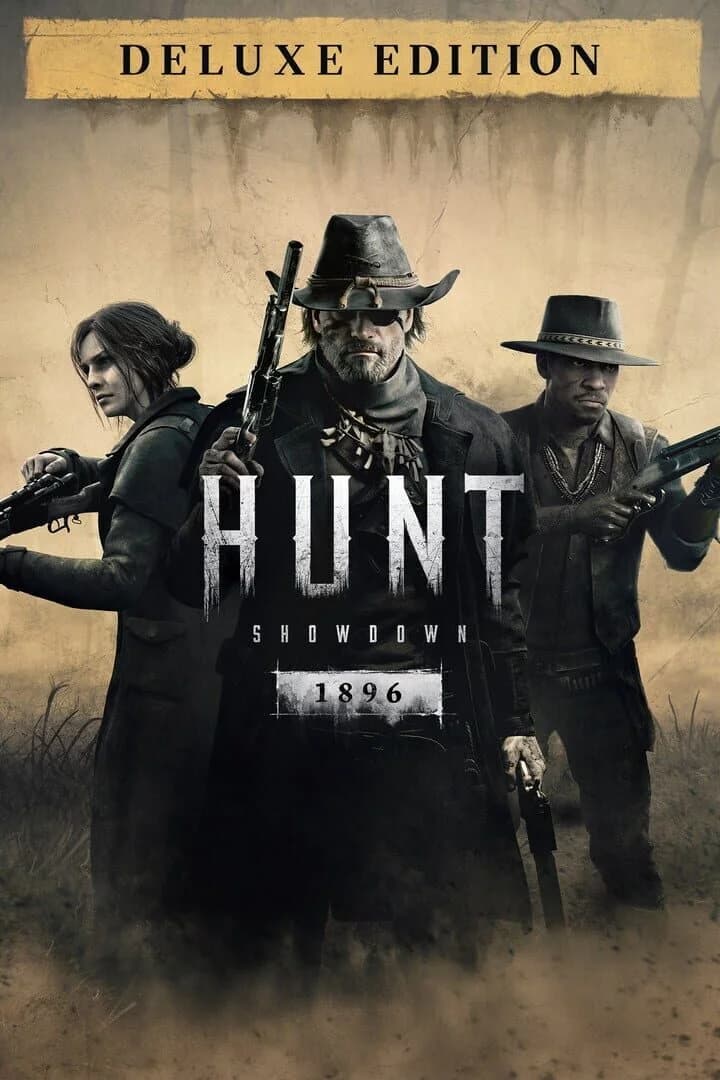
That is the exact direction Hunt’s designers say they want: fewer predictable escape corridors, more read-and-react play. Steam News/PC Gamer framed it as a move away from “backpack” extraction play toward spontaneous PvP firefights and map knowledge — and that nails the point. If Scout Towers become choke points for intel, matches will pivot toward fights over information as often as fights over loot.
The uncomfortable question Crytek doesn’t headline
All interesting experiments have practicality problems. If revealing an extraction via banishing a boss writes the location for the whole server, nothing meaningful changes. If Scout Towers always hand the same map segment or one tower reliably reveals every useful spawn, you’ll just get predictable “tower camping.” The devil’s in the reveal rules: randomness, privacy (does only your squad see a revealed extraction?), and the spawn logic for Scout Towers will determine whether this is a real meta-shift or a cosmetic shuffle.
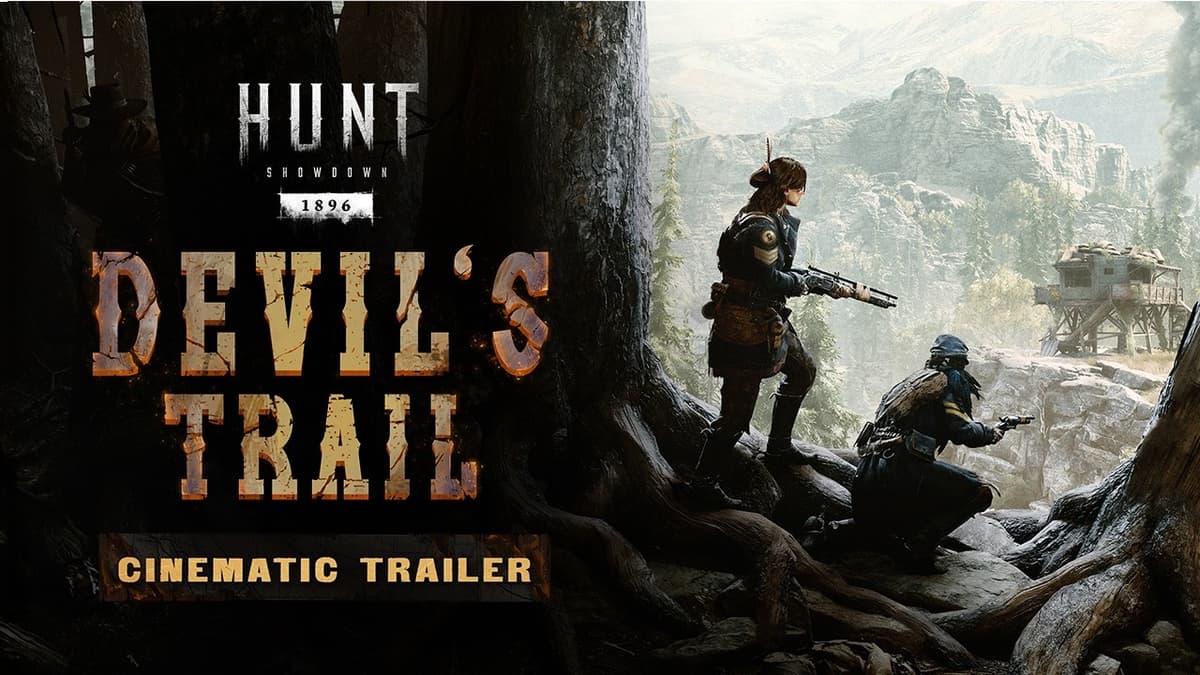
Also: information hubs invite new griefing vectors. A team could hoard Scouting Maps, sit on extraction knowledge, and funnel fights — which is exciting when balanced, miserable when it’s a one-sided siege. Crytek’s previous experiments — tarot cards added as event tools and later normalized — show they’re willing to iterate, but those iterations need tuning.
Why this live test matters for extraction shooters
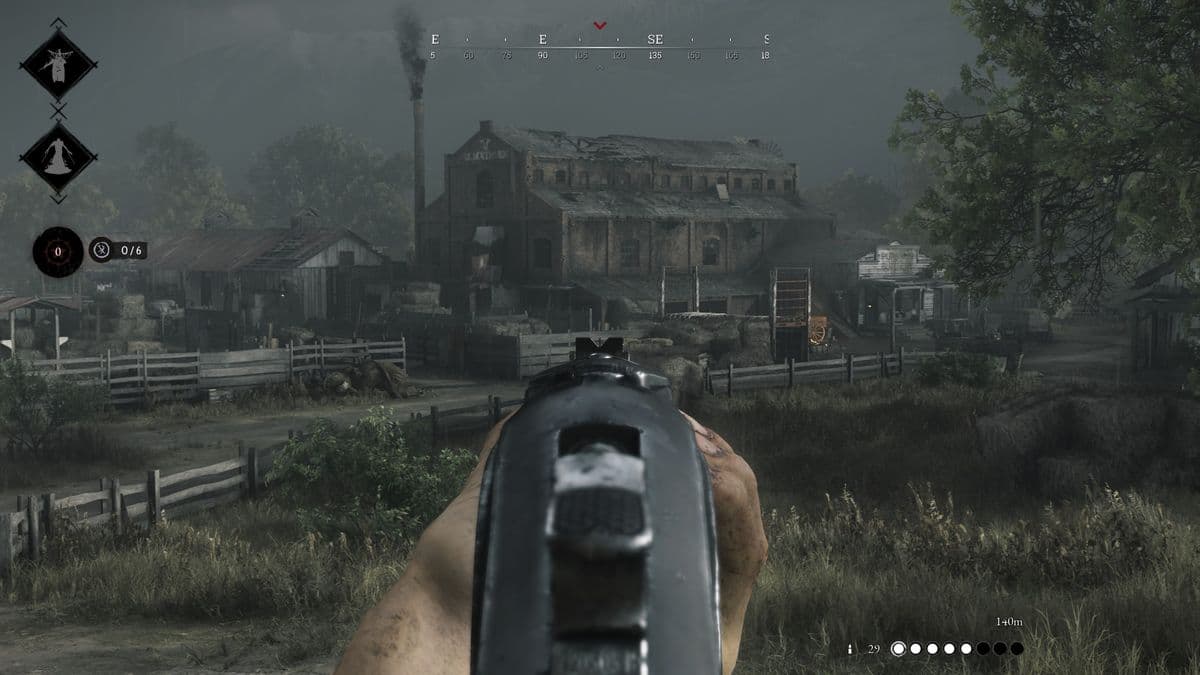
If this sticks, it would be a rare, successful example of a developer removing convenience to improve tension. Extraction games often rely on markers because they reduce friction for inexperienced players — but that friction also bleaches out emergent PvP. Hunt testing hiding critical map info is a bold way to force high-skill interactions: tracking, misdirection, and information denial. That could make the endgame feel less like a race and more like a hunt.
What to watch (and when)
- March 18, 2026 — Devil’s Trail goes live. Watch early community reaction threads for whether extraction reveals are server-wide or squad-only.
- Scout Tower behavior — how often they spawn, what maps they reveal, and how reliably they reward contested fights.
- Stats: look for changes in post-bounty PvP frequency, extraction camping, and match time. If the event increases ambushes and player-on-player engagements, it’s doing its job.
- Crytek’s follow-up: will the mechanic be tweaked or rolled back after the event? Past tarot changes suggest Crytek will keep what improves play and cut what doesn’t.
I’m especially watching the reveal mechanics. If banishing a boss hands your entire server the same extraction, the spectacle dissolves into the old pattern. If reveals are private, or at least stochastic, then extraction becomes a chess endgame instead of a sprint.
TL;DR
Crytek’s Devil’s Trail (Mar 18) hides extraction and supply points and adds Scout Towers, tarot cards and persistent environmental tracking to push Hunt toward information-driven PvP. This is a live test: the outcome depends on whether reveals are private or public and how Scout Towers are balanced. If tuned right, the change could make the endgame feel properly hunted — if not, it will just be another obtuse toggle in a long line of event options.
FinalBoss // Gear
Level up your setup
01Top-rated gaming headsetson Amazon→02High-refresh gaming monitorson Amazon→03Gaming chairson Amazon→04Discounted game keyson Kinguin→Affiliate links · As an Amazon Associate, FinalBoss earns from qualifying purchases.
Want to Level Up Your Gaming?
Get access to exclusive strategies, hidden tips, and pro-level insights that we don't share publicly.
Ultimate Gaming Strategy Guide + Weekly Pro Tips