
Table of Contents (6)
Hytale is launching next week with V1 – but you’ll get windows into a powerful V2 world generator
The immediate impact for players is simple and exciting: Hytale arrives in very early access with its original world generator (V1) but gives you in-game “Gateways” to step into V2 content that’s still under construction. That means you can play the game day one while also previewing and testing a more advanced, creator-friendly world system that’ll eventually replace the old one.
- This caught my attention because Hypixel isn’t just promising better visuals-it’s promising tools that let creators reshape world generation without deep coding.
- V1 stays playable (your old maps won’t vanish), but V2 will be the future: node editor, live reloading, and smarter asset placement.
- Gateways will let players experience partial V2 areas early, which is great for feedback but could create odd seams between generators.
- Hypixel plans to hire community “world designers” to accelerate V2 content-more hands, more consistency, and also a question of editorial control.
Breaking down V1 vs V2 — what’s actually new
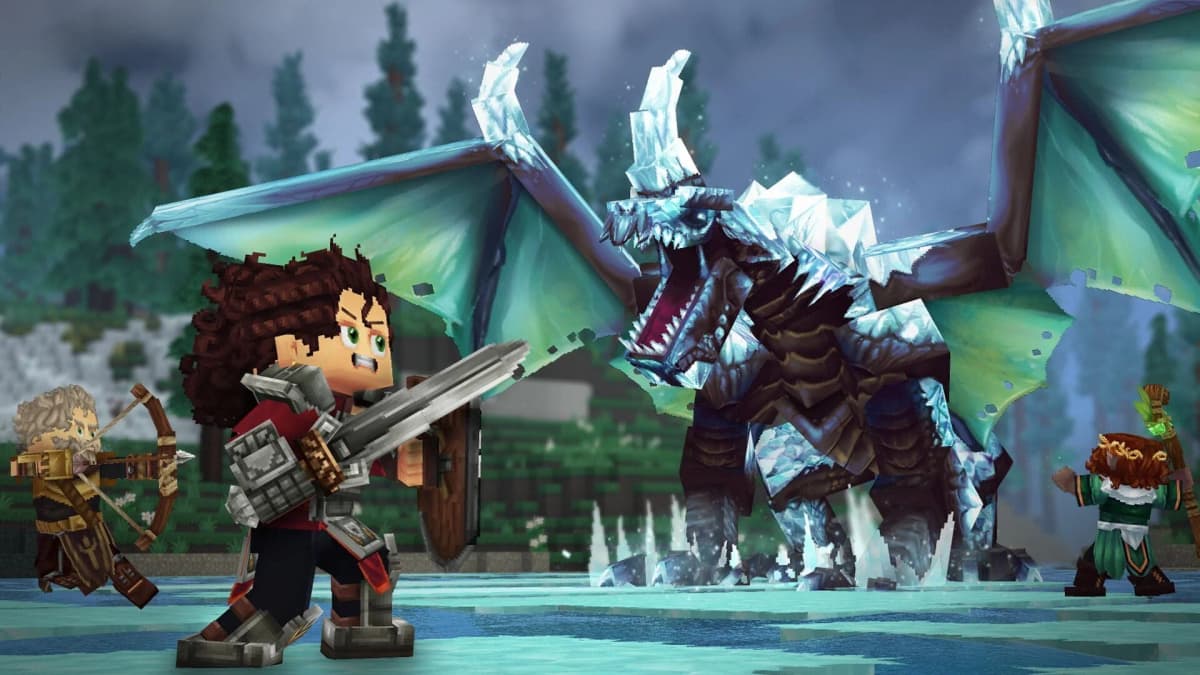
V1 is the generator that built Orbis and is what Hytale launches with next week. V2, the project the devs have been quietly building since 2021, is a full replacement when it’s ready. That replacement isn’t just a prettier skin: Hypixel’s pitch is that V2 is a workflow and systems upgrade. It introduces a visual node editor so artists and designers can shape procedural rules by linking nodes, not by writing low-level code.
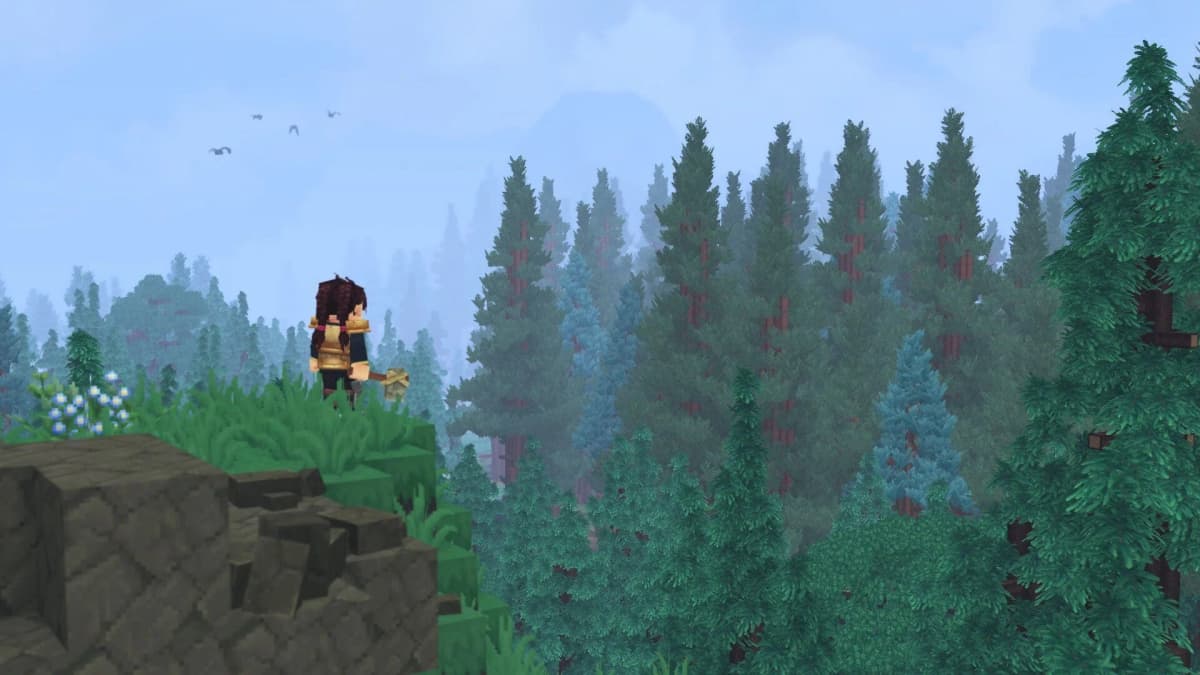
Two practical features matter most for creators and modders: live-reloading edits and context-aware asset placement. Live reload means you tweak a biome in the editor and see the world update in-game instantly — a massive iteration speedup compared to the usual edit-build-test loop. The placement logic example Hypixel gives — ash trees spawning only on blocks above empty space so they mark cave entrances — hints at smarter, more ecological landscapes rather than random decoration spam.
Why this matters to creators, servers and the “Minecraft crowd”
Hytale has always pitched itself at the intersection of sandbox building and mod-friendly tools, and V2 is their attempt to close the gap between developers and community creators. A visual node editor lowers the barrier: you don’t need to be a scripter to craft distinct biomes and procedural rules. For server hosts, small studios, and amateur world designers, this could be the killer feature — if the tools are as accessible as Hypixel says.
Compare that to Minecraft’s modding scene: WorldEdit, datapacks, and third-party editors are powerful but fragmented and often require technical know-how. Hytale promising an integrated, artist-forward toolchain is the kind of UX improvement that could actually shift where creative communities congregate — though I wouldn’t bet on a mass exodus from Mojang’s ecosystem overnight.
What to watch for (skeptical lens)
- Gateways will let players preview V2 regions, but mixing V1 and V2 in one world risks awkward transitions or gameplay inconsistencies.
- Hypixel says V1 worlds remain accessible but will stop generating new chunks — plan for migration strategies for long-running servers.
- “Anyone can create” reads great, but community uptake depends on documentation, tutorials, and how deep the learning curve actually is.
- Hiring community world designers is smart, but it raises questions about whose style dominates Orbis and how curated that content will become.
The studio’s comeback story—reclaiming Hytale from Riot and escalating communication under founder Simon Collins-Laflamme—adds context: Hypixel is on a hard push to get the game in players’ hands and iterate publicly. That makes Gateways a smart design decision: crowdsource testing and feedback on V2 while keeping a stable V1 baseline.
What gamers should expect when they boot it up
Day one you’ll get Orbis as built by V1, plus pockets of under-construction V2 accessible through Gateways. If you’re a creator, expect to spend time in tutorials and the node editor as you learn the new workflow. If you’re a server admin, plan for future migration and consider whether you want V2 previews in your public worlds. If you’re a Minecraft player who loves building or running mods, V2 is the part to watch — it could make complex procedural design approachable for far more people.
TL;DR
Hytale ships in very early access with V1 but gives you a look at the upcoming V2 through Gateways. V2’s node editor, live-reload, and smarter placement are the real story — they could change who can make interesting worlds and how fast they can iterate. Hypixel’s balance between community control and hiring in-house designers will determine whether Orbis becomes a playground of creative freedom or a tightly curated showcase.
FinalBoss // Gear
Level up your setup
01Top-rated gaming headsetson Amazon→02High-refresh gaming monitorson Amazon→03Gaming chairson Amazon→04Discounted game keyson Kinguin→Affiliate links · As an Amazon Associate, FinalBoss earns from qualifying purchases.
Want to Level Up Your Gaming?
Get access to exclusive strategies, hidden tips, and pro-level insights that we don't share publicly.
Ultimate Gaming Strategy Guide + Weekly Pro Tips