
Game intel
Hytale
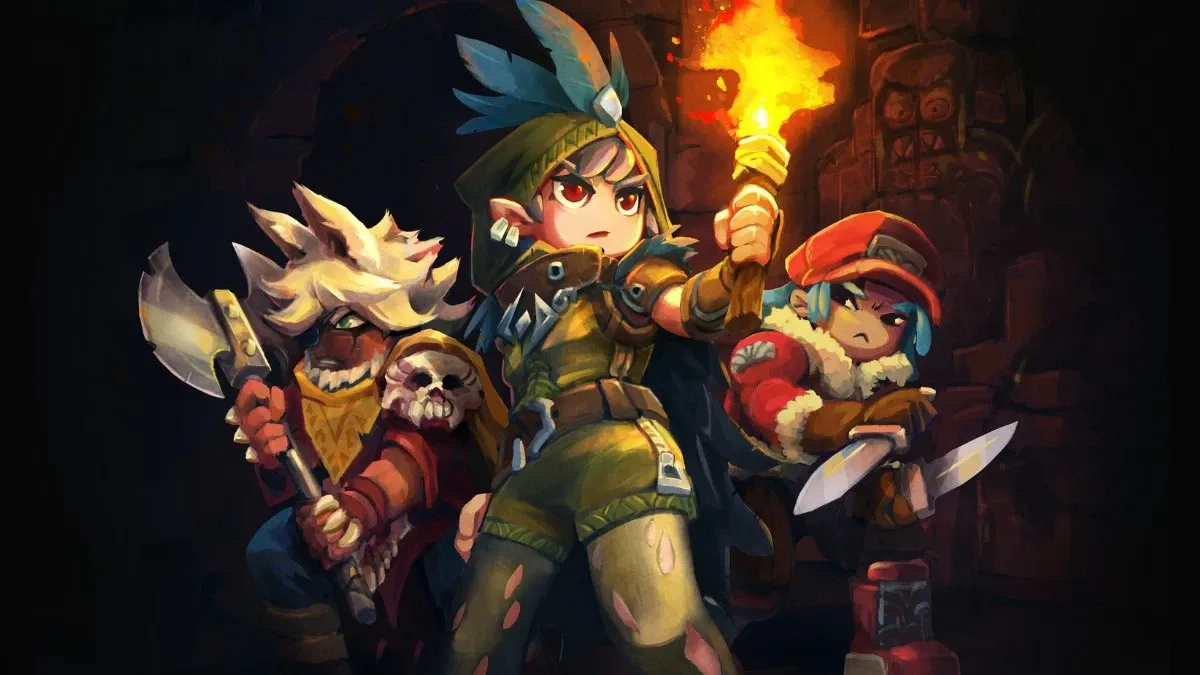
Hytale combines the scope of a sandbox with the depth of a roleplaying game, immersing players in a procedurally generated world where teetering towers and dee…
This caught my attention because Hytale wasn’t just another indie sandbox – it was the one Minecraft-adjacent project that felt like it could actually compete. So when Hypixel founder Simon Collins-Laflamme stepped in after Riot Games halted development, I cheered. Then he hit everyone with blunt honesty: the build they’re shipping for early access is “not good enough.” That matters more than the rescue itself.
We’re in an era where early access can make or break a title’s reputation. Done right, iterative launches – think Valheim-level success stories — turn community energy into product momentum. Done wrong, they leave a scar: players assume the unfinished state is permanent. Collins-Laflamme is explicitly aware of that risk. He says some people will be “permanently convinced the game is doomed to remain in this state,” and that’s the real trade-off he’s asking the community to accept.
The big technical detail is blunt and consequential: the team ditched a newer cross-platform engine because it would have taken about two years to stabilise. Instead, they’re using “a four-year-old game build with over 300 versions of prototypes that we Frankensteined together in record time into a single branch,” Collins-Laflamme explains. Translation: code debt, mismatched systems and features that weren’t designed to coexist are all part of the starting package.
He’s not hiding that there are “barely any game progression mechanics configured,” which is the kind of thing that turns a fun exploration loop into a novelty you stop playing after a couple of hours. Combat, exploration and the vibe are reportedly strong — but long-form retention systems are missing and have to be built fast. That’s a hell of a challenge for a small, reconstituted studio on the clock.
I respect Collins-Laflamme’s tone. He doesn’t sugarcoat the situation: “When I say Hytale is not good enough, I genuinely mean it,” he writes. He also leans on a philosophy that gamers who helped build Hypixel over 14 years will recognise — treat criticism as fuel. “One thing I have learned over time is to enjoy the painful feedback,” he says. That attitude has saved other community-driven projects, but only if the devs actually act fast on that feedback.
There’s also a hard truth about optics: early-access stagings by well-known teams invite louder scrutiny. The community will expect transparency, regular updates, and visible progress on progression systems. That’s exactly the promise Collins-Laflamme is making: an iterative fix-first approach, low prices to lower the barrier for feedback, and a willingness to own the mess.
Risk: if the team moves too slowly or bungles core progression, Hytale could be written off as another vaporised promise despite being rescued. Reward: if Hypixel’s community and a low entry price deliver a flood of thoughtful feedback and the devs iterate fast, Hytale could grow into the sandbox rival it once promised to be.

Personally, I’m leaning in. Hypixel has earned goodwill from years of community engagement on Minecraft, and Collins-Laflamme’s blunt honesty is rare and refreshing. But being optimistic doesn’t mean ignoring the facts: early access here is a product risk, not a marketing stunt. Buy-in is a choice — and it should be informed.
Simon Collins-Laflamme saved Hytale from cancellation and is launching an aggressively priced early access built from old prototypes. Expect a fun but incomplete experience focused on exploration and community-driven fixes — bring patience, not expectations of polish.
Get access to exclusive strategies, hidden tips, and pro-level insights that we don't share publicly.
Ultimate Gaming Strategy Guide + Weekly Pro Tips