
Table of Contents (9)
The night I bounced off Cyberpunk 2077
The first time I booted up Cyberpunk 2077, I bounced so hard I left a crater in Night City.
This wasn’t 2020 launch-day chaos. I jumped in years later, after Phantom Liberty dropped and after Patch 2.1 had supposedly “fixed everything”. The memes had cooled off, the bugs were mostly squashed, and everyone assured me, “No really, it’s actually good now.”
So I did what I always do with a big new RPG: cleared a weekend, made coffee, cranked the brightness so my retinas could handle neon for ten hours straight… and within a couple of weeks I’d bounced Cyberpunk 2077 straight into the backlog. Hard. Uninstalled, out of sight, out of mind.
Not because it was broken. Not because the story didn’t grab me. But because the game’s own systems felt like they were actively trying to choke out my enthusiasm. Attributes, perks, cyberware, cyberdecks, Sandevistans, crafting, weapon tiers, car handling that felt like driving a refrigerator on ice… it was just noise. Expensive, shiny, triple-A noise.
I’d finished the prologue, gotten a taste of Johnny Silverhand’s endless monologues, done a couple of gigs, and then realized: I had absolutely no idea what the hell I was doing under the hood. The numbers, the perks, the cyberware slots – it all blurred into a wall of text. I wasn’t playing an RPG; I was doing unpaid QA on a UX designer’s fever dream.
So yeah, I’m one of those people who bounced Cyberpunk 2077 despite everyone swearing it was a masterpiece now. And that’s exactly why its arrival on Xbox Game Pass is such a smart, almost sneaky move.
Cyberpunk is hostile as hell to new players – and that’s not a compliment
Let’s be brutally honest: Cyberpunk 2077 is terrible at teaching you how to play Cyberpunk 2077.
It gives you a basic combat tutorial, dumps a few tooltips into the corner of the screen while you’re busy not dying, and then basically shrugs and says, “You’ll figure it out, choom.” It’s like being thrown into Dark Souls but the bonfire tooltips are written by a marketing intern.
When I first played, I had no meaningful understanding of:
- How cyberware interacted with my attribute spread
- Why some guns felt like laser scalpels and others like Nerf toys
- What the hell a Sandevistan build actually wanted from me
- Which perks were foundational and which were just shiny traps
- How the game really wanted me to approach stealth, hacking, or melee
The explanations exist, technically. They’re buried in tiny icons, tooltips, and menus that feel like a tax form designed by an AI that only consumed Blade Runner fanfic. Nothing properly onboards you into the logic of Night City’s systems. It’s all vibes and trial-and-error.
And look, I get the argument: “It’s immersive! It’s overwhelming on purpose! Night City is supposed to be hostile!” Sure. Atmosphere-wise, that lands. The sensory overload of the city is part of the fantasy. But there’s a difference between worldbuilding chaos and mechanical opacity. The former is cool; the latter is bad design, no matter how many neon filters you slap over it.
I had a similar problem with The Witcher 3’s mutagen system back in the day. Great game, iconic characters, but that whole “combine these coloured blobs into slightly better coloured blobs” thing might as well have been witcher tax law. Cyberpunk takes that same CD Projekt Red “you’ll work it out eventually” energy and injects it straight into every system that actually matters to your build.
The result? A lot of people do exactly what I did: they bounce the Cyberpunk 2077 game early. They hit that first 5-10 hour wall where the story is heating up but their build feels like wet cardboard and the skill trees look like alien hieroglyphs, and they quietly nope out.
Why I crawled back to Night City – and couldn’t leave
Here’s the part I didn’t expect: after two months away, I couldn’t stop thinking about Cyberpunk.
Not about the systems. About moments. Jackie at the noodle stand. The first time you really see Night City sprawl out below you. That uneasy companionship with Johnny. I’d bounced off the mechanics, but the atmosphere had gotten under my skin.
Also — and I won’t pretend this isn’t a factor — I’d dropped something like £80 between the base game and Phantom Liberty. There’s stubborn, and then there’s “I refuse to let this much money go to waste” stubborn. I am absolutely the latter.
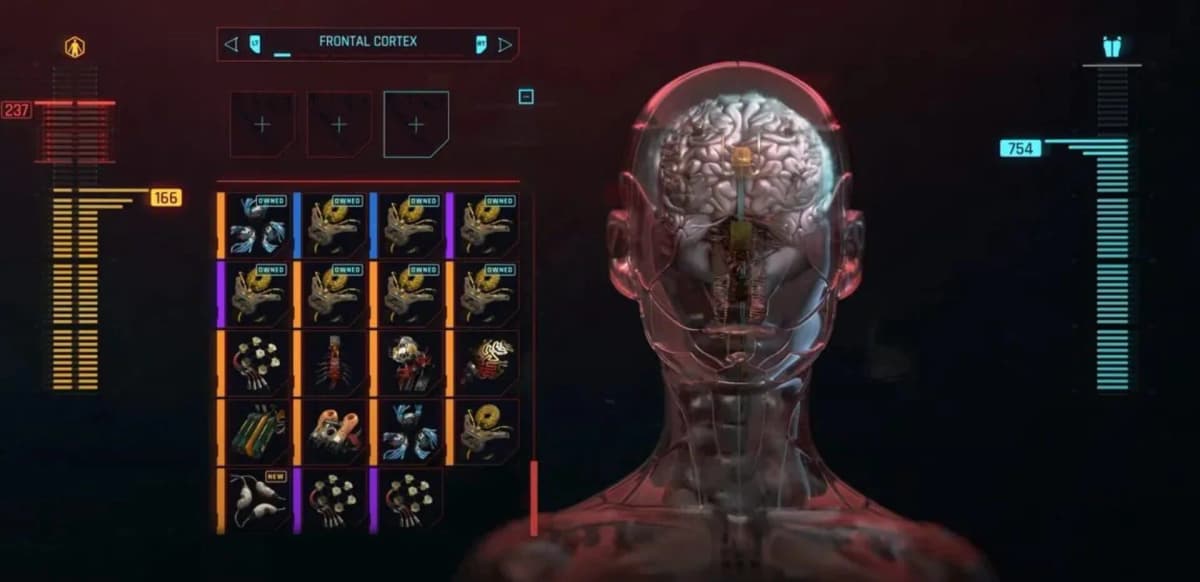
So I went back in with a different mindset. Instead of treating it like a slightly shootier Witcher, I approached it like a hardcore immersive sim with a hostile manual. I watched a couple of short beginner guides. I picked a fantasy — stealthy netrunner with a side of handguns — and ruthlessly ignored everything that didn’t serve that fantasy.
Something clicked. Once I actually understood how RAM, quickhacks, and cyberware synergised, the whole game opened up. That frustrating sprawl of icons and systems snapped into place. I went from flailing through firefights to orchestrating them — pinging enemies through walls, chaining hacks, sliding around in bullet time like a budget anime protagonist.
And then the real problem began: I couldn’t stop.
I finished my first run. Then I rolled a new character immediately. Then another. Four full playthroughs later, I was that guy banging on about how Cyberpunk 2077 might secretly be one of the best RPGs ever made if you’re willing to claw through those ugly first hours and actually learn how it wants to be played.
That arc — bounce, sulk, return, obsess — is exactly why its arrival on Xbox Game Pass is such a big deal, especially now.
Cyberpunk on Game Pass is the rare move that actually respects our time
Cyberpunk 2077 joined Xbox Game Pass on March 10, 2026, slotted into the service’s shiny new Premium/Ultimate line-up alongside other big hitters. Base game only — Phantom Liberty is still a separate purchase — but even just the main campaign and side content is an easy 80-100 hours if you actually take your time.
Cyberpunk on Game Pass is the rare move that actually respects our time
Cyberpunk 2077 joined Xbox Game Pass on March 10, 2026, slotted into the service’s shiny new Premium/Ultimate line-up alongside other big hitters. Base game only — Phantom Liberty is still a separate purchase — but even just the main campaign and side content is an easy 80-100 hours if you actually take your time.
🎮 Get This Game at the Best Price
Compare prices instantly and save up to 80% on Steam keys with Kinguin — trusted by 15+ million gamers worldwide.
*Affiliate link — supports our independent coverage at no extra cost to you
And that length is the point.
Game Pass just got more expensive. Again. If Microsoft wants us to swallow that price hike without choking, “hey, here’s a cool six-hour indie” isn’t going to cut it anymore, no matter how good those indies are. You can’t keep ratcheting up the monthly cost and then pad the library with disposable weekend-filler. At some point, the maths stops working.
Cyberpunk is the opposite of disposable. It’s dense, messy, sprawling, and absolutely not designed to be inhaled in a single weekend. It’s the kind of game that justifies a subscription precisely because you can live in it for weeks without running out of things to do.
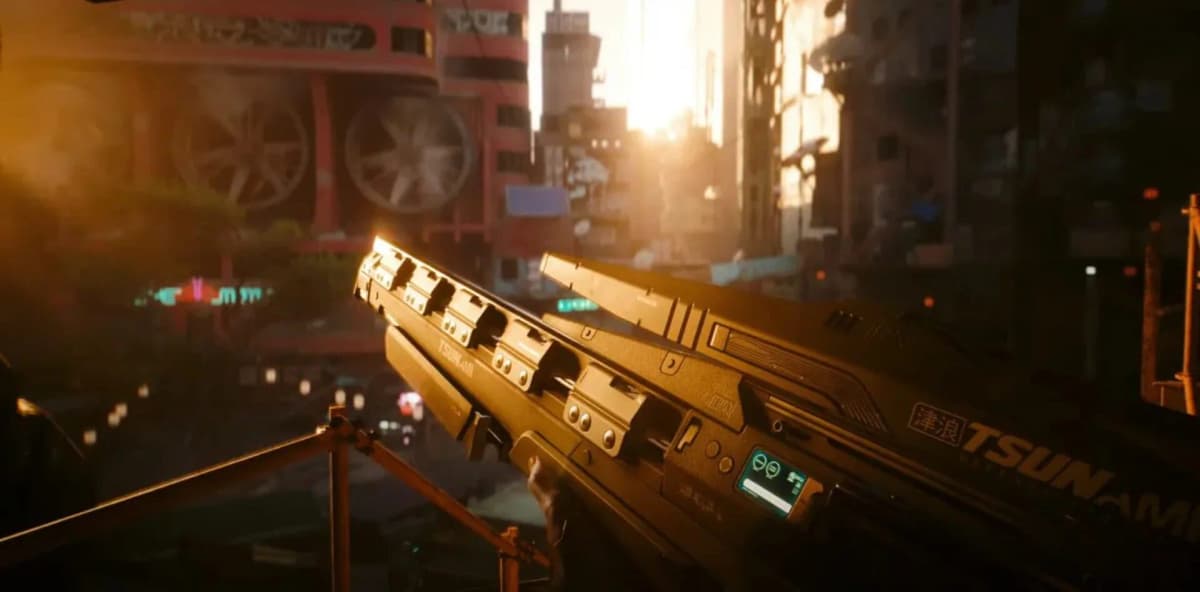
From Microsoft’s perspective, that’s gold. A 100+ hour RPG is built-in retention. From my perspective as a player? It finally makes the subscription feel like it’s doing more than letting me mainline a bunch of content I would never have paid full price for anyway.
But here’s the twist: it’s not just the length that makes Cyberpunk a perfect Game Pass fit. It’s that nasty, punishing early learning curve.
When you buy a game outright and it doesn’t click in the first five hours, you end up in that weird sunk-cost limbo. You feel guilty dropping it, but resentful pushing through. That’s exactly what happened to me the first time. I’d paid, so I kept trying to brute force my way into fun, and the game kept pushing back.
On Game Pass, that psychological trap mostly evaporates. You can bounce off Cyberpunk 2077 after a rough evening, dive into something else, and come back a month later without this voice in your head screaming, “You wasted £70, you idiot.” The subscription model actually encourages the kind of play pattern Cyberpunk needs: experiment, retreat, return.
Honestly, if Game Pass had had Cyberpunk back when I first tried it, I don’t think I’d have uninstalled in a huff. I’d have shelved it for a bit, played something lighter, then wandered back to Night City when I felt like chewing on something tougher. That’s what the service is good at when it’s firing on all cylinders — not just variety, but variety with room for obsession.
And yeah, right now it’s console and cloud players who benefit the most; the PC side of Game Pass is still a weird mess where availability feels inconsistent depending on where you live and which tier you’re on. But in principle, putting long, demanding RPGs on a sub is exactly how you justify these ever-climbing prices.
CDPR still absolutely whiffed the onboarding
None of this lets CD Projekt Red off the hook.
I’ve seen people bend over backwards to defend Cyberpunk’s lack of clarity as some kind of brave artistic choice. “It’s supposed to be confusing, it’s the future, you’re a small fish in a huge system.” Yeah, cool metaphor. Still doesn’t change the fact that a simple “Hey, maybe don’t spread your attribute points between five stats like peanut butter” pop-up would save a lot of broken builds.
After four playthroughs, I can confirm the game does have incredibly deep systems. They really do interlock in clever, satisfying ways. There’s genuine joy in figuring out a build that lets you walk into a heavily guarded compound and dismantle it using nothing but quickhacks and a pistol. But the game does almost nothing to help you get from “confused merc with a cheap pistol” to “walking god of destruction”.
For a studio that can write such meticulous, layered quests, the lack of a proper systems tutorial is bizarre. It’s not just that they didn’t hold our hands; it’s that they slapped our hands away and hid the manual.
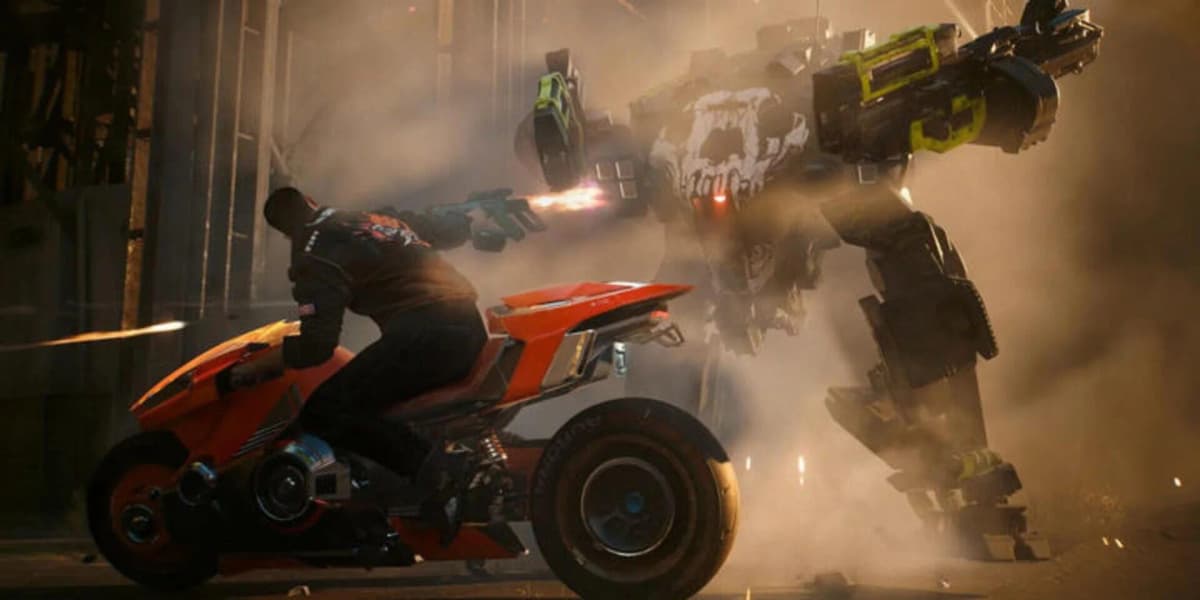
So yes, I’ll happily call Cyberpunk 2077 one of the best RPGs I’ve ever played. But I’m also going to call bullshit on the idea that its early-game experience is fine as-is. It isn’t. Game Pass makes that rough start more survivable, but it doesn’t magically fix the UX sins baked into the foundation.
How to survive Cyberpunk’s brutal first 10 hours
If you’re installing Cyberpunk on Game Pass right now and you’ve already bounced once before, here’s the approach that finally made it click for me:
- Pick one fantasy and commit. Netrunner, katana psycho, stealthy assassin, tech-weapon sniper — just choose one and funnel your attributes and perks into making that fantasy work. Don’t try to be good at everything.
- Ignore crafting at the start. Crafting is useful later, but early on it’s a distraction. Use what you loot, disassemble the junk, and don’t stress about perfect gear until you understand how you like to play.
- Do Watson gigs before mainlining the story. Clear some side jobs in that first district. You’ll level up, grab better gear, and naturally learn the flow of combat and stealth without the main plot breathing down your neck.
- Don’t be afraid to lower the difficulty. If you’re there for the story and world, turn the difficulty down for a while. There’s no moral high ground in getting one-shot by a goon because your build is scuffed.
- Look up one starter build guide. Not to min-max, but to get a feel for what a coherent build even looks like. Cyberpunk is dense enough that a little outside help at the start goes a long way.
Do that, and suddenly the game starts working with you instead of against you. The systems stop feeling like a brick wall and start feeling like a playground. That’s when Night City sinks its teeth in and doesn’t let go.
What this means for Game Pass — and what I want next
Cyberpunk 2077 hitting Game Pass right after price hikes isn’t an accident. It’s Microsoft saying, “Look, we know you’re mad about the extra ten bucks, here’s a game you can drown in for a month straight.” And honestly? That’s the right kind of damage control.
I want more of this. Not another handful of disposable shooters I’ll forget in a weekend. Not another wave of decent-but-forgettable AA open worlds. I want Game Pass to lean into big, weird, demanding RPGs and sims that actually reward long-term investment. Cyberpunk. Kingdom Come: Deliverance 2. Stuff that makes me feel like keeping my sub active is smarter than just buying one game outright and calling it a day.
And while we’re dreaming? Bundle Phantom Liberty into the higher tiers at some point. If you’re going to sell me on “Premium”, putting one of the best expansions in modern RPG history behind another paywall feels cheap. Night City deserves better. So do the players actually putting in the hours.
For now, though, this is where I’ve landed: Cyberpunk 2077 is a mean, messy, occasionally infuriating game that absolutely does not care if you bounce off it the first time. That used to be a dealbreaker. On Game Pass, weirdly, it’s a feature.
If you bounced Cyberpunk 2077 before, this is your shot to come back without resentment. Let the subscription absorb the risk. Take your time. Treat those first hours like learning a new fighting game: confusing, awkward, but worth it when the muscle memory finally kicks in.
I hated my first few nights in Night City. Now, after four full playthroughs, I’m relieved I was stubborn enough to return — and quietly impressed that, for once, a Game Pass move actually respects how I play games instead of just how fast I can churn through them.
FinalBoss // Gear
Level up your setup
01Best-selling Xbox Series X|S gameson Amazon→02Xbox controllerson Amazon→03Top-rated gaming headsetson Amazon→04Discounted game keyson Kinguin→Affiliate links · As an Amazon Associate, FinalBoss earns from qualifying purchases.
Want to Level Up Your Gaming?
Get access to exclusive strategies, hidden tips, and pro-level insights that we don't share publicly.
Ultimate Gaming Strategy Guide + Weekly Pro Tips