

I can’t ignore the AI accusations rocking Subnautica 2 — and the 2026 delay isn’t the real story
Game intel
Subnautica 2
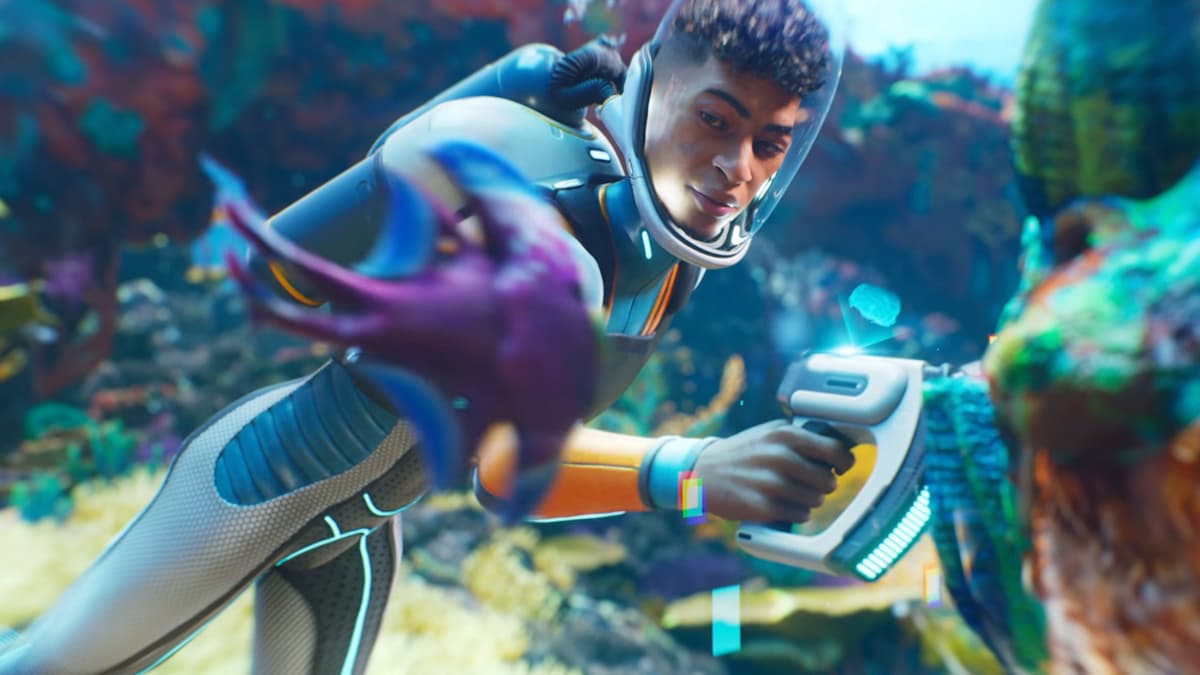
Dive into uncharted waters in Subnautica 2, the hotly-anticipated sequel to Subnautica and Subnautica: Below Zero. Adventure alone or with friends as you try t…
Why this matters now
Subnautica earned its place as a modern survival classic by being weird, brave, and laser-focused on atmosphere. That’s why the latest drama around Subnautica 2 isn’t just another corporate spat-it’s a warning sign that the creative heart of the sequel could be at risk. According to legal filings circulating online, Krafton’s CEO is accused of using AI to find ways to avoid paying a $250 million earn-out promised when the publisher acquired Unknown Worlds. In the same storm, the studio’s cofounders were reportedly dismissed and Early Access is now planned for 2026.
If you’re a fan, this is the part that stings: the publisher says the delay is because the game needs about 30% more content; the other side claims the delay is about sidestepping the earn-out triggers. Both can’t be true at the same time. And whichever story you believe, development under a cloud of legal and leadership turmoil rarely makes better games.
Key Takeaways
- Legal filings allege Krafton sought to avoid a $250M earn-out after acquiring Unknown Worlds, even using AI to search for workarounds; these are allegations, not proven facts.
- Unknown Worlds’ cofounders, including Charlie Cleveland and Max McGuire, were reportedly fired; Subnautica 2’s Early Access window has shifted to 2026.
- Krafton says the delay is because the game needs 30% more content; critics argue the timing aligns with avoiding bonus payouts.
- Leadership has tried to calm fears, promising the “classic Subnautica feel” and no microtransactions-but fans have reason to stay skeptical.
Breaking down the allegations (and that 2026 delay)
Earn-outs are standard in acquisitions: hit specific milestones or revenue targets and the original owners get a big payout. They also create perverse incentives. If the buyer delays releases or reshuffles milestones, the earn-out can evaporate. That’s the core of the Subnautica 2 dispute. The accusation is that Krafton leadership used AI to explore ways to avoid paying what amounts to a quarter of a billion dollars. That’s a jaw-dropping number for an indie-born studio and exactly the kind of figure that can warp decision-making.
Krafton’s counter is simpler: the game isn’t ready. The pitch is “30% more content needed,” which-on paper—tracks with a co-op survival sequel that has to deliver new biomes, vehicles, base-building depth, and a stable network layer. But context matters. Unknown Worlds built Subnautica and Below Zero in Early Access and iterated with the community. If anyone knows how to ship a playable slice and evolve it live, it’s this team. Pushing Early Access out to 2026 runs against that history, which is why the delay feels less like craft and more like corporate calculus.
Why this hits different for Subnautica
The original Subnautica works because it marries isolation with discovery. Every deep dive feels personal. Co-op in Subnautica 2 could be brilliant—think synchronized dives, shared base engineering, and tag-team leviathan escapes—but it can also puncture the tension if it turns into a jokey group romp. Unknown Worlds knows this balance better than anyone, but leadership churn and legal distractions are the fastest way to lose the tonal thread.
There’s also the monetization ghost. Earlier messaging about “seasonal” structure spooked the fanbase; leadership has since said clearly there won’t be microtransactions or aggressive live-service hooks. That’s reassuring, but players have been burned before by shifting post-acquisition roadmaps. If Subnautica 2 arrives bloated with busywork rather than elegant systems—more checklists, fewer “whoa” moments—that’ll be a telltale sign of design by KPI instead of design by curiosity.
Want to Level Up Your Gaming?
Get access to exclusive strategies, hidden tips, and pro-level insights that we don't share publicly.
Ultimate Gaming Strategy Guide + Weekly Pro Tips
What players should expect next
Short term, don’t expect splashy reveals. Legal fights freeze communication. The smart move for the team is to keep building quietly, then show a coherent Early Access package when it’s actually ready. If that package lands in 2026, history suggests a long runway to 1.0; Subnautica spent roughly four years in Early Access, Below Zero about two. Plan for the long haul.
What I’ll be watching for:
- Scope clarity: a tight, explorable map with distinct biomes beats a giant, empty ocean. If “30% more content” means depth (systems, fauna behaviors, base hazards), that’s good. If it means quantity without purpose, red flag.
- Co-op integrity: does the game preserve tension when you’re not alone? Features like limited oxygen sharing, synchronized submersible management, and stealth around leviathans could keep the fear intact.
- Leadership stability: who’s steering creative? If veterans are gone and turnover spikes, expect safer, flatter design.
- Monetization follow-through: “no microtransactions” should mean exactly that. Cosmetic DLC or expansions are fine; power creep isn’t.
And here’s the real player advice: don’t pre-order anything, and treat Early Access like Early Access. Wait for hands-on impressions. Look for a performant PC build, a believable progression curve, and at least one biome that makes you forget to breathe for a second—that’s the Subnautica bar.
The gamer’s perspective
This caught my attention because Unknown Worlds earned massive goodwill by doing the opposite of what big publishers often demand: they shipped strange, risky ideas and trusted players to meet them halfway. Watching that ethos collide with a nine-figure earn-out and boardroom strategy is depressing—but not destiny. If the team can keep the ocean mysterious, the tools tactile, and the creatures terrifying, Subnautica 2 can still surface as something special. The danger is chasing scale for scale’s sake and sanding off the edges that made this series sing.
TL;DR
Subnautica 2 is swimming through legal turbulence: alleged AI-driven earn-out dodging, founder firings, and a 2026 Early Access delay. The publisher says it’s about needing more content; critics say it’s about avoiding payouts. For players, keep your hype in check and your eyes on the Early Access build—if the magic’s still there, you’ll feel it the moment you hit the water.