
Table of Contents (11)
Why this list is short on purpose
I still remember the moment I realized how weird this category is on Switch. I was digging through the eShop looking for something to scratch the football itch on a trip, fully expecting at least a decent bench of options, and instead I got the sports-game version of a shallow squad list. Plenty of genres are stacked on Nintendo hardware. Football really is not. That matters, because the best football/soccer games on Switch are not competing in a healthy, crowded field. They are surviving in a very thin one.
So this ranking is built around actual player use, not fantasy-league generosity. I’m not padding it with forgettable shovelware just to make the platform look deeper than it is. A game made this list if it fills a real role in 2026: the safest realistic sim, the best couch-multiplayer chaos machine, the smartest budget pick, the best retro fix, or the most interesting oddball. I’m also being upfront about one messy detail: some roundups of Nintendo Switch football games mix soccer and American football. I’ve separated those cases clearly, because if you mean association football, your best choices are basically EA SPORTS FC, Mario Strikers, and a handful of smaller indies that matter more here than they would on PlayStation or PC.
1. EA SPORTS FC 25
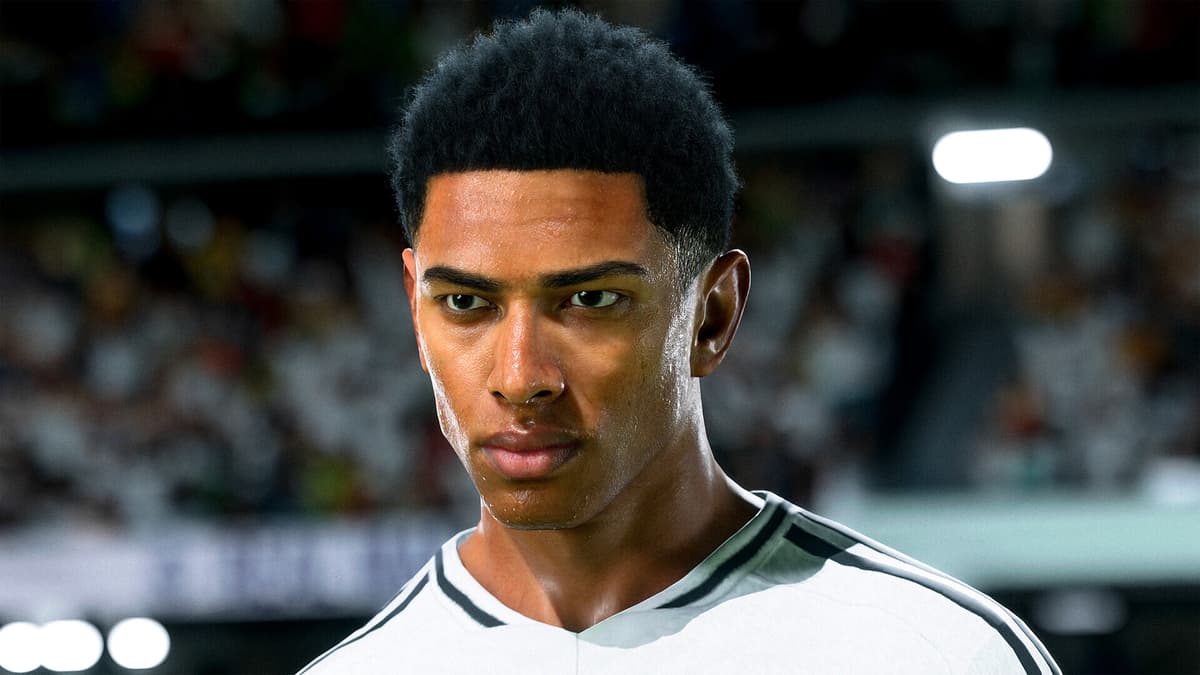
If you want a “real” soccer game on Switch, this is the default answer. Not the romantic answer, not the weird answer, not the hidden-gem answer. The default. EA SPORTS FC 25 earns the top spot because it gives you the thing most rivals on this platform simply can’t: licensed clubs and leagues, familiar broadcast-style presentation, recognizable modes, and a rules-and-structure feel that still resembles modern football rather than a party-game remix of it. That matters more on Switch than it does elsewhere, because the system’s football library is so thin that authenticity itself becomes a premium feature.
The catch is the same one that follows EA’s Switch releases every year. This is usually framed as a perfectly serviceable handheld version, not the place to chase technical parity with stronger hardware. If you obsess over visual fidelity, animation smoothness, or feature comparisons with PlayStation, you are already looking at the wrong platform. But if your real use case is portable seasons, quick career sessions, licensed teams on the couch, and a game that feels like proper football instead of a side dish, FC 25 is still the safest buy. It’s here at number one because it solves the biggest problem in this genre on Switch: most alternatives force you to compromise on realism immediately. This one at least lets you start from the real sport and accept the hardware tradeoffs afterward.
2. Mario Strikers: Battle League
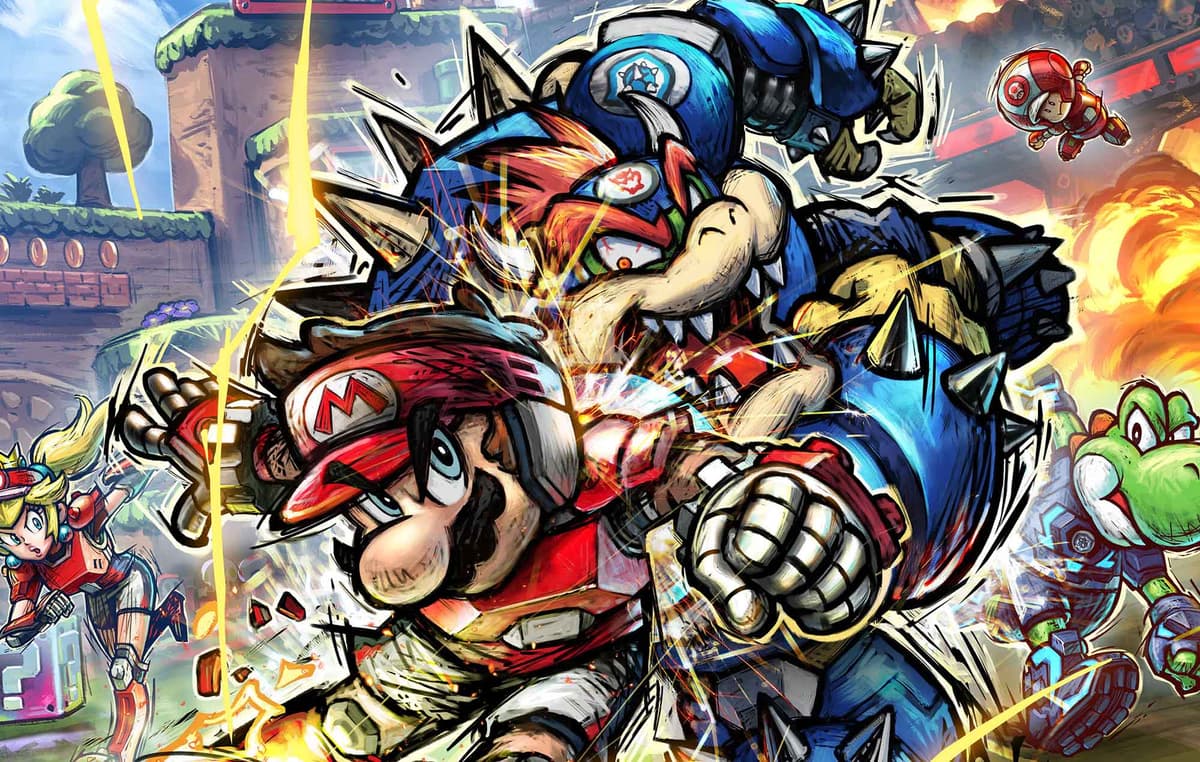
This is the best football game on Switch if the room matters more than the rules. Mario Strikers: Battle League is not trying to simulate the sport with sober realism, and that honesty is part of why it works. The second you see tackles flying, items changing momentum, and Hyper Strikes turning a routine chance into total nonsense, you understand the pitch. It’s football filtered through Nintendo’s love of readable chaos, and in local multiplayer that can be exactly what the platform needs. Few sports games on Switch feel this immediately legible in a party setting.
It lands just behind EA SPORTS FC because its strengths are narrower. Repeated criticism around this game has focused on solo depth, and that criticism is fair. If you want an offline sports game that can carry you alone for dozens of hours with layered progression and a meaty single-player structure, Battle League can feel thin faster than its best fans want to admit. But judged for what it actually does well, it’s excellent. The movement is quick, the collisions are funny in exactly the right way, and the matches have that dangerous “one more round” energy that arcade sports live or die on. For families, friend groups, and anyone who thinks football should be fun first and purist second, this is the cleanest Switch-exclusive buy in the category. Just don’t buy it expecting a traditional season grinder, because that is not its game.
3. EA SPORTS FC 24
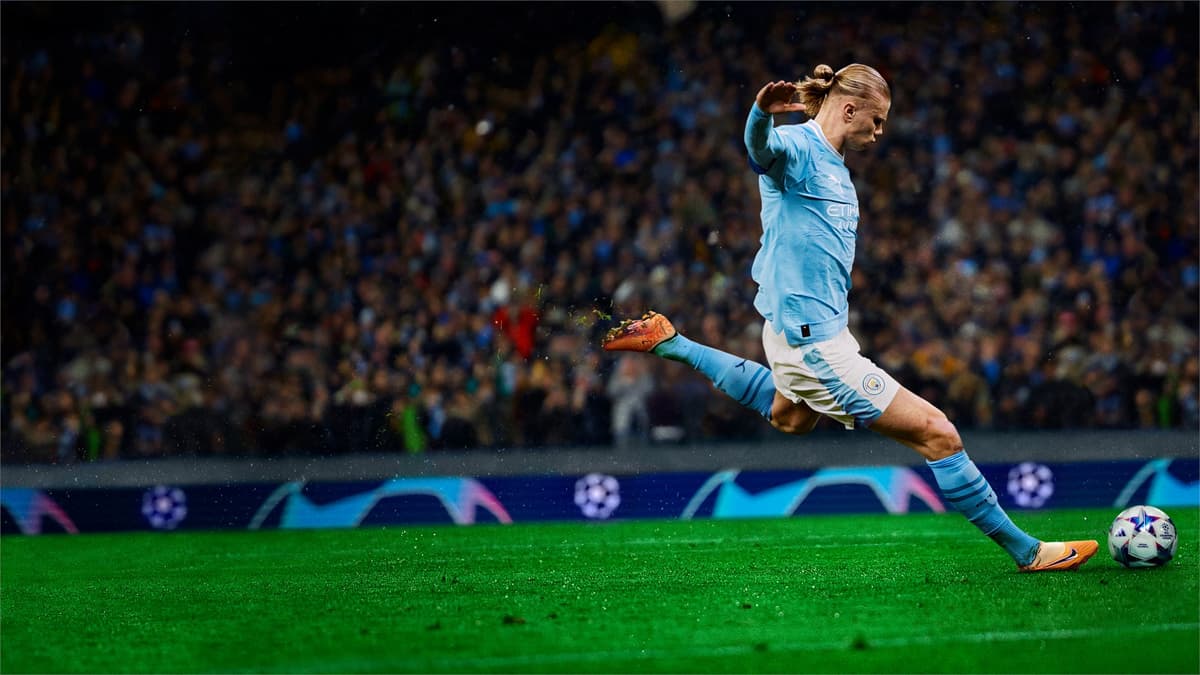
This placement is less about the individual game and more about the reality of buying annual sports titles on Nintendo hardware. EA SPORTS FC 24 is not here because it beats FC 25 head-to-head. It’s here because for a lot of Switch owners, it may be the smarter purchase if the price is right. The broad appeal is still intact: licensed football, recognizable teams, familiar presentation, and enough of the modern EA structure to satisfy someone who wants proper soccer on the move. On a platform where your “serious” options are limited, an older entry can stay useful longer than it might elsewhere.
That matters because the usual annual-sports math gets weird on Switch. When the platform isn’t the best technical home for the series anyway, chasing the newest badge on the box makes less sense for players who mainly want casual career runs, local matches, or a portable football fix. FC 24 is the budget-minded recommendation in this space: not the headline act anymore, but often the practical one. If you care deeply about the freshest squads and the latest branding, move up to FC 25. If you care more about getting licensed football without paying full freight, this is the version that can quietly make more sense. It earns a high spot because value is a huge part of this category on Switch, and pretending every player needs the newest annual release is how you end up overpaying for a library that already asks for enough compromises.
4. Golazo! 2
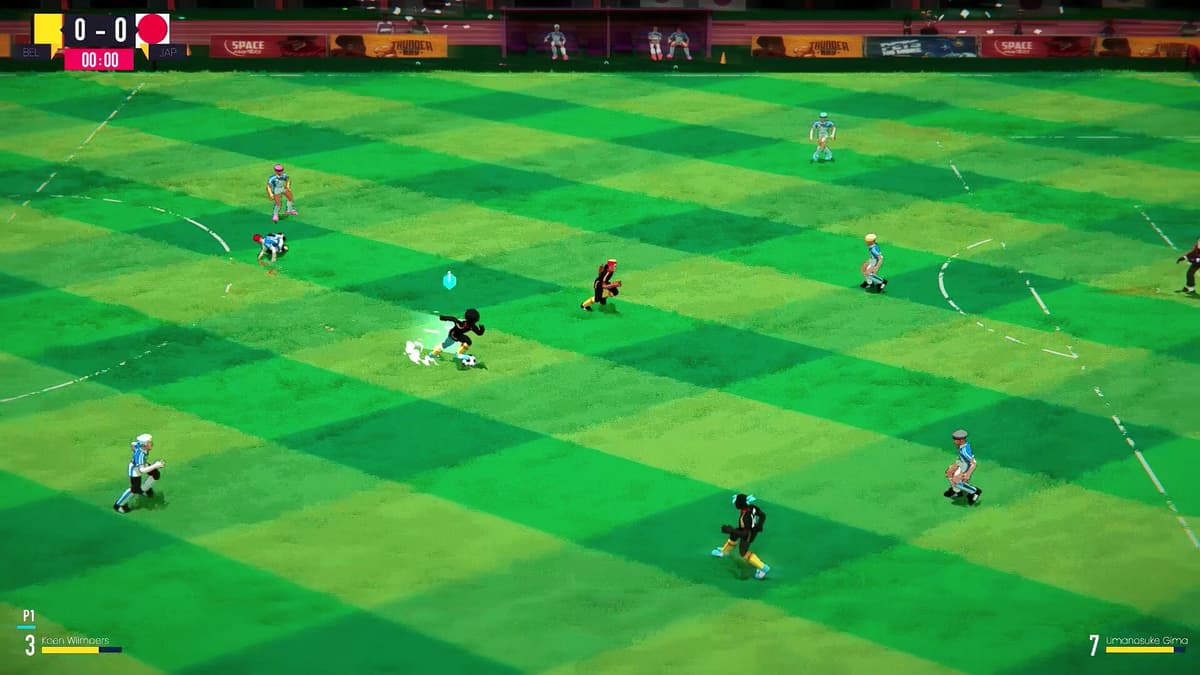
Golazo! 2 understands a very specific kind of football craving: the one that wants fast matches, broad strokes, and absolutely none of the sim baggage. This is one of the indies that keeps showing up in Switch football conversations for a reason. On a platform where many sports fans are choosing between “big licensed game with compromises” and “tiny unknown eShop project,” Golazo! 2 feels like one of the few smaller options that actually knows its role. It is not trying to out-authenticate EA, and it is smart enough not to try. Its job is to deliver breezy arcade football that feels comfortable in handheld sessions, and it does.
The best way to think about it is as a corrective. If FC feels too stiff for your mood and Mario Strikers is too chaotic, Golazo! 2 lives in the middle ground where football is still recognizable but the friction is lower. That makes it useful. It’s also the kind of game that benefits from the Switch format itself; shorter matches and lighter structure fit portable play far better than bloated mode menus ever will. The obvious caveat is that this is a smaller, less prestigious game with a slimmer long-term hook. You’re here for immediacy, not for a giant ecosystem. But that is exactly why it deserves a place high on the list. In a weak genre lineup, the game that actually respects your time and your price ceiling can be more valuable than a bigger name with less day-to-day charm.
5. Retro Goal
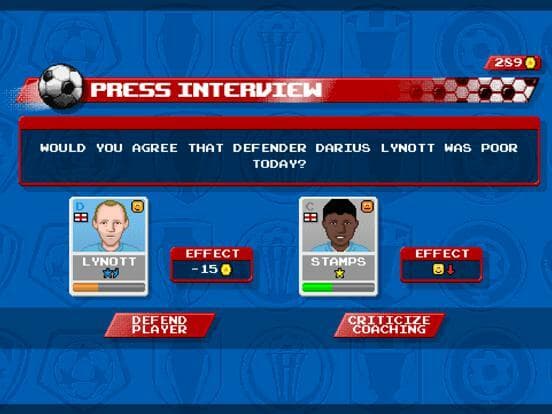
Retro Goal is one of the easiest recommendations in this whole category because it never pretends to be something it isn’t. It is cheap, compact, readable, and built around the kind of quick, satisfying loop that handheld sports games should be chasing more often. The retro presentation is not just cosmetic nostalgia; it pairs naturally with a football structure that gets you into chances, goals, and club-building decisions without drowning you in the administrative bulk that can make larger sims feel heavy on a portable. That is why this game keeps showing up in “best Switch football games” roundups despite standing far below EA on budget and licensing.
What really earns its place is value. On Switch, price matters a lot in this genre. A premium football release makes sense if you know you want licensed authenticity, but a lot of players just want something that feels good in 15- to 30-minute sessions and doesn’t cost enough to trigger buyer’s remorse. Retro Goal is that game. The tradeoff is obvious: you are not getting official teams, deluxe presentation, or a full-fat console spectacle. What you get instead is a focused football game with a strong “just one more match” rhythm, which is arguably the more useful thing on a handheld anyway. If FC 25 is the safe serious pick, Retro Goal is the safe low-risk pick. It belongs in the top five because it delivers exactly what budget-minded Switch owners need from this category: not prestige, but repeatable fun at a price that makes the recommendation feel easy rather than qualified.
6. Captain Tsubasa: Rise of New Champions
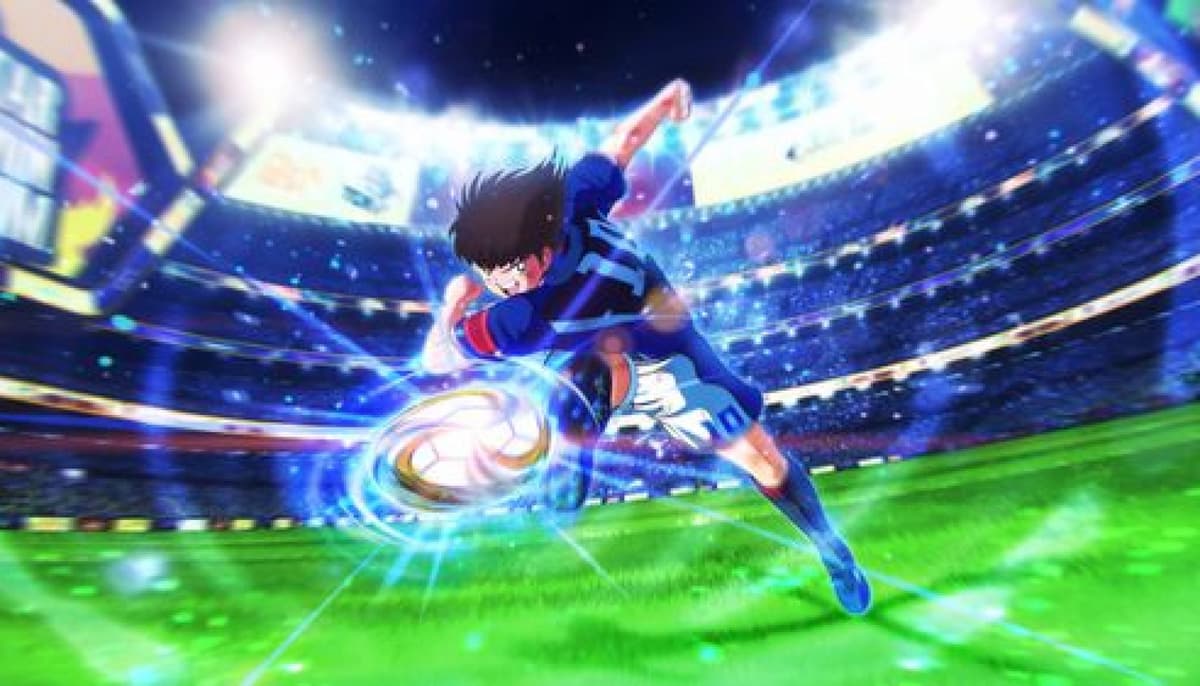
This is where the list gets loud. Captain Tsubasa: Rise of New Champions is not a traditional football sim, and trying to judge it by sim standards misses the entire point. The game turns football into anime warfare: dramatic duels, explosive shots, huge personality, and a pace that treats emotional momentum as seriously as tactical shape. On a platform starved for soccer variety, that alone makes it important. Too many lesser football games on Switch feel like placeholders. Captain Tsubasa feels like a game with an actual identity, and identity counts for a lot when the bench is this short.
The reason it sits below Retro Goal and above the more experimental picks is simple. It’s far more distinct than most bargain-bin sports titles, but it is also absolutely not for everyone. If you want disciplined build-up play, measured tempo, and an experience that resembles a Saturday broadcast, this will bounce right off you. But if you’re open to football as spectacle, it offers something the rest of the Switch lineup mostly doesn’t: a confident alternative fantasy. That gives it real value. It also occupies a nice middle space between Mario Strikers’ party-first chaos and EA’s realism-first simulation. There’s still competitive football DNA here, just exaggerated into melodrama. That makes it one of the few non-EA soccer games on Switch that feels like a deliberate recommendation instead of a desperate backup plan. Buy it for flair, not for authenticity, and it becomes a much easier sell.
7. Soccer Story
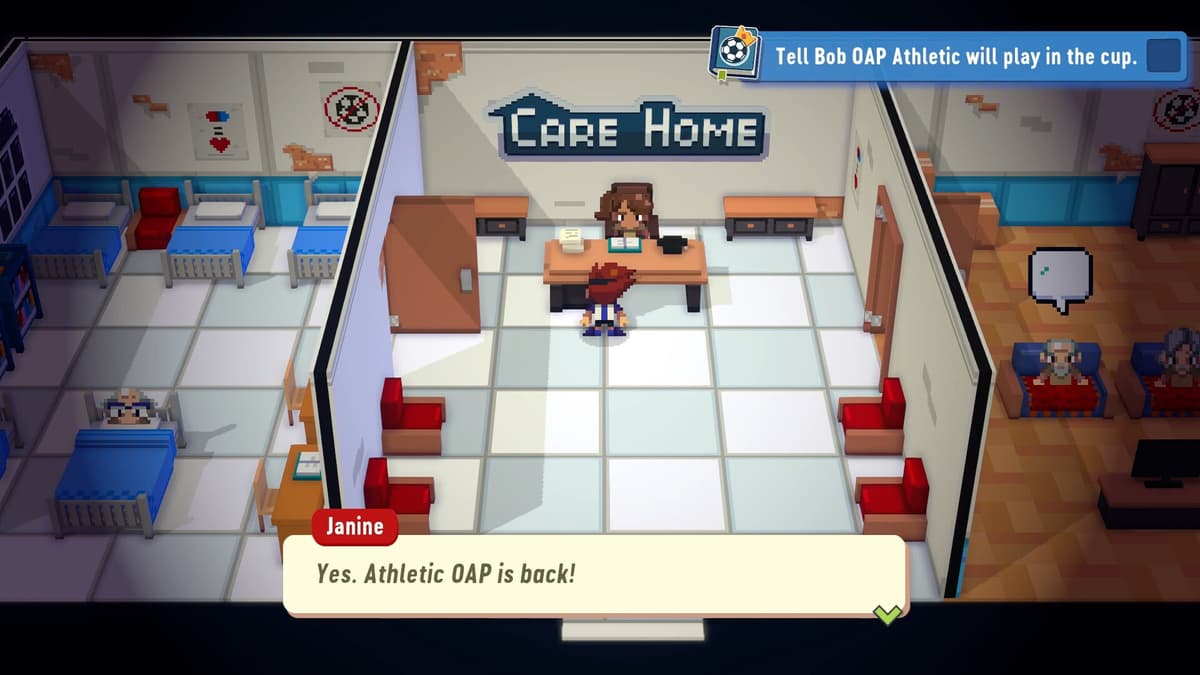
Soccer Story makes this list because sometimes the best sports game purchase is the one that doesn’t act like a normal sports game at all. This is the oddball pick, the genre-mixer, the answer for players who are bored of menus, rosters, and season tables and would rather kick a ball through an actual adventure. That alone earns some respect. On Switch, where the football catalog can start to feel samey very quickly, a game willing to fuse soccer with exploration, quests, and puzzle-ish structure stands out immediately. It is not a cleaner football game than Retro Goal or a better competitive game than FC. It’s here because it tries something nobody else on the platform really is.
That said, this is also where you need to be honest with yourself. If your main goal is simply playing satisfying match after satisfying match, Soccer Story is not the best-value route. Its appeal is charm, novelty, and tonal freshness, not razor-sharp sports fundamentals. In another genre, that kind of caveat might push it off the list. On Switch football, it keeps the game on the board, because the platform benefits from titles with personality. For the right player, this is the smartest buy after the obvious top tier is gone: the one you grab when you want football energy but are tired of the same old frameworks. Think of it less as a backup to EA and more as a football-flavored detour. In a category with too few memorable swings, that detour is worth protecting.
8. Nintendo Switch Sports (Soccer)
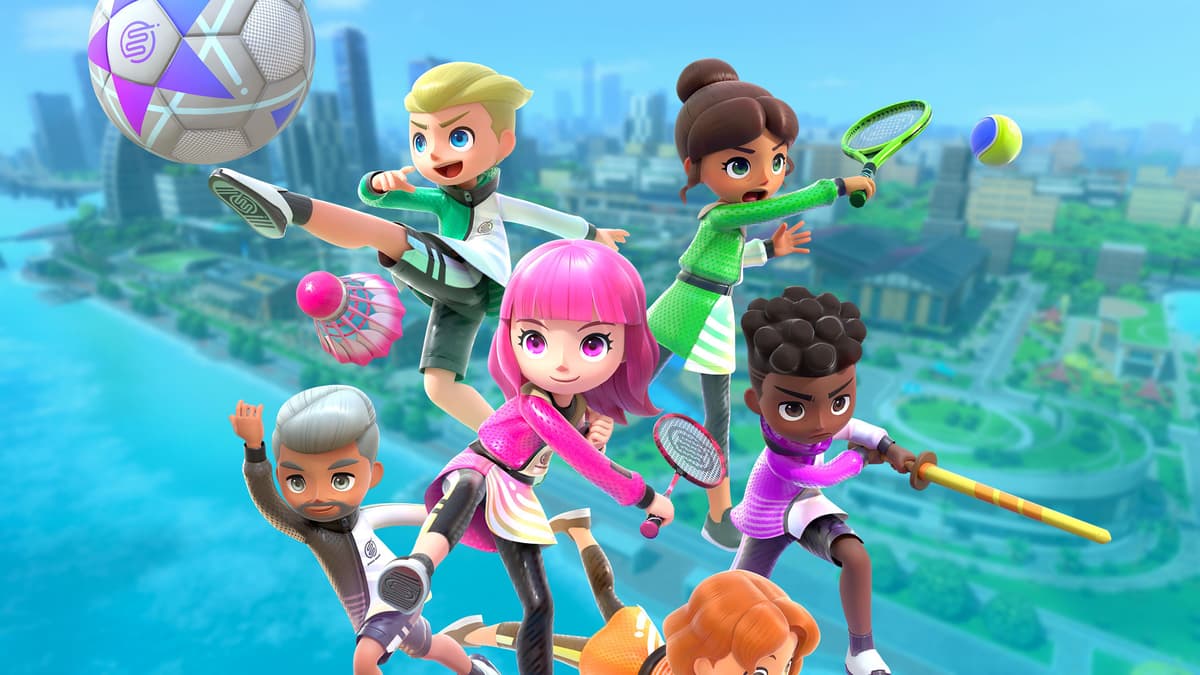
This is the most technical cheat on the list, and I’m including it anyway because it solves a real use case better than several full-price “proper” football games do. Nintendo Switch Sports is not a dedicated soccer game. It’s a sports package with a soccer mode. But if your actual goal is to get family members, flatmates, or casual guests into a football-shaped activity without explaining formations, controls, or licenses, it is far more useful than its genre-purity critics would like to admit. The giant ball, readable action, and low barrier to entry do a lot of work. Sometimes that matters more than having a badge-covered career mode no one in the room will touch.
The reason it ranks this low is equally obvious: there’s no deep football framework here. You are not buying this as your main soccer fix if you care about clubs, tactics, or a long-term solo loop. But judged as a social football purchase on Switch, it has a better argument than plenty of niche eShop releases. It is approachable, immediate, and unmistakably built for a console that spends a lot of time in living rooms rather than gaming dens. In that sense, it belongs beside Mario Strikers as part of the “fun first” side of the category, just with much softer edges. If Battle League is for loud competitive nights, Switch Sports soccer is for broad accessibility. That makes it a conditional recommendation, not a passionate one-but conditional buys still count in a library this thin, especially when they actually get played instead of sitting untouched next to more “serious” purchases.
9. Retro Bowl
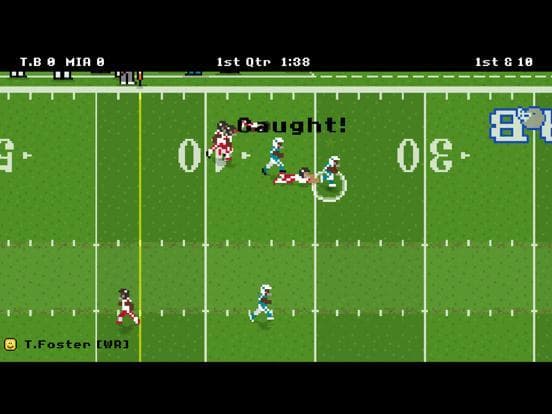
This is where the word “football” starts causing problems, so let’s be clean about it: Retro Bowl is American football, not soccer. It still deserves a place because many Switch football lists and search results lump the two sports together, and if you are browsing broadly rather than specifically hunting for soccer, Retro Bowl is one of the strongest value picks in the entire field. The appeal is simple and extremely effective: retro-style presentation, team selection, light management flavor, and a single-player loop that is easy to understand but hard to put down. On a system where sports games often live or die by how well they fit short sessions, this kind of clarity travels well.
Why rank it above Wild Card Football? Because value and focus matter. Retro Bowl has earned a reputation as a low-cost, low-friction sports buy, and that matters even more on Switch, where players are often looking for something portable and replayable rather than a flashy annual spectacle. The caveat is obvious enough that it has to be repeated: if you came here wanting soccer specifically, skip this and go back up the list. But if your definition of football is broader, Retro Bowl is one of the easiest recommendations on Nintendo hardware. It doesn’t need licensing flex or a giant feature checklist to justify itself. It just needs to be fun, accessible, and sticky, and that is exactly where it scores. In a better-stocked sports ecosystem it might be a neat side recommendation. On Switch, it becomes one of the more sensible football purchases full stop.
10. Wild Card Football
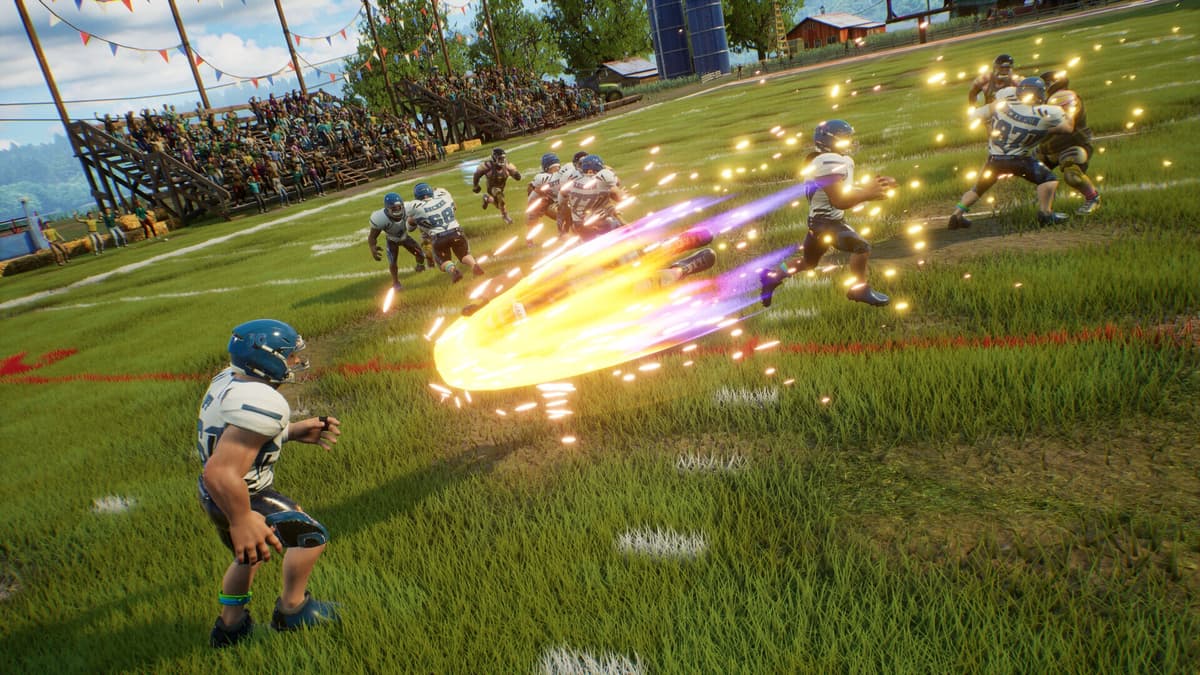
Wild Card Football is the most divisive game on this list, and the split reaction is part of why it lands last. It also needs the same disclaimer as Retro Bowl: this is American football, not soccer. If you want modern NFL-flavored arcade energy on Switch, though, it is one of the few visible options, and scarcity counts for something on this system. The pitch is appealing on paper: licensed NFL content, exaggerated action, and a ruleset that leans toward spectacle rather than sim purity. In a healthier genre lineup, that combination could have made it an easy recommendation.
The problem is that the reception has been mixed, and for understandable reasons. A lot of players and reviewers have treated it as a concept that doesn’t fully cash the check it writes. That doesn’t make it worthless, but it does make it conditional in a way the higher-ranked games are not. You buy Wild Card Football because you specifically want a newer arcade NFL option on Switch and you’re willing to accept that it may feel thinner than the premise suggests. You do not buy it expecting a genre classic. That’s why it still makes the cut. In a list called “worth buying,” worth can mean “the right buy for a narrow audience,” not “universally great.” For soccer fans, this is easy to ignore. For American football fans on Nintendo hardware, it may still be one of the only current-style options on the board. That keeps it relevant, even if it never escapes the feeling that it should have been better.
FinalBoss // Gear
Level up your setup
01Best-selling Switch 2 gameson Amazon→02Switch 2 accessorieson Amazon→038BitDo controllerson Amazon→04Discounted game keyson Kinguin→
Affiliate links · As an Amazon Associate, FinalBoss earns from qualifying purchases.
Want to Level Up Your Gaming?
Get access to exclusive strategies, hidden tips, and pro-level insights that we don't share publicly.
Ultimate Top Strategy Guide + Weekly Pro Tips