
I Don’t Play Pokémon—Pokopia Might Finally Make Me a Believer
Game intel
Pokopia
Pokémon’s first life simulation game, Pokémon Pokopia, will release on Nintendo Switch 2 on March 5, 2026. Playing as a Ditto that has transformed to look like…
I don’t play Pokémon. Pokopia just made me sit up anyway.
I’ve never been a Pokémon person. Yeah, I grew up in that era. I traded a few cards on the playground, dabbled with a friend’s Game Boy copy of Red, got absolutely wrecked by Brock’s Onix, and bounced. While everyone else memorized type charts, I was dumping quarters into Street Fighter cabinets, later losing months of my life to Shenmue’s quiet rhythms and, much later, building shameful dirt palaces in Minecraft and paying off Tom Nook like a debt-strapped raccoon landlord owned my soul. Pokémon-with its badges and battles and gotta-catch-’em-all compulsion-always felt like homework dressed in bright colors. I don’t hate it. I just never clicked with it.
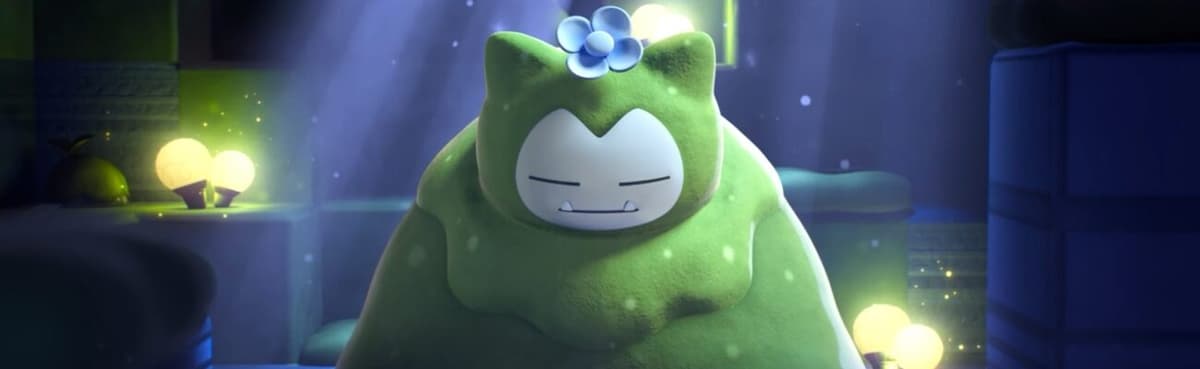
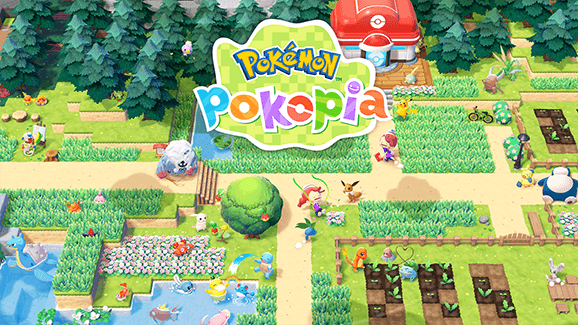
Then Nintendo’s latest Direct drops, and a familiar blob blinks at me. A Ditto. Except it’s… a little girl? Weirdly adorable, properly uncanny. The trailer calls it Pokopia, a spin-off that ditches battles and gym badges for island life, building, and community vibes that scream “what if Pokémon met Animal Crossing and borrowed a few tools from Minecraft?” No combat. No ranked ladders. No min-max anxiety. Just me, a humanized Ditto, and a crew of Pokémon helping build a life on a deserted island. For someone like me-someone who has never been pulled in by the mainline games—that’s not just interesting. That’s a direct hit.
Pokémon without battles is the bravest idea they’ve had in years
Let me stake the flag clearly: I think dropping combat might be the smartest thing Pokémon has done since color cartridges. Not because battles are bad. They’re the backbone of the main series. But because the fantasy that actually sells Pokémon—the one that latched onto our brains as kids—isn’t “beating an AI with a better move set.” It’s weightless friendship with strange creatures in a world that hums with possibility. It’s a vibe. And for decades, that vibe has been shackled to a very specific loop: fight-train-fight-collect-fight again.
Pokopia, at least from what was shown, smashes that loop. You’re a Ditto turned human, which is a deliciously weird narrative premise—they’re basically making identity and transformation the point. You recruit Pokémon not as weapons but as neighbors and co-workers. Charmander doesn’t flamethrower some poor Pidgey into fainting; it torches brush to clear land or smelts ore like a walking furnace. Scyther doesn’t slice through opponents; it becomes your island’s most intimidating landscaper. That’s not “Pokémon-lite.” That’s Pokémon unburdened.
The moment it clicked for me during the Direct
One shot sold me: a group of Pokémon moving in sync to raise a structure while the Ditto-turned-protagonist directed the flow like a foreman in training. No UI screaming damage numbers. No XP pop-ups. Just the simple pleasure of watching your little team do something beautiful with you. I’ve spent hundreds of hours in cozy games chasing that feeling of a place becoming yours—my orchard in Animal Crossing: New Horizons, my cactus-lined fences in Stardew Valley, the hollow mountain base I chiseled into sanity in Minecraft. Pokémon has never let me have that. It’s always been someone else’s world with my team slotted in. Pokopia looked like my place, with my crew, expressing my taste.
If Pokopia is just a cute skin, it’ll flop. Here’s how it has to go deeper.
Let’s be real: slapping a Pokémon coat of paint on a half-baked cozy template would be insulting. I’ve seen too many “brand + vibes” projects turn into content treadmills that are cute for a weekend and empty by Monday. If Pokopia is going to matter—especially to people like me who don’t care about the badge grind—it needs systems with teeth. Not combat. Design teeth.
What I want to see, and what I think the trailer hinted at:
- Type-driven utility that matters. Fire-types accelerating smelting and cooking. Grass-types boosting crop yields or compost cycles. Water-types irrigating fields and powering mills. Don’t make types cosmetic. Make them systemic.
- Meaningful schedules and moods. Pikachu isn’t a forklift; it’s a neighbor. Give them routines, preferences, and quirks. If Psyduck needs breaks or gets headaches during storms, that’s not a bug—that’s personality that changes how I plan.
- Terrain that tells stories. If I need Machop line strength to move boulders and Drifloon to cross chasms, the island becomes a puzzle box. Not a checklist, a place with secrets that reward creative teams.
- Collaborative building. Let me orchestrate work crews, automate tasks without losing the handmade feel, and see visible progress. I want to step away and come back to the village bustling because the squad handled morning chores.
- Events that aren’t extortion. Seasonal festivals, visiting trainers who aren’t there to fight but to share recipes, photo safaris like a poke-snap homage. Do events without FOMO currency nonsense. If I smell gacha, I’m out.
- Respect for time. Real-life-friendly pacing with thoughtful time gates. Don’t weaponize my calendar. I play cozy games to breathe, not to log in like it’s a job.
If they deliver that kind of depth, Pokopia becomes more than “Animal Crossing with a Pikachu.” It becomes the version of Pokémon I always wished existed—the one that’s about living with these creatures, not exploiting them for stat sticks.
Why I walked away from Pokémon—and why this feels different
I gave the series real shots. I tried X/Y on a friend’s 3DS and got bored halfway through the second gym. I picked up Sword because everyone insisted “it’s the most accessible yet” and found myself drowning in tutorials and menus pretending to be a world. Legends: Arceus nearly converted me—moving through open zones and catching on the fly was the first time I felt the spark. Then Scarlet/Violet face-planted technically so hard that even my cozy-loving heart couldn’t pretend the hitching and pop-in were charming. I don’t need 4K, but I do need a world that holds together without duct tape.
Pokopia doesn’t compete with those games. It sidesteps them entirely. By opting out of combat, it opts out of the arms race of complexity that’s been calcifying the mainline loop for a decade. It’s not asking me to learn a dozen layered systems before I can feel at home. It’s asking me to build a home first, and learn by doing.
“But Pokémon needs battles!” Do you hear yourself?
I can already hear the purist take: “Pokémon without battles isn’t Pokémon.” Please. This brand has lived half its life on spin-offs, and some of the most beloved moments came from ditching the core loop. Pokémon Snap turned observation into magic. Mystery Dungeon made me cry harder than any gym badge ever did. Pokémon Go got entire cities walking and talking to each other. Café ReMix exists because someone realized that cute Pokémon doing little jobs is dopamine in a blender.
Pokopia fits that lineage, but it could be the most natural extension yet because it’s the fantasy we all had when we first saw Pikachu: what if they just lived with us? What if they helped out, hung around, got into trouble, made holidays feel special? And yeah, I’m sure someone will say it’s “baby mode.” That’s a boring take. Cozy games aren’t easy; they’re honest. You can’t mask shallow design with dramatic boss themes. A cozy game lives or dies on the integrity of its systems and the sincerity of its atmosphere. Get either wrong and the whole thing falls apart.
I’ve sunk hundreds of hours into cozy loops. Here’s what matters.
Animal Crossing: New Horizons ate a year of my life because every day felt like a story I authored. I’d log in, water the tulips, check turnip prices, redesign a corner, and send a letter to a villager because their line yesterday made me laugh. That’s not content—it’s connection. Minecraft did the same in a different register: the satisfaction of a roofline finally aligning, the quiet pride of a redstone contraption not blowing up my cattle pen. Stardew? Don’t get me started. I married Abigail because she ate rocks and brought me to tears with a pixelated cutscene.
Pokopia has a chance to tap into that exact river with an unfair advantage: Pokémon are already characters we know. I don’t need a codex entry to care about Bulbasaur. The question is whether the game respects that familiarity enough to build systems that let those relationships breathe. Give me moments where Snorlax blocks construction unless I bribe him with a perfect picnic. Let Eevee’s evolution be tied to the roles it organically falls into on my island. Make the island change because of who I bring into it, not just because I unlocked the “Level 3 Garden Shed.”
Timing matters: 2026, Switch 2, and a 30th anniversary halo
Pokopia is slated for 2026, exclusively on Nintendo Switch 2. That’s a smart play if—and this is a big if—the hardware upgrade finally gives Pokémon worlds the stability they’ve so often lacked. I don’t need ray-traced Piplup reflections; I need consistent performance and a world that doesn’t tear apart at the seams when I pan the camera. A cozy game demands calm, and nothing ruins calm like frame-time spikes and asset pop-in. If Switch 2 irons that out, Pokémon’s 30th anniversary becomes a victory lap for a new kind of player—people like me who never cared about Elite Four gauntlets but care deeply about a village coming to life over time.
And look at the calendar. By 2026, the cozy wave will still be rolling. Animal Crossing will be overdue for its next move. Tomodachi Life is resurfacing. People want games that respect their time and don’t insult their intelligence. If Pokopia shows up polished, with that approachable Nintendo charm and a toolbox that actually rewards creativity, it could become the Switch 2’s quiet killer app—the game you don’t see on esports highlights but find etched into sleep schedules and family rituals.
Want to Level Up Your Gaming?
Get access to exclusive strategies, hidden tips, and pro-level insights that we don't share publicly.
Ultimate Gaming Strategy Guide + Weekly Pro Tips
My red flags: I’m excited, but I’m not naive
The Pokémon Company can be frustratingly conservative. Sometimes that’s good; stability matters. Sometimes it’s a straightjacket. My fear is Pokopia launches with sweet vibes and paper-thin systems. A lot of cozy-likes do. If I see busywork masquerading as progression—craft ten of X to unlock a slightly bluer chair—I’ll be out. If the Pokémon are functionally interchangeable reskins with “worker stats,” the magic evaporates. And if this thing shows up riddled with FOMO events or currency nonsense, hard pass. Cozy games are not casinos; they are gardens. If you stomp on the soil for short-term engagement metrics, nothing grows.
I also worry about narrative follow-through. Making the protagonist a Ditto turned human is a statement. It begs questions: What does identity mean when you’re built to become other things? Do you feel at home settling, or does the itch to transform keep pulling you? If the story refuses to engage with that because it’s scared of spooking younger players, that’ll be a missed opportunity. Kids can handle themes if you trust them. So can adults who never wanted another gym badge but would love a gentle riff on selfhood wrapped in pastel colors.
Predictions: the two ways Pokopia plays out
Best case? Pokopia lands with confidence. The island is a layered sandbox. Pokémon feel like neighbors, not appliances. The building tools are robust without being fussy. Performance is stable. The loop is patient but rewarding. People who never considered Pokémon suddenly find themselves comparing garden layouts and telling stories about their lazy Snorlax who won’t stop napping on the pier. The game becomes a word-of-mouth monster that sells hardware and defines off-peak evenings for years. This is the version I’m rooting for with everything I’ve got.
Worst case? It’s a pleasant trailer wrapped around a shallow management sim. Pokémon are essentially job classes with cute faces. Progression is arbitrarily time-gated. The story drops the Ditto angle after the intro. A month later, the player base evaporates, and we get “Seasonal Event 3: Harvest Fest” posts that read like social media interns screaming into the void. I’ve seen this movie. I don’t want Pokémon to star in it.
What this means for how I play and what I buy
I’ve got a personal rule: I don’t preorder, especially not big-brand games. Too many launch-day disasters. But I’ll say this—Pokopia is the first Pokémon project that has me planning my Switch 2 library with genuine anticipation. Not breathless hype, not collector’s edition mania, just a sense that a thing I’ve wanted from this franchise for decades might actually exist. If they show real systems, and if it runs smoothly, I’ll be there early. I want to be part of those first strange weeks where everyone is figuring out whether Golduck is secretly the best fisherman or whether Digletts are OP for tunnel networks.
And if they cheap out? If it’s cuteness over craft? I’ll call it. I don’t owe Pokémon anything. I’ve skipped them for years. But I also won’t pretend I’m not rooting for this to land. Because if it does, it proves something I’ve felt in my bones since my first visit to Tom Nook’s shack: games don’t need combat to have stakes. The stakes can be a village that feels like yours, a crew that notices when you go AWOL, a sunrise that hits differently because you built the pier it’s rising over.
To the “real gamers” rolling their eyes
Save it. I’ve spent enough time in the trenches of fighting games to appreciate execution and mind games. I’ve no-scoped my way through miserable boss runs. Difficulty is an instrument, not a virtue. If a game uses it to play a beautiful song, I’m in. If not, I’ll listen to a different tune. Cozy design asks for a different kind of mastery: patience, planning, attention, empathy for systems. If Pokopia nails that, it’ll demand as much brain as any ladder-climbing meta—just aimed at crafting a place worth returning to instead of optimizing a DPS spreadsheet.
Pokopia could be the bridge Pokémon never built before
When Pokémon turns 30 in 2026, the nostalgia machine will be roaring. The easy move would be yet another remix of the gym-badge tour, shinier than last time, with a few clever twists and a thousand cynical tie-ins. I expect that to happen elsewhere in the brand. But Pokopia is a different offer: a hand extended to people like me who always liked the idea of Pokémon but didn’t want the constant friction of the grind. Build a home with us, it says. Live with us. Grow with us.
If the developers have the courage to follow that sentence to its logical conclusion—to resist turning it into a checklist, to trust players to find their own rhythms—Pokopia might do something the main series hasn’t done for me in decades: make me care. Not about numbers or metas or leaderboards. About a little island, a transformed blob girl figuring out who she is, and a bunch of weird, wonderful creatures learning how to be neighbors instead of tools. That’s a Pokémon story I’ll happily spend a year inside.
I don’t play Pokémon. Maybe they finally made one for me.
I’m not declaring victory off a trailer. I’ve been around too long for that. But you can hear it in my voice: hope. This premise is strong. The vibes are right. The timing is perfect. The Switch 2 could give it the technical backbone it needs. And the Ditto-as-human angle is the kind of oddball storytelling I’ve been begging this franchise to try. If they deliver, I’ll be there with my Charmander foreman, my Bulbasaur agronomist, my Psyduck union rep, and a dock that only exists because we built it together. No badges. No battles. Just belonging. That’s a hill I’ll happily build a house on.