
Prime Day’s Square Enix JRPG avalanche looks generous until you realize half the discounts are the same prices from March. I filtered the noise. This list cuts through the deal wave-Final Fantasy VII Remake Intergrade, Dragon Quest VII Reimagined, Octopath Traveler 2, and Dragon Quest I & II HD-2D Remake-by the only metrics that matter: edition value, platform performance, and whether you need to own the thing before the window slams shut on June 26. You will not find every percentage cut catalogued here. Instead, this is a buyer’s filter for people who own a Switch 2 or PS5 and want to know where their money moves the needle. No filler. No lukewarm remasters. Just the purchases that justify pulling out your wallet before the clock runs out.
Table of Contents (10)
1. Final Fantasy VII Remake Intergrade – Nintendo Switch 2 ($29.99)
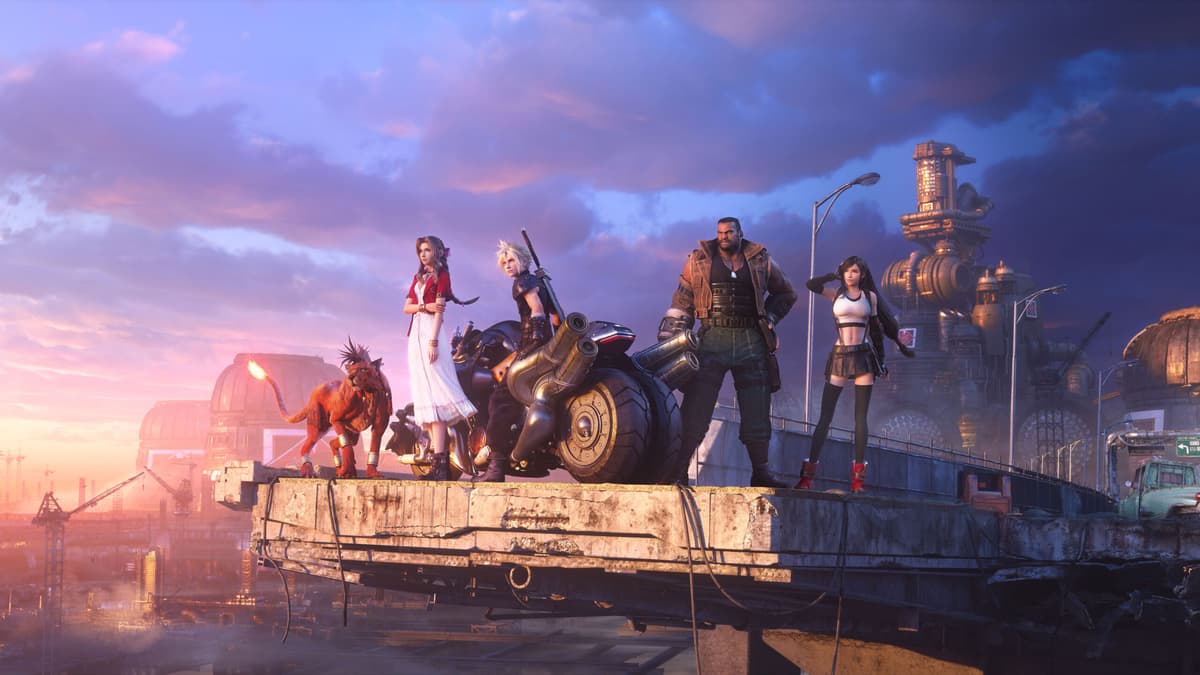
This is the deal that justifies the Switch 2’s existence for JRPG fans. At $29.99, Final Fantasy VII Remake Intergrade on Nintendo’s new hardware is not a compromise—it is a statement. Developed by Square Enix Business Division 2, the same team carrying the full remake trilogy forward, this port targets 30 FPS with DLSS upscaling in both docked and handheld modes, and early reports suggest it matches PS5 visuals on a 4K TV. That is absurd for a handheld. Yes, there is a quirk with Cloud Strife’s hair rendering that looks slightly off in specific lighting, but that is the kind of imperfection you forgive when you are playing a modern Final Fantasy on a train.
The real win here is the portability factor combined with a price point that undercuts the PS5 version. If you own a Switch 2 and have not touched the remake yet, this is not a suggestion. It is a default purchase. The hybrid action-RPG combat holds up beautifully in handheld bursts; the tactical mode still pauses the action for ability selection, and the character switching between Cloud, Tifa, and Barret feels fluid on the Switch 2’s controls. Having Yuffie’s Intermission chapter ready to go without a separate download makes this the most convenient way to experience the full narrative arc.
Recent patches have ironed out early optimization hiccups, leaving only that minor hair-rendering artifact as a battle scar. For under thirty dollars, you are getting a flagship remake that defined the PS4 generation, now liberated from your television. Square Enix’s renewed collaboration with Nintendo is paying off in tangible ways, and this port is the proof. If you have been waiting for a reason to double-dip or finally see what the remake fuss is about, the Switch 2 version removes every excuse. Buy it because your backlog deserves a flagship that travels with you.
2. Final Fantasy VII Remake Intergrade — PlayStation 5 ($34.99)
If you are playing on a television and care about every pixel, the PS5 version of Intergrade is still the definitive couch experience. At $34.99, it is only five dollars more than the Switch 2 port, but those five dollars buy you native resolution stability and a visual clarity that DLSS, that said impressive on handheld, still approximates. The Midgar slums have never looked grimier, and the lighting engine that made the original 2020 release a showcase piece remains untouched by the compromises required to squeeze the game onto Nintendo’s hardware.
What seals the deal is the same value proposition: this is the edition that bundles the base remake with the Intermission DLC starring Yuffie Kisaragi. If you somehow own the PS4 version but never upgraded, this is the price where the math becomes undeniable. The PS5 DualSense integration—adaptive trigger resistance during Barret’s gatling gun sequences and haptic feedback for Cloud’s sword slashes—adds a tactile layer that the Switch 2 cannot replicate. This is the foundation Naoki Hamaguchi’s team built the trilogy upon, and the PS5 hardware does their cinematic ambition justice.
There is also the simple reality of save continuity. If you intend to carry your progress into Final Fantasy VII Rebirth, the PS5 infrastructure makes that transition seamless. The Yuffie chapter included here is not a side story; it is narrative connective tissue that recontextualizes events you will see in later installments. Buying the standard edition without Intermission is a mistake that will cost you more later, and this Prime Day pricing removes the temptation to cheap out. For the price of a decent dinner, you are securing the full Midgar arc in its most polished form. PlayStation loyalists already know this, but even cross-platform owners should consider where their time investment will ultimately live. The PS5 version wins on fidelity, and sometimes fidelity is worth the slight premium.
3. Dragon Quest VII Reimagined
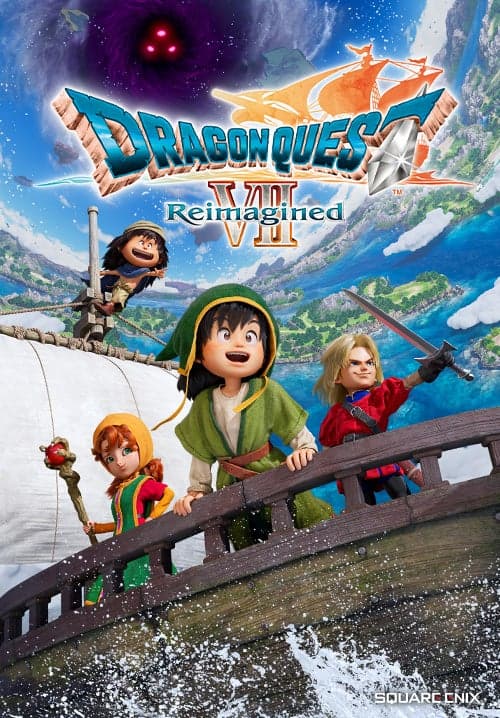
Let us be blunt: the original Dragon Quest VII on PlayStation was a hundred-hour marathon with a pacing problem so severe it felt like punishment. Dragon Quest VII Reimagined fixes that. This remake trims the fat, modernizes the job system, and gives the episodic island-hopping structure the visual respect it always deserved. During this Prime Day wave, it represents the best value for players who want old-school JRPG bones without the archaic cruelty. The game is available across both Switch 2 and PlayStation 5, though the portable version is the sleeper hit for a game this enormous.
The deal signal here is not just the discount; it is the sheer volume of game you receive. This is a remake that understands its audience—people who want deep class customization, turn-based combat that rewards preparation, and a story that actually moves. Square Enix has a habit of pricing its legacy remakes aggressively during these events, and Reimagined is the kind of title that eats your summer alive in the best way. If you bounced off the original or never had the patience for the 3DS version, this is the revision that respects your time while still delivering the full Dragon Quest epic.
Platform choice matters less here than with FF7 Remake, but Switch 2 owners get the obvious win of a game this massive in portable form. Grinding vocations on a commute transforms the experience from a couch commitment into a daily ritual. PlayStation 5 players get faster load times and a sharper presentation, though the art style is charming enough that the gap is negligible. Either way, if you have ever claimed modern JRPGs are too short or too hand-holding, this is your counterargument at a price that undercuts most new releases by half. Grab it and clear your schedule.
4. Octopath Traveler 2

The HD-2D engine has become Square Enix’s signature look for mid-tier JRPGs, and Octopath Traveler 2 is the argument that the style has finally matured beyond gimmick. Where the first game was a beautiful proof of concept with eight disconnected stories, the sequel weaves its octet of protagonists into a narrative that actually pays off. During Prime Day, this is the deal for players who want traditional turn-based combat with modern mechanical depth—break and boost systems, multi-class customization, and a day-night cycle that changes enemy patterns and NPC interactions.
What makes this a value signal rather than just a discount is the content density. Each character’s campaign is a full JRPG chapter, and the post-game content ties together threads you will not see coming. It is a game that respects the genre’s history without chaining itself to its worst habits. The pixel-art-meets-lighting aesthetic still dazzles, and the soundtrack is arguably the best Square Enix has published in years.
On Switch 2, the handheld mode makes the game’s structure—short character vignettes perfect for thirty-minute sessions—feel native to the hardware. On PS5, the load times vanish and the particle effects pop harder, but the game never demanded top-tier hardware to begin with. If you skipped this at launch because the first game left you cold, the sequel justifies the second chance. It is the rare JRPG that improves on every criticism of its predecessor while keeping the visual identity intact. At a Prime Day discount, it is an easy recommendation for anyone who misses the days when Square Enix built worlds one menu layer at a time.
5. Dragon Quest I & II HD-2D Remake
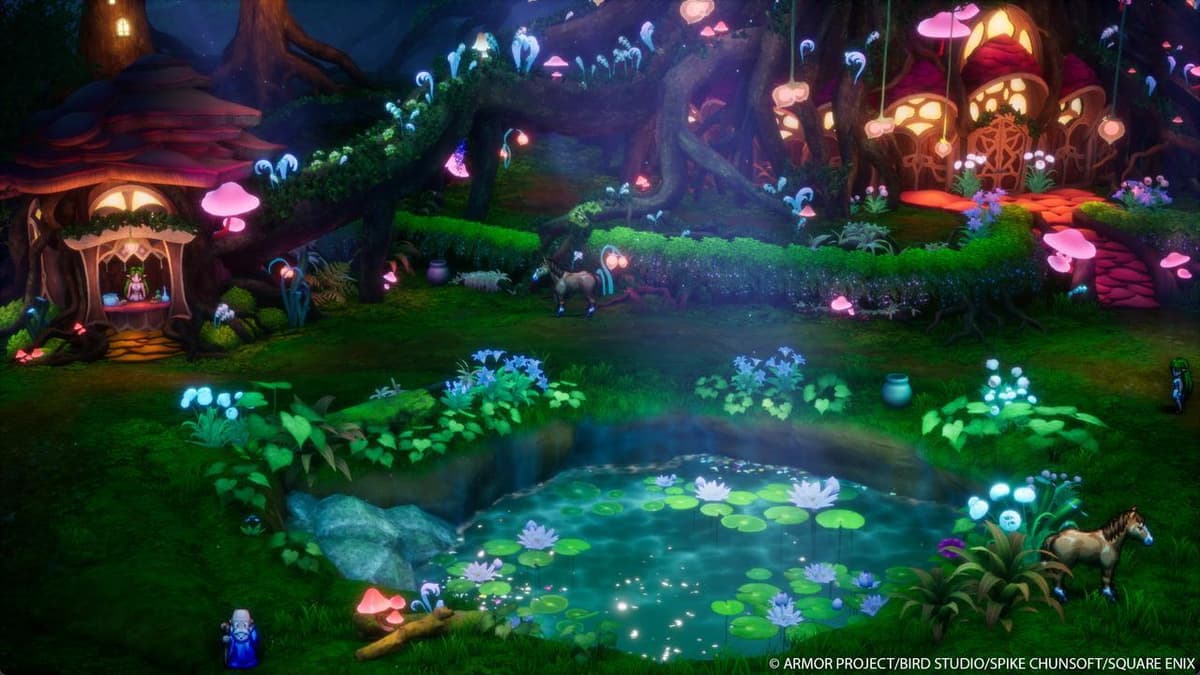
This is nostalgia done correctly. The Dragon Quest I & II HD-2D Remake takes the two games that founded an empire and wraps them in the same visual framework that made Octopath Traveler famous. But do not let the retro packaging fool you: these are still the stark, sometimes brutal RPGs that defined the NES era. There is no hand-holding, no modern quest log, and no map markers. You either talk to every NPC and take notes, or you wander lost until frustration wins.
That brutality is exactly why this package deserves a spot on this list. Square Enix could have modernized the mechanics and stripped away the friction, but the HD-2D treatment is purely aesthetic. The game design remains a time capsule, and for a specific kind of player—the one who complains that modern JRPGs have forgotten how to challenge you—this is a feature, not a bug. Getting both games in one purchase is the real value signal here. Individually, they are curiosities. Together, they are a masterclass in foundational design.
On Switch 2, the ability to bounce between these bite-sized classics during a commute is perfect. On PS5, the faster load times make the backtracking slightly less punishing, though let us be honest: backtracking is the point. These games teach patience. If you are buying for a younger player or someone whose JRPG experience starts with Persona 5, prepare them for culture shock. But if you want to understand where the genre came from without suffering through NES emulation, this Prime Day deal is the history lesson worth paying for.
6. Why the Intergrade Edition Is the Only Version That Matters
Square Enix loves to fragment its releases across editions, ports, and upgrade paths, but Final Fantasy VII Remake Intergrade is the rare case where the premium edition is the only sane purchase. The standard version of the remake cuts off the story before Yuffie Kisaragi arrives, and her Intermission chapter is not filler. It introduces characters and plot threads that ripple directly into Rebirth. Buying the base game without this DLC is like buying a novel with the final act torn out.
During Prime Day, the price gap between the standard edition and Intergrade shrinks to the point where saving five dollars becomes false economy. The Intergrade edition also includes graphical enhancements and performance modes that the PS4 version lacks, meaning you are future-proofing your experience for the full trilogy. Square Enix Business Division 2 built this package knowing that players would need a seamless bridge between entries, and they priced the DLC separately for early adopters as a tax on enthusiasm.
Now that tax is gone. The Prime Day deal bundles everything for less than the original launch price of the base game. If you see a cheaper standard edition and think you are being clever, you are not. You are buying an incomplete product. This entry exists as a warning as much as a recommendation: Intergrade is the definitive way to experience the modernized Final Fantasy VII, and this sale is the correction that latecomers deserve. Do not overthink it.
7. Switch 2 vs. PS5: Where to Buy Your Square Enix JRPGs
This is the decision paralyzing everyone right now, and the answer is simpler than the forums make it sound. If the game is Final Fantasy VII Remake Intergrade and you own both systems, the Switch 2 version wins on value at $29.99 and utility. The DLSS-powered port is a technical flex that proves Nintendo’s new hardware can handle modern AAA JRPGs without turning them into muddy compromises. The PS5 version looks better on a spreadsheet, but the gap is narrow enough that portability becomes the tiebreaker.
For everything else in this deal wave—Dragon Quest VII Reimagined, Octopath Traveler 2, and the Dragon Quest I & II package—the choice is less dramatic. These are not hardware-taxing titles. The Switch 2 offers the same advantage it always does: sleep mode, handheld convenience, and the ability to chip away at a hundred-hour quest during lunch breaks. The PS5 offers faster loads and a more stable frame rate, but none of these games are action titles where milliseconds matter.
My advice? Default to Switch 2 for portability unless you are strictly a television gamer or you already started the game on PlayStation and need save continuity. Square Enix’s renewed partnership with Nintendo means future patches and even exclusive collaborations could favor the Switch 2 ecosystem. The Prime Day pricing reflects that shift, with Switch 2 versions often matching or undercutting their Sony counterparts. This is not fanboyism; it is math. Your back catalog should live where you actually have time to play it.
8. The Yuffie Factor: How Intermission Changes the Remake Trilogy
Yuffie Kisaragi’s Intermission campaign is the secret weapon of Intergrade, and treating it as optional is a narrative mistake. This is not a side quest or a cosmetic add-on. It is a two-chapter expansion that introduces Sonon Kusakabe, deepens the Wutai lore, and sets up conflicts that Rebirth assumes you have already absorbed. Square Enix did not tuck this content into the main path by accident. They used it to test new combat mechanics—Yuffie’s grappling hook traversal and wind-based ninjutsu—that expand the tactical vocabulary of the remake series.
The gameplay shift is significant. Yuffie plays faster and more vertically than Cloud, forcing you to relearn enemy positioning and elemental weaknesses in ways the main campaign only hints at. Her synergy attacks with Sonon add a tag-team dynamic that feels like a preview of Rebirth’s party-wide combo systems. For players who found the base remake’s combat excellent but slightly static by its final chapters, Intermission is the proof that the team had more ideas in reserve.
What makes this a Prime Day value signal is the bundling. Before Intergrade, players had to buy this separately or upgrade piecemeal. Now it is included by default, and the discount makes the package feel like a steal. If you are buying Remake for the first time, you are getting a fuller story. If you are replaying, you are getting the definitive version. Either way, Yuffie is not bonus content. She is load-bearing structure. Ignore her chapter and you are walking into Rebirth with blind spots the narrative will not wait for you to fill.
9. The Square Enix and Nintendo Comeback
Something shifted between Square Enix and Nintendo, and this Prime Day proves it. The Switch 2 port of Final Fantasy VII Remake Intergrade is not a fluke; it is the opening salvo of a renewed collaboration that includes a dedicated Switch 2 presentation for Final Fantasy XIV. For years, the mainline Final Fantasy franchise treated Nintendo hardware like a secondary market, dumping spin-offs and remasters while saving the numbered entries for PlayStation. Those days are ending, and the Prime Day deals reflect that priority shift in hard currency.
What this means for buyers is simple: the Switch 2 is now a viable primary home for Square Enix JRPGs, not just a backup machine for indies and first-party Nintendo titles. The Prime Day pricing puts Switch 2 versions at parity or below their PS5 counterparts, which would have been unthinkable during the Switch 1 era when the tax on Nintendo ports routinely hit ten or fifteen dollars. Square Enix is clearly betting on Nintendo’s new install base, and they are using aggressive, platform-specific discounts to build that audience fast.
If you are platform-agnostic, this is the moment to reconsider where your library lives. Sony still has the edge on raw power and ecosystem exclusives, but Nintendo is closing the gap on third-party support in ways that directly benefit JRPG fans who want one device that does everything. The Prime Day deals are not just discounts; they are an invitation to a new ecosystem alignment. Accept it if you value portability, or stay loyal to your PS5 if you need the visual ceiling. Just recognize that the old hierarchy, where PlayStation owned Final Fantasy by default, no longer applies. The Switch 2 has earned its seat at the table.
10. The Prime Day Window: Deals End June 26
This is not a game. It is a deadline, and deadlines matter more than discounts when the inventory is digital. Square Enix’s Prime Day pricing on these JRPGs—particularly the Switch 2 port of Intergrade at $29.99—represents a concentrated, high-intent window that closes on June 26. After that, prices revert to standard sale rhythms, which means you are likely looking at a return to forty-dollar territory for Intergrade and smaller dips for the Dragon Quest and Octopath titles.
The urgency is real because these are not games that depreciate quickly out of quality. They depreciate because Square Enix prints enough copies and digital keys to flood the market during events like this. Waiting for a better deal is usually a losing bet with first-party Nintendo ports and Sony exclusives. Intergrade on Switch 2 at under thirty dollars is a price floor, not a pit stop. The same logic applies to the HD-2D remakes, which have longer tails but rarely drop below their Prime Day floors during ordinary months.
My recommendation is simple: prioritize the bundle that solves your immediate backlog problem. If you need a portable epic, grab the Switch 2 Intergrade and Octopath 2. If you are anchored to a television, build a PS5 stack with Intergrade and look toward Rebirth. Do not buy everything just because it is cheap. Buy the two or three entries on this list that fit your setup and your taste, then commit to finishing them before the next sale hits. Prime Day is a test of discipline, not just opportunism. Pass it by walking away with games you will actually play.
The real tension here is not which game to buy, but whether Square Enix will keep treating Switch 2 as an equal partner once the launch window closes. If these Prime Day prices are a permanent strategic shift, Nintendo fans just won the long war for third-party JRPG support. If they are a temporary honeymoon, then this week is the only window where portability comes this cheap. Either way, your backlog is the battleground.
FinalBoss // Gear
Level up your setup
01Top-rated gaming headsetson Amazon→02High-refresh gaming monitorson Amazon→03Gaming chairson Amazon→04Discounted game keyson Kinguin→
Affiliate links · As an Amazon Associate, FinalBoss earns from qualifying purchases.
Want to Level Up Your Gaming?
Get access to exclusive strategies, hidden tips, and pro-level insights that we don't share publicly.
Ultimate Top Strategy Guide + Weekly Pro Tips