
Why I Hate This Place’s Delay Could Make It Horror Gold
Game intel
I Hate This Place
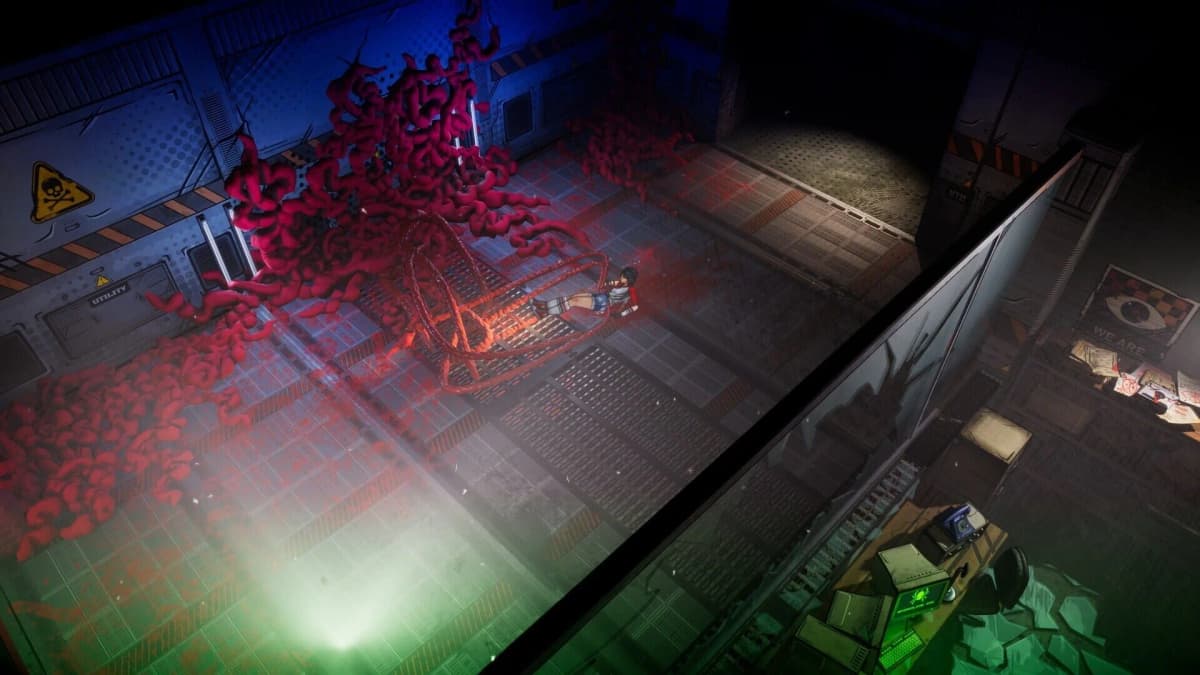
I Hate This Place is an isometric open world survival horror set in an eerie, unpredictable world that's twisted beyond comprehension. Playing as Elena, you aw…
Why pushing I Hate This Place to January makes sense
The survival horror scene is no stranger to last‐minute delays, but I Hate This Place moving from November 7, 2025, to January 29, 2026 feels different. Developed by Rock Square Thunder and published under Bloober Team’s Broken Mirror Games label in collaboration with Skybound, this isometric, craft-focused horror title has been earning quiet buzz thanks to its blend of comic-book style, ’80s grime, and sound-driven enemy AI. Now, with a story trailer out and demo feedback piling up from PAX, Gamescom, Tokyo Game Show, and a Steam test, the extra two months aren’t about stretching the schedule—they’re about sculpting the core systems into something special.
- New release date: January 29, 2026 on PC, PS5, Xbox Series X|S, and Nintendo Switch.
- Purpose of delay: To fold in community feedback before launch, not bolt fixes on later.
- Genre and hook: Isometric survival horror with crafting, day-night tension, and enemies that hunt by sound.
- Visual identity: Bold comic-book art inspired by an Eisner-nominated Skybound series—expect stylized gore, campy humor, and dark conspiracies.
The subtext behind the shift
Game Director Janusz Tarczykowski summed it up bluntly: “We had a lot of good feedback… The vision stays the same, but this feedback highlighted a few tweaks or features that would really help the game feel just that much better.” In practical terms, that means the core loop—scavenge by day, hunker down at night, outsmart sound‐sensitive creatures—remains intact. What’s changing are the margins: sharpening inventory flows, tightening crafting menus, refining sound telegraphs, and ensuring enemy AI responds predictably yet unpredictably enough to sustain dread.
Delaying rather than patching post-launch indicates the team values that first impression. In survival horror, immersion is everything. A janky AI tosses you out of the experience faster than a jump scare ever could. By giving themselves breathing room, Rock Square Thunder is betting that players will forgive a short wait if it means a smoother, more polished frightfest.
Striking while the iron is cold: avoiding the holiday crush
November is crowded. Blockbuster RPGs, sports titles, and sequels all jostle for shoppers’ attention. Shifting to late January clears the slate. It’s quiet, budgets aren’t stretched, and horror fans are itching for a post-holidays scare. Strategic positioning matters almost as much as the product itself. Plus, certification and parity testing across PC, PlayStation 5, Xbox Series X|S, and Switch can be nightmarish when rushed. Four platforms mean four sets of compliance rules: performance benchmarks, save management, trophy/achievement integration, and platform-specific audio profiles. In a game where every creak, footstep, and distant howl matters, pushing certification milestones out of year-end chaos is smart risk management.
Consider the challenge of dynamic lighting: nightfall brings erratic shadows that can obscure enemy silhouettes. On next-gen consoles and high-end PCs, that’s manageable with dithering and post-processing. On Switch, not so much. Rock Square Thunder has to decide: do they dial back effects for a stable 30 fps, or chase graphical parity and accept dips? The extra time suggests they’ll opt for stability—crisp audio mix and readable night sequences over wobbly frame rates.
Crafting tension: balancing menus and mayhem
At its best, I Hate This Place turns the act of crafting into a source of anxiety. You’re Elena, stranded on Rutherford Ranch after summoning The Horned Man. By day, you scavenge fields and abandoned bunkers for scrap metal, herbal extracts, and parts to rig up fortifications. At night, sound-sensitive monsters patrol, hearing every footstep and snapping twig. It’s a dance of risk versus reward: stay out longer to gather resources, or retreat early to avoid attracting unwanted attention?
But the real test is how quickly you can react when things go south. If heavy menu diving saps the tension, the night phases become chores, not thrills. Community feedback highlighted that radial menus felt clunky on controllers and inventory screens broke the pacing. The delay lets developers refine quick-craft slots, implement one-button trap placement, and maybe even introduce contextual crafting—press a trigger near a fallen limb to automatically combine it with a bandage, for instance.
Look at how Don’t Starve stomps dread into every corner with a simple snack-bar interface, or how Dying Light uses a quick-slot wheel to keep you focused on your surroundings. I Hate This Place needs that same design discipline. If they nail it, the crafting loop will feel like an emotional heartbeat, throbbing louder as night approaches.
Sound as a weapon—and a weakness
Sound is the star of this show. Many creatures in I Hate This Place track you by noise, echoing the tension of Alien: Isolation’s motion tracker or The Last of Us’s clickers, but with an isometric twist. You might drop a noise emitter—an improvised firecracker—to lure monsters into snares you’ve laid, or slam a metal trap to misdirect patrols around a choke point.
However, audio-driven AI is notoriously finicky. In a demo build at Gamescom, some testers reported creatures getting stuck in walls or chasing phantom sounds through closed doors. Others noted the lack of clear audio telegraphs—footsteps felt distant, and directional cues were muddy under heavy reverb. The January delay likely buys more time to refine audio occlusion algorithms, tune enemy hearing cones, and polish ambient layers so that every snap of a twig cracks with panic.
On PC and consoles with robust audio hardware, positional sound is easier to render accurately. Switch, with its single-chip audio system, may struggle with dozens of overlapping cues. Fixing these issues now prevents an avalanche of negative early reviews about “can’t hear when monsters approach.” For a stealth-heavy horror game, that would be fatal.
Comic-book art style: indie flair meets budget reality
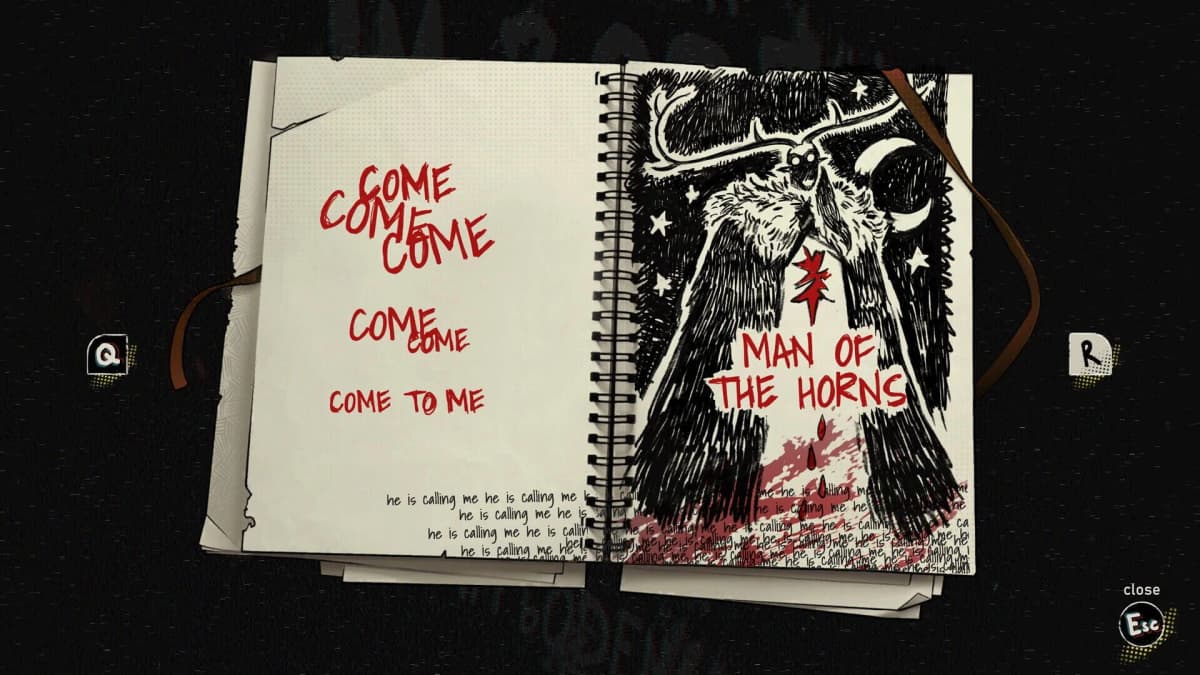
The game’s aesthetic is its ace in the hole. Inspired by the Eisner-nominated Skybound comic series by Kyle Starks and Artyom Topilin, I Hate This Place embraces bold lines, saturated palettes, and sinewy character silhouettes. That visual identity can carry a smaller budget further than photorealism, provided it’s consistent.
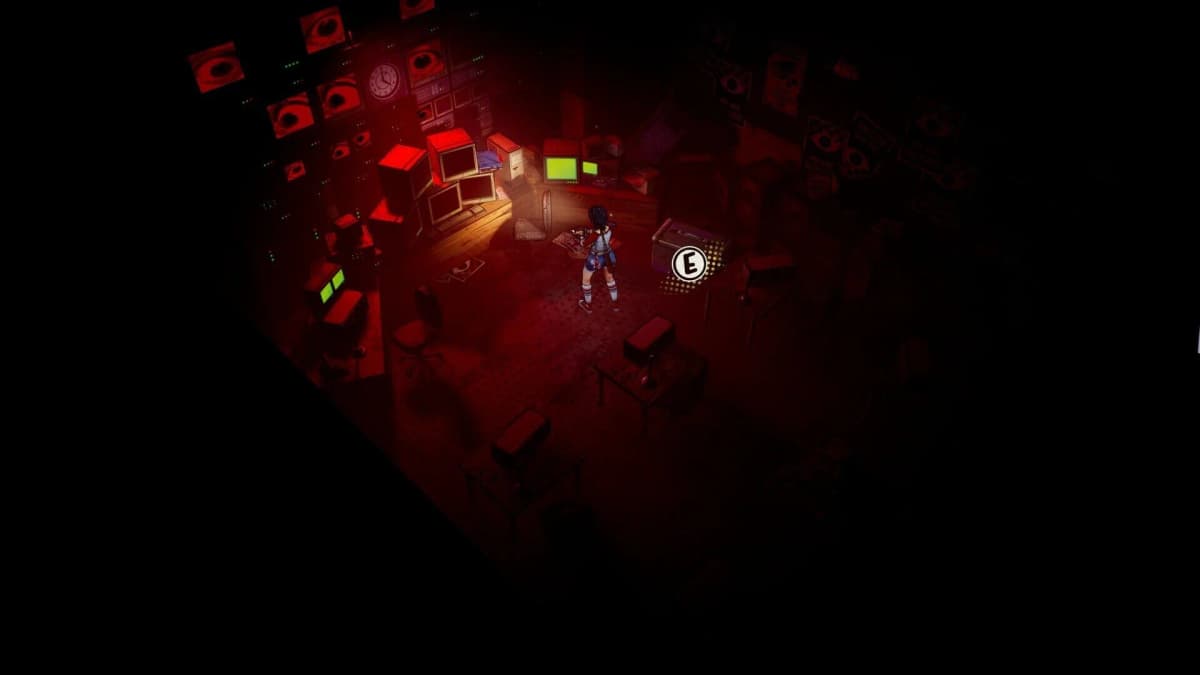
Developer diaries hint at hand-painted textures layered over 3D models to mimic panel art, with ’80s horror nods in garish neon and blood-spattered chrome. Expect exaggerated character animations—Elena’s ragdoll crawl feels almost cartoony when she’s downed by a surprise attack, which sells the campy horror vibe. Campiness alone won’t save the game, but it gives Rock Square Thunder room to stretch indie dollars on atmosphere rather than run-of-the-mill fidelity.
Broken Mirror Games, under Bloober Team, has some skin in this aesthetic game. Bloober’s works—Layers of Fear, Blair Witch, the Silent Hill 2 remake—are built on strong mood and audio design. If any umbrella can shepherd an isometric horror title through the polish gauntlet, it’s this one.
Performance pitfalls and cert headaches
Multiplatform launches are logistical juggling acts. PC certification involves hardware compatibility tests across GPUs, CPU cores, RAM configurations, and audio drivers. Consoles require strict adherence to platform holders’ guidelines: resolution standards, frame-limit enforcement, suspend/resume stability, and network protocol compliance for cloud saves.
One insider at a recent demo noted a rare save-corruption glitch when transitioning from dusk to full night—Elena’s autosave would overwrite her previous checkpoint instead of creating a new one. On PC, that could be a simple file naming fix. On consoles, it demands re-submission to certification queues, which can add weeks. Tackling these edge cases before hitting that first submission window in late autumn is likely the driving force behind the delay.
Community-driven tweaks: a blessing or a burden?
Listening to fans can be a double-edged sword. Too many cooks spoil the broth, and survival horror thrives on a singular vision. Yet, ignoring widespread concerns—like camera angle complaints during cramped basement sequences or demand for a brighter HUD during night raids—risks alienating your core audience. The January date signals that Rock Square Thunder has struck a tentative balance: they’ll absorb broad, structural feedback (UI, performance, audio clarity) while keeping narrative beats, encounter pacing, and overall horror tone untouched.
Finding that line is critical. Tweak too much, and the game loses its indie charm. Tweak too little, and it ships with glaring issues. Fans seem cautiously optimistic; early reactions to the new story trailer praised the lore expansion and cliffhanger tease at the end, suggesting narrative confidence remains high. Now it’s on the tech side to match that promise with rock-solid execution.
Final verdict: delay or disaster?
Delays spark groans from impatient fans and memes on social media—“See you next decade!”—but in this case, patience may pay off. The isometric survival horror niche is thirsty for innovation, and I Hate This Place is boldly scratching that itch. If the January build ships with refined UI, predictable yet menacing AI, stable performance across all platforms, and a polished audio mix that turns every creak into a heartbeat, the delay will look prescient in hindsight.
Worst case? Extended marketing drag and budget overruns. Best case? A winter sleeper hit that rises on word-of-mouth and cements Rock Square Thunder as a studio to watch for indie horror. Either way, this move speaks to a maturing mindset in game development: that first impressions matter, and taking three months to get the small stuff right can define a title’s legacy.
TL;DR
I Hate This Place delays to January 29, 2026, to weave in crucial feedback, nail audio-driven horror systems, and clear platform certification hurdles. If Rock Square Thunder succeeds, the wait will feel worth every jump scare.