
I Haven’t Experienced This in a Choice-Driven Game: Tides of Tomorrow’s 30-Min Steam Demo Actually
Game intel
Tides of Tomorrow
From the makers of Road 96, Tides of Tomorrow challenges you to survive the troubled ocean planet of Elynd, as well as the choices made by your friends and fav…
Why This Demo Actually Caught My Eye
I love a good narrative adventure, but let’s be honest: the “your choices matter” promise often boils down to color-coded dialogue options and a couple of ending slides. Telltale’s The Walking Dead nailed the gut punch a decade ago, Life is Strange brought heart, and Vampire: The Masquerade – Swansong experimented with RPG stats to freshen up decisions. Since then, the genre’s felt stuck. That’s why DigixArt’s Tides of Tomorrow grabbed my attention-its 30-minute Steam demo finally does something different: your solo playthrough is quietly shaped by the choices of another player who finished the story before you.
That simple twist-call it “asynchronous narrative bleed”-pushes beyond the usual “branching path” marketing blurb. It reminded me of Death Stranding’s traces and Dark Souls’ ghostly footprints, but applied to a choice-driven story where tone and reputation actually ripple between runs. I haven’t experienced this exact flavor of social storytelling in a narrative game, and that alone is worth a look.
Key Takeaways
- 30-minute Steam demo blends solo play with other players’ past choices via notes, “phantom” apparitions, and altered NPC attitudes.
- Feels like Road 96’s vibe meets Death Stranding’s community echoes—promising, but only as strong as the writing.
- Systemic question: do other players’ decisions meaningfully change routes and resources, or mostly flavor the journey?
- Great hook. The long-term value hinges on scenario depth, curation tools, and how much “grief” the design allows.
Breaking Down the Asynchronous Hook
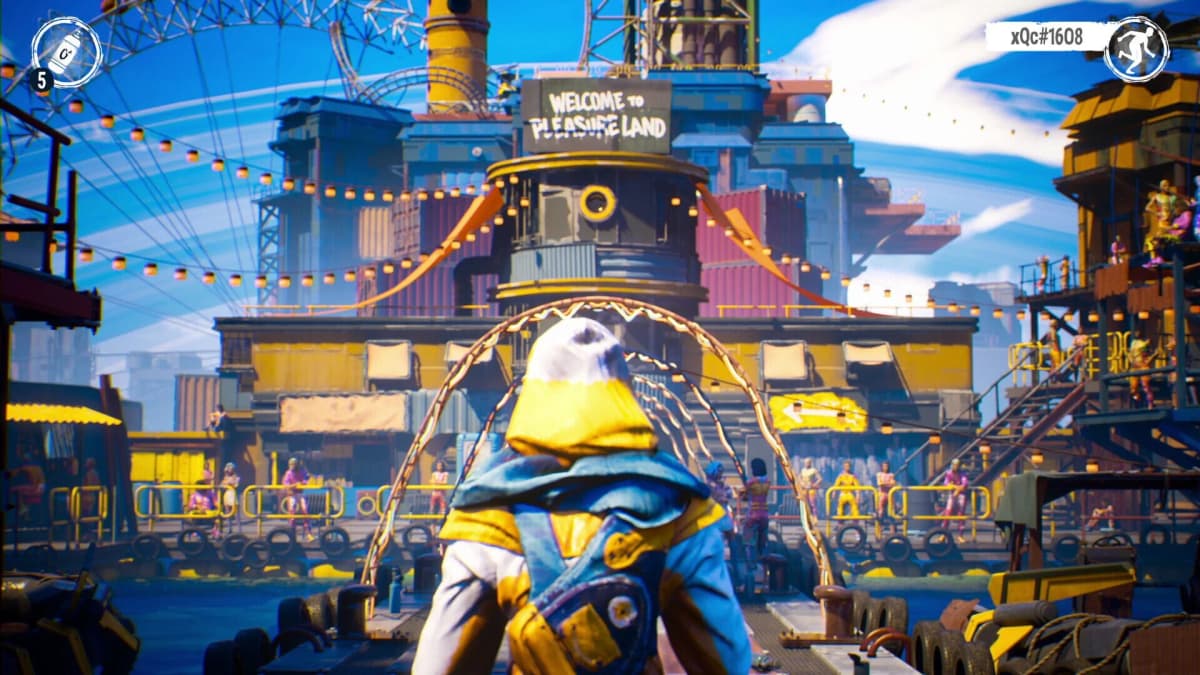
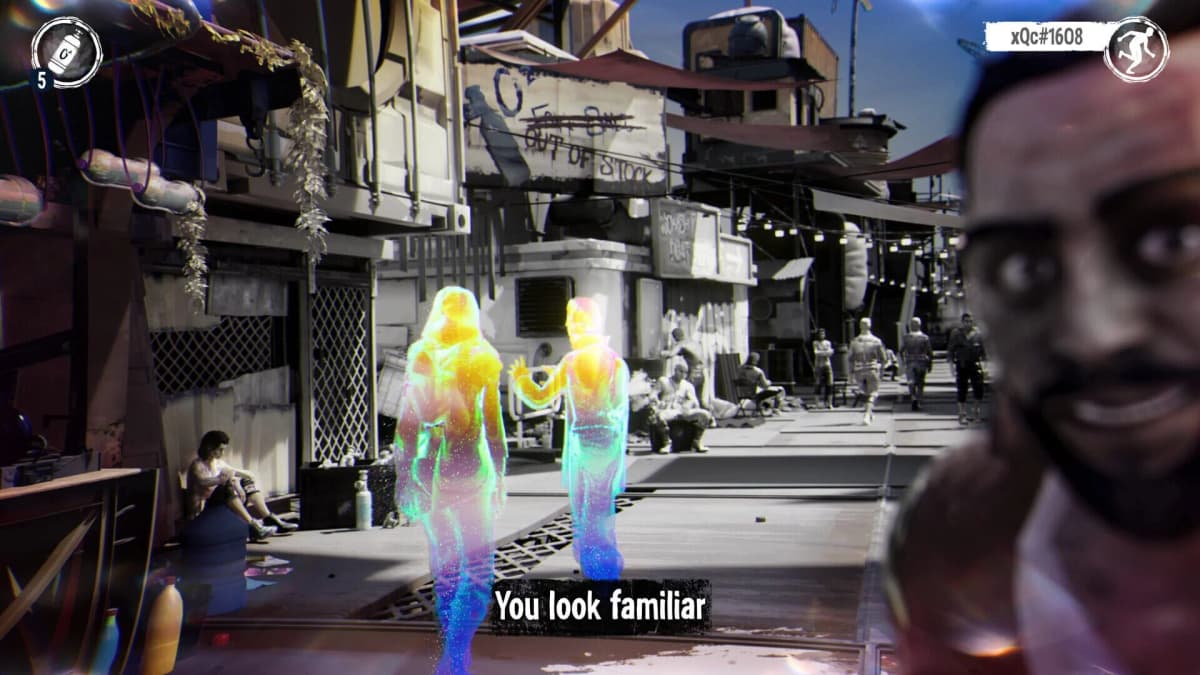
Tides of Tomorrow throws you onto Elynd, a waterlogged world where climate collapse and ocean “plastification” have pushed survivors onto rafts and platforms. You’re some kind of would-be savior dragged from the depths to fix a bad situation—nothing revolutionary on paper. The twist arrives before you even start: you pick another player’s completed run as your invisible co-author. Their decisions leave traces in your world—handwritten notes, fleeting specters of their character, NPCs who remember being treated well (or poorly) and adjust their behavior accordingly.
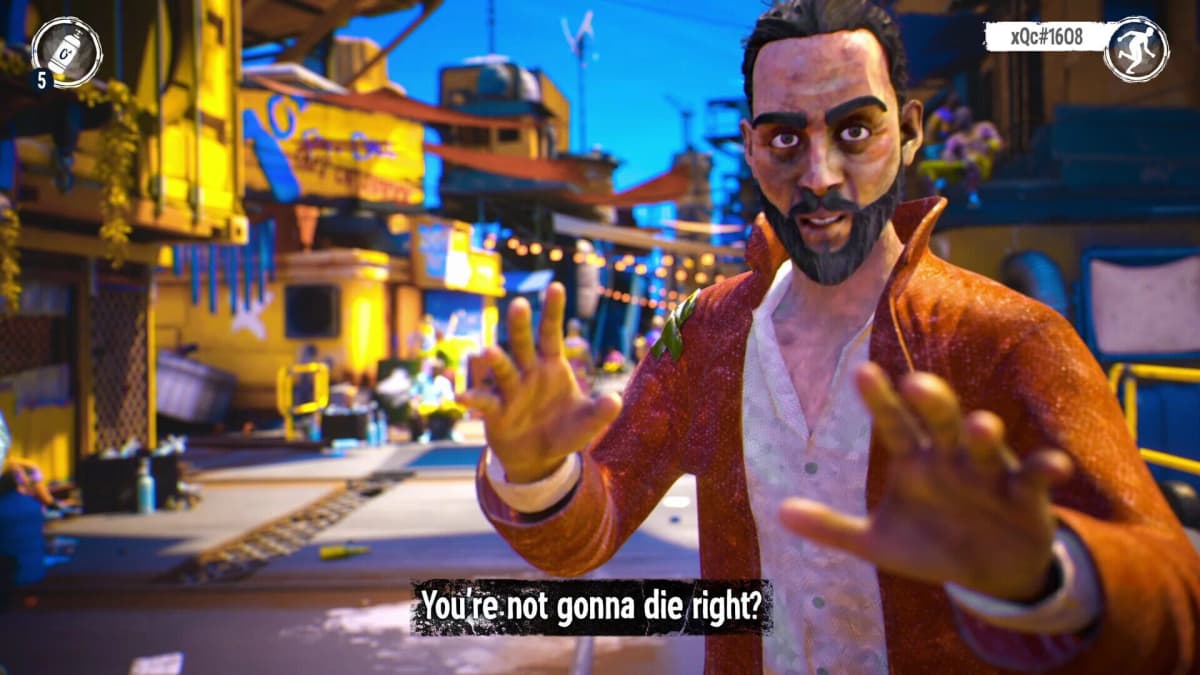
In my demo, I deliberately chose a pacifist profile to piggyback. The mission was a classic “steal a vital resource from a restricted zone,” but townsfolk were warmer and more cooperative, clearly responding to that player’s past kindness. Security routes felt a touch more forgiving, as if doors had been left open metaphorically—and sometimes literally—by their previous actions. It wasn’t just window dressing; it nudged the risk calculus of my choices, making stealth feel viable rather than mandatory.
If you’ve ever wished your narrative game remembered more than just your save file, this scratches that itch. It’s not co-op, and you’re not griefed in real time, but you’re sharing a space layered with someone else’s morality. The question is how far the ripples go. Are we talking altered patrols, new dialogue paths, and changed resource availability— or mostly different notes and a friendlier tone? The demo hints at both, but half an hour isn’t enough to map the system’s depth.
Why This Could Actually Move the Genre
DigixArt earned goodwill with Road 96, which used procedural vignettes to make every road trip feel a little different. Tides of Tomorrow aims for a similar “no two runs are the same” energy, but with a social twist. Done right, this could break the isolation that plagues choice-driven games—where you finish, discuss outcomes with friends, and realize you all saw most of the same content anyway. Here, the community’s prior actions don’t just live on a Reddit thread; they live in your world state.
It also plays to modern gaming culture. Streamers could seed fascinating runs—pacifist routes that turn the world gentle, or ruthless paths that make subsequent playthroughs fraught. If DigixArt provides solid curation tools (pick friends, creators, or randomized profiles with tags like “stealthy,” “violent,” “altruistic”), we could see a metagame of crafting “good” worlds versus chaotic ones.
Red Flags and Open Questions
- Writing quality: the premise is cool, but if the script leans on clichés, the social system becomes a neat gimmick propping up a forgettable story.
- Meaningful impact: do prior choices truly open/close routes, change resource scarcity, and reshape encounters, or are they mostly tonal? Long-term interest depends on systemic consequences.
- Curation vs. chaos: can players filter who they follow? Unchecked, “edgy” runs might sour the vibe; over-curated lists could flatten variety.
- Grief potential: notes and traces are great until they become noise. The game needs smart moderation and signal-boosting for helpful messages.
- Technical reliability: social features live and die on servers and stability. If the “echoes” don’t load consistently, the magic breaks.
Want to Level Up Your Gaming?
Get access to exclusive strategies, hidden tips, and pro-level insights that we don't share publicly.
Ultimate Gaming Strategy Guide + Weekly Pro Tips
Vibes Check: Style, Sound, and Setting
Visually, this is unmistakably DigixArt: vibrant color grading, stylized edges, and a sense of melancholy adventure that Road 96 fans will recognize. The flooded-planet aesthetic isn’t just set dressing; it frames every choice around scarcity and survival. Early audio cues and music direction feel promising—moody but not maudlin—which matters when you’re reading notes from someone else’s story and trying to stitch your path to theirs.
What to Test in the 30-Minute Demo
- Pick contrasting profiles. Try a pacifist echo, then a ruthless one. Do routes, guards, and NPC behavior meaningfully diverge?
- Leave smart notes. See if the next player benefits from tips, or if the game surfaces useful messages well.
- Push the system. Make contradictory choices to your echo and watch how the world reconciles that tension.
- Listen for agency. Do you feel steered toward a “canon” outcome, or does the world flex with your decisions?
TL;DR
Tides of Tomorrow’s Steam demo pairs a classic choice-driven narrative with the ghosts of other players’ decisions, and it genuinely freshens the formula. The tech and vibe are there; now the writing needs to carry the weight. If DigixArt nails consequence depth and curation, this could be the first narrative game in a while that makes “your choices matter” feel communal, not just personal.