
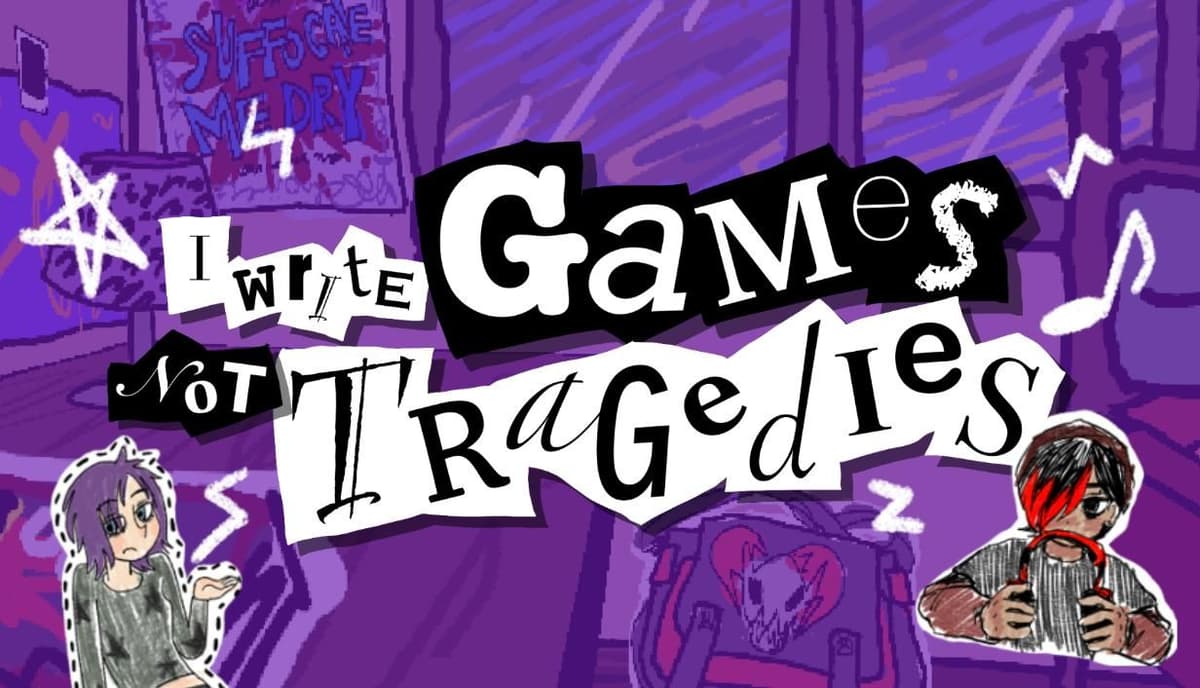
I just heard ‘I Write Games Not Tragedies’ makes you scream—and I’m into it
Game intel
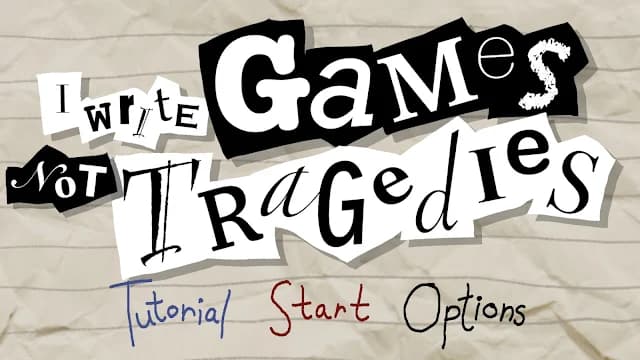
I Write Games Not Tragedies
An emo-inspired narrative rhythm game exploring growing pains, addiction, romance and music. Scream with Ash as he makes the transition from baby bat to elder…
Why this announcement actually matters
I Write Games Not Tragedies just leaped onto my radar because it does the one thing most rhythm-narrative hybrids are scared to try: it asks you to literally use your voice. Studio Wife, Cornmandog, and Yotsuba Interactive are launching this punk-tinged visual novel meets rhythm game on November 14, 2025, and the hook is wild-lyric-timing mechanics stitched into a coming-of-age story across the late 2000s through the 2020s, with a “screaming” input that isn’t just a gimmick; it influences scoring and key story moments. If your games taste skews toward emotional narrative with experimental mechanics (think Before Your Eyes meets Goodbye Volcano High with a dash of Rhythm Doctor), this could be the year’s most audacious swing.
- Voice as a mechanic: your scream/voice is tied to rhythm scoring and narrative beats.
- Era-spanning emo/punk nostalgia: late-2000s MySpace-to-TikTok energy baked into the story.
- VN x rhythm done with intent: lyric-timing isn’t filler QTEs; it’s thematically core.
- Questions to watch: streaming/DMCA, accessibility for non-screamers, mic calibration.
Breaking down the announcement
The premise follows Ash across three life eras-think high school band posters and Warped Tour wristbands in the late 2000s, post-college drift, then adulthood in the creator economy buzzsaw. The title riffs on Panic! at the Disco’s mid-2000s anthem, and that’s not accidental: the game is clearly tapping into the emo/punk lineage where feelings aren’t whispered, they’re belted. That’s where the screaming input comes in. Instead of just hitting buttons to notes, you’re prompted to give voice at specific moments. The exact tech details aren’t spelled out in the announcement, but expect threshold-based detection (volume/pitch windows rather than full-on karaoke scoring), so big cathartic exhalations register as intentional performance, not background noise.
We’ve seen games flirt with voice before-One Hand Clapping used humming to solve puzzles, Phasmophobia listens for spoken phrases, and old-school party games had you blow into a mic for laughs. But few story-driven games ask you to push your voice as an expressive instrument that meaningfully affects the narrative. If the team nails the timing windows and makes the “scream” feel like a payoff you’ve earned through the scene’s build-up, it could be incredible. If it’s just “be loud now,” that’s TikTok challenge energy, not storytelling.
Why this matters now
Rhythm hybrids are having a moment again—Hi-Fi Rush proved mainstream audiences will show up for tightly synced action, Metal: Hellsinger translated musical precision into shooter flow, and narrative-first projects keep experimenting with input as metaphor. Before Your Eyes made blinking a devastating mechanic about memory; using your voice to punctuate Ash’s high points and breakdowns could do the same for identity, art, and community—key themes of punk’s DIY culture. The late-2000s to 2020s span is smart, too: it lets the game comment on the shift from MySpace scene cliques to algorithmic virality, from dingy venues to Discord servers. If the writing threads those eras cleanly, the scream becomes more than noise—it’s protest, catharsis, and self-definition.
This is also the rare rhythm-VN pitch that doesn’t sound bolted together. Lyric timing intertwined with dialogue choices can create a feedback loop: hit the line, land the emotion, unlock a response that shifts Ash’s path. That’s the dream. Rhythm segments in many narrative games feel like detachable mini-games; the promise here is that the music and the message are the same thing.
What gamers need to know (and what I’m skeptical about)
- Mic comfort: Not everyone can or wants to scream. Apartments, roommates, kids asleep, thin walls—it’s real. The game needs robust accessibility: a silent-mode toggle, button or breath alternatives, and sensitivity sliders so whispers can count when needed.
- Streaming/DMCA: If the soundtrack is original, awesome; if not, we need a streamer-safe mode. Nothing nukes buzz faster than muted VODs. The devs should clarify this upfront.
- Calibration and latency: Rhythm lives and dies on timing. A quick, painless calibration (ideally per-session) for both mic and audio output is non-negotiable, especially on TVs with post-processing.
- Fail states and flow: If screaming segments hard-stop the story every time you miss, it’ll kill momentum. Smart design means generous windows during narrative climaxes and stricter timing when the point is challenge.
- Vocal health: Genuinely—teach people to “scream” safely. A short in-game tip about using breath support instead of throat strain would be a surprisingly classy touch.
I’m also curious how the lyric-timing translates across eras. Emo/pop-punk cadences in 2008 don’t feel like the bedroom-pop vibes of 2018 or the post-genre chaos of 2023. If each chapter evolves the mechanics—long held notes vs. rapid-fire lines, call-and-response shouts vs. spoken word—that’ll sell the time jump better than any costume change.
Want to Level Up Your Gaming?
Get access to exclusive strategies, hidden tips, and pro-level insights that we don't share publicly.
Ultimate Gaming Strategy Guide + Weekly Pro Tips
The bigger picture: where this could go
If I Write Games Not Tragedies sticks the landing, it’ll sit alongside a small but powerful lineage of games that make input and theme inseparable. The potential is obvious: a finale where your voice literally carries Ash across the line, a quiet chapter where refusing to scream is the point, branching scenes where your confidence (measured by how you’ve engaged vocally across the game) unlocks different outcomes. That’s the kind of systemic storytelling that earns a cult following, not just a weekend of buzz.
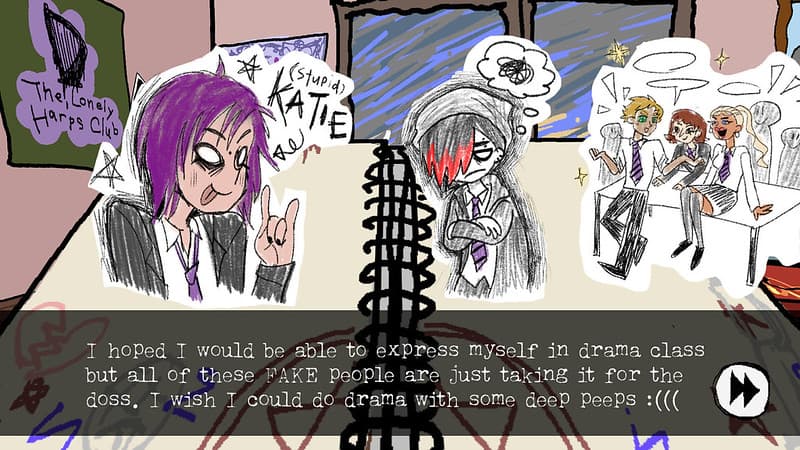
As for soundtrack, I’m expecting original tracks inspired by the era rather than expensive licenses. Honestly? That could be better—original songs can be written to the mechanic, not the other way around. But the team should release a music mode or gallery post-credits so we can replay favorite tracks without story friction.
TL;DR
A punk-flavored visual novel with rhythm DNA that asks you to actually scream launches November 14, 2025. I’m into the concept because the voice input aligns with the story’s themes, but it lives or dies on mic accessibility, streamer-safe music, and tight calibration. If those pieces click, this could be the year’s boldest narrative experiment.