
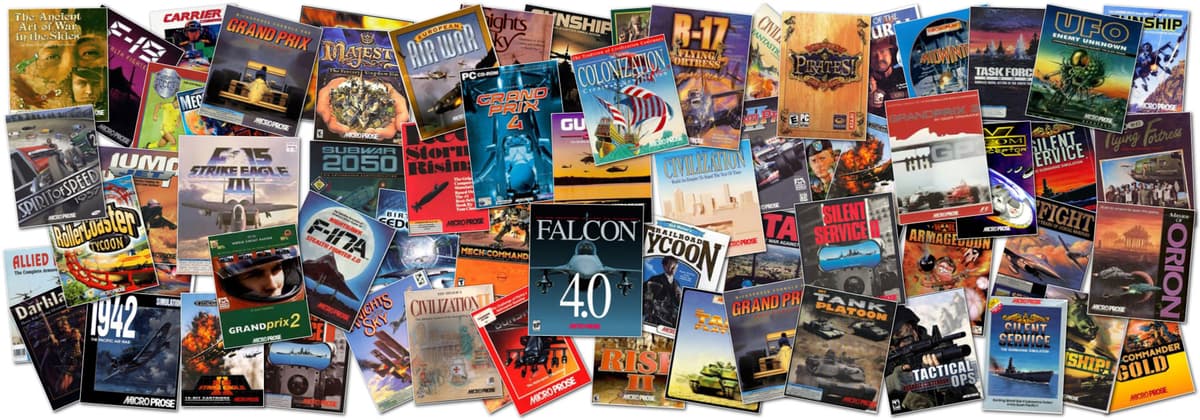
I just saw MicroProse pick up Battlefield Commander WWII—and the new update actually matters
Game intel
Battlefield Commander WWII
Battlefield Commander WWII is a real-time tactical game where you lead the soldiers and vehicles that battled across the globe during this time in history. Pla…
Why This Matters Right Now
MicroProse adding Battlefield Commander WWII to its publishing roster caught my attention because it’s a niche the studio understands: grounded, systems-first warfare that values tactics over click-per-second theatrics. The newly announced update isn’t just dressing-it targets the exact pain points that make or break real-time tactical games. If you’ve bounced off the genre because of clunky UI, murky line-of-sight, or unreadable maps, this patch reads like a direct response.
Key Takeaways
- MicroProse’s backing signals a longer runway: more theaters, more support, and (hopefully) steady updates over quick-fix patches.
- The UI overhaul and 360° line-of-sight tool could be the difference between chaos and clarity in big engagements.
- Hex-based campaign movement hints at a true operational layer, not just a string of skirmishes.
- Destructible environments and craters getting a realism boost is great-if performance and AI can keep up.
Breaking Down the Announcement
Battlefield Commander WWII is a real-time tactical game from two brothers at Sword of Steel, and it leans hard into the Eastern Front. Think morale, ammo, armor penetration, and weather-less base-building, more battlefield problem-solving. That alone puts it closer to Graviteam Tactics and Steel Division than Company of Heroes. With MicroProse stepping in, there’s now a publisher with a proven appetite for serious tactics (see Regiments, Second Front, and HighFleet) helping shape the roadmap. That matters: smaller teams can build good systems, but publishers like MicroProse can provide QA muscle, user experience polish, and the patience to expand over time.
There’s also a clear plan to grow beyond the initial Eastern Front focus. The press notes talk about “expanded theaters” and future DLC. I’m all for more nations and campaigns, but the value test will be whether core improvements land first—AI pathfinding, performance, and scenario variety—before we start slicing the war into paid packs.
The Update: Substance Over Sizzle
The patch claims a “complete UI overhaul,” which is the least sexy bullet point and easily the most important. Real-time tactics lives and dies on readability. If I can’t tell which squad is suppressed, where cover actually exists, or who’s in LOS, I’m not making tactics—I’m guessing. The new 360° LOS tool (bound to C) is the exact kind of workflow improvement this genre needs, letting you probe sightlines without pixel-hunting or pausing every five seconds.
Maps have been visually refreshed and rebalanced, with better building models and enhanced destruction. Craters spawn where big shells land; explosions throw up more convincing smoke and dust. It sounds cosmetic, but it’s not. In games like this, the environment is the second commander. If artillery can meaningfully reshape cover and lanes, your plans evolve mid-battle instead of just executing a build order.
On the gameplay side, gradual morale recovery when not suppressed is a small tweak that pays big dividends. It encourages regrouping and counterattacking instead of doom-spiraling once the first push falters. Unique unit tooltips and an updated tutorial are exactly the kind of accessibility wins that help more players stick with complex sims without sanding off what makes them interesting.
The bold move is on the campaign layer: hex-based movement on the strategic map. That’s a big clue about intent—this isn’t just a mission pack with text between battles. Hexes suggest a more systemic operational layer where positioning, supply, and tempo matter across multiple engagements. If Sword of Steel leans into that, Battlefield Commander could become the bridge between quick RTS skirmishes and deep wargame campaigns.
Where I’m Skeptical (And What I’ll Be Testing)
Destructible environments are great until your framerate dies or the AI doesn’t understand the ruins it created. I want to see how the pathfinding handles collapsed buildings and cratered roads. The update notes say “numerous bug fixes and optimizations,” but the proof will be in big combined-arms fights with artillery, tanks, and smoke everywhere.
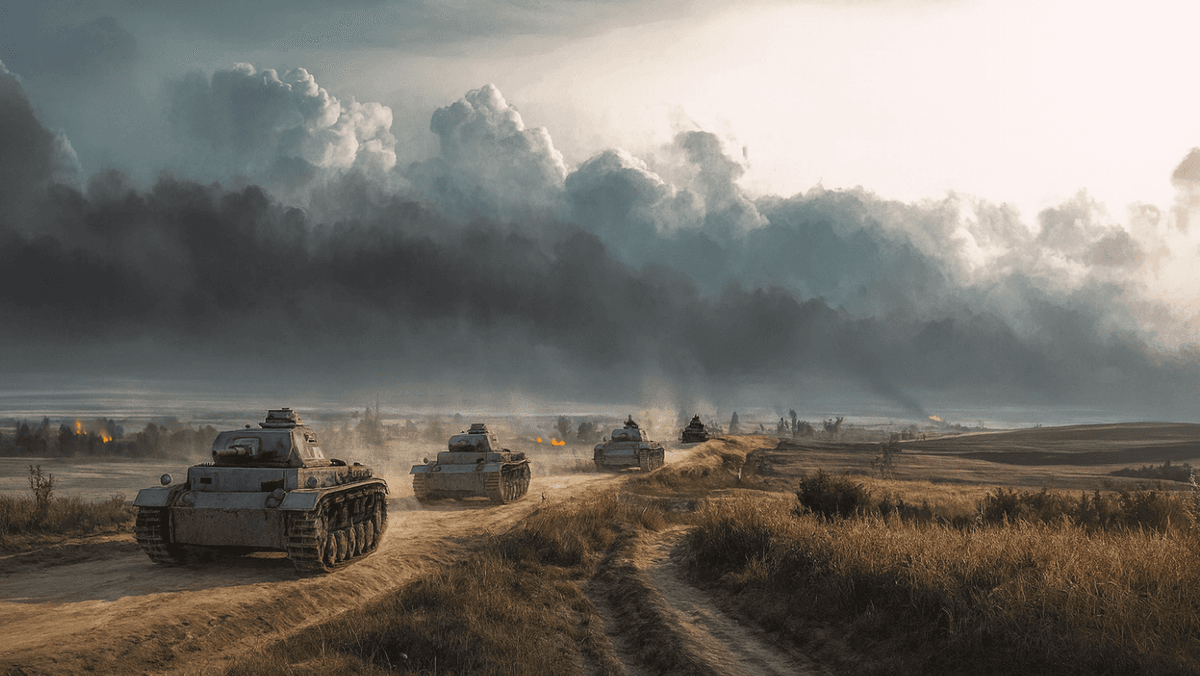
There’s also no mention of multiplayer, scenario editors, or mod support. For this niche, those are longevity multipliers. Men of War and Gates of Hell thrive on community-made missions and MP skirmishes; Graviteam lives on its campaign depth. If Battlefield Commander wants a seat at that table, it needs at least one of those pillars nailed down.
Finally, the DLC language. I’m not allergic to expansions—WWII is too big for one box—but get the foundations right first. Eastern Front is a strong start with a solid unit roster (T-34s, Tiger IIs, Pumas, Katyushas), but I’d like a clear signal on what’s core and what’s paid. No one wants to buy “the good doctrine” later.
What Gamers Need to Know
- It’s real-time tactical, not base-building: expect ammo counts, morale, and LOS management over tech trees.
- Two main modes—Battle (VP through destruction) and Flags (zone control)—cover classic victory conditions without reinventing the wheel.
- The new OST brings six original tracks; minor on paper, but music pacing matters when battles stretch past an hour.
- Hex campaign movement suggests larger ambitions—watch how production, reinforcements, and morale tie into multi-battle arcs.
Why MicroProse Is the Right (And Risky) Fit
The revived MicroProse has made a habit of backing simulation-first projects and letting them breathe. That’s good news if you want a steady cadence of systems polish and content drops. The risk? Long timelines and feature creep. We’ve seen MicroProse projects take the scenic route to “finished.” If Sword of Steel keeps the scope focused—nail Eastern Front fundamentals, then expand theaters—this partnership could turn a promising hobby-scale project into a staple of the genre.
Looking Ahead
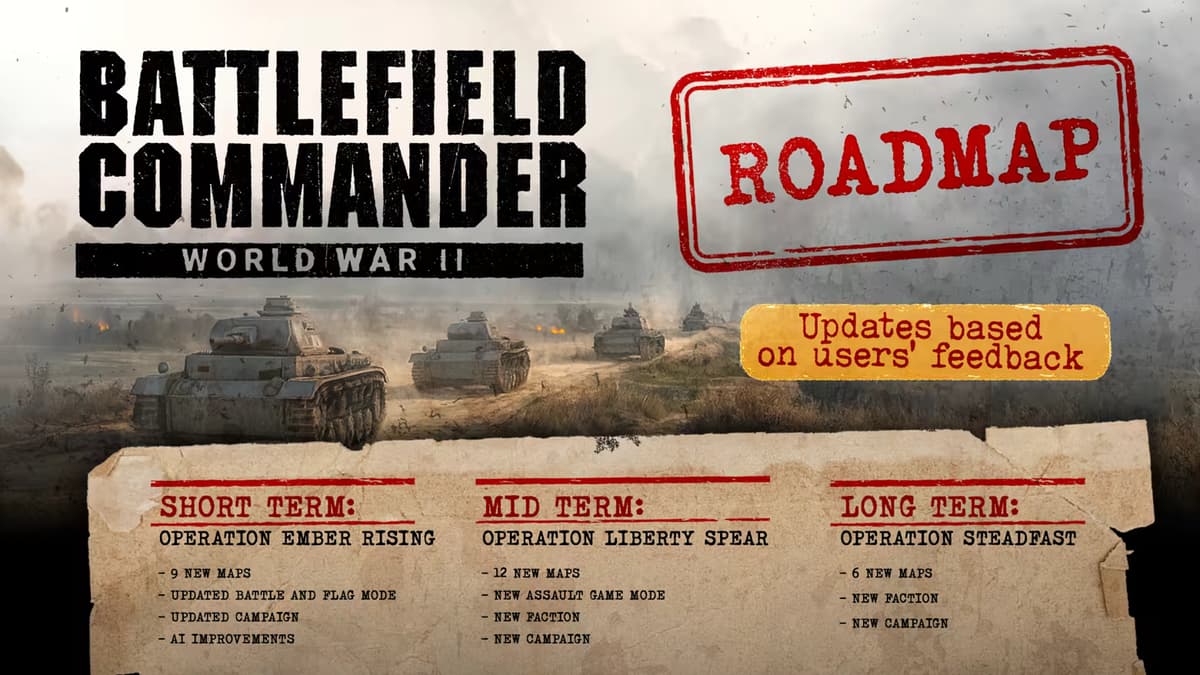
Short term, I’m looking for three things: smarter AI use of cover and smoke, performance that holds during heavy bombardments, and a campaign layer that actually changes how you play battle to battle. Medium term, I want confirmation on mod tools or a scenario editor, and clarity on what “additional nations” means—Western Front? North Africa? Partisan warfare?
If Battlefield Commander WWII sticks the landing on information clarity and campaign structure, it could become the go-to for players who find Company of Heroes too arcade-y and Graviteam too opaque. With MicroProse now in the mix, the ceiling just got higher. Time to see if the foundation can handle it.
TL;DR
MicroProse signing Battlefield Commander WWII comes with a meaty update that fixes core readability and deepens the campaign layer. It’s promising, not proven. If AI, performance, and the strategic hex map deliver, this could be the genre’s next slow-burn favorite—and if not, it’ll be just another Eastern Front sim with good intentions.