
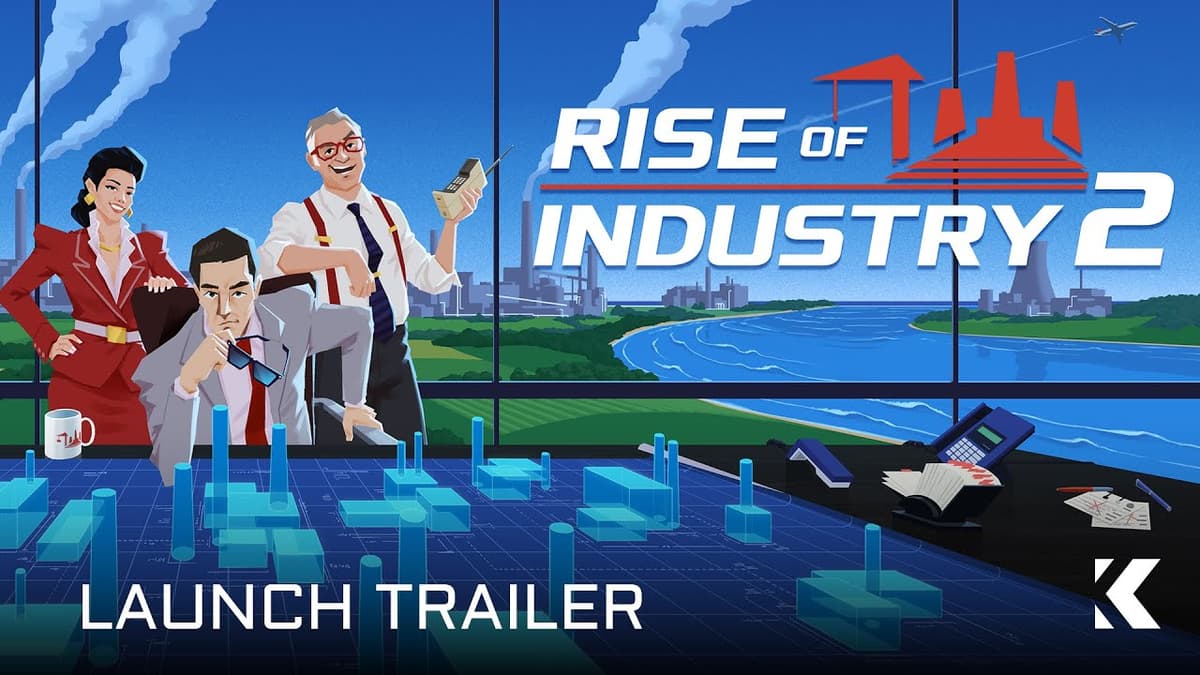
I just saw Rise of Industry 2 get three huge updates on PS5/Xbox/PC
Game intel
Rise of Industry 2
Navigate the competitive industrial landscape of vibrant 1980's USA! Make strategic manufacturing decisions, optimize production chains, acquire technologies,…
Why This Matters Now
Rise of Industry 2 just landed three major updates across PC, PlayStation 5, and Xbox Series X|S, and this caught my attention because they target the exact pain points that make or break a tycoon game on console: construction friction, clunky management, and late-game performance. Instead of chasing a shiny DLC pack, SomaSim and Kasedo Games have put in the unglamorous work-overhauling building tools, expanding trade systems, shipping six new sandbox maps, adding production chains like pharmaceuticals, and tightening quality-of-life and performance. That’s the kind of support that actually changes how you play.
Key Takeaways
- Construction and management tools have been overhauled to reduce busywork and make logistics clearer-crucial wins for controller players.
- Expanded trade systems add flexibility and depth to contracts and routing, encouraging more varied economic strategies.
- Six new sandbox maps and new production chains (including pharmaceuticals) meaningfully extend replay value.
- Quality-of-life and performance improvements show ongoing developer support-but I’m still watching how late-game scales on consoles.
Breaking Down the Updates (No Hype, Just What Changes)
“Overhaul” gets tossed around a lot, but here it matters. Building in an industrial sim is where controller ports often wobble—too many submenus, too much fiddling to lay roads or place factories at speed. Tightening construction and management tools is the difference between playing a tycoon game and wrestling one. If placing facilities, linking routes, and adjusting outputs now takes fewer clicks (or button holds), your mid-game scaling will feel less like paperwork and more like strategy.
The expanded trade systems are the other big piece. If you’ve played the original Rise of Industry or games like Anno, you know the economy lives or dies on how flexibly you can secure inputs and move goods. More robust contracts and routing options open up viable paths that aren’t just “rush the same profitable loop.” That keeps playthroughs fresh—especially when new chains like pharmaceuticals enter the mix and slot into higher-value, multi-step production plans.
Six sandbox maps is a surprisingly chunky addition. Sandbox is where most factory-heads live once the tutorials are done, and varied terrain plus different resource profiles encourages experimentation. If you’re the kind of player who wants to min-max supply lines or build theme runs (chemicals-heavy one night, heavy industry the next), those maps and new chains meaningfully extend the tail of the game.
The Real Story: A Console Tycoon That Doesn’t Fight You
I’ve been burned by otherwise great PC sims that stumble on console. Cities: Skylines did the homework; plenty of others didn’t. Rise of Industry 2 already had the right camera and point-and-select foundation, but the weak link was always friction—placing, linking, and managing lots of moving parts with a controller. So seeing SomaSim focus on construction and management tools across PS5 and Xbox is the right call. If you’ve bounced off factory sims on console before, this is the kind of update that can pull you back in.
Context: SomaSim’s Take on an ’80s Industrial Playground
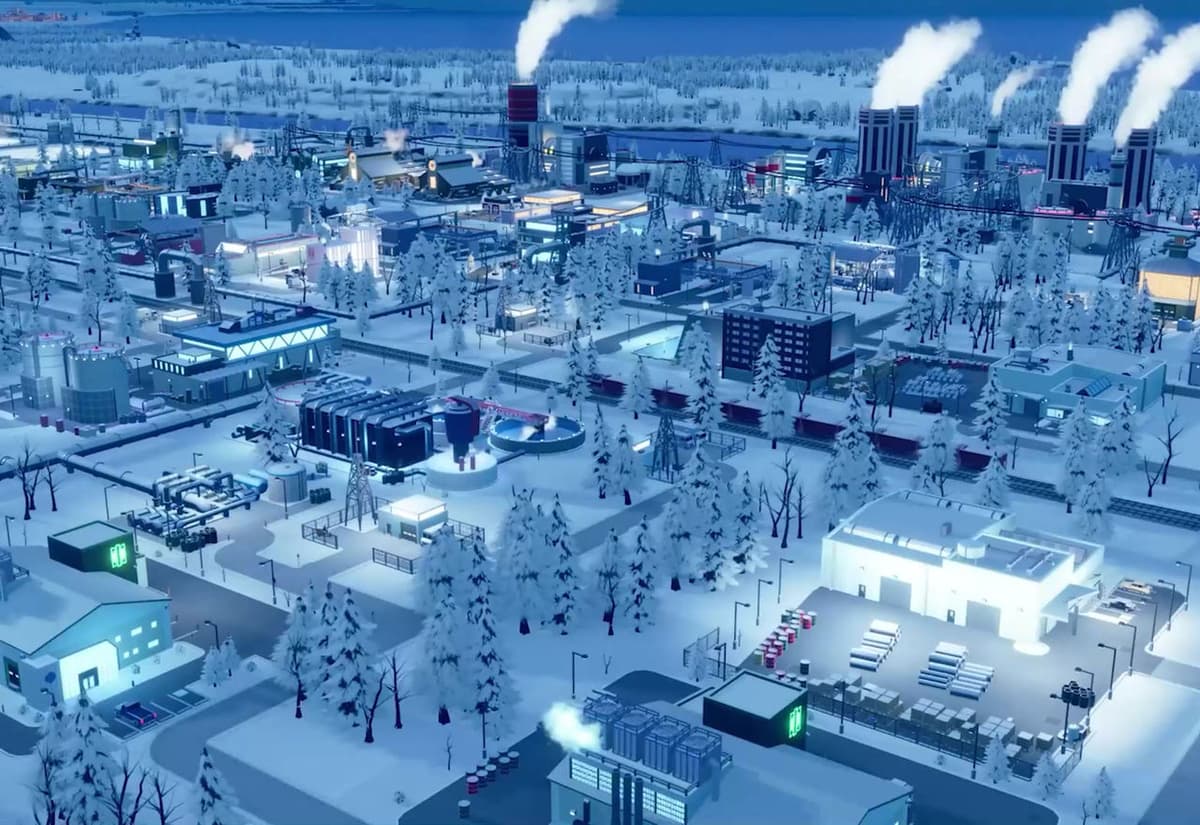
Rise of Industry 2 isn’t a tune-up of the 2019 original—it’s a rebuild under SomaSim, set in a stylized 1980s USA. That era matters: deregulation, globalization, and neon-soaked optimism are baked into the pacing and vibe. The game leans into complex chains—metals, glass, plastics—and the updates add pharmaceuticals to that ecosystem, which naturally pairs with chemicals and higher-margin goods. It’s a more characterful take on a genre that can drift toward spreadsheets, and that personality shows up in the scenarios and sandbox maps.
Performance, QoL, and a Healthy Dose of Skepticism
Performance is the elephant in the factory. Tycoon games are sneaky CPU hogs: every truck, conveyor, and contract means more simulation to chew. SomaSim calls out performance improvements, which is great, but the real test is late-game saves where your logistics web looks like a neon plate of spaghetti. I’m cautiously optimistic—this genre has trained me to be. If stutter creeps in on sprawling maps, that undermines all the smart systems work. Keep an eye on how your frame-time feels once you’re running dozens of routes and dense industrial clusters.
The quality-of-life pass is just as important. Clearer production chain info, better feedback when something clogs, and faster ways to tweak routes or rebalance outputs are the unsung features that make you want to start “one more run.” It sounds small, but these are the things that separate a week-long fling from a 100-hour obsession.
What Gamers Need to Know Before Jumping In
Rise of Industry 2 is still a deep sim first. Expect a real learning curve, even with improvements. Campaign objectives teach the ropes, but the meat is sandbox—now with six more playgrounds to test your ideas. If you adore Factorio’s flow or Anno’s trade juggling, this scratches a similar itch with a corporate-America twist. If you want a breezy builder, the micromanagement and contract deadlines might feel like work.
Looking Ahead
Three major updates in short order signal that SomaSim is listening. My wishlist from here: keep trimming controller friction, keep strengthening late-game performance, and double down on tools that surface bottlenecks instantly. The genre is competitive and crowded, but steady, player-driven refinements beat flashy DLC any day. It’s encouraging that Rise of Industry 2’s big beats right now are core systems and not cash-grab content drops.
TL;DR
Rise of Industry 2’s latest updates fix the right problems: smoother construction and management, smarter trade, more sandbox variety, and tangible QoL/performance work. If you’ve been waiting for a console-friendly industrial sim that respects your time and your thumbsticks, this is the most promising the game has looked yet—just keep an eye on late-game performance as your empire scales.