
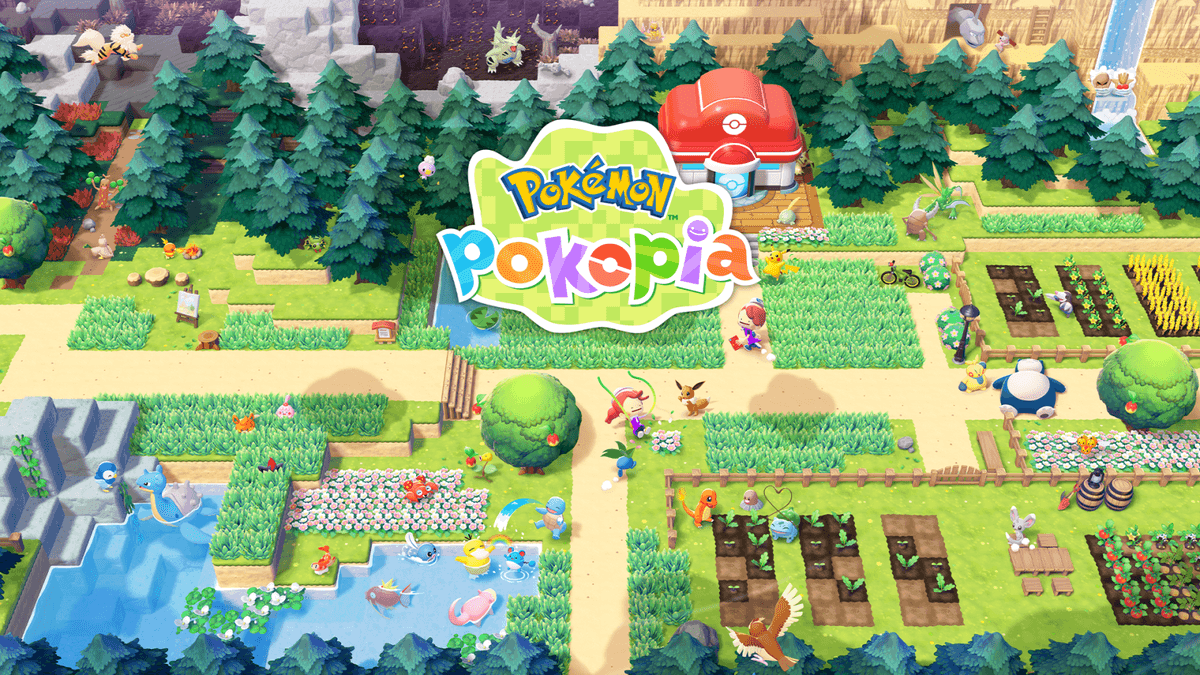
I just watched Nintendo’s Pokémon Pokopia trailer — this “Ditto life sim” on Switch 2 is way
Game intel
Pokémon Pokopia
Pokémon’s first life simulation game, Pokémon Pokopia, will release on Nintendo Switch 2 on March 5, 2026. Playing as a Ditto that has transformed to look like…
Why This Trailer Actually Matters
Pokémon going full cozy life sim isn’t just another spin-off-it’s a statement. Nintendo’s new trailer for Pokémon Pokopia confirms a March 5, 2026 launch exclusively on Switch 2, and the pitch is bold: no traditional battling, no catching, just rebuilding a Pokémon paradise as a human-shaped Ditto with friends. That caught my attention because it tackles the Animal Crossing/Stardew crowd head-on while asking long-time fans to accept a radically different loop built on cooperation, crafting, and creativity.
Key takeaways
- Pokopia is a cozy sim-resource gathering, base building, and social play instead of battles or captures.
- You play a Ditto in human form; shapeshifting works like a toolset, unlocking abilities tied to featured Pokémon.
- Four-player co-op and deep customization could make this Switch 2’s social time sink.
- Three new variants matter for gameplay, not just looks: a ghostly Pikachu, a moss-covered Snorlax, and a master-artist Smeargle.
- Preorder cosmetics are already a thing; I’m watching for grind, timers, and shop creep.
Breaking Down the Reveal
Pokopia positions itself as a slow-life rebuild sim set in a world that’s been knocked off balance. You restore habitats, learn skills, and kit out homes that Pokémon actually use. The new trailer showed more of the core loop: gathering wood and stone, crafting structures, farming, decorating, and teaming up to tackle bigger restoration projects. Co-op supports up to four players, which is essential if Pokopia wants that “let’s hang out every evening” momentum Animal Crossing: New Horizons nailed in 2020.
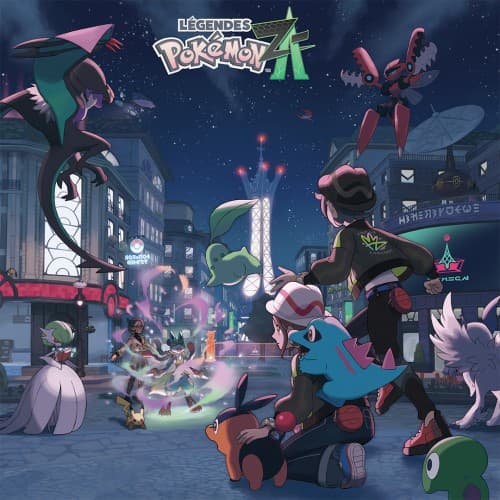
The three new Pokémon variants are the mechanical spine of this idea. In the French materials, they’re named Pikapâle (literally “Pale Pikachu,” a ghostly Pikachu), Ronflex Moussu (“Mossy Snorlax”), and Maître Queulorior (“Master Smeargle”). They aren’t just reskins. Pikapâle illuminates dark spaces and recharges devices-perfect for night expeditions and powering tools. Mossy Snorlax literally heals the land, restoring soil and even creating small water sources. Master Smeargle is about expression and function—painting objects and buildings, changing colors, and inspiring other Pokémon to create high-value art. The twist: as a Ditto in human form, you can adopt aspects of these abilities, turning Pokémon vibes into your everyday toolkit.
Why this matters now
Cozy gaming isn’t a fad; it’s a pillar. The market is packed with farm/life sims, but few have Pokémon’s gravity. Nintendo leaning into a chill, cooperative experience right at the start of the Switch 2 era makes sense: it diversifies the lineup and gives families and friend groups a persistent world to return to between tentpole releases. Pokémon’s brand has supported wildly different experiments before (Snap, Mystery Dungeon, Detective Pikachu), but Pokopia is the first to fully ditch combat in favor of communal restoration. If it lands, don’t be surprised if Pokopia becomes the system’s “comfort game” for years.
The gamer’s perspective: promise vs. pitfalls
I’m into the premise. Rebuilding ecosystems with Pokémon who actually live in what you build is a natural fit for the series’ world. The shapeshift angle also solves a classic sim problem: tool bloat. If Pikapâle’s glow replaces lanterns and Mossy Snorlax substitutes irrigation systems, that’s elegant. And four-player co-op could give the day-night cycle real purpose—night crews exploring caves while day crews cultivate fields. It sounds genuinely collaborative rather than four people doing the same chores.
My skepticism kicks in around pacing and incentives. Without battles, you need strong progression pressure: town upgrades that meaningfully unlock new biomes, recipe tiers that change how you play, and Pokémon behaviors that evolve as habitats improve. If it leans too hard on daily timers, slow energy meters, or “wait a day to finish this bridge,” the loop will feel like a mobile game wearing a Switch jacket. The preorder bonus (a Ditto rug) is harmless, but I’ll be watching closely for in-game stores, premium décor packs, or event FOMO. Cozy doesn’t have to mean nickel-and-diming.
About those new Pokémon
- Pikapâle (ghostly Pikachu): Lights up ruins and caves and can recharge gadgets. If night exploration matters, this is meta-defining. I hope the recharge aspect enables clever co-op—one player keeps the workshop powered while others build.
- Ronflex Moussu (Mossy Snorlax): Restores soil quality and spawns small water sources. If farming depth rivals Stardew-style irrigation and crop variety, this turns Snorlax into a literal biome engineer.
- Maître Queulorior (Master Smeargle): Paints functional décor and inspires other Pokémon to create. If art has gameplay benefits—attracting visitors, boosting shop values, unlocking festivals—that’s a strong non-farming progression pillar.
Crucially, Ditto’s shapeshift should let solo players tap into these systems without hunting down specific spawns. If the game nails that balance—Pokémon partners enhance, Ditto guarantees access—Pokopia avoids the “I can’t progress because the right creature won’t spawn” trap.
Want to Level Up Your Gaming?
Get access to exclusive strategies, hidden tips, and pro-level insights that we don't share publicly.
Ultimate Gaming Strategy Guide + Weekly Pro Tips
What I’m watching before launch
- Co-op details: Is it online, local, or both? Is progress host-based or shared? Can we visit each other’s paradises freely?
- Progression depth: Are there tech trees, habitat tiers, and late-game projects that meaningfully change the daily loop?
- Customization tools: Can we blueprint, share, and rate builds? Master Smeargle screams for a community gallery.
- Monetization and events: Seasonal festivals and cosmetic drops are fine—just keep them earnable and respectful of players’ time.
- Performance on Switch 2: Big crowds, dynamic lighting, and online co-op need stable framerates to keep that cozy vibe intact.
TL;DR
Pokémon Pokopia looks like Nintendo’s bid to own the cozy co-op space on Switch 2: a combat-free life sim where you, a human Ditto, rebuild a world with Pokémon who double as your toolset. I’m excited by the creativity and co-op potential, but the loop has to be deep—less busywork, more meaningful progression—and monetization needs to stay in the background where it belongs.