

I just watched Skate players ditch the board for parkour—and it might be the game’s secret sauce
Game intel
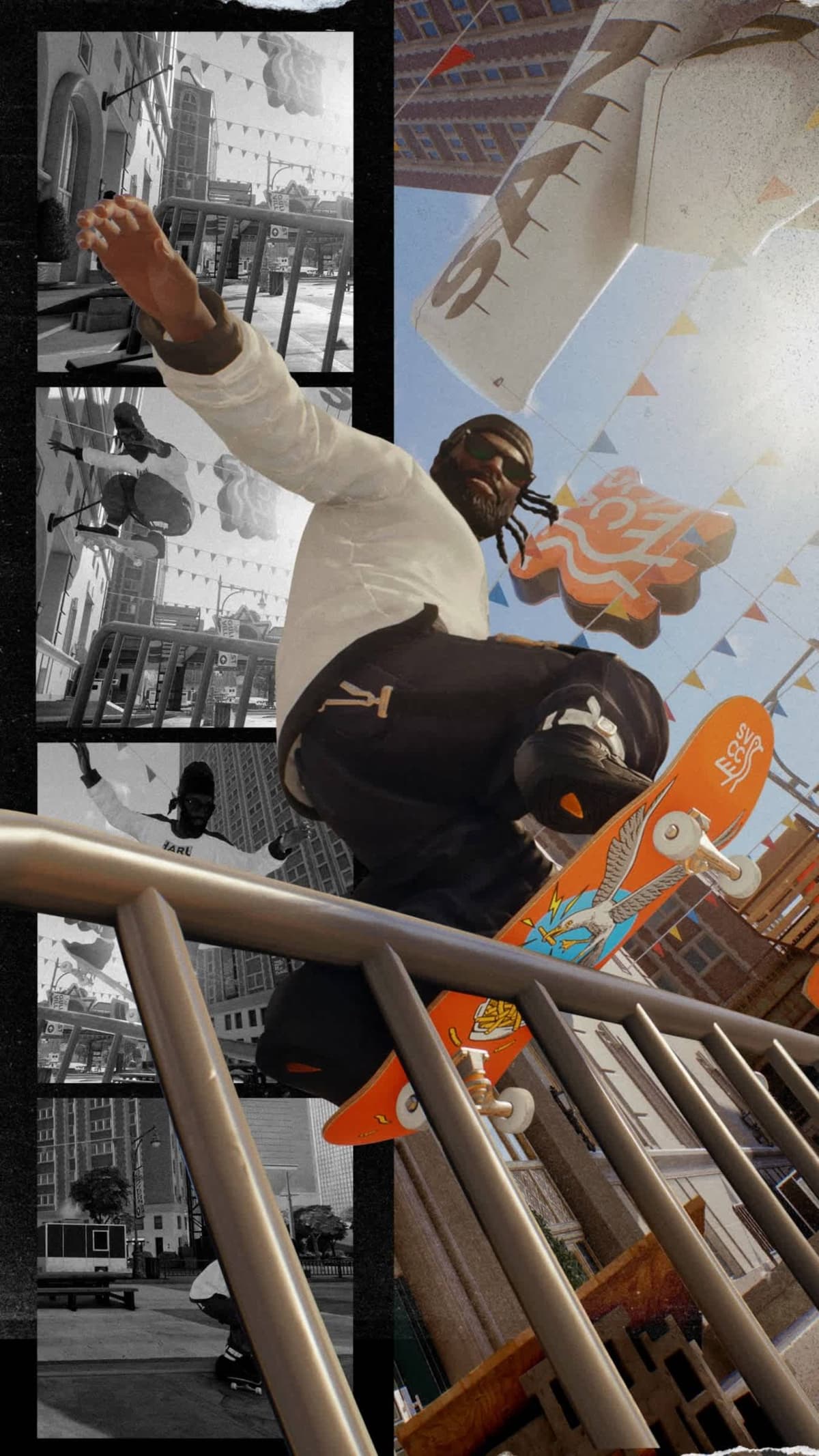
skate.
Compete in one of skateboarding’s biggest annual contests. For the first time ever, the Maloof Money Cup travels east to New York where you'll skate the course…
Why This Matters Right Now
The most interesting thing happening in skate. since early access isn’t coming from EA’s roadmap-it’s coming from players who are ditching their boards and sprinting through San Vansterdam like it’s a parkour playground. As someone who lost weeks to Skate 3’s S.K.A.T.E. battles and self-inflicted carnage in Hall of Meat, this trend caught my eye because it shows the game’s physics-driven sandbox is doing what live-service skate games should: surprising us.
Clips circulating on social media (Dexerto highlighted one in particular) show skaters leaving the deck at home, vaulting rails, threading scaffolding, and treating custom-built lines like precision platforming levels. That’s not just a meme; it’s a signal that Full Circle’s “players make the fun” pitch has real teeth-and maybe a new sub-genre on its hands if they embrace it.
Key Takeaways
- Players are turning skate. into an on-foot parkour platformer-and it actually works.
- Early access (Sept 16, 2025) nails physics but stumbles on visuals and always-online.
- Classic modes like S.K.A.T.E. and Hall of Meat are MIA—for now.
- Season 1 adds daily challenges and a skate. Pass, but monetization needs restraint.
Breaking Down skate.’s Early Access Return
After more than a decade of waiting, skate.—often shorthand’d as “Skate 4”—hit early access on September 16, 2025. It’s developed by Full Circle, an EA studio out of British Columbia with series veterans like Deran Chung and Cuz Parry steering the feel. The release is ambitious: free-to-play across PC, PlayStation 4/5, Xbox One/Series X|S, and even Android and iOS. The fictional city of San Vansterdam is designed as a creator-first playground, and the whole experience is built around sharing and iterating on community-made spots.
What’s landed well: the mechanics and physics. The board still speaks through your sticks, and the inertia, foot placement, and weight shifts sell the fantasy. What hasn’t: the look and the live-service scaffolding. The softer, more stylized visuals have drawn comparisons to Fortnite and The Sims Mobile, a big shift from the gritty, photoreal aspirations of Skate 1-3. There’s also no offline mode, which means if the servers—or your connection—aren’t there, neither is your session. Monetization leans on cosmetic purchases via “San Van bucks,” and while that’s better than stat boosts, the vibe is very “watch the shop rotation.”
Fans are also side-eyeing the feature gaps. Series staples like S.K.A.T.E. and Hall of Meat didn’t make the initial cut. Full Circle says updates are coming; Season 1 arrived October 7 with daily challenges, fresh tracks, and the skate. Pass. That’s a start, but it’s not the full buffet veterans were hoping for.
Players Are Turning skate. Into a Parkour Platformer
Here’s the twist: the community is authoring its own fun by going on foot. Using the creator tools and the city’s modular objects—barriers, ramps, rails, scaffolding—players are assembling precision courses that feel closer to classic platformers than a skate sim. In one clip, a player sprints, hops a barrier, threads a tiny gap, wall-runs a ledge with a bail animation, and sticks a landing like a time-trial speedrun. It’s half skate video, half Mirror’s Edge, and it’s shockingly compelling.
This isn’t entirely out of nowhere; you could step off your board in earlier games. But the difference here is intent and scale. San Vansterdam’s sandbox and physics allow combos of vaults, slides, and bails that become deliberate platforming moves. The result is Trackmania energy: one more run, shave another tenth off, post the line, challenge your friends. If Full Circle leans in—official timing tools, leaderboards, featured creator playlists, and a proper on-foot control pass—they’ve got a second game living inside the first.
Want to Level Up Your Gaming?
Get access to exclusive strategies, hidden tips, and pro-level insights that we don't share publicly.
Ultimate Gaming Strategy Guide + Weekly Pro Tips
The Good, the Bad, and the Bucks
The good: skate.’s feel is back. The physics are the star, and the creator ecosystem is already producing smart, shareable challenges that extend the loop beyond “hit the same rail for an hour.” The cross-device reach—even on mobile—means there’s a huge audience for that content, and that matters for a community-driven game.
The bad (or at least “hmm”): the art style and always-online requirement undercut some of the tone that made Skate feel subversive. I get why the visuals skew cleaner—readability across devices and consistent performance—but it trades grit for approachability. And the monetization layer needs guardrails. Cosmetic-only is fine, but don’t drown the feed in FOMO or bury the best creator-made stuff behind a pass. If user-generated content is the core, reward creators with visibility and tools over nickel-and-diming their audience.
What Gamers Should Watch Next
Three things will tell us where skate. lands. One: does Full Circle restore the soul—S.K.A.T.E., Hall of Meat, and offline free skate—while keeping the new creator focus? Two: do they legitimize the parkour scene with timing, leaderboards, and curated playlists without over-monetizing it? Three: does Season content add meaningful systems, not just shop rotations and trickle-feed challenges?
For now, I’m impressed—and cautiously optimistic. The community just proved the engine can support styles of play even the devs didn’t plan for. If EA and Full Circle listen, skate. could be both the best digital skatepark and the strangest new platformer of 2025. That’s a combo worth rooting for.
TL;DR
Skate’s early access nails physics but divides on visuals, always-online, and monetization. The wild card is players turning it into on-foot parkour using creator tools. If Full Circle embraces that and brings back the missing classics, skate. could stick the landing.