
Table of Contents (8)
Nioh 3’s big change actually matters
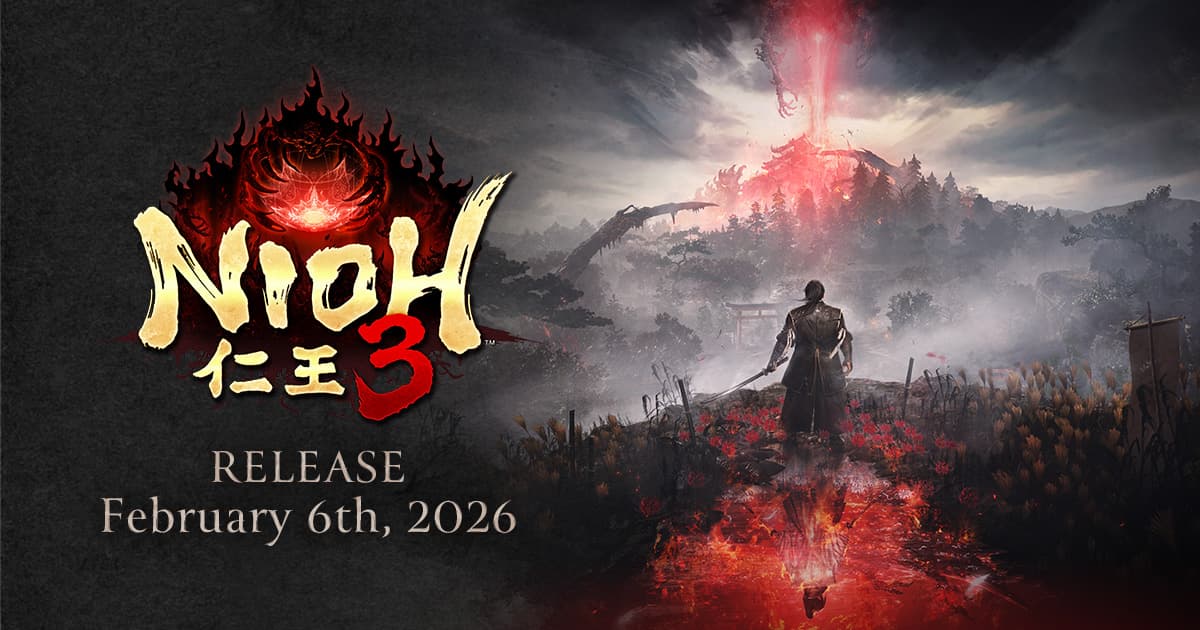
Three hours with Nioh 3 was enough to convince me Team Ninja isn’t just tweaking a beloved formula-they’re finally giving this series the room it’s always begged for. The mission-board structure that defined Nioh 1 and 2 has been traded for open-field zones tied to different eras, and the whole game breathes differently because of it. You still get the same brutal Ki tug-of-war, but now it’s happening across layered districts, enemy-held forts, and cursed pockets that want you dead fast.
Key takeaways
- Open-field zones replace mission lists: more freedom, fewer corridors, no empty “open world” bloat.
- Duel identity combat: instant swap between Samurai and Ninja styles is a legit game-changer.
- Purgatory zones crank the pressure with Vital Erosion and faster Amrita gain-risk it for power plays.
- Time-hopping campaign spans Sengoku, Edo, Heian, and a newly revealed Bakumatsu (1865) arc.
- Looks solid on Katana Engine, but clipping and potential PC optimization issues are a red flag.
The real story: open-field, not open world
Team Ninja is wisely avoiding the “open world” buzzword. Each era-Sengoku, Edo, Heian, and yes, the newly revealed Bakumatsu—acts as its own wide, interconnected zone. During my demo, trudging through Kyoto’s underbelly felt different from classic Nioh routes: you’re capturing enemy bases, purifying cursed pockets, and unraveling “Myths” while weaving through rooftops and alleys. It’s more Monster Hunter hublands than Ubisoft sprawl, and the density sells it.
There’s still jank. Double jumps are twitchy, a few rooftop routes ask for more precision than the platforming currently supports, and the vertical maze can overwhelm when you’re just trying to reach a yokai shrine in one piece. But the tradeoff is worth it: a genuine sense of discovery and danger returns, underscored by the new Purgatory zones. In these corrupted areas, yokai hit harder and every wound can trigger Vital Erosion, temporarily shrinking your max HP. You can clear it by killing enemies, dealing damage, or returning to your grave—but the whole time your Amrita gauge fills faster, baiting you into unleashing the “Living Artifact” power state for massive payoffs. It’s classic Team Ninja: reward smart aggression, punish panic.
Combat: two styles, one brutal loop
Nioh 3 doesn’t ditch its identity. Ki management still rules every decision, Ki Pulse timing remains essential, and yokai who lose all Ki are sitting ducks for savage executions. The twist is the instant switch between Samurai and Ninja styles. Samurai is the familiar lineage—guard-forward, stance-driven, and building an arts gauge that, once full, powers up “Mastered Arts” to hit harder and spend less Ki. Ninja is all about speed: lower Ki costs, constant repositioning, and a “Mist” dodge that, when timed perfectly, refuels your Ninjutsu and arts gauges. You can even “Support Jump” off an enemy to vault behind them for backstab damage—feels great on big bruisers.
The money move is “Explosive Break,” a high-risk counter that stops an enemy’s push and shreds their health, Ki, and even max Ki. Nioh has always rewarded measured aggression, and stringing Ninja evasions into a Samurai power stance to land an Explosive Break is exactly the kind of flow that makes this series sing. New players will find Ninja a friendly entry point—you could probably ride it the whole way—but the system clearly shines when you chain both styles.
Each style also pulls from its own weapon pool: Samurai favors heavier kit like odachi and gauntlets; Ninja leans on quick hitters like katana and kusarigama. You can equip two weapons per style and swap instantly without menu diving, letting you adapt mid-fight. Layer in Guardian Spirits—now with a separate Spirit Force gauge for spirit-specific skills—and the returning “Living Artifact” super state, and it’s a buffet of buildcraft. This is the crunchy, expressive combat I come to Team Ninja for.
Time-hopping Tokugawa drama and dark fantasy vibes
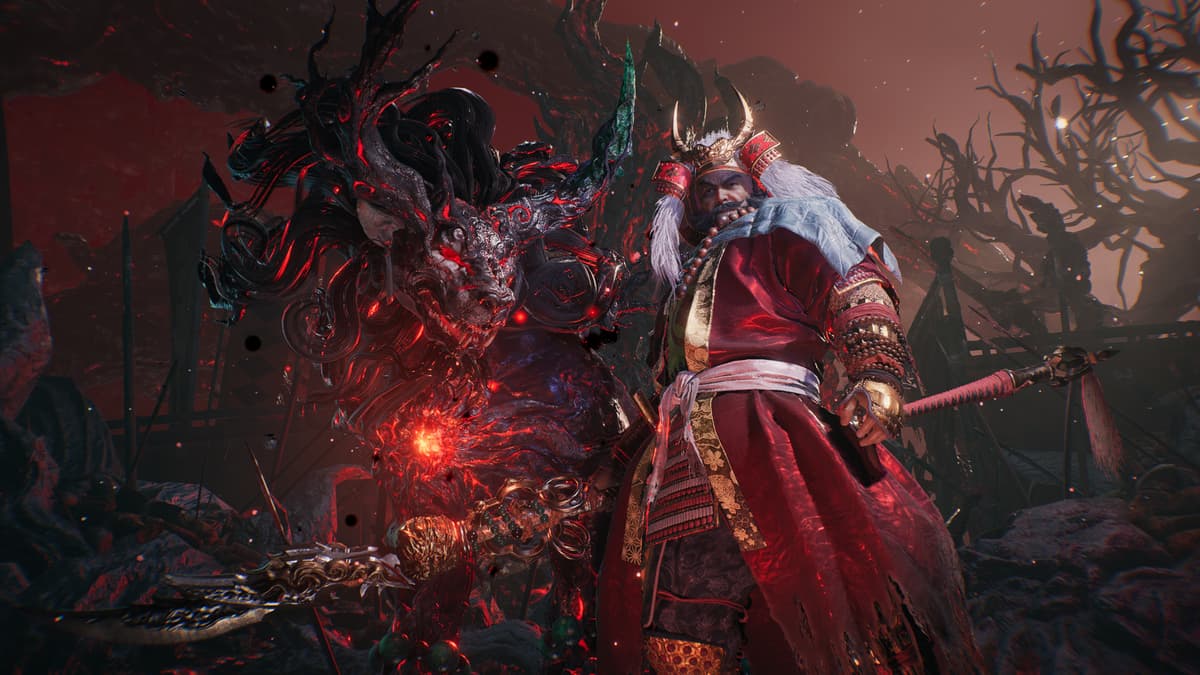
The story takes a hard swing: you play Tokugawa Takechiyo, a future shogun forced to time-skip by his Guardian Spirit Kusanagi after a betrayal by his jealous brother, Kunimatsu, who’s leading a yokai army. It’s a clean break from Nioh 2’s custom protagonist, though there’s still deep visual customization if you want to style your Takechiyo. The multi-era structure is more than a gimmick—jumping from Heian moodiness to 1865 Bakumatsu Kyoto gives the art team license to get weird. The slums I explored felt haunting: traditional wooden homes strangled by giant, organic roots and other unsettling growths. The bestiary looks varied, and I hope the eras push enemy behaviors as much as their looks.
What worries me: visuals and loot bloat
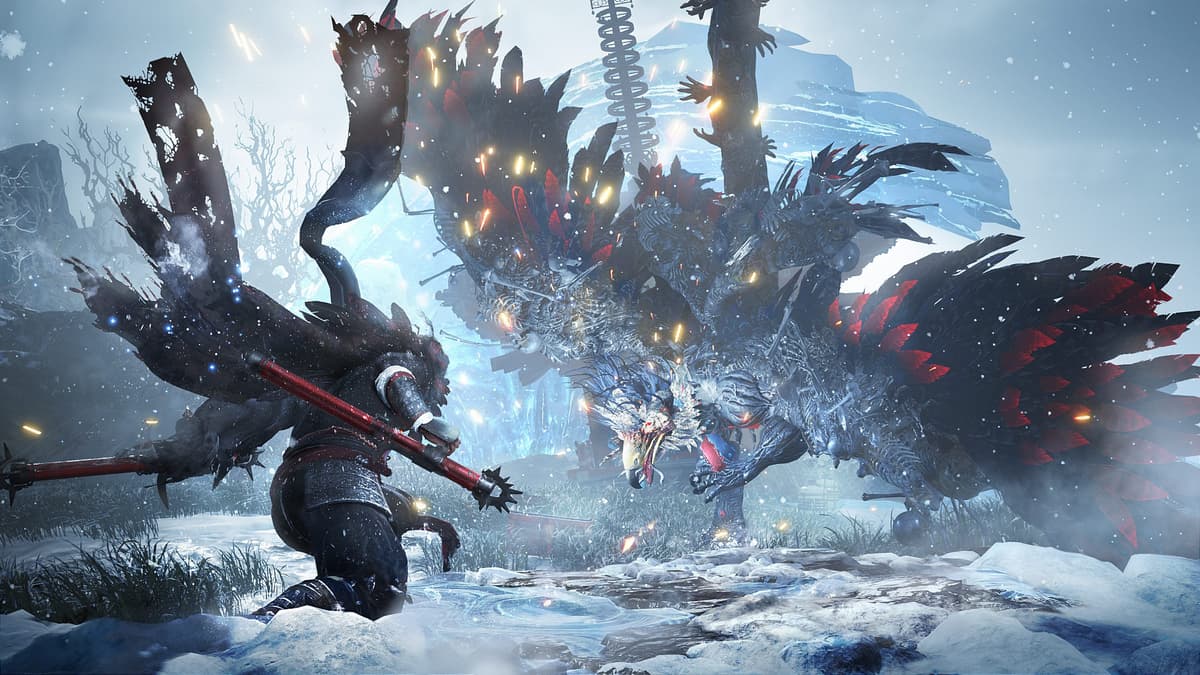
On the Katana Engine, Nioh 3 is solid, but it won’t drop jaws—at least not yet. I noticed some obvious clipping, and while that’s normal for a work-in-progress, I can’t ignore Team Ninja’s uneven PC track record. Rise of the Ronin’s PC launch was rough; Nioh 3 needs a cleaner rollout. Difficulty felt fair overall (we were generously kitted for the demo), but Purgatory spikes and bosses hit hard. Takasugi Shinsaku—yes, the Bakumatsu firebrand—packs a vicious pistol/guardian combo, and Nuribotoke, a colossal statue possessed by yokai, erased me in seconds. That’s the good pain.
The other concern is loot. Nioh has always been a loot sprinkler, and Nioh 3 keeps the shower on full blast—weapons, armor, trinkets, resources, the works. If you love spreadsheets, you’ll feast. If you don’t, expect gear management to get overwhelming fast unless the late game introduces better filters and smart salvage. Co-op is in (I only played solo), and you can summon AI-controlled versions of other players to help clear tough zones—a welcome safety net.
Why this matters now
Soulslikes aren’t short on contenders—Lies of P raised the bar for polish, and a wave of new challengers is closing in. Nioh 3’s open-field pivot and dual-style combat feel like the right kind of evolution for Team Ninja: modernizing exploration without sacrificing the series’ brainy, high-skill dueling. If the PC version lands smoothly and the era-hopping delivers meaningful variety—not just new wallpaper—this could be the studio’s best balance of ambition and identity since the original Nioh.
TL;DR
Nioh 3 trades mission lists for dense open-field zones, adds on-the-fly Samurai/Ninja combat, and spices it all up with deadly Purgatory areas. It’s fresh, fierce, and promising—just keep an eye on performance and the looming loot avalanche.
FinalBoss // Gear
Level up your setup
01Top-rated gaming headsetson Amazon→02High-refresh gaming monitorson Amazon→03Gaming chairson Amazon→04Discounted game keyson Kinguin→Affiliate links · As an Amazon Associate, FinalBoss earns from qualifying purchases.
Want to Level Up Your Gaming?
Get access to exclusive strategies, hidden tips, and pro-level insights that we don't share publicly.
Ultimate Gaming Strategy Guide + Weekly Pro Tips